
Castle Wedding Venues France: A Planning Guide
A castle wedding in France gives you historic architecture, formal gardens, excellent food, and a full destination experience in one setting. Among French wedding venues, a château offers the strongest fit for couples who want a refined celebration with rooms for guests, a grand ceremony backdrop, and space for a multi-day wedding weekend.
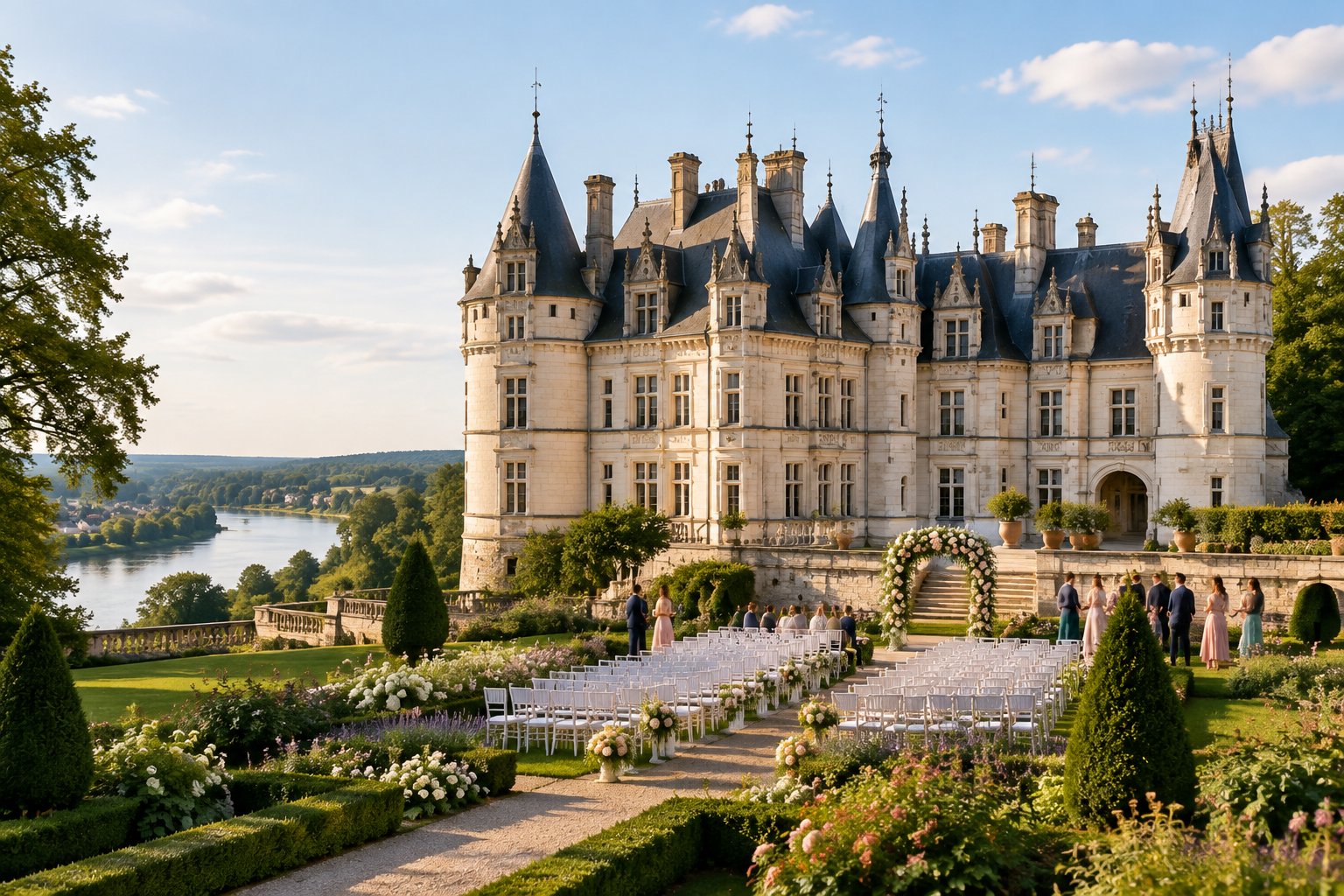
You can choose a French château in the Loire Valley, a vineyard estate near Bordeaux, a stone property in the Dordogne, or a sunlit venue in Provence. Your best match will balance the setting you love with guest travel, accommodation, weather, ceremony rules, and your full budget.
Start by setting your guest count and spending range, then contact venues that fit both before your favorite date disappears.
What Defines a French Castle Wedding Venue?
A French château wedding venue combines historic architecture, private grounds, ceremony spaces, and reception facilities for a wedding that feels like a complete stay. Properties range from fortified castles to elegant country houses, so the word château describes a broad family of historic estates.

Castle vs. Château
In English, “castle” suggests defensive walls, towers, and a medieval past. In France, château can describe a medieval fortress, a Renaissance castle, an 18th-century estate, or a 19th-century manor built in a romantic style.
Look beyond the name. Review the reception room, rain plan, guest capacity, kitchen access, sound rules, and bedroom count. A spiral staircase, vaulted cellars, stone towers, and a private chapel create atmosphere, while practical features determine how smoothly your wedding runs.
Domaine, Manoir, and Bastide
A domaine is an estate linked to land use, such as vineyards, orchards, or olive groves. It often offers broad outdoor areas and a relaxed countryside feel.
A manoir is a smaller manor house with a more intimate scale. A bastide is a grand Provençal country house, often surrounded by structured gardens, terraces, and Mediterranean landscapes. These properties suit couples who want historic character with a setting that feels regional and personal.
Why Exclusive Use Creates a True Wedding Weekend
Exclusive use reserves the estate for you and your guests during the agreed dates. You can host a welcome dinner, ceremony, wedding reception, and farewell brunch without sharing the grounds with another event.
Ask how many nights the hire includes, where guests sleep, and whether setup and cleanup time are included. On-site accommodation makes the experience easier, while nearby hotels and shuttle routes expand your options when the château has limited rooms.
Which Historic Features Matter for Your Celebration?
Choose features that support your wedding plan. Formal gardens work well for ceremonies and cocktail hours. An on-site chapel or private chapel adds a meaningful setting for a blessing.
A ballroom suits a larger reception, while an orangery or courtyard creates a lighter, more informal mood. Ask whether historic rooms allow candles, hanging décor, amplified music, and dancing.
Preservation rules can affect floral installations, furniture placement, and late-night sound, so request these details before signing.
Which French Region Fits Your Wedding Vision?
The Loire Valley offers the clearest choice for a classic château wedding, while Provence, Bordeaux, the Dordogne, and the Riviera create warmer, more regional experiences. Paris and Île-de-France improve access for international guests, while Normandy, Brittany, and Hauts-de-France bring cooler light and coastal or country scenery.
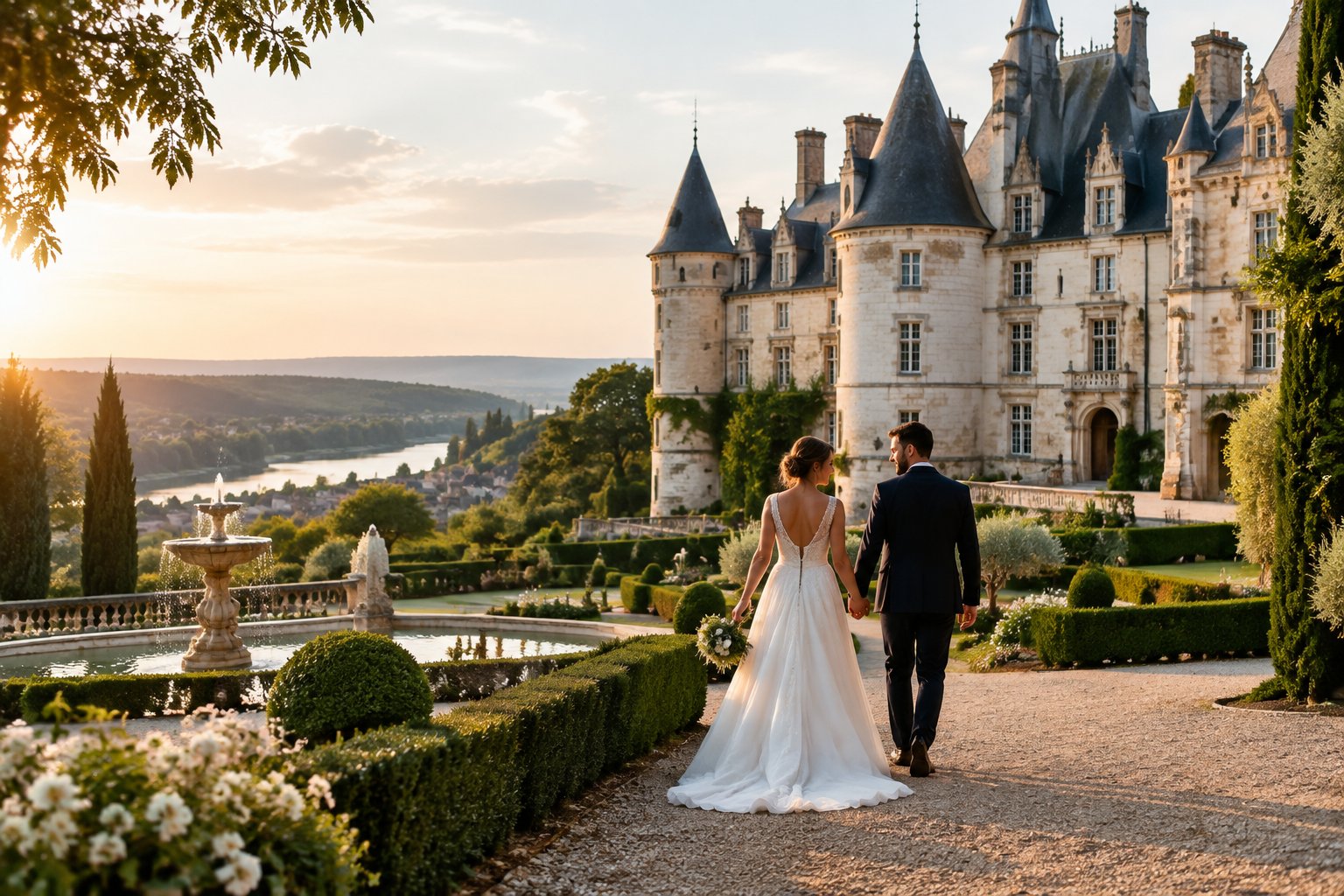
Your region shapes the architecture, food, weather, travel time, and venue cost. Compare the landscape you want with the arrival airport and the amount of driving your guests will accept.
Loire Valley Fairy-Tale Estates
The Loire Valley suits a formal French château wedding with turrets, Renaissance details, long allées, and manicured gardens. Estates around Tours, Maine-et-Loire, and Pays de la Loire provide a classic fairy-tale backdrop and access from Paris by train or car.
Château properties here work well for 80 to 200 guests, with reception rooms that support a structured dinner. Château Challain, Château de Jalesnes, Château de Paon, and Château de Varennes show the range of styles available, from romantic Neo-Gothic architecture to polished country estates.
Paris, Île-de-France, and Champagne Escapes
Paris and Seine-et-Marne give you city access with the privacy of a country estate. Château de Villette, Château de Bourron, and Château de Santeny suit couples who want grand interiors, formal gardens, and straightforward airport connections.
The Marne and Champagne areas add vineyard scenery and regional wine. These locations fit guests who want a wedding weekend with easy access to Paris, historic towns, cellar visits, and celebratory dinners.
Bordeaux, Dordogne, and Southwest France
Bordeaux and Gironde suit wine-focused celebrations, with vineyard estates, stone buildings, and menus built around local produce. Saint-Émilion offers a polished wine-country setting, while Cahors and the wider Dordogne provide quieter landscapes and more room for a relaxed weekend.
Charente and Southwest France work well when you want rural charm, generous grounds, and a slower pace. Toulouse provides a useful transport point for parts of the southwest, while smaller towns require planned transfers and guest shuttles.
Provence, Occitanie, and the French Riviera
Provence brings warm light, olive groves, cypress trees, stone walls, and outdoor dining. Venues near Lorgues, Aix-en-Provence, Bouches-du-Rhône, and the Var suit sun-filled celebrations with a Mediterranean menu.
Occitanie and Aude offer vineyards, historic estates, and more flexible price ranges. Château l’Hospitalet and Château les Carrasses show how southern properties combine wine, design, and outdoor entertaining.
The French Riviera, including Èze, offers sea views and luxury, with higher venue and accommodation costs. Plan shade, cooling, and a wind-safe ceremony layout for summer events.
Normandy, Brittany, and Northern France
Normandy gives you green countryside, stone manors, coastal scenery, and a cooler climate. Brittany adds rugged shorelines and local character, while Hauts-de-France offers grand estates within reach of northern travel routes.
These areas suit couples who prefer garden texture, historic interiors, and soft light. Include an indoor ceremony or reception plan, especially for spring and autumn dates.
Standout Estates to Add to Your Shortlist
Your shortlist should include estates that match your guest count, travel plan, and preferred style before you compare design details. The names below cover romantic castles, Paris-area properties, Burgundy estates, wine country, and southern escapes.
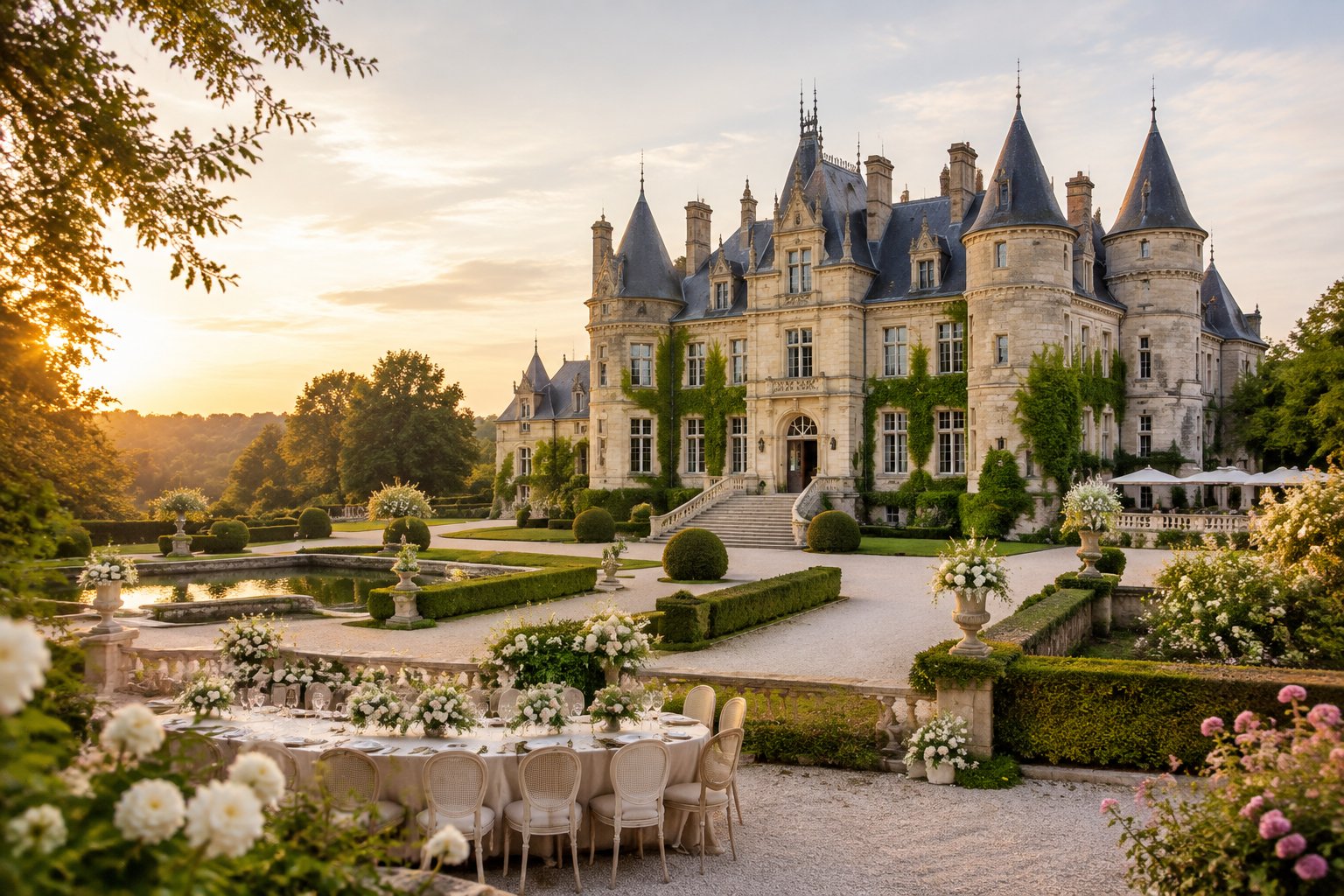
Check each venue’s current capacity, availability, accommodation, supplier rules, and hire terms. Property names can sound similar, so confirm the exact location and contract holder before you make plans around a venue.
Storybook and Renaissance-Style Settings
Château Challain, Château de Jalesnes, Château de Paon, Château de Varennes, and Château de Méridon offer strong options for couples drawn to towers, formal rooms, and historic grounds.
Château de Varennes brings Burgundy warmth and wine-country appeal. Château de Jalesnes suits an intimate estate weekend with gardens and period character.
Château de Méridon offers a smaller, romantic atmosphere near Paris. Château de Vitry-la-Ville adds a grand Champagne setting, while Château de Vauchelles brings northern French elegance.
Near-Paris and Northern Château Options
Chateau de Villette is a natural choice when Paris access and ornate architecture rank high on your list. Château de Bourron and Château de Santeny offer additional Île-de-France possibilities, with gardens and interiors suited to formal celebrations.
Domaine des Halles and Château de Vauchelles help broaden your search beyond the most familiar Paris-area names. Confirm transfer times from the airport, nearby lodging, and noise limits before you invite guests to stay in a rural location.
Wine Country and Southern French Escapes
Château Gassies, Chateau de Garde, and Château la Durantie suit couples seeking Bordeaux or Dordogne scenery. Château de Varennes adds Burgundy wine-country style, while Château l’Hospitalet, Chateau les Crostes, and Château les Carrasses bring vineyard and Mediterranean settings.
Chateau Mathilde and Château les Crostes can appeal to couples who want southern light and outdoor dining. Compare the ceremony location, dinner layout, accommodation, and local vendor access because a beautiful estate still needs the infrastructure for your guest list.
How Much Do Château Weddings in France Cost?
A château wedding in France often ranges from about €35,000 for a smaller mid-range celebration to €150,000 or more for a larger luxury weekend, with region, guest count, and inclusions driving the final figure. A venue quote alone rarely shows the full cost of your celebration.
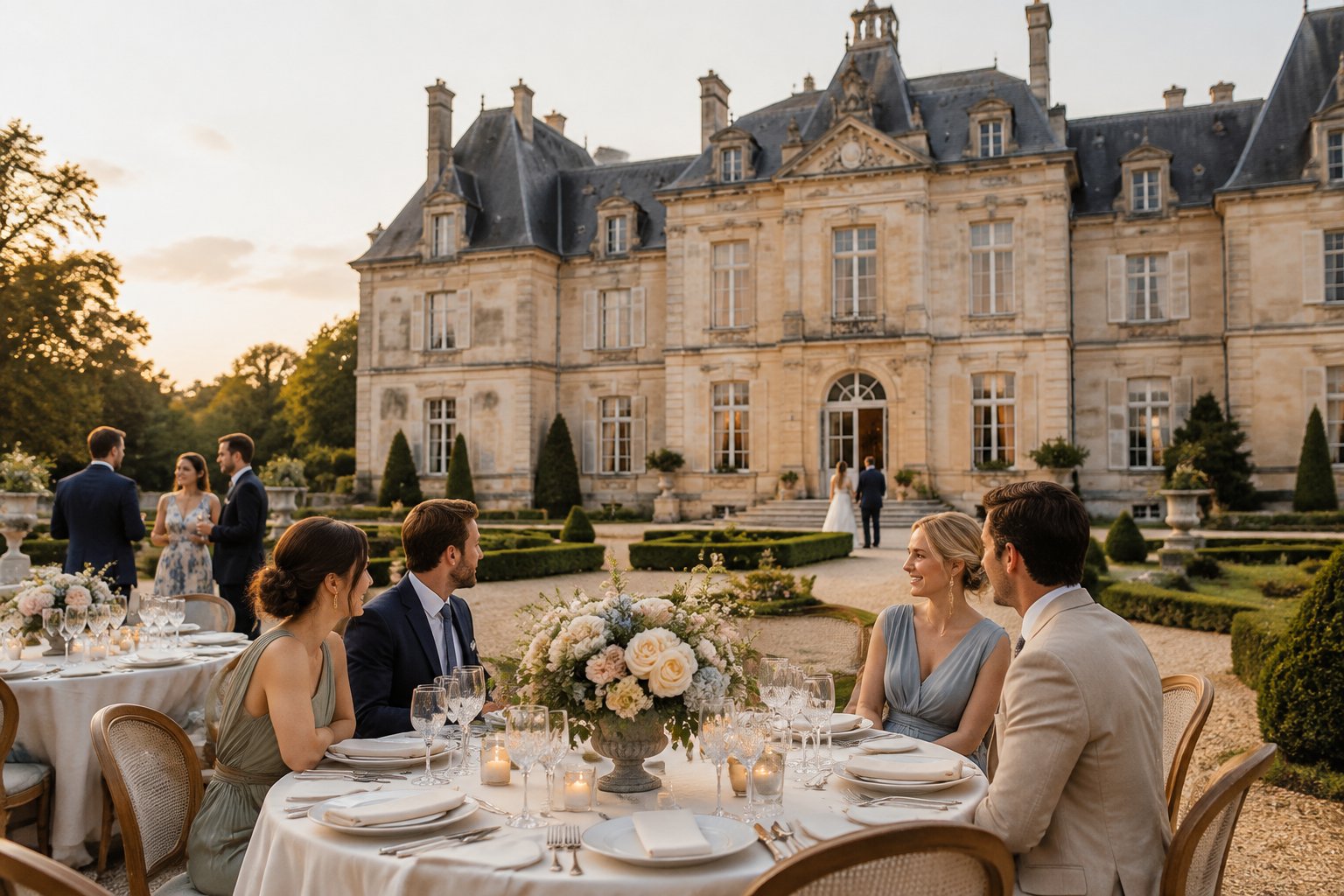
For a broader look at lower-cost options, compare affordable wedding venues in France before you commit to a premium region or peak-season date.
Venue Hire vs. All-Inclusive Wedding Packages
Venue hire, also called dry hire, covers access to the estate and selected spaces. You then arrange catering, rentals, staffing, décor, music, transportation, and planning.
Weekend venue fees often fall between €6,000 and €35,000, with prestige estates and coastal properties reaching higher levels. An all-inclusive wedding package groups several services into one price.
French wedding packages can include catering, drinks, furniture, basic décor, coordination, and accommodation. Ask for a line-by-line list so you know which taxes, staffing fees, rentals, and late-night charges remain outside the package.
What Accommodation, Catering, and Planning Add
Accommodation adds value for guests, though it also affects the hire price and room allocation. Check whether the bridal suite is included, whether breakfast is provided, and how many guests can sleep on site.
Catering is one of the largest expenses. A seated dinner with wine, cocktail service, dessert, and staffing may cost €80 to €200 or more per guest.
Wedding planning can add roughly €4,000 to €18,000 depending on the service level and region. A bilingual wedding planner helps with contracts, vendor coordination, timelines, and local rules.
Ask every supplier whether the quote includes French VAT. “TTC” means tax included, while “HT” means tax excluded.
How Guest Count and Season Affect the Budget
Guest count increases catering, rentals, staffing, transportation, and accommodation costs. A 50-person dinner at a Dordogne estate can fit a modest budget, while 120 guests at a Riviera château requires a larger production.
June through September brings strong demand and higher rates. May and October can offer lower prices, though you need a reliable indoor plan.
Your region also sets the price range: Dordogne and inland Normandy often cost less than Provence, Paris, or the French Riviera.
How to Plan a Seamless Destination Celebration
A seamless château wedding starts with an early venue decision, a bilingual planning team, and a clear plan for travel, legal paperwork, weather, and guest communication. Book 12 to 18 months ahead for popular summer dates, then build the weekend around how people will arrive and move through the estate.
Use a destination wedding checklist to track contracts, deposits, passports, room assignments, vendor meals, transport, and guest updates.
Symbolic Ceremonies, Religious Blessings, and Civil Marriage
Most international couples complete the legal marriage in the United States and hold a symbolic ceremony in France. This approach gives you freedom to choose a château garden, terrace, chapel, or salon for the ceremony.
A religious blessing requires separate conversations with the faith leader and venue. An on-site chapel can add meaning, though it may not provide legal recognition.
A civil marriage in France involves residency and municipal requirements, translated documents, and a ceremony at the local mairie. Confirm the current rules with the mairie and your planner well before booking vendors.
Travel Planning for International Guests
Paris, Nice, Marseille, Bordeaux, and Toulouse connect France with major international routes. The TGV links Paris with regional cities, while Eurostar provides access from the United Kingdom.
Rural château venues still require a car, private transfer, or organized shuttle from the nearest station. Send guests the airport, train station, transfer time, hotel, dress, weather, and currency details at least six months before the wedding.
Reserve transportation for the rehearsal or welcome dinner, wedding day, and return journeys. A welcome dinner and farewell brunch give guests time to settle in and enjoy the estate.
Questions to Ask Before You Sign the Contract
Ask the venue these questions in writing:
- Is the property exclusive to your group for the full hire period?
- How many nights are required, and what does each night include?
- How many guests can sleep on site?
- What is the indoor rain plan for the ceremony and reception?
- Which caterers, planners, rental companies, and musicians are approved?
- What time must outdoor music end?
- Are candles, confetti, fireworks, tents, and hanging décor allowed?
- Who handles setup, cleanup, trash, security, and vendor access?
- Are taxes, service charges, insurance, and overtime included?
- What happens if weather, transport delays, or cancellation affects the event?
Request a live video tour if you cannot visit France before booking. Have your planner review the contract in both languages, confirm the payment schedule, and record every promised inclusion before you pay the deposit.