
Castle Wedding Venues Rome Italy: A Planning Guide
Rome gives you a rare mix of ancient history, easy international access, and countryside estates within reach of the city. For couples seeking castle wedding venues in Rome, Italy, Castello Brancaccio suits destination celebrations that value a 10th-century setting, on-site suites, multilingual support, and connected indoor and outdoor spaces. Its hilltop location in San Gregorio da Sassola creates a private castle wedding experience while keeping Rome within reach.
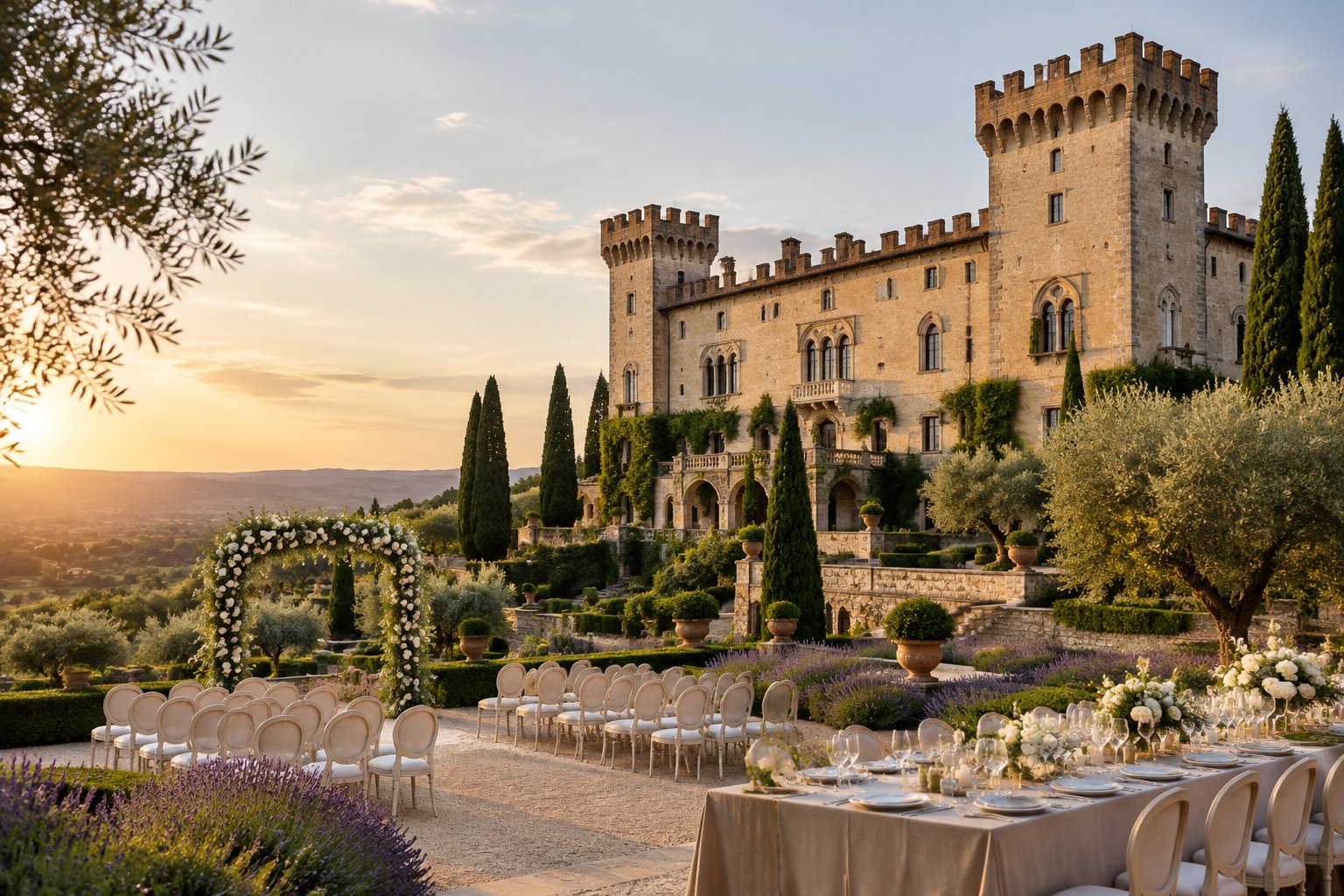
You can also compare grand historic properties near Lake Bracciano, intimate castles in the Roman countryside, and estates across Lazio. The right choice comes down to your guest count, ceremony type, travel plan, weather strategy, and budget. If you want expert help with venue scouting, legal paperwork, suppliers, and day-of coordination, Alessia & Alexander plan destination weddings in Rome for couples from the United States and other countries.
How to Choose the Right Estate Setting
Choose an estate that matches your guest experience, event style, and practical needs from the first arrival through the final dance. Historic details create atmosphere, while clear capacity limits, private-use terms, and weather-ready spaces keep the day comfortable.

Historic Character vs. Modern Comfort
A medieval or Renaissance castle gives you stone courtyards, towers, frescoed rooms, historic gardens, and strong photography locations. Ask how much of the property remains original and which spaces are available for your ceremony, dinner, dancing, and portraits.
Modern comfort includes climate control, accessible bathrooms, bridal preparation rooms, reliable power, Wi-Fi, catering facilities, and guest rooms. Castello Brancaccio combines historic interiors with rooms, suites, and penthouses on-site. That arrangement lets your closest guests stay within the estate.
Guest Capacity and Exclusive-Use Requirements
Start with your confirmed guest range, then match it to the venue’s seated-dinner capacity. A castle that welcomes 100 guests may feel ideal for an intimate reception, while Castello Odescalchi near Lake Bracciano offers spaces for celebrations from about 100 guests to more than 1,000.
Ask whether the venue requires a full buyout, permits outside suppliers, or limits access to selected rooms and gardens. Confirm the exclusive-use period, setup access, breakdown time, music cutoff, parking, and guest movement between spaces.
Indoor Backups for Rain and Heat
Your venue needs an indoor plan for rain, hot summer afternoons, and cool evenings. Confirm the backup ceremony room, dining layout, air conditioning, heating, tent rules, and the deadline for making a weather call.
A strong plan keeps the ceremony, cocktail hour, dinner, and dancing connected even when the weather changes. Request a floor plan that shows the guest route and ask whether indoor rooms can hold your complete guest count.
Where Should You Look Beyond Central Rome?
The best search area depends on how strongly you value city access, countryside views, lake scenery, or a full wedding weekend. Lazio gives you several distinct settings within practical reach of Rome and its airports.
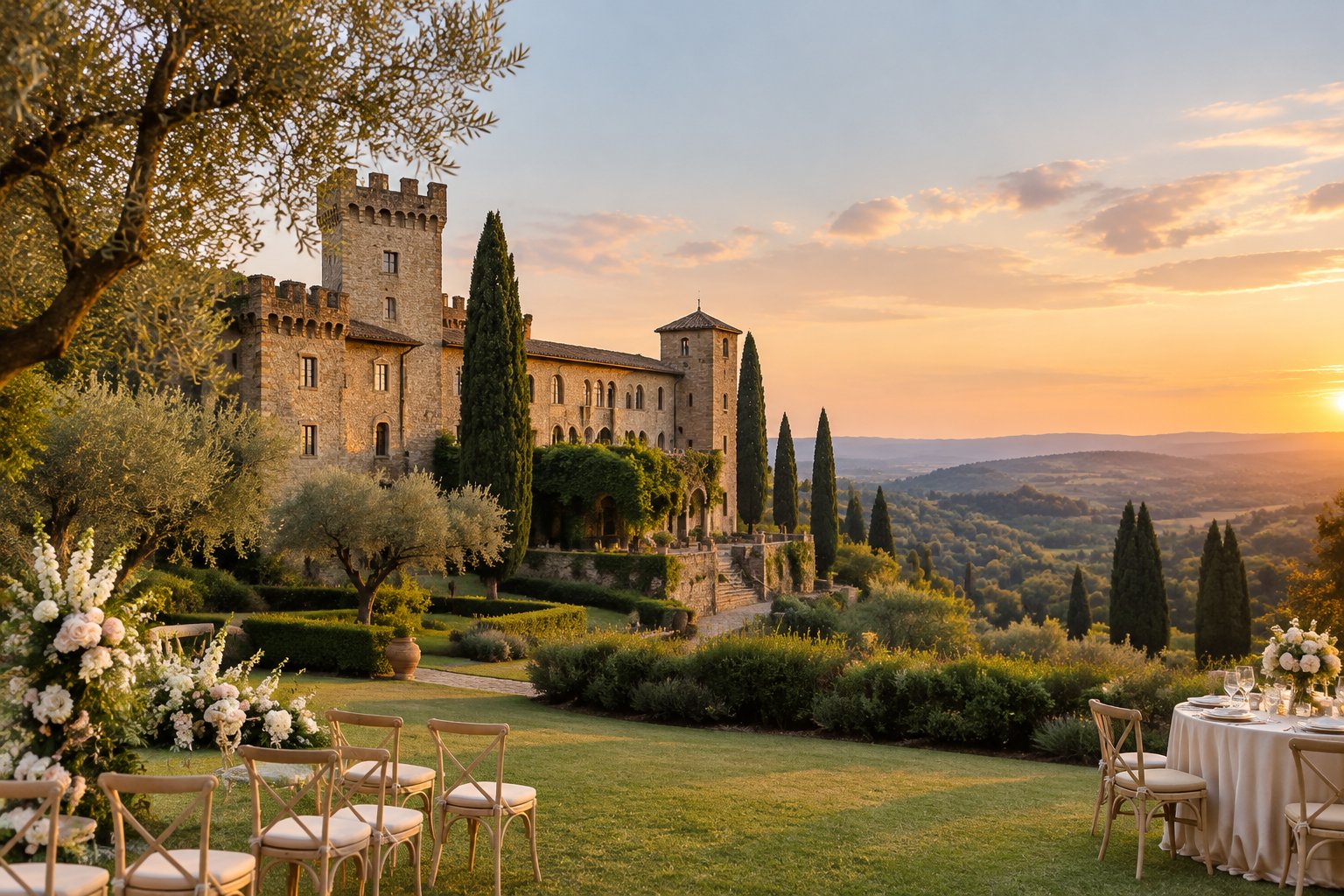
Castelli Romani for Easy City Access
The Castelli Romani hills south of Rome offer gardens, vineyards, lake views, and noble villas close to the capital. Frascati, Castel Gandolfo, and nearby towns work well when guests want a countryside setting with straightforward access to Rome’s attractions.
Check the road journey at your event time, since traffic affects transfer schedules. Lake Albano views, panoramic terraces, and shaded gardens suit ceremonies followed by an outdoor aperitivo.
Tivoli and the Eastern Countryside
Tivoli gives you an eastern setting with rolling hills, historic estates, gardens, and a quieter pace. The area works well for couples who want a wedding weekend that includes a countryside stay and cultural visits.
Ask about coach access, guest room locations, noise rules, and lighting on paths after dark. A venue that looks close on a map still needs a clear transfer plan for older guests and anyone with limited mobility.
Tuscia and Northern Lazio Escapes
Tuscia and northern Lazio offer more remote castle experiences, with medieval villages, olive groves, vineyards, and open countryside. These locations suit couples who want guests to stay on-site or nearby for several days.
The trade-off is travel time. Build airport transfers, rehearsal logistics, supplier arrival, and late-night transport into your plan before booking. A remote estate becomes easier to manage when it provides rooms, catering coordination, and a local event team.
What Does a Rome Castle Wedding Cost?
A Rome castle wedding budget needs separate lines for venue hire, catering, guest logistics, taxes, suppliers, and contingency funds. Published venue figures show a wide range, with pricing shaped by season, guest count, buyout scope, menu choices, and event length.
Venue Hire, Food, and Bar Expectations
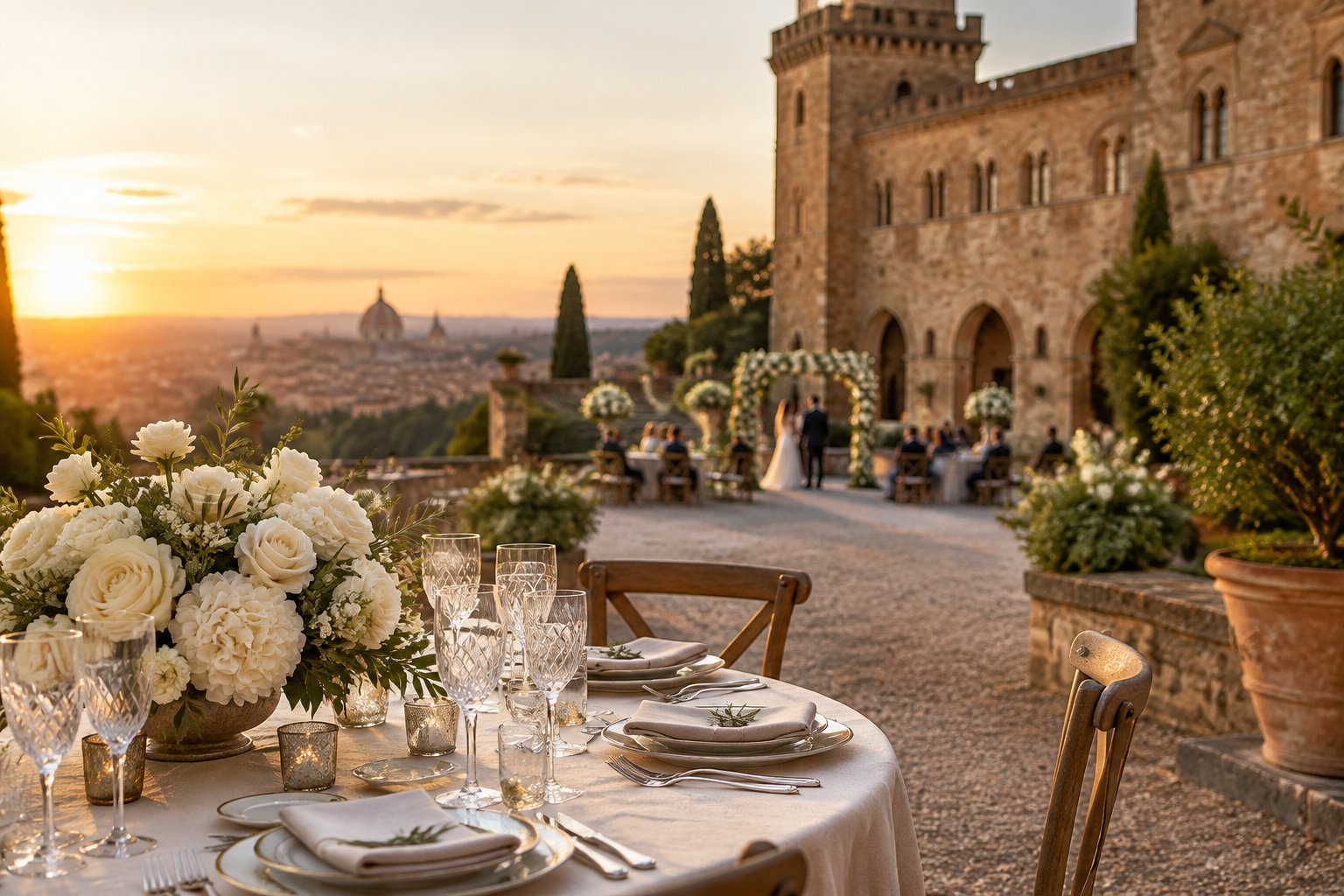
Venue hire can start in the low thousands for smaller weekday properties and rise well above €14,000 for major historic castles with exclusive use. Castello Odescalchi lists 2028 hire at €14,000 plus 22% VAT for a celebration of around 80 guests, with mandatory services adding €950 before VAT.
Catering is commonly priced per person. Ask for sample menus that show food, wine, beer, soft drinks, cocktails, cake, coffee, late-night snacks, staffing, and equipment. A low venue fee can lose its value if catering restrictions or supplier charges raise the final bill.
Accommodation and Guest Transport
On-site rooms simplify wedding mornings and reduce late-night travel. Castello Brancaccio offers rooms, suites, and penthouses, while Castello Odescalchi directs guests to nearby accommodation in Bracciano.
Request a room inventory, minimum-night rules, breakfast details, and booking deadline. Price airport transfers, Rome shuttles, rehearsal transport, and return coaches as separate lines so every guest knows how to reach the venue.
Taxes, Service Charges, and Contingency Funds
Italian VAT, service fees, overtime, cleaning, security, restroom attendants, parking, and equipment charges can change the quoted total. Castello Odescalchi lists mandatory parking, restroom and bridal-room attendants, and end-of-event cleaning as additional services.
Keep a contingency reserve for weather changes, extra transport runs, supplier overtime, currency movement, and last-minute guest changes. Request a written quote with each charge labeled as included, optional, estimated, or mandatory.
Using AI to Compare Quotes and Timelines
AI can organize several venue quotes into a consistent comparison. Paste each proposal into a private workspace and ask it to extract venue hire, VAT, catering, bar, rooms, transport, overtime, cancellation terms, payment dates, and inclusions.
Use AI to flag missing information and turn each quote into a payment timeline. Check every extracted figure against the original document, since a tool can misread a decimal, currency symbol, or tax note. Never upload passports, bank details, or private contracts without removing sensitive information first.
Plan the Ceremony and Italian Paperwork
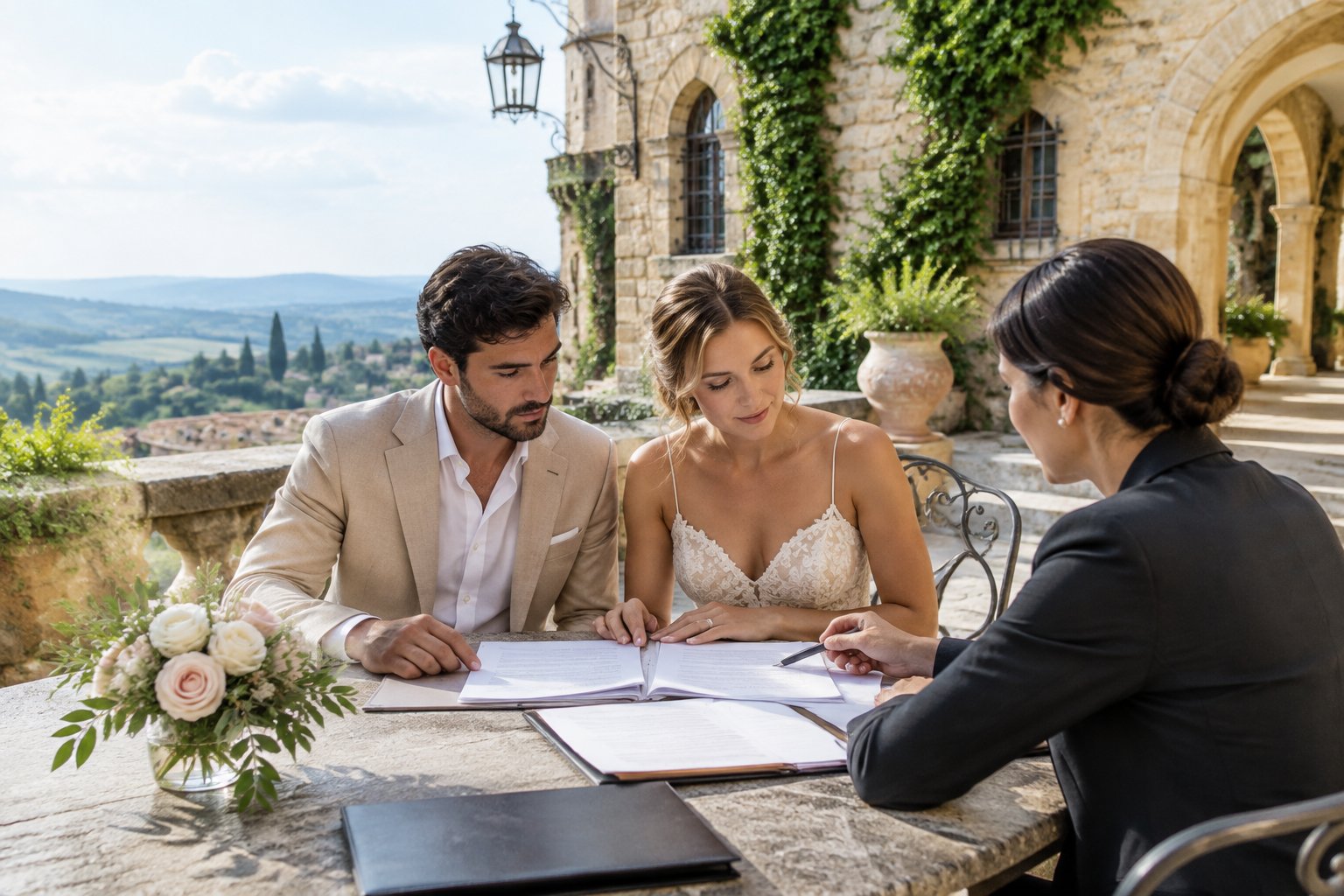
Choose your ceremony format before you sign the venue contract, because civil and religious requirements affect the location, documents, timing, and suppliers. A local planner can coordinate municipal offices, translations, venue rules, and ceremony logistics.
Symbolic, Civil, and Religious Ceremonies
A symbolic ceremony gives you the most freedom over location, wording, readings, music, and timing. You can hold it in a castle courtyard, garden, terrace, or historic room, then complete the legal marriage at home or through the Italian civil process.
A civil ceremony requires an authorized setting and coordination with the relevant municipality. A Catholic ceremony brings church rules, documentation, and parish requirements. Castello Odescalchi includes a consecrated church beneath the fortress, giving couples a religious option within the castle complex.
Documents Required for International Couples
U.S. couples should confirm current requirements with the Italian municipality and the U.S. Embassy or Consulate. Requirements can include valid passports, birth records, proof of legal capacity to marry, an authenticated declaration, translations, and documents for any previous marriage.
Names, dates, seals, and translations must match across every document. Start the process early because document validity periods and municipal appointment dates affect your wedding schedule. Your planner should provide a written checklist tied to your nationality and ceremony type.
Working With a Local Planner and Suppliers
A Rome-based planner can manage venue visits, Italian contracts, supplier communication, transport, translations, and wedding-day timing. Choose someone who can communicate clearly in English and explain which suppliers are approved by the venue.
Confirm who handles flowers, music, photography, lighting, cake, hair and makeup, rentals, guest transport, and setup. Ask for a production schedule that includes delivery windows, access passes, sound checks, meal timing, and breakdown.
Create a Wedding Weekend Guests Will Remember
A castle wedding becomes a richer guest experience when you give people time to settle in, eat well, explore nearby towns, and enjoy the property. A welcome gathering and relaxed farewell help guests connect before and after the main celebration.
Welcome Events and Aperitivo Etiquette
A welcome aperitivo gives guests an easy first gathering after travel. Offer small savory bites, sparkling wine, local wine, and nonalcoholic drinks while guests meet the wedding party.
Set a clear start time and keep the format informal. Guests arriving from different time zones appreciate a flexible event with seating, shade, and simple transport instructions.
Coffee, Late Dining, and Relaxed Italian Timing
Italian meals often unfold over several courses, so share the dinner schedule with guests who expect a shorter reception. Add coffee after dessert and allow enough time for conversation between courses.
A late-night snack helps guests who dance past midnight. Provide water throughout the evening, especially during warm-weather celebrations, and tell guests when coaches depart so they can enjoy the reception without guessing.
Local Menus, Wine, and Gelato Moments
Build the menu around Lazio ingredients, seasonal produce, handmade pasta, regional cheeses, and local wines. Ask the caterer to explain allergies, vegetarian dishes, children’s meals, and substitutions before the tasting.
A gelato station or late-evening gelato cart adds a relaxed Italian touch. Pair it with espresso, fresh fruit, or small pastries for a sweet break between dancing and the final song. For more ideas, explore these Italian wedding ideas.
Manage Booking, Contracts, and Guest Communication
Keep one accurate planning record with signed contracts, payment dates, supplier contacts, room assignments, and guest transport details. Clear communication protects your budget and helps every person involved work from the same schedule.
Questions to Ask Before Signing a Contract
Ask the venue to confirm:
- Which rooms and outdoor areas are included
- Whether exclusive use is required
- The exact access, event, and breakdown hours
- Rain and heat backup spaces
- Catering, bar, cake, and outside-supplier rules
- VAT, service charges, cleaning, security, and overtime
- Deposit dates, cancellation terms, and refund rules
- Music limits, fireworks rules, and local noise restrictions
- Parking, accessibility, guest rooms, and transport access
Request every verbal promise in writing. Compare the final contract with the quote before you pay the deposit.
Room Blocks and Arrival Instructions
Reserve room blocks early when the estate or nearby town has limited accommodation. Share room prices, booking deadlines, cancellation terms, breakfast hours, luggage storage, and check-in details with guests.
Give each guest a simple arrival sheet with airport options, Rome meeting points, transfer times, venue address, emergency contact details, dress guidance, and footwear advice for stone paths or gardens. Update the sheet when transport times change.
Protecting Vendor Accounts and Shared Planning Files
Use a password manager for vendor portals, planning platforms, and payment accounts. If you forget your account details, use the official “forgot account” or password-reset process and verify the recovery email before sharing access.
Give each supplier only the files they need. Remove passport numbers, bank details, and private guest information from shared folders.
When a planner or vendor changes, revoke old access, update passwords, and keep signed contracts in a read-only archive.