
Ceremony Only Wedding Venues: How to Choose Yours
A ceremony-only wedding gives you a focused way to exchange vows in a beautiful setting while keeping the rest of your celebration flexible. For couples who want an intimate wedding with a clear budget and a meaningful setting, ceremony-only wedding venues are a strong choice because you pay for the ceremony experience without committing to a full reception package.
You can host a ceremony-only wedding in a garden, historic home, hotel room, chapel, or waterfront space. Afterward, you might share a meal at a restaurant, continue the celebration at home, or plan a larger reception for another date.
Start by deciding how many guests you want, how much time you need at the venue, and whether you require an indoor weather plan. When you are ready to explore an ocean-view option in Palos Verdes, contact La Venta Inn to ask about available ceremony dates and package details.
What Is a Ceremony-Only Wedding?
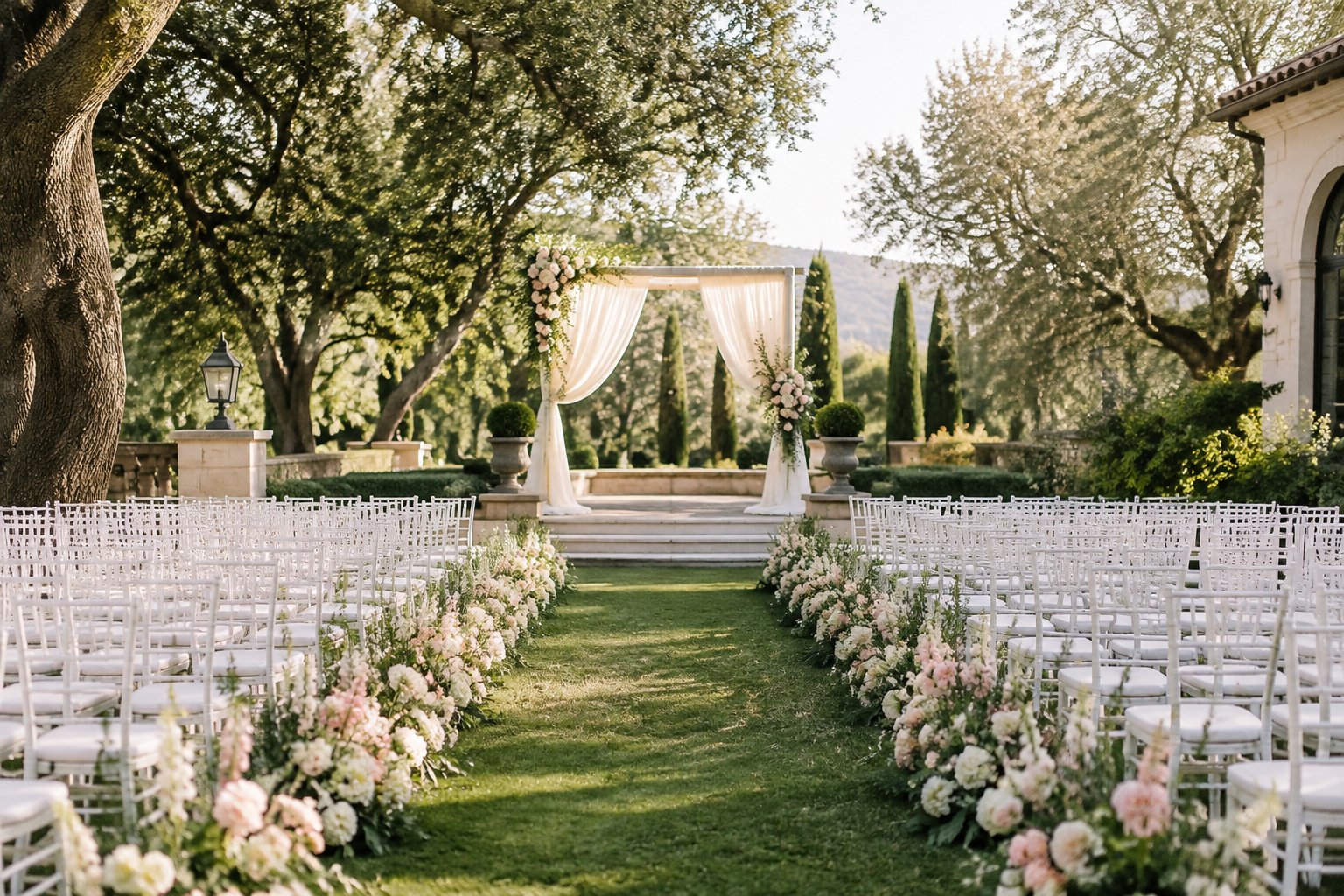
A ceremony-only wedding includes the vows, readings, rings, processional, recessional, and other parts of your wedding ceremony without a formal reception at the same venue or during the same booking. It gives you a defined ceremony space and time while leaving the meal and party plans separate.
How Ceremony-Only Rentals Differ From Full-Service Weddings
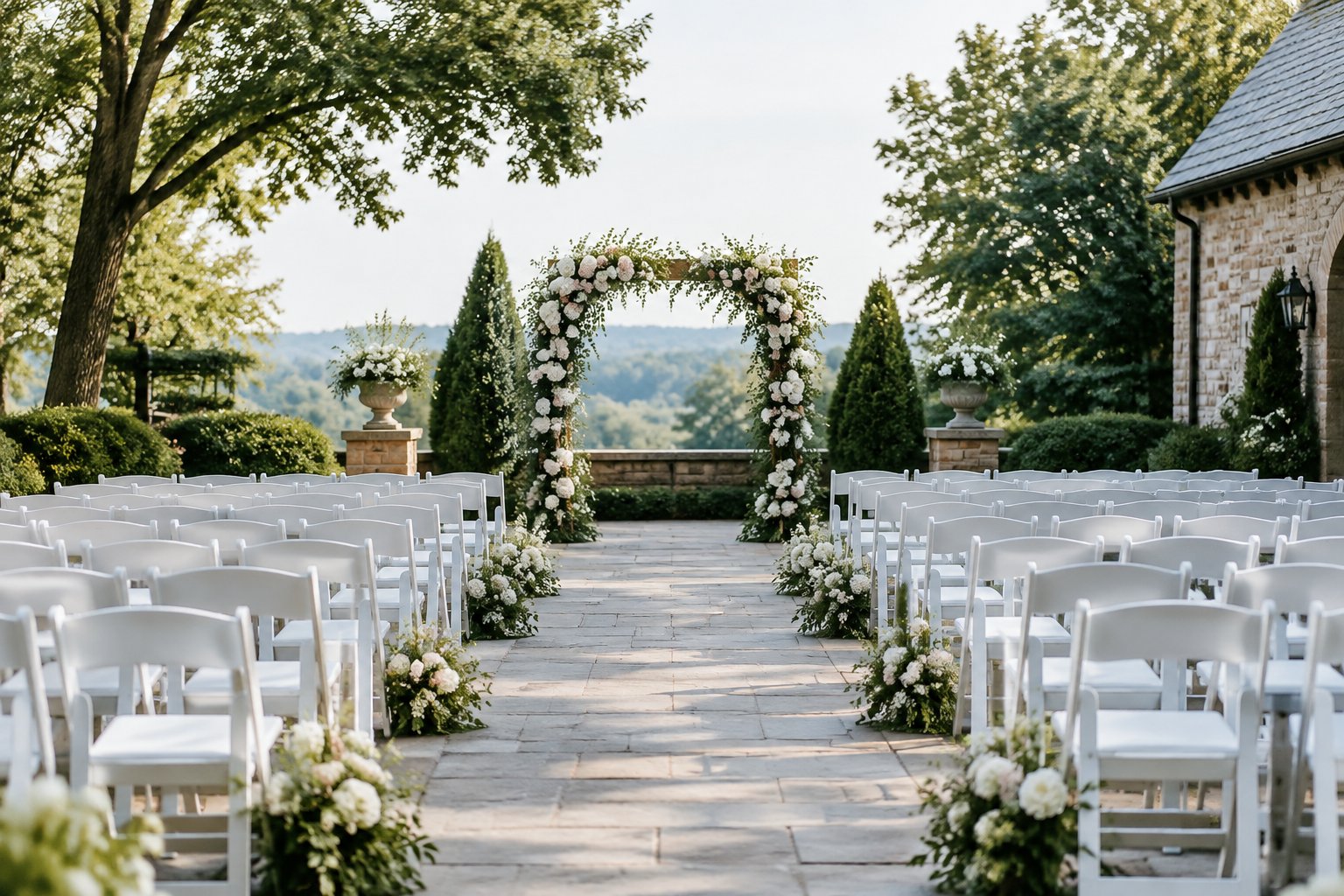
A ceremony-only rental focuses on the space and services required for your vows. Your package might include:
- Venue access for a set rental window
- Ceremony chairs
- Aisle and altar access
- Parking
- A dressing room
- Basic sound equipment
- A rehearsal
- A wedding director
- Time for portraits on the property
A full-service wedding package can also include reception space, catering, bar service, tables, linens, cleanup, and extended vendor access. Read the contract closely so you know whether setup, breakdown, photography time, officiant services, and décor are part of your price.
When a Ceremony-Only Format Makes Sense
This format suits you when the ceremony itself is the main event. It works well for a small guest list, a second marriage, a vow renewal, or a couple planning a private meal elsewhere.
You can also choose this approach when your preferred wedding venue offers a special ceremony package. A two-hour rental might provide enough time for arrival, the ceremony, family photos, and departure. Separating the ceremony from the reception gives you more control over where and when you celebrate afterward.
Ceremony-Only Wedding vs. Elopement
A ceremony-only wedding describes the event format. An elopement describes a more private wedding style, often with a very small guest list and a shorter planning process.
You can have an elopement at a ceremony-only wedding venue, yet a ceremony-only wedding can also include 50 or 100 guests. Ask the venue about its guest limit, ceremony length, photography access, and package rules before choosing the label that fits your plans.
How to Choose the Right Setting
The right ceremony setting gives your guests a clear view, comfortable seating, reliable sound, and an appealing ceremony backdrop. Compare the setting with your guest count, season, photography plans, and need for an indoor option before you sign a contract.
Outdoor Gardens, Lawns, and Waterfront Spaces
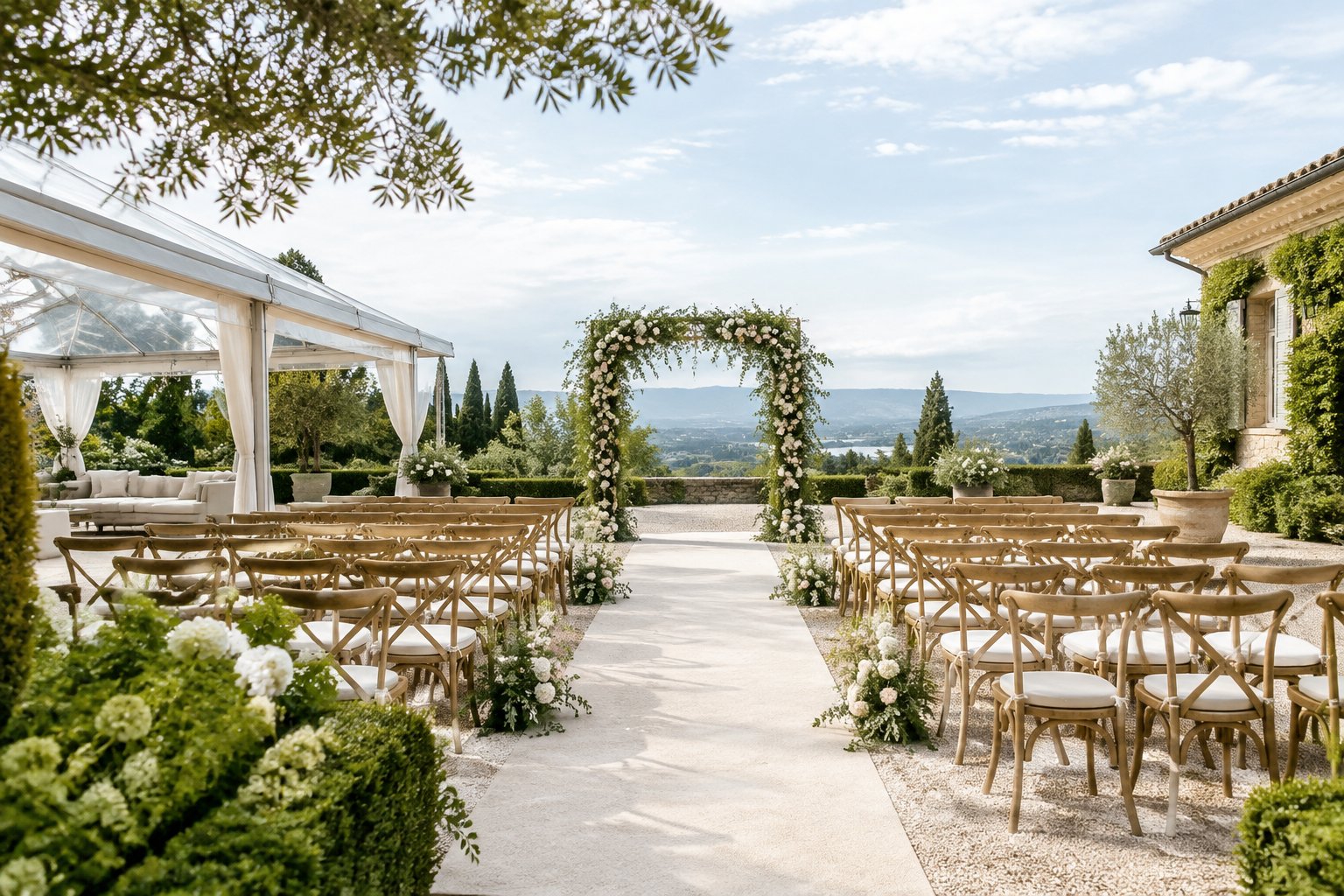
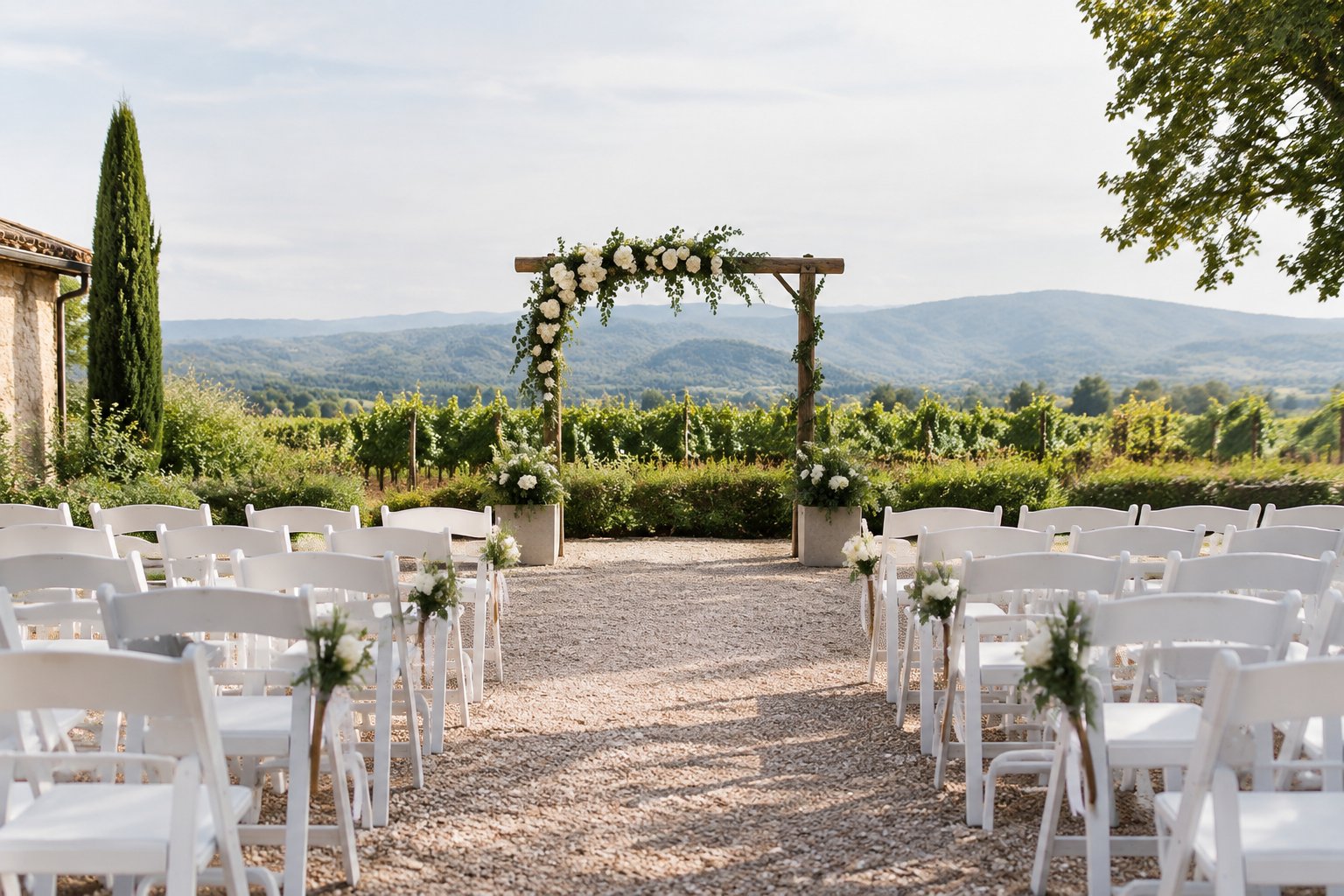
Gardens and lawns create natural space for an aisle and ceremony backdrop. A waterfront property gives you open views and strong photo opportunities, while mature trees and planted borders add color without requiring extensive décor.
Ask how the space handles sun, wind, heat, insects, and noise. If you like an ocean-view ceremony lawn, check whether the view faces the same direction as the afternoon sun. Confirm the rain plan, covered guest areas, ground conditions, and distance from parking to the ceremony site.
Historic Homes, Hotels, and Indoor Rooms
Historic homes offer architectural details, fireplaces, gardens, and a strong sense of place. Hotels provide convenient guest access, elevators, restrooms, and indoor rooms that work well in changing weather.
An indoor ballroom needs enough width for your aisle, seating, musicians, photographer, and any cultural ceremony elements. Look at the room during your planned ceremony time so you can assess window light, ceiling fixtures, acoustics, and background distractions.
Capacity, Accessibility, and Guest Comfort
Capacity refers to the legal and practical number of people the space can hold. Confirm the approved guest limit, seating layout, aisle width, restroom access, parking, and distance between arrival areas and the ceremony site.
Check for ramps, elevators, level pathways, stable flooring, and accessible seating locations. Your guests also need shade or heating outdoors, climate control indoors, and enough time to arrive without feeling rushed.
Choosing a Ceremony Backdrop
Choose a ceremony backdrop that supports your vows and looks good from every guest seat. A stone altar, fireplace, ocean view, garden arch, large window, or mature tree can provide a focal point.
Ask whether the venue supplies an arbor, arch, drapery, or altar furniture. Find out where floral arrangements may be placed, whether candles or hanging décor are allowed, and whether the photographer can use alternate angles without blocking the aisle.
What Should a Ceremony-Only Package Include?
A useful ceremony-only package covers the practical pieces that help your ceremony run on time, including seating, sound, venue coordination, rehearsal access, and a clear photography plan. Services labeled as add-ons deserve special attention because they can change your final cost.
Setup, Seating, and Photography Access
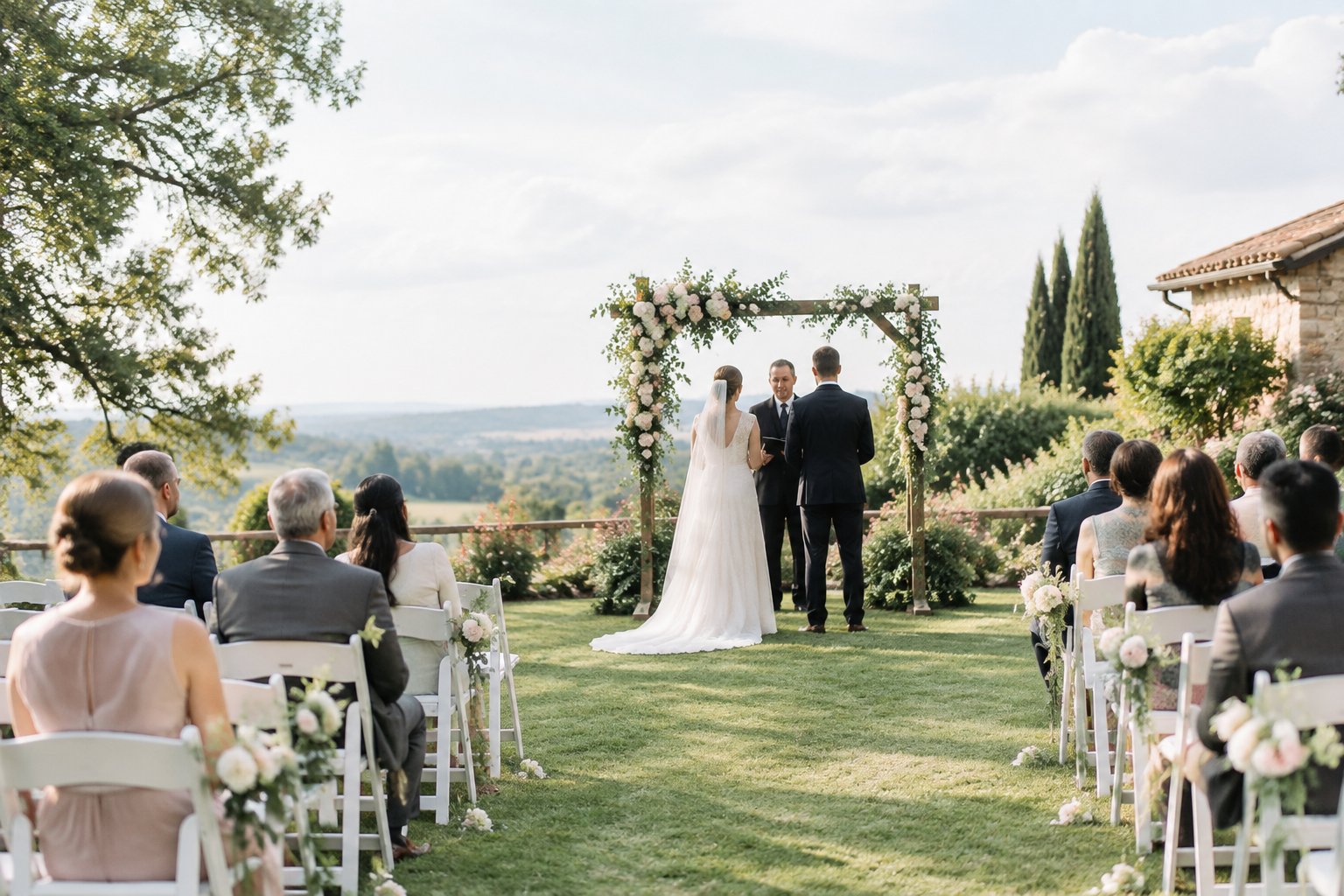
Your agreement should state who places the chairs, prepares the aisle, checks the ceremony area, and removes items afterward. Confirm the chair style, seating count, reserved-row policy, and access for guests who need mobility accommodations.
Ask when your photographer can arrive and how long you can take portraits after the ceremony. A package with full grounds access offers more flexibility than a ceremony reservation that limits you to the main setup.
Sound, Music, and Audiovisual Equipment
Clear audio helps every guest hear your vows. Ask whether the package includes microphones, speakers, a mixer, music playback, cables, power access, and a person who tests the system before guests arrive.
Confirm who supplies processional and recessional music. If you plan to include live musicians, ask about their setup location, power needs, weather protection, and sound limits. Test the system during the rehearsal or a planning meeting.
Coordination, Rehearsals, and a Wedding Director
A wedding director guides the processional, cues music, organizes the wedding party, and helps the ceremony stay on schedule. Ask how many hours the director is present and which tasks are included.
A rehearsal gives everyone a chance to practice entrances, readings, ring exchanges, and the recessional. Confirm the rehearsal date, duration, guest limit, and whether your officiant or family members can attend.
Floral Arrangements and Personal Touches
Some packages include basic floral arrangements, an aisle runner, petals, or a ceremony arch. Other venues provide the space and chairs while you hire a florist separately.
Ask about approved florists, delivery times, installation, removal, flower restrictions, and cleanup. Personal touches such as cultural rituals, family readings, custom vows, or a unity ceremony should be discussed with both the officiant and venue director.
How Much Do Ceremony-Only Venues Cost?
Ceremony-only wedding venues often cost less than a full wedding rental because the booking covers a shorter window and fewer services, though the final price depends on the date, guest count, location, and package inclusions. A published example from La Venta Inn lists $4,000 for Monday through Thursday and $5,500 from Friday through Sunday for its ceremony package.
Understanding Rental Windows and Minimums
The rental window may include arrival, setup, the ceremony, portraits, and departure. A two-hour booking can feel short once vendors arrive and guests take their seats, so ask for a sample timeline before booking.
Check for minimum rental periods, reservation fees, taxes, service charges, overtime rates, cleaning fees, and damage deposits. Confirm whether the quoted price changes with your guest count or ceremony time.
Why Weekdays and Off-Peak Times Can Cost Less
Weekday dates often have lower published rates because they compete with fewer weekend bookings. Morning and early afternoon time slots can also have separate pricing.
Ask about Monday through Thursday availability, winter dates, Friday bookings, and non-holiday periods. Compare the total package price with your guests’ travel plans and any extra lodging costs.
Budgeting for Vendors Beyond the Venue
Your venue fee is one part of the ceremony budget. Plan for an officiant, marriage license, photography, floral arrangements, attire, music, transportation, signage, and guest refreshments.
You might also pay for heaters, umbrellas, sound upgrades, ceremony programs, chairs, an arch, or additional portrait time. Request an itemized estimate so you can compare packages using the same list of services.
Venue Example: La Venta Inn in Palos Verdes
La Venta Inn gives you a dedicated ceremony package in Palos Verdes with an ocean-view ceremony lawn, an indoor ballroom option, two-hour property access, and space for up to 100 guests.
Ocean Views and Indoor Ceremony Options
La Venta Inn is a historic property built in 1923 on the Palos Verdes Peninsula. Its ocean-view ceremony lawn overlooks the Pacific Ocean and South Bay coastline.
You can choose the outdoor lawn or the indoor ballroom. The ballroom includes wooden floors, a stone fireplace backdrop, wood beam ceilings, and ocean views through its windows and glass doors. Ask which setting is available for your date and how the weather plan affects your ceremony layout.
What the Ceremony Package Includes
The published package includes:
- Private use of the property for two hours
- Use of the grounds for photos
- A dressing room and light refreshments for the wedding party
- In-house sound system for prelude, processional, and recessional music
- Complimentary on-site parking
- Wood folding ceremony chairs
- A day-of wedding director
- One planning meeting
- A rehearsal
Ask whether your preferred officiant, florist, photographer, cultural ceremony items, and décor are approved. Confirm whether any requested additions change the reservation fee.
Guest Limits, Timing, and Questions to Confirm
La Venta Inn lists a maximum of 100 guests and ceremony start times of 10 a.m., 12:30 p.m., 3 p.m., and 5:30 p.m., with restrictions applying to some Friday through Sunday times.
The published sample timeline allows arrival and photos before a 3 p.m. ceremony, followed by guest departure and property photos. Before signing, confirm your exact access window, vendor arrival time, rehearsal schedule, portrait rules, weather decision process, cancellation terms, and payment deadline.
Booking and Planning the Ceremony
Book your ceremony site after you confirm the guest count, ceremony time, package inclusions, contract terms, and legal requirements. Your planning calendar should protect time for the marriage license, officiant, rehearsal, final walk-through, and weather decisions.
Questions to Ask Before Signing a Contract
Ask the venue to put these details in writing:
- What spaces and hours does the fee cover?
- What chairs, sound equipment, rooms, and parking are included?
- Who handles setup, cleanup, and ceremony direction?
- Can you choose your own officiant and vendors?
- How much portrait time is included?
- What fees apply to overtime, added guests, décor, or changes?
- What happens if severe weather affects an outdoor ceremony?
- When are deposits and final payments due?
- What are the cancellation and rescheduling terms?
Read the contract with the full ceremony timeline beside you. Every promised service should appear in the agreement.
Building a Realistic Ceremony-Day Timeline
Allow time for vendor arrival, getting ready, guest seating, the processional, the ceremony, family photos, couple portraits, and departure. A sample timeline for a two-hour booking might include:
- 60 minutes for the couple, wedding party, and vendors to arrive
- 30 minutes for guests to arrive and be seated
- 30 to 45 minutes for the wedding ceremony
- 20 to 30 minutes for family and couple photos
- 5 to 10 minutes for departure and cleanup
Ask the venue director to review your timing. Add travel time if your reception, restaurant, or hotel is in another location.
Marriage License and Officiant Requirements
Check your state and county rules for applying for a marriage license, identification, waiting periods, expiration dates, and required signatures. Your officiant needs to meet the legal requirements for the location where you marry.
Give your officiant the venue address, ceremony time, rehearsal details, and any readings or cultural traditions. Bring the license, rings, identification, and any required forms according to your local instructions.
Weather Plans and Final Venue Walk-Through
Choose an indoor backup space before you send invitations. Confirm how quickly the venue makes a weather decision, who communicates the change, and whether the alternate room has enough seating and sound support.
Schedule a final walk-through with your partner, officiant, photographer, and wedding director. Review the aisle entrance, ceremony backdrop, reserved seating, microphone placement, photo locations, parking, restrooms, and departure route.