
Cheap Honeymoon Destinations Japan: Romantic Trips on a Budget
Japan gives you a honeymoon with temples, beaches, mountain hot springs, and some of the world’s best food. The most affordable approach is a 7- to 10-day route through Tokyo, Hakone, Kyoto, and Osaka, with midrange hotels, local restaurants, and one special ryokan stay. This plan gives you romantic experiences while keeping long transfers and luxury nights under control.
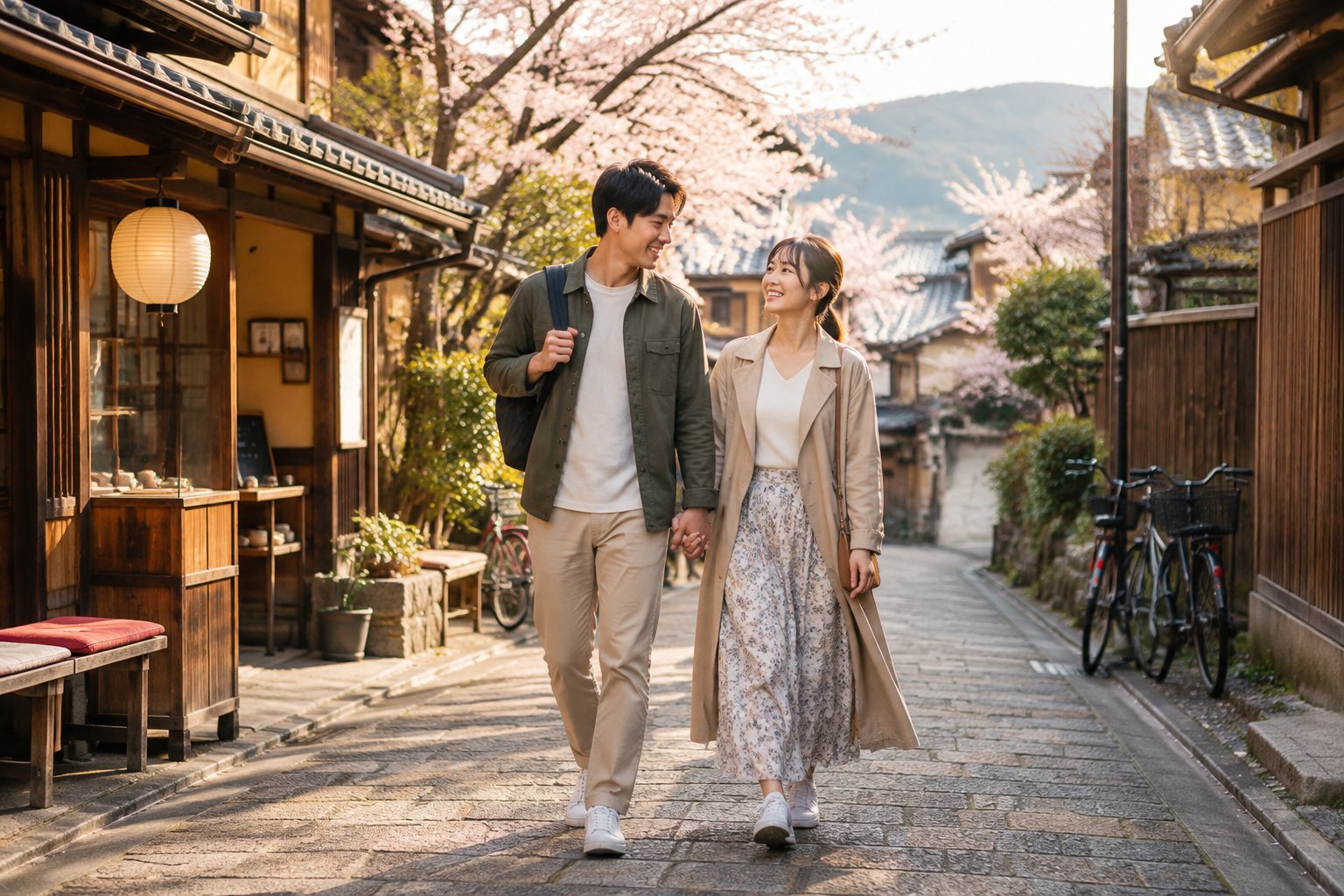
You can lower the cost by traveling during a shoulder season, booking trains and rooms early, and choosing free sights such as shrines, gardens, river walks, and neighborhood markets. The best cheap honeymoon destinations in Japan also include Kanazawa, Hiroshima, Kinosaki, and parts of Kyushu, where your money can stretch further than in the most famous city centers.
For more inspiration, browse these honeymoon destinations in Japan and choose the route that matches your travel style and budget.
What Does a Budget-Friendly Japan Honeymoon Cost?
A budget-friendly Japan honeymoon for two costs about $3,500 to $6,500 for 7 to 10 days, excluding international flights. Your total shifts with the season, hotel style, rail travel, and the number of premium meals you choose.
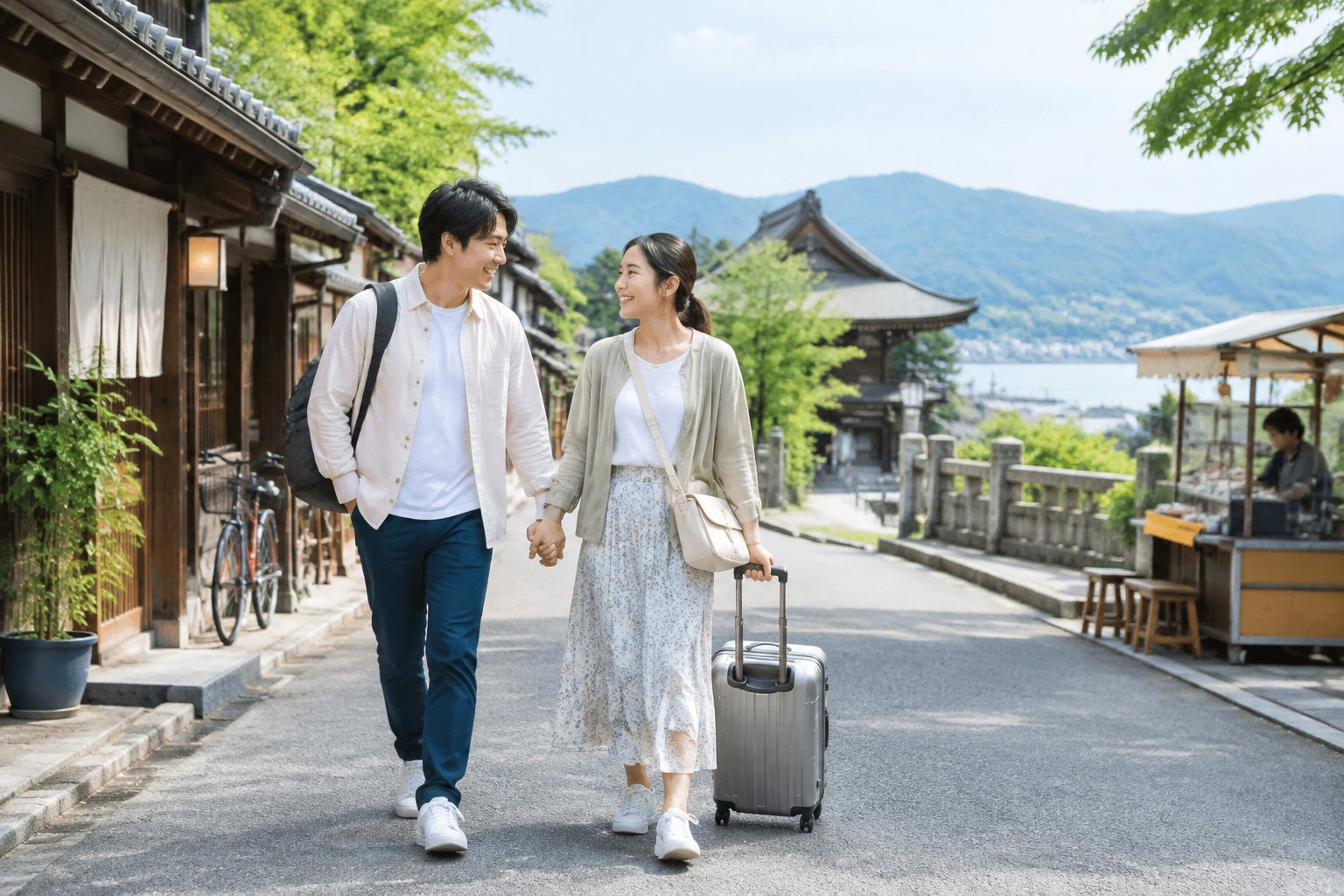
A thoughtful Japan honeymoon budget gives you room for one memorable splurge while keeping daily costs steady through casual dining, compact hotels, and free attractions. A ryokan stay with dinner and breakfast can replace a separate restaurant night, while local trains and buses help control transport costs.
Realistic Daily Costs for Two
| Category | Budget range for two per day |
|---|---|
| Hotel or simple ryokan | $90–$220 |
| Food and drinks | $50–$120 |
| Local transport | $15–$45 |
| Attractions and small activities | $20–$80 |
| Estimated daily total | $175–$465 |
Hostels with private rooms, business hotels, and small guesthouses offer useful savings. A traditional inn may cost more than a basic hotel, yet its tatami room, breakfast, and dinner can make the price easier to justify.
Where to Splurge and Where to Save
Choose one or two high-value splurges, such as a luxury ryokan, private onsen, kaiseki dinner, or omakase meal. Place those nights in Hakone, Kinosaki, or a quieter countryside destination where the stay itself becomes the main experience.
Save by eating breakfast from a bakery or convenience store, visiting markets for lunch, and choosing neighborhood restaurants for Japanese cuisine. Free temple grounds, city viewpoints, walking districts, and public gardens create romantic days with little admission cost.
How to Build a Japan Honeymoon Budget
Start with your fixed costs:
- International flights
- Hotels and ryokans
- Intercity trains
- Travel insurance
- Airport transfers
Then set a daily allowance for food and activities. Reserve a separate splurge fund for one special dinner, a private bath, or a photography session. Keep a small cash reserve for local shops, temple offerings, lockers, and rural buses.
Best Value City and Culture Stops for Couples
Kyoto, Tokyo, Osaka, Kanazawa, Hiroshima, and Miyajima give you the strongest mix of romance, culture, food, and manageable costs. Each stop offers memorable experiences that do not require a luxury hotel or private tour.
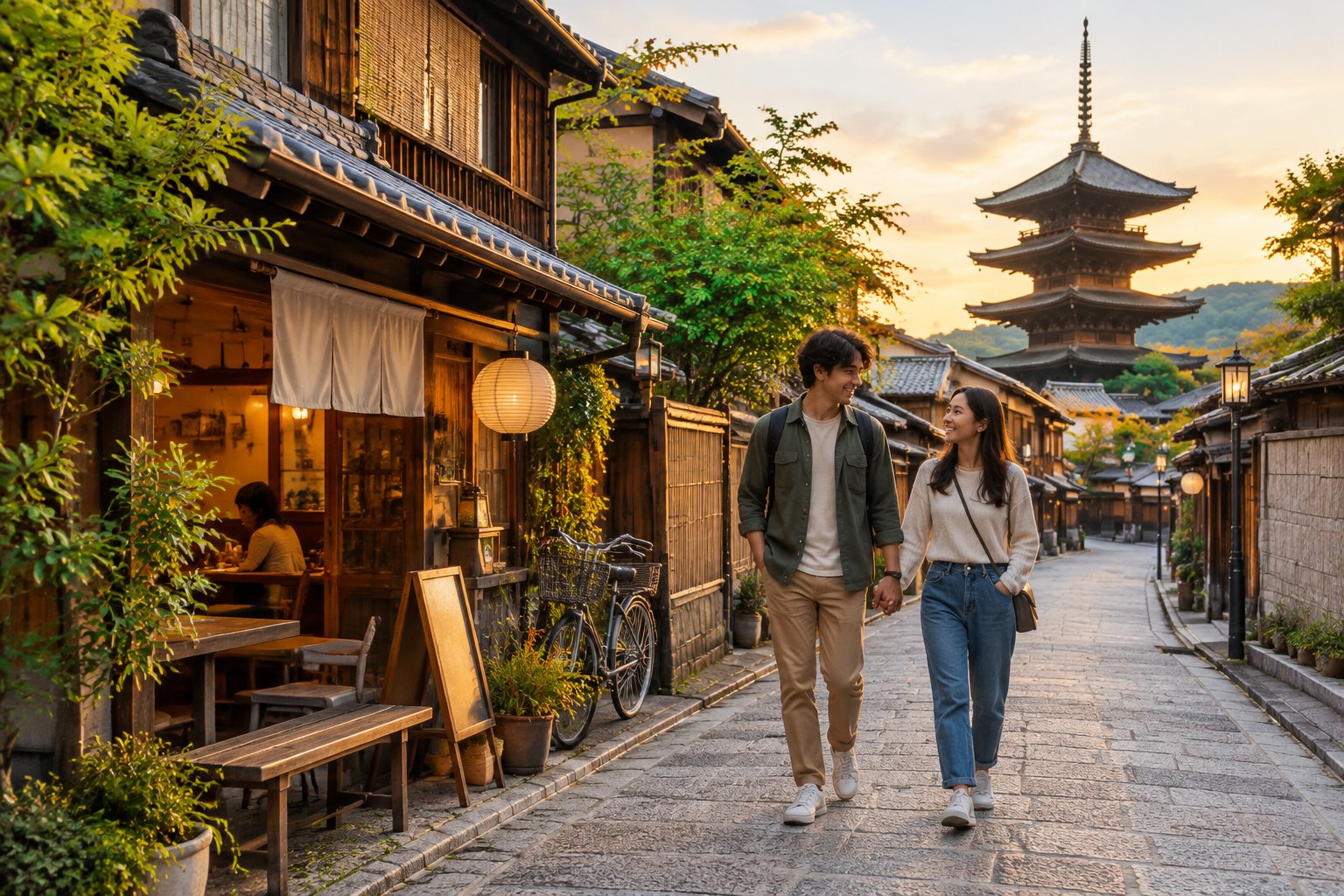
You can keep city days affordable by staying near a train or subway station, grouping nearby sights, and using parks, markets, and neighborhood walks as the backbone of your plans. Book premium experiences for one evening and leave space for slow exploring.
Kyoto for Traditional Romance on a Moderate Budget
Kyoto gives you classic romantic places in Japan, including Gion, Higashiyama, and the lantern-lined streets around its old machiya homes. Walk early through Fushimi Inari Shrine, then explore Nishiki Market for small bites and local sweets.
Arashiyama Bamboo Grove is best before the busiest hours. A walk beside the river, a visit to a Shinto shrine, or an evening stroll through Pontocho gives you atmosphere without a costly ticket. The geisha district of Gion rewards respectful, quiet walking.
Stay outside the most expensive central blocks, near a subway or rail stop. A small guesthouse or business hotel gives you more room in the budget for a tea experience, kimono rental, or special dinner.
Tokyo for Food, Views, and Flexible Hotel Rates
Tokyo works well for couples who want variety. Explore Shibuya Crossing, Harajuku, Shinjuku, and Ginza across separate days, then use the city’s train network to return to a hotel in a less costly neighborhood.
Free observation areas and riverside walks balance paid attractions such as teamLab or Tokyo Skytree. A room with a skyline view at Aman Tokyo is a luxury choice, while compact hotels near Ueno, Asakusa, or Shinagawa help reduce lodging costs.
Choose ramen, conveyor-belt sushi, izakaya meals, and department-store food halls for affordable date nights. Tokyo’s dining range lets you enjoy memorable food without booking a high-end restaurant every evening.
Osaka for Affordable Date Nights and Street Food
Osaka delivers lively evenings at a lower daily cost than many luxury-focused honeymoon stops. Walk through Dotonbori, sample takoyaki, and explore Umeda’s shopping and observation areas.
A hotel near Namba or Umeda keeps restaurants and trains close. Universal Studios Japan suits couples who enjoy rides and themed entertainment, though you should treat admission as a planned splurge. For a lower-cost evening, browse covered shopping streets, visit a neighborhood izakaya, or share small plates around Dotonbori.
Kanazawa for Quieter Heritage and Garden Walks
Kanazawa, known as “Little Kyoto,” gives you preserved culture with a calmer pace. Walk through Higashi Chaya, where wooden teahouses create an elegant setting for a morning stroll, then visit Kenroku-en Garden.
The city’s markets and craft shops add interest without requiring a full-day tour. Choose a small hotel near the station or a traditional guesthouse near the historic districts. Kanazawa suits couples who want heritage streets, regional seafood, and garden scenery without Kyoto’s peak crowds.
Hiroshima and Miyajima for Meaningful Scenery
Hiroshima combines history with waterfront walks and broad public spaces. Visit Peace Memorial Park, then travel to Miyajima Island for temple views, forest paths, and the floating torii gate.
Miyajima makes a memorable day trip or one-night stay. Booking a room on the mainland can lower costs, while an early ferry lets you enjoy the island before the busiest periods. Bring a picnic or choose a casual local restaurant to keep the day affordable.
Affordable Onsen, Nature, and Beach Escapes
Hakone, Kinosaki, Kyushu, Okinawa, and Yakushima let you add hot springs or coastal scenery without making your entire honeymoon a luxury retreat. Choose one nature escape and limit it to one or two nights so transport and lodging stay under control.
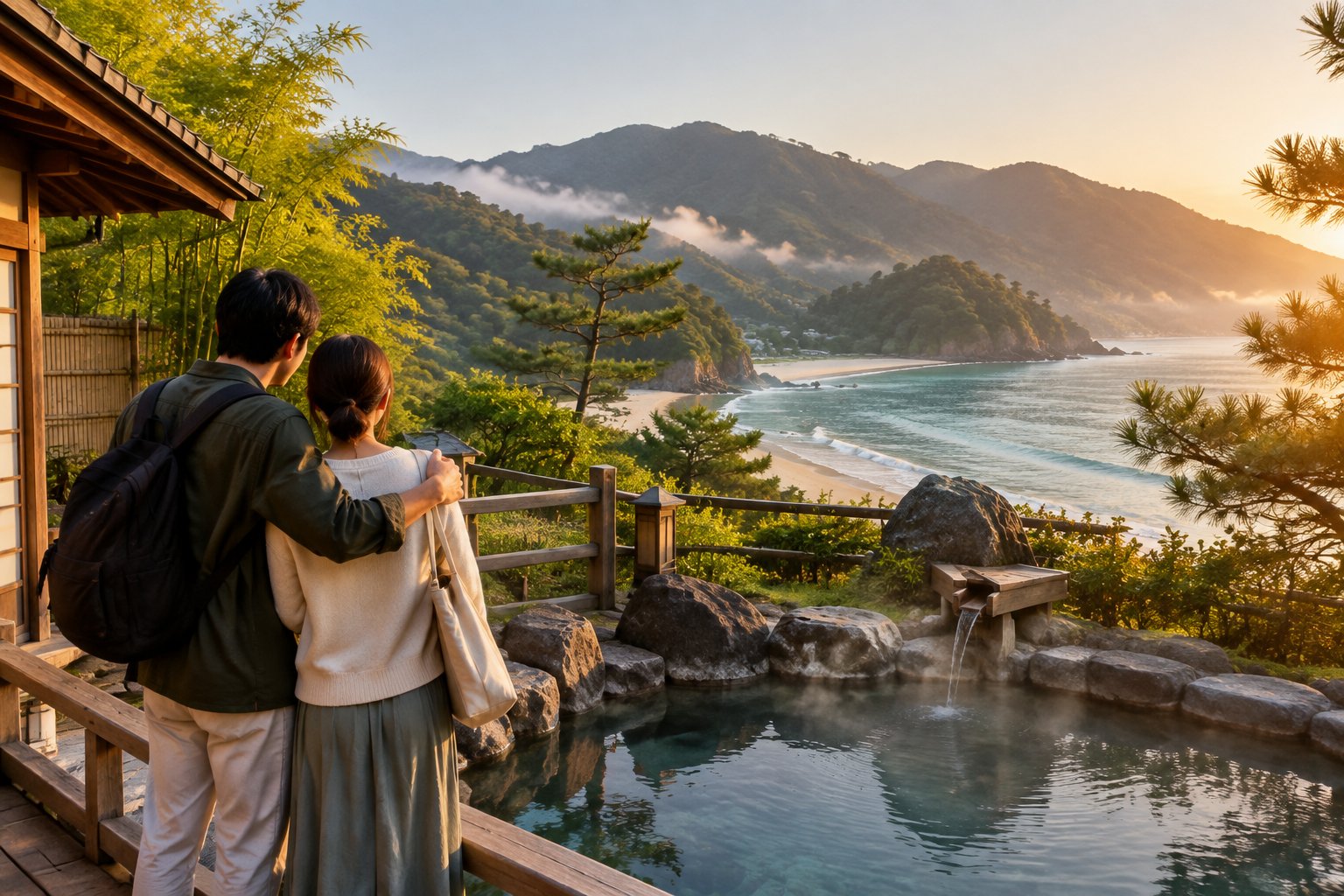
An affordable onsen plan focuses on location, meal inclusions, and bath access. A traditional room with shared baths can provide the atmosphere of a high-end stay at a lower rate, while a private bath adds romance when the price fits your budget.
Hakone for a One-Night Ryokan Treat
Hakone is an easy add-on from Tokyo and a strong choice for one special ryokan stay. Ride the Romancecar Express, cruise across Lake Ashi, and use the Hakone Ropeway to reach Owakudani when conditions allow.
A one-night stay keeps the splurge contained. Hakone Ginyu offers a high-end example of the area’s private-bath style, while smaller inns provide tatami rooms and public hot springs at lower rates. Look for a plan with dinner and breakfast included so you can compare the full nightly cost.
Clear weather can bring views of Mt. Fuji, Mount Fuji, or Mt Fuji depending on your route and viewpoint. Build in flexible sightseeing time because mountain weather changes quickly.
Kinosaki for Yukata Evenings and Hot Springs
Kinosaki creates a romantic rhythm around its public hot springs. Stay in a ryokan, wear the provided yukata, and walk between bathhouses along the willow-lined canal.
A traditional inn package with meals gives you a contained evening experience. Compare meal plans carefully, since dinner style and bath access affect the value. Kinosaki is best for couples who want a slow town stay with little local transport after arrival.
Kyushu for Regional Onsen and Craft Towns
Kyushu offers hot springs, coastal scenery, and regional food across a wide area. Arita appeals to couples interested in ceramics, while Miyazaki adds warm coastal landscapes and relaxed walks.
Choose one base to avoid expensive transfers. Smaller onsen towns can offer open-air baths and traditional lodging at accessible rates. If you want a quiet beach finish, check seasonal transport and hotel availability before adding a distant coast.
Okinawa and Yakushima for a Nature-First Finish
Okinawa suits a beach-focused honeymoon with swimming, snorkeling, and sunset walks. A guesthouse or small hotel helps control the cost, while a resort night can serve as your final splurge.
Yakushima gives you forest trails, coastal views, and a more rugged setting. Plan extra transport time and pack for changing weather. Snow onsen in northern regions, Nikko, Tohoku, Sapporo, Shirakawa-go, and Kamakura offer other nature-led choices when beaches do not fit your season or route.
How to Plan a Low-Cost Romantic Route
A low-cost Japan honeymoon itinerary works best when you group nearby cities, limit long-distance transfers, and schedule one major experience per day. The shinkansen makes fast routes possible, while local trains and buses keep shorter journeys affordable.
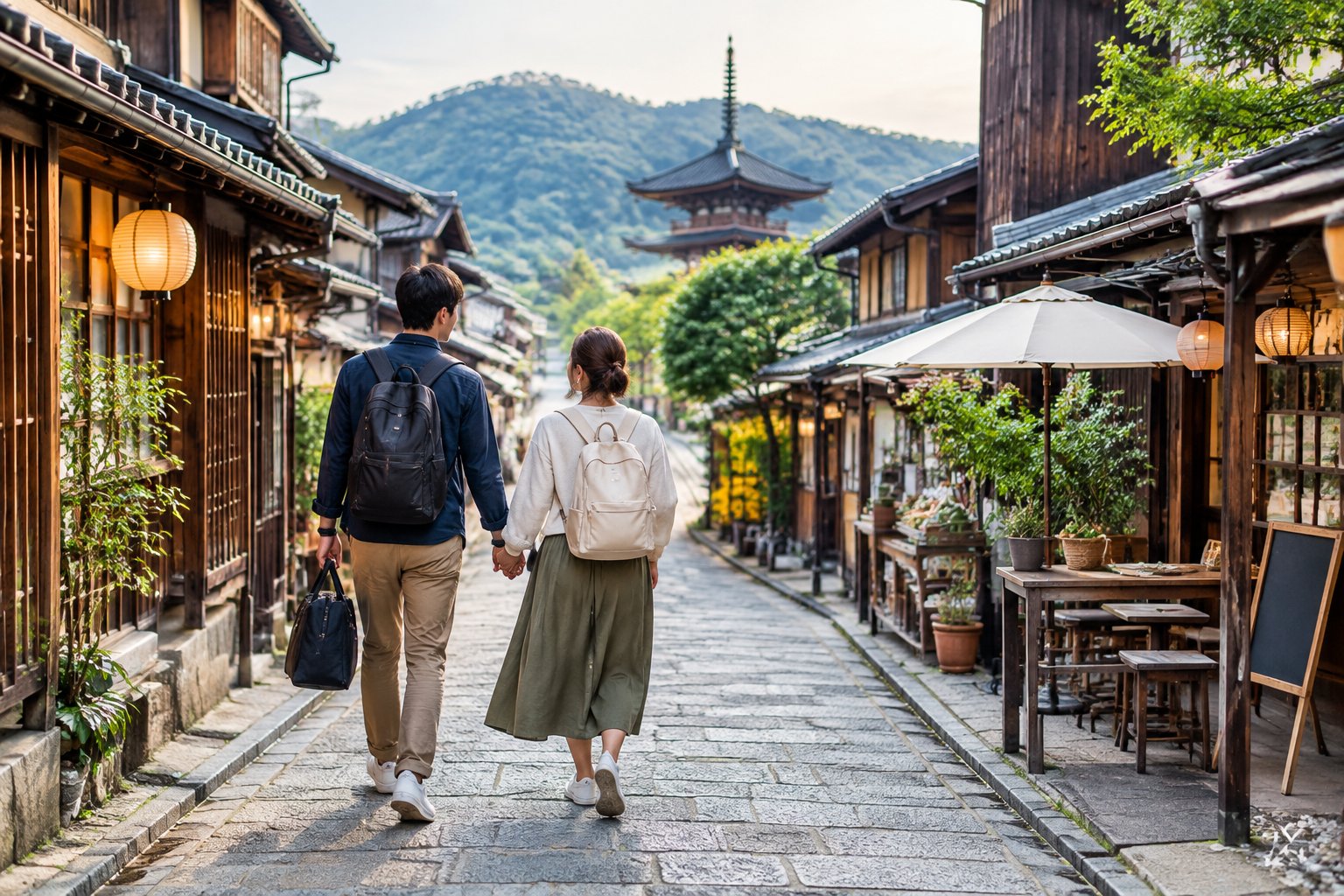
Build your route around arrival and departure airports. Reserve popular lodging first, then price rail tickets and activities. Leave open time for weather, rest, and the small discoveries that make Japan travel feel personal.
A 7-Day Tokyo, Hakone, and Kyoto Itinerary
- Days 1–3: Tokyo: Explore Asakusa, Shibuya, Harajuku, and Shinjuku. Choose one paid view or teamLab visit.
- Day 4: Hakone: Travel from Tokyo, enjoy Lake Ashi or the Hakone Ropeway, and stay one night in a ryokan.
- Days 5–7: Kyoto: Visit Fushimi Inari, Higashiyama, Gion, Nishiki Market, and Arashiyama. Depart from Kansai International Airport if your flights allow.
This route keeps the experience varied while limiting hotel changes. Use a business hotel in Tokyo and Kyoto, then place your accommodation splurge in Hakone.
A 10-Day Kansai, Hiroshima, and Kanazawa Itinerary
- Days 1–4: Kyoto: Add Nara as a day trip for Todai-ji and Naramachi.
- Days 5–6: Osaka: Enjoy Dotonbori, Umeda, and a food-focused evening.
- Days 7–8: Hiroshima and Miyajima: Visit Peace Memorial Park and spend time on Miyajima Island.
- Days 9–10: Kanazawa: Walk Higashi Chaya, visit Kenrokuen Garden, and explore the markets.
A private guide fits couples who want deeper cultural context, though self-guided walks keep this route less expensive. Choose it for one half-day if you want personal insight without paying for daily guidance.
When a JR Pass or Japan Rail Pass Is Worth It
Price a nationwide JR Pass against individual tickets before buying. The pass becomes more useful when your route includes several long shinkansen journeys, such as Tokyo to Kyoto, Hiroshima, and Kanazawa within the pass period.
Regional passes can fit a tighter route. Check the current price, coverage, seat rules, and validity dates through official rail information before purchase, since pass options change.
How to Use the Shinkansen Without Overspending
Book reserved seats for long journeys during busy travel periods and use ordinary cars for everyday trips. Travel outside major holiday weeks when your dates allow, and compare the cost of a direct ticket with any pass.
Avoid adding a faraway city for one attraction. A slower local train, overnight stay, or nearby day trip can reduce both transport cost and packing time. Use station lockers when you have a long layover between hotels.
When to Go for Lower Prices and Better Availability
Late autumn, winter outside holiday periods, and selected shoulder-season weeks offer the best balance of lower prices, comfortable sightseeing, and romantic experiences. Cherry blossom season brings special scenery, while winter rewards you with quieter streets and cozy onsen stays.
Your best time for a Japan honeymoon depends on the experience you value most. Check hotel calendars, flight prices, and regional weather before fixing a route.
Is Cherry Blossom Season Worth the Higher Cost?
Cherry blossoms and hanami create a beautiful setting, yet late March and early April bring high demand in Tokyo, Kyoto, and Osaka. Bloom dates shift by region and year, so you should avoid building an expensive trip around one exact day.
If sakura is your priority, book cancellable rooms early and consider a smaller city with local parks. Visit famous viewing areas early in the morning, then spend afternoons in less crowded neighborhoods.
The season can justify the extra cost when blossom scenery is central to your honeymoon plans.
Why Autumn Foliage Is a Strong Value Alternative
Autumn foliage lasts longer than many cherry blossom displays and suits walking-heavy itineraries. Kyoto, Nikko, Kanazawa, and mountain onsen towns offer colorful scenery from mid-October into December, with timing varying by elevation.
Book early for peak color in famous areas, then save through a weekday stay or a smaller city base. Clear air and comfortable walking weather make autumn a practical choice for temple visits, gardens, and food tours.
How to Plan a Winter Honeymoon Around Onsen
A winter honeymoon works well when you build the trip around warmth. Stay in a ryokan with a rotenburo, reserve a private bath when available, and choose a town where you can walk between lodging and dinner.
January and February often bring lower demand after the New Year period, though ski areas and holiday dates follow their own pricing. Kinosaki, Hakone, Kyushu, and snow onsen destinations offer different versions of a cozy winter escape.
Booking Tips for Romantic Experiences on a Budget
Reserve high-demand experiences as soon as your dates are firm. A private tea ceremony, kimono rental, private cooking class, or food tour can fill quickly in Kyoto and Tokyo.
Choose one paid experience per city and pair it with free activities. A market breakfast, garden walk, neighborhood photography stroll, or riverside evening gives you time together without adding another reservation. For four seasons Kyoto planning, compare weekday dates and stay just outside the busiest sightseeing streets.