
Cheap Videography for Wedding: How to Save Without Regret
A cheap videography for wedding package can still preserve your vows, speeches, laughter, and first dance with care. The safest way to save is to reduce coverage hours and extra deliverables while protecting clear audio, steady footage, and the moments you will want to revisit.
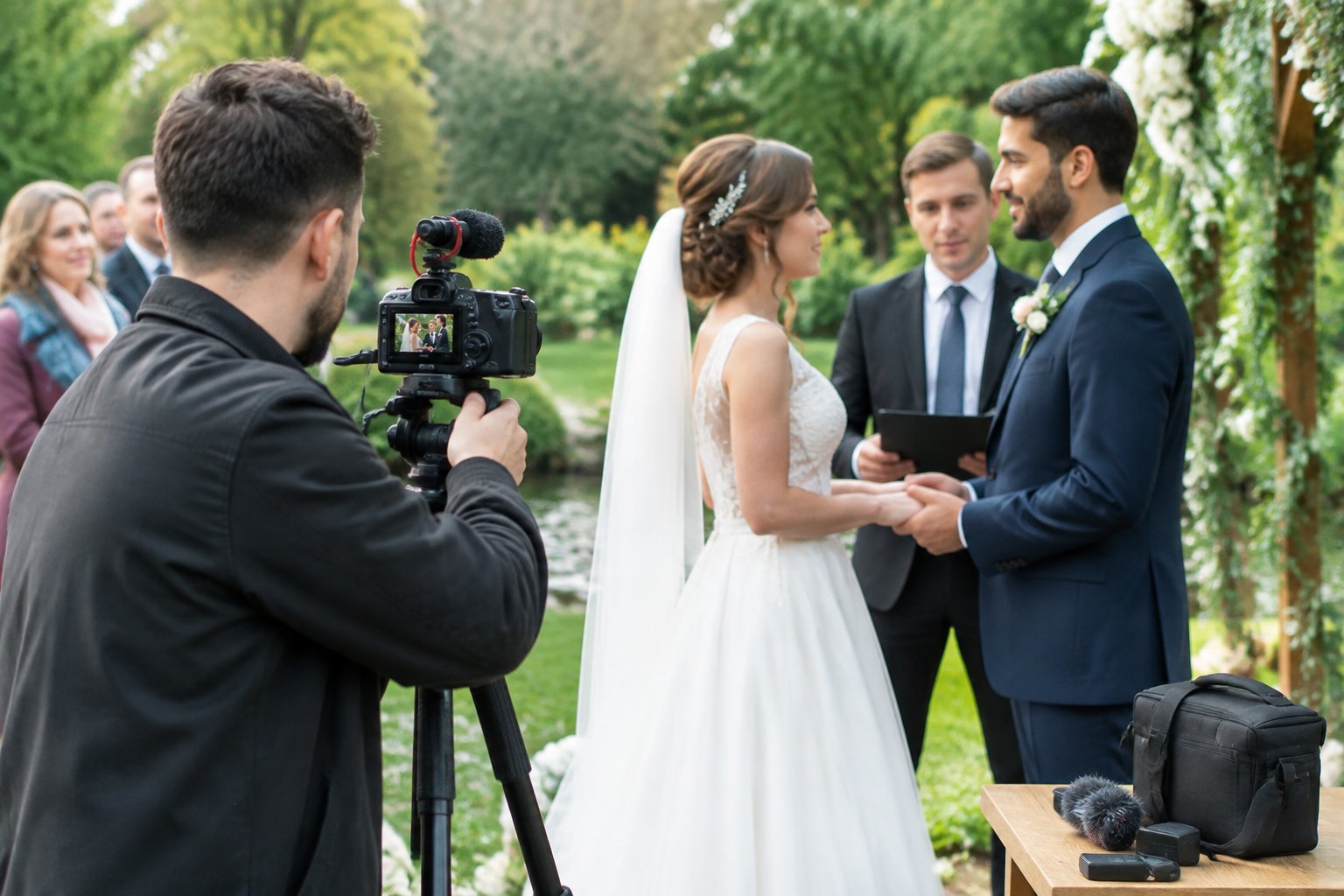
National wedding videography prices range widely. Recent estimates place average spending from about $2,300 to nearly $4,000, while entry-level packages can fall near $800 to $1,500. Your location, date, coverage time, team size, editing style, and final wedding video all shape the quote.
Start by deciding which memories deserve professional coverage. Then compare complete packages, protect the audio, and read the contract before paying a deposit. That approach lets you contact affordable wedding videographers with a clear budget and realistic expectations.
What Can You Expect to Pay for Budget-Friendly Coverage?
Budget-friendly wedding videography often costs about $800 to $1,500 for basic professional coverage, while broader packages can reach $2,300 to $4,000 or more. Local demand, coverage hours, and the finished video format create the biggest price differences.
Why Wedding Videography Prices Vary So Widely
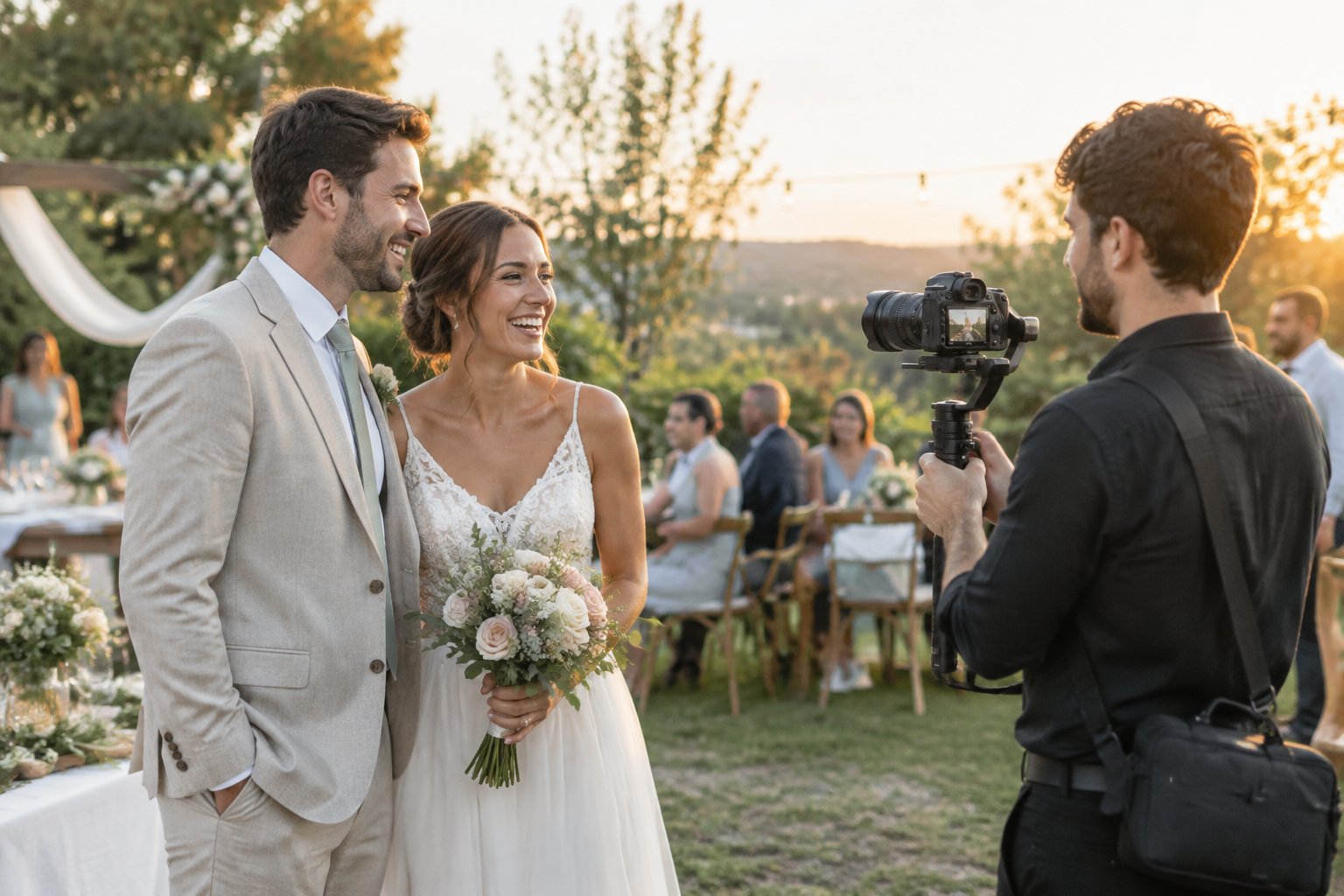
A wedding videographer charges for more than time at your venue. Your quote also includes planning, equipment, travel, file management, editing, music licensing, and delivery.
A basic package may include one professional with four to six hours of coverage and a short highlight reel. A higher-priced package may add six to eight hours, a second shooter, multiple cameras, full ceremony and toast edits, color correction, and faster delivery.
Location changes the local rate as well. Major cities and high-cost regions often charge more than smaller markets. Travel, parking, lodging, overtime, rush delivery, and extra revisions can also increase the final invoice.
Ask each vendor to separate the base package from add-ons. That makes a $1,200 quote easier to compare with a $1,500 quote that includes more editing or longer coverage.
Which Parts of the Day Are Worth Filming First
Protect the ceremony audio, vows, ring exchange, first kiss, reception speeches, and first dance. These moments carry movement and sound that wedding photos cannot preserve.
If funds are tight, start coverage before the ceremony so you capture the processional and ceremony in full. Add the first dance and key toasts if your schedule allows. Getting-ready footage, cocktail hour, open dancing, detail shots, and the final exit can follow when your budget has room.
Give your videographer a priority list with names, surprises, and any cultural traditions. A clear timeline helps one person work efficiently and avoid missed moments.
How to Set a Realistic Video Allowance
Set a fixed amount in your wedding budget before requesting quotes. A useful starting point is around 8% of the total budget, then adjust it based on how much you value motion and sound.
Write down your required coverage, preferred style, final video length, and maximum price. Keep a small reserve for travel or one extra hour, since reception timelines can run late.
Compare quotes by matching the same details:
- Coverage hours
- Number of videographers
- Audio equipment
- Edited films included
- Raw video footage
- Delivery time
- Overtime and travel fees
A lower quote becomes risky when it leaves key items vague. Ask for every promise in writing.
Choose the Right Deliverables Before Comparing Quotes
Choose the final videos first, because editing time and file delivery can change the price as much as filming hours. Decide whether you want a short social clip, a story-focused highlight, full event edits, or a combination.
Highlight Trailer vs. Wedding Highlight Film
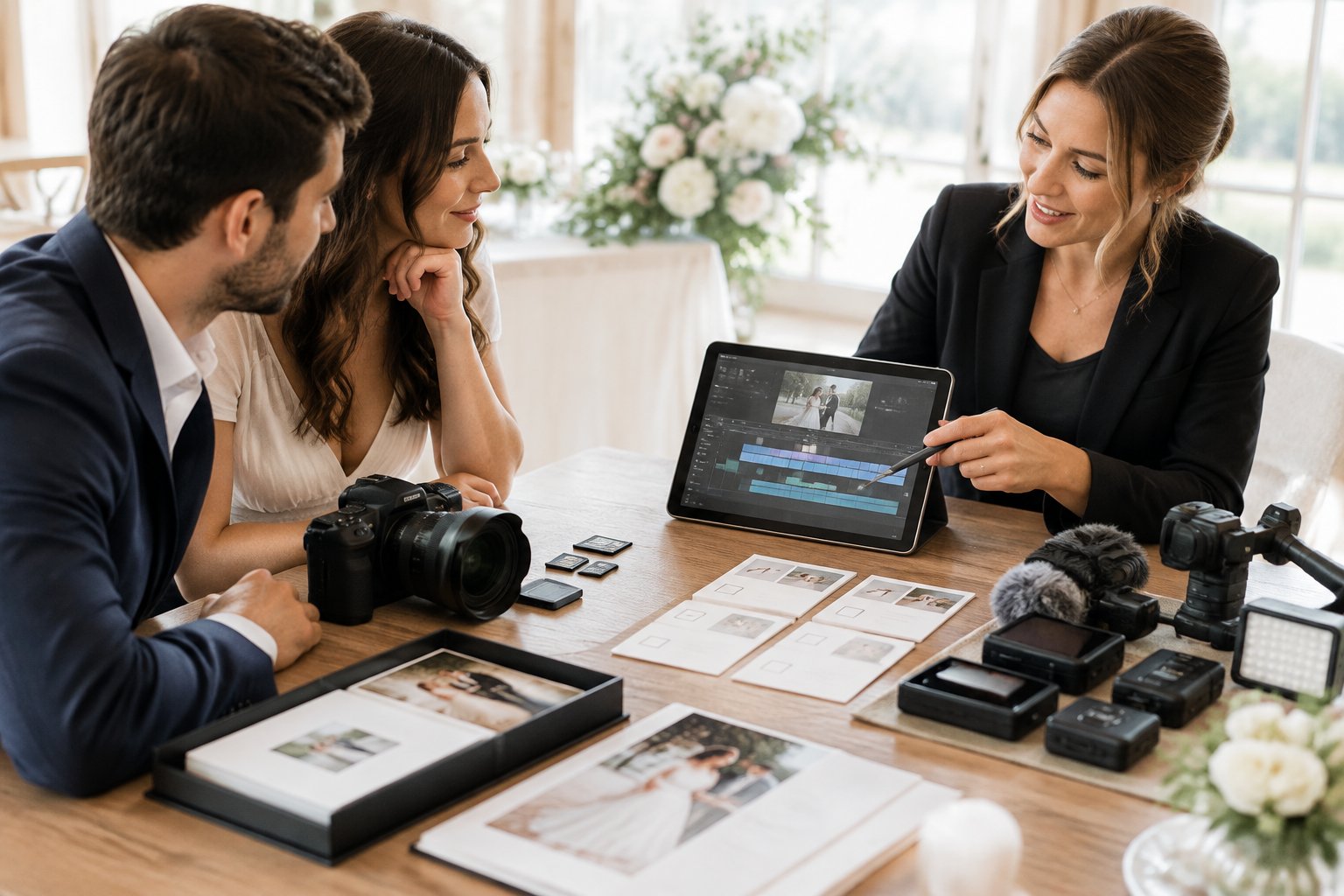
A highlight trailer is a brief teaser designed for quick sharing. It may last 30 seconds to two minutes and use short clips, music, and a few emotional moments.
A wedding highlight film tells more of the day. Many run five to ten minutes and combine vows, speeches, natural sound, portraits, details, and reception footage into a clear story.
Ask to watch complete examples, not only the best 30-second clips. Confirm whether spoken vows and speeches are included or whether the edit uses music over most scenes.
Full Ceremony and Reception Edits
A full ceremony edit preserves the complete processional, readings, vows, ring exchange, kiss, and recessional. A full reception edit can include speeches, dances, cake cutting, traditions, and other planned events.
These edits add recording and post-production time, yet they provide an important record alongside a shorter film. If your budget allows one long edit, prioritize the ceremony and speeches because audio makes those memories valuable years later.
Confirm whether the videographer records continuously or delivers selected segments. Ask how the files will be stored and shared.
Should You Ask for Raw Video Footage?
Ask for raw video footage if you want every usable clip for future personal projects. Raw files require storage and can look flat, shaky, or unfinished because they have not received color correction or storytelling edits.
Some studios include raw footage, while others charge an additional fee or offer a documentary edit instead. Ask about file size, delivery format, storage period, and copyright or personal-use terms.
A polished highlight film is easier to watch and share. Raw footage gives you a wider archive. Choose one based on how you plan to use your wedding films, then put that choice in the contract.
Where to Find an Affordable, Reliable Videographer
Find affordable wedding videographers through local referrals, venue recommendations, film schools, and established directories. A lower price works best when the person can show complete wedding work and explain how they protect your footage.
How to Vet Newer Videographers and Film Students
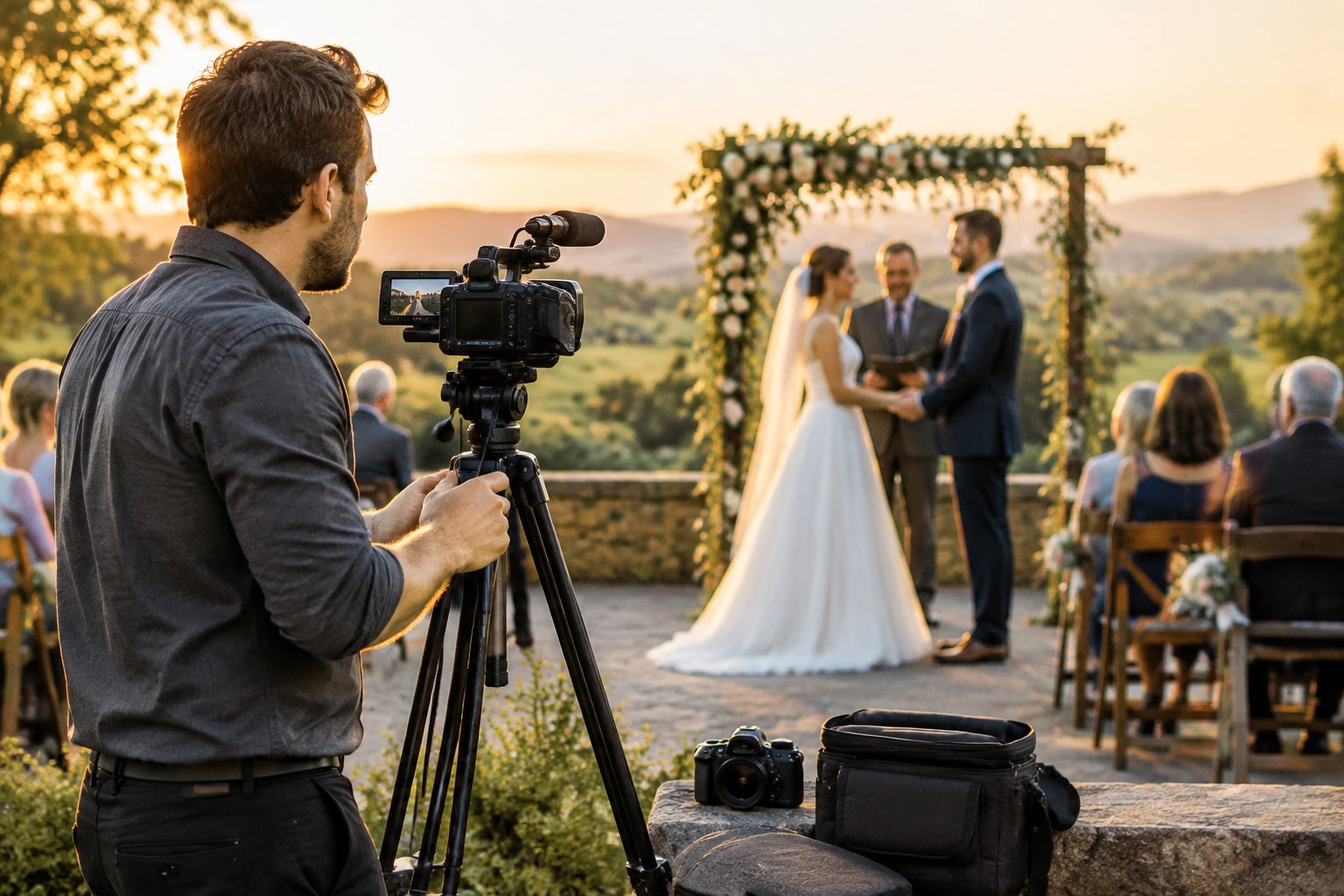
Newer videographers and film students may offer lower rates while building a wedding portfolio. Review full galleries from real events and ask who will film your date.
Discuss their camera plan, audio setup, backup process, editing timeline, and contract. A student with strong preparation can deliver a thoughtful film, while a low quote with no plan exposes your wedding to avoidable risk.
Ask whether they have filmed ceremonies in low light, noisy reception spaces, and outdoor locations. Their answers will show how they handle common wedding conditions.
Using The Knot and WeddingWire Effectively
Use The Knot and WeddingWire to filter vendors by location, price range, style, and reviews. Save several profiles with similar coverage so you compare like with like.
Read recent reviews for details about communication, punctuality, audio, delivery, and how the videographer worked beside the wedding photographer. Send the same short brief to each candidate. Include your date, venue, coverage hours, must-have moments, and target price.
Directory prices may show a starting rate. Request a written quote that lists every included deliverable.
What Portfolios and Reviews Can Tell You
A portfolio shows visual style, camera movement, color work, pacing, and storytelling. Look for clear vows and speeches, steady ceremony footage, natural skin tones, and shots that remain easy to follow.
Reviews reveal the client experience after the wedding. Pay attention to comments about response times, contract clarity, backup plans, and delivery delays.
Ask to see a complete highlight film and a sample ceremony or toast edit. A cinematic wedding video can look impressive in a short montage, while a full sample shows whether the filmmaker can sustain quality across a long event.
What Quality Protections Should Never Be Cut?
Protect professional audio, reliable recording backups, steady camera work, and a clear editing plan. These safeguards affect whether your wedding video remains watchable and meaningful.
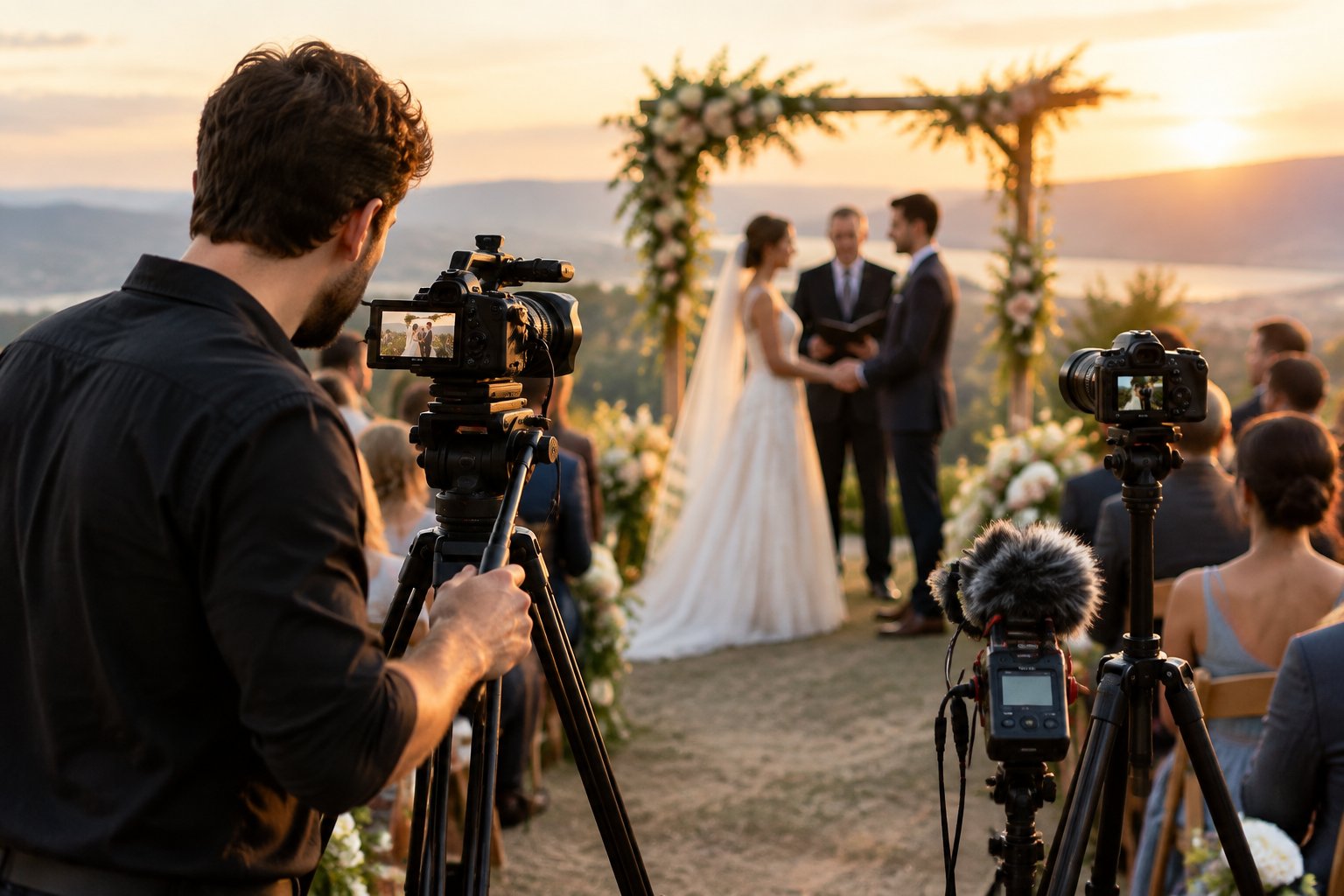
Why Professional Audio Matters for Vows and Toasts
Clear sound gives your film its emotional core. Ask whether the videographer uses an external sound recorder, wireless microphone, camera microphone, or more than one audio source.
A recorder near the officiant or sound system can capture vows and readings. A separate microphone near the couple or speakers adds useful backup audio. The videographer should test levels before the ceremony and confirm how reception music will be recorded.
A wedding DJ can provide a clean feed from the sound system, though room sound still helps preserve applause and laughter. Ask how both sources will be blended during editing.
When Multi-Camera Coverage Makes a Difference
Multi-camera editing helps during moments when reactions happen at the same time. One angle can show the person speaking while another captures your partner, parents, or guests.
A solo videographer can still create strong coverage with careful planning and locked-off cameras. A second camera operator adds flexibility for large venues, wide guest counts, separate preparation rooms, and ceremonies where you want both faces visible.
Ask how many cameras will record the ceremony and who monitors each one. Confirm whether extra camera operators are included in the quoted price.
How Stabilization and Editing Affect the Final Film
Video stabilization keeps walking shots, entrances, and dance-floor movement comfortable to watch. Tripods provide steady views for ceremonies and speeches, while handheld cameras and gimbals support controlled movement.
Editing shapes the story through pacing, color correction, audio mixing, music licensing, and clean transitions. A simple edit can still feel polished when the footage is well exposed and the sound is balanced.
Ask whether the package includes color correction, licensed music, revision rounds, and a defined delivery format. Those details affect the finished cinematic wedding films more than decorative packaging.
Ways to Reduce Costs Without Losing the Moments That Matter
Reduce the price by trimming low-priority hours, comparing bundled services, and adding guest footage to your professional coverage. Keep the parts that require dependable sound, timing, and editing.
Shorten Coverage Hours Strategically
Choose a focused schedule that begins before the ceremony and ends after the first dance or main toasts. This plan can capture the emotional center of the day without paying for every preparation hour or late-night dance.
Ask your videographer to build a custom package around your timeline. Avoid gaps between locations when possible, since travel time can require extra paid coverage.
Off-season dates, weekday weddings, digital delivery, and local vendors may also reduce the quote. Get the savings in writing and confirm that shorter coverage still includes the ceremony in full.
Consider Photography and Videography Bundles
Ask studios that provide wedding photography and videography whether they offer a combined rate. Bundles can reduce coordination work and sometimes lower the combined price.
Compare the bundle with separate wedding photography packages and wedding videography packages. Check whether one team has enough staff to cover both services without forcing one person to split attention.
Discuss how the wedding photographer and videographer will share space during the ceremony, portraits, and reception. Review complete galleries for both services before booking.
Use Guest Clips and DIY Video as a Supplement
Guest clips can add candid views from the dance floor, cocktail hour, and late reception. Ask guests to upload phone videos through a shared link or collect files after the event.
A friend can record casual behind-the-scenes moments while a professional handles vows and speeches. Stationary phones or cameras may also preserve a full ceremony if the venue allows them.
Give helpers a short shot list, spare batteries, and clear instructions. Treat guest footage as extra material, since phone audio, framing, and file quality will vary.
Questions to Ask Before You Book
Ask about the contract, assigned filmmaker, audio plan, deliverables, delivery date, and backup process before you pay. Clear answers help you compare wedding videographers on service and risk, not just price.
What Is Included in the Written Contract?
Confirm the date, coverage hours, location, total price, deposit, payment schedule, overtime rate, travel charges, cancellation terms, and replacement plan. List every wedding video deliverable, including highlight films, ceremony edits, toast edits, social clips, revisions, and raw video footage.
Check who owns the files, how long downloads remain available, and whether music is licensed for personal sharing. Any verbal promise should appear in the signed agreement.
Who Will Film the Wedding Day?
Ask for the name and experience of the person assigned to your wedding. A studio may use an associate videographer, so confirm whether the portfolio represents that person’s work.
Ask how the videographer will coordinate with your photographer, planner, venue, and wedding DJ. Share your timeline, family details, special traditions, and must-have moments before the event.
When and How Will You Receive Your Videos?
Ask for the expected delivery window, file type, download method, storage period, and number of revision rounds. Delivery may take a few weeks or several months, depending on the package and editing workload.
Confirm whether you receive a preview, highlight film, full ceremony edit, reception edit, or raw files. Save the final files in two places after delivery, such as an external drive and secure cloud storage.