
Cheap Wedding Venues Abroad: How to Find Real Value
You can find cheap wedding venues abroad by comparing the full wedding cost, guest travel, and package details together. Affordable destination wedding venues often combine scenic settings with local suppliers and planning support, helping you create a memorable celebration without placing your entire wedding budget on venue hire.
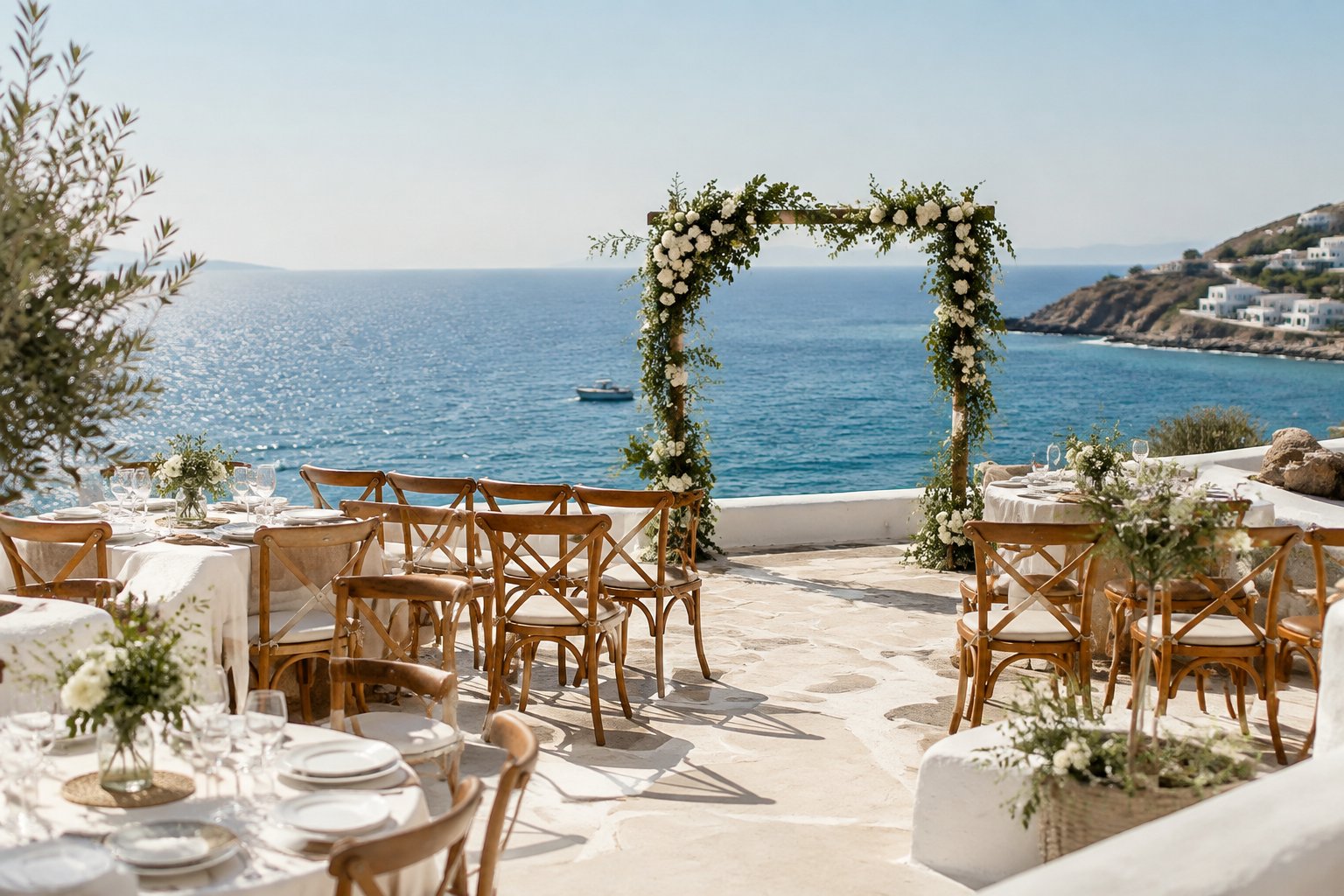
The best value usually comes from a smaller guest list, a shoulder-season date, and a venue package that includes key services such as food, coordination, rentals, and basic décor. A low starting price loses its appeal when taxes, transfers, vendor fees, or accommodation appear later.
Start by setting your guest limit and total budget in US dollars. Then compare three to five destinations with the same checklist. If you want help finding a suitable setting, explore affordable wedding venues abroad and request current prices, dates, and travel details from each venue.
How to Judge Whether a Venue Is Truly Affordable
A destination wedding venue is affordable when its complete cost fits your wedding budget after venue hire, food, travel, accommodation, taxes, and legal paperwork are counted.
A clear quote helps you compare affordable wedding venues fairly. Ask for an itemized price based on your guest count, preferred date, and celebration style. Keep a reserve of 10% to 15% for currency changes, extra transport, added meals, and last-minute choices.

Compare the Full Wedding Cost, Not Just Venue Hire
Build one budget sheet with these categories:
- Venue rental and ceremony setup
- Food, drinks, cake, taxes, and service charges
- Photography, music, flowers, décor, and rentals
- Wedding planner or coordinator fees
- Flights, airport transfers, and guest accommodation
- Marriage paperwork, translations, and local transportation
- Welcome meals, rehearsal dinner, and group activities
Convert local prices into US dollars using a cautious exchange rate. Separate fixed costs, such as venue hire and photography, from guest-based costs, such as meals, drinks, rooms, and transfers.
A venue with a higher starting rate can offer better value when it includes catering, chairs, sound, and coordination. A low hire fee can grow quickly when you add every service separately.
Which Costs Are Commonly Missing From Wedding Packages
Wedding packages often cover the ceremony space, basic flowers, an officiant, dinner, and some coordination. Confirm every detail because package deals can leave out:
- Open-bar upgrades and premium drinks
- Extra photography hours
- Hair and makeup
- Sound equipment, lighting, or power
- Chair, table, linen, and décor upgrades
- Overtime, corkage, and vendor travel
- Taxes and service fees
Ask for the payment schedule, deposit rules, cancellation terms, minimum guest count, and weather plan in writing. Check whether outside photographers, florists, caterers, or musicians are permitted and whether vendor fees apply.
How Guest Count Changes the Wedding Budget
Guest numbers affect food, drinks, seating, rooms, transfers, and event space. A smaller group also gives you access to villas, private dining rooms, and boutique hotels with lower capacity limits.
Set your guest limit before requesting quotes. Compare the fixed venue fee with the cost per guest so you can see how each package performs at your planned size. Share travel and accommodation estimates early, since your guests also need time to decide whether the destination fits their budgets.
Best Value Destinations by Wedding Style
The strongest wedding destinations match your setting, guest count, flight access, local prices, and preferred season. Coastal locations such as Malta and the Riviera Maya suit beach weddings, while the Algarve offers villas and country estates with flexible layouts.
Choose a destination after checking room rates, airport transfers, legal requirements, and supplier rules. A scenic venue loses value when guests face difficult connections or the property requires costly transport and rentals.
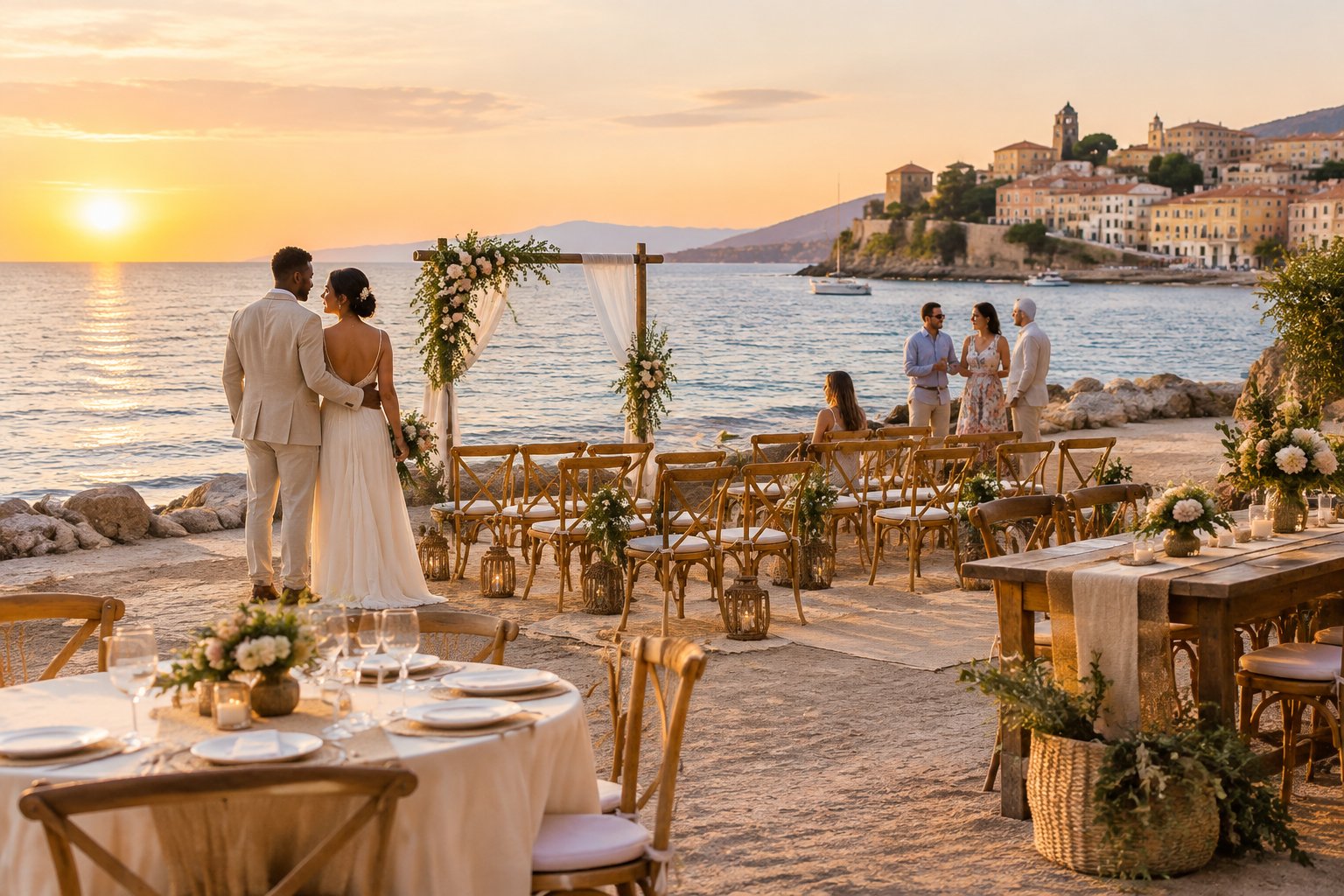
Beach Weddings in Malta and the Riviera Maya
Malta combines sea views, limestone buildings, and short travel distances between ceremony and reception sites. It suits couples who want a coastal setting with historic character and compact guest logistics.
The Riviera Maya offers beachfront resorts, accommodation blocks, and wedding teams familiar with destination celebrations. Ask about resort fees, room requirements, outside-vendor rules, private reception charges, and rain plans before you reserve a date.
Both locations work well for a simple ceremony followed by dinner near the water. Compare the full guest stay, including flights, rooms, transfers, and resort spending requirements.
Villas and Country Estates in the Algarve, Portugal
The Algarve gives you coastal scenery, country estates, villas, and restaurants that suit relaxed celebrations. Portugal can offer strong value for spring and autumn dates, especially when local catering and nearby accommodation fit your group.
Ask whether the venue provides tables, chairs, lighting, kitchen access, staff, cleanup, and sound equipment. A countryside property can require shuttle vehicles and extra rentals when guests stay in different towns.
For a private celebration, compare an exclusive-use villa with a boutique hotel. The villa may offer more privacy and shared accommodation, while the hotel can reduce transfers and simplify room bookings.
Can the Amalfi Coast, Italy, Work on a Smaller Budget?
The Amalfi Coast can work for a smaller wedding when you choose an intimate guest list, a weekday date, and a venue outside the most expensive towns. Its dramatic scenery suits a short ceremony followed by a private meal.
Check food minimums, ceremony duration, photography access, transportation, and accommodation near the venue. Steep roads and limited parking can make guest transfers expensive, so include boats, shuttles, or private cars in your first quote.
You can also compare nearby Italian regions such as Puglia or Tuscany. Vineyards, farmhouses, and historic estates may provide more space for the same budget.
Tulum and Cancun Resort Celebrations
Tulum and Cancun offer resort celebrations with wedding teams, room blocks, ceremony spaces, and reception options. These packages suit couples who want one property to manage most of the guest experience.
Review the package menu closely. Ask about minimum stays, resort fees, private events, premium bars, upgraded flowers, outside vendors, and weather backup spaces. A resort package becomes easier to compare when the venue prices your full group instead of quoting only the ceremony.
All-Inclusive Packages vs. Flexible Venue Hire
An all-inclusive wedding package suits couples who value simple planning and bundled services, while flexible venue hire suits couples who want privacy and control over suppliers.
Your guest count and preferred level of customization should guide the choice. Resorts can reduce coordination work and transport, while villas and boutique venues can offer a more personal setting when you have time to arrange catering, rentals, and local support.

| Criteria | All-Inclusive Package | Flexible Venue Hire |
|---|---|---|
| Planning | In-house team | Couple or planner |
| Services | Bundled | Chosen separately |
| Guest stay | Often on-site | Nearby options |
| Customization | Package-based | High flexibility |
| Cost control | Easier to track | More quote checking |
What an All-Inclusive Wedding Package Should Include
A strong all-inclusive wedding package should list the ceremony space, officiant, seating, food, drinks, cake, basic flowers, reception setup, coordination, and cleanup. It should also state the guest count, event length, taxes, service fees, and payment schedule.
Some packages include a wedding coordinator, photography, music, décor, and a set number of room nights. Ask which services are included at the base rate and which require upgrades.
Confirm whether guests must stay at the resort, whether a room block applies, and whether private reception areas carry an extra charge. Request the complete price for your group before paying a deposit.
When a Villa or Boutique Venue Offers Better Value
A villa or boutique venue offers strong value when your group is small and you want privacy, shared accommodation, or a flexible schedule. You can choose local food, décor, music, and timing to suit your plans.
Review capacity, noise limits, cleaning fees, security deposits, furniture, power supply, kitchen access, and required staff. Ask whether the property allows outside vendors and whether local permits apply.
A boutique hotel can combine guest rooms with reception space. An exclusive-use estate offers more control, though you need to price catering, rentals, lighting, transport, setup, and cleanup as separate lines.
Questions to Ask Before You Pay a Deposit
Ask each venue:
- What is the complete price for your guest count and date?
- Which taxes, service charges, rentals, and staff fees are included?
- Is there a food, drink, room, or minimum-spend requirement?
- Can you bring outside photographers, caterers, florists, or musicians?
- What happens if rain, strong wind, or a venue closure affects the ceremony?
- What are the deposit, installment, cancellation, and refund terms?
- When can setup begin, and when must the celebration end?
Save the quote, contract, package menu, and email answers in one shared folder. Request updated pricing if your guest count or date changes.
Ways to Cut the Cost Without Cutting the Experience
You can plan a wedding abroad on a budget by lowering demand, limiting guest-based expenses, and focusing spending on food, hospitality, photography, and coordination.
These choices preserve the parts guests notice while reducing decorative upgrades and complex logistics. Set your priorities before you book so every quote supports the celebration you want.
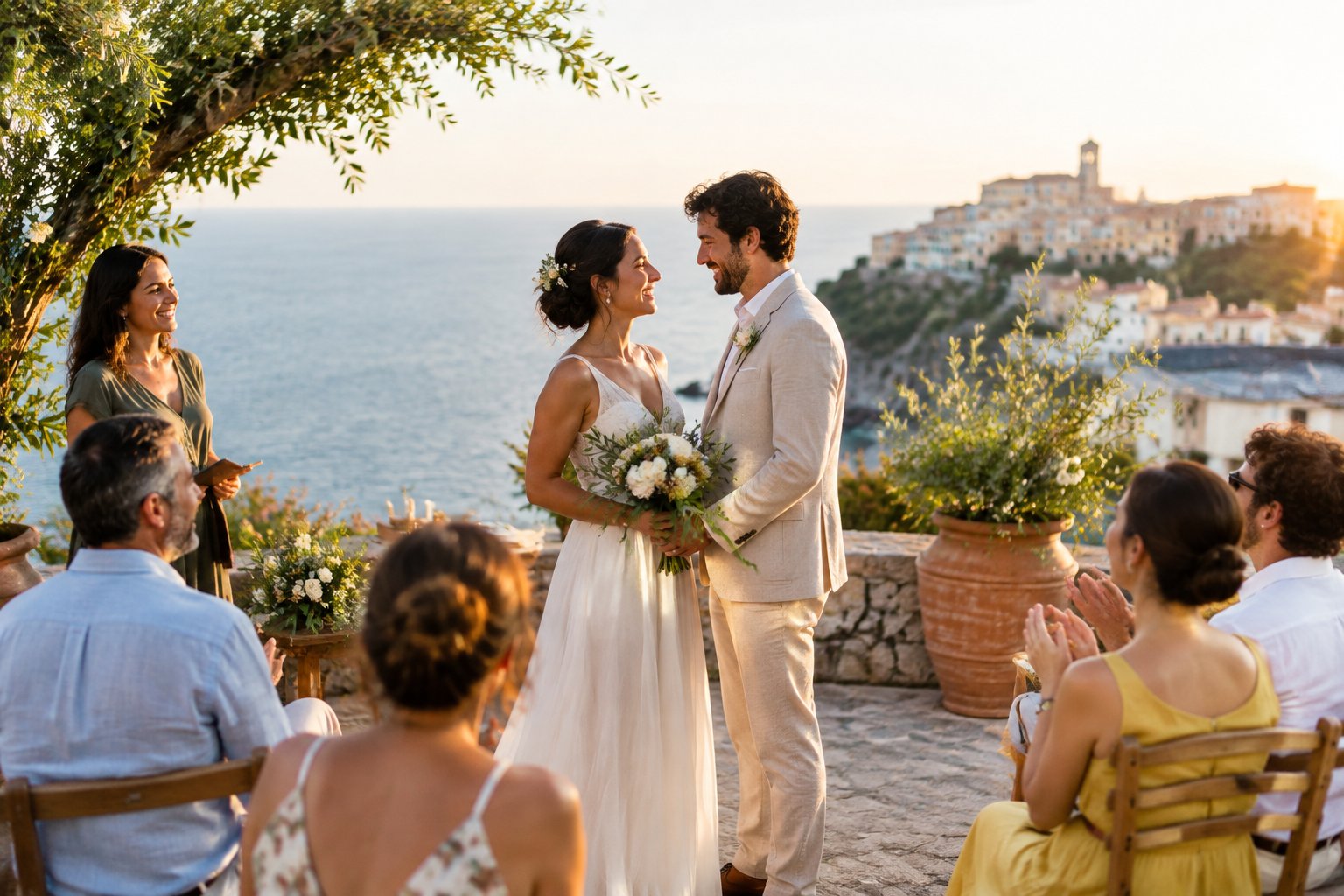
Choose Shoulder Season Dates
Spring and autumn shoulder-season dates can offer lower venue, hotel, and flight prices while keeping suitable weather in many destinations. Ask about weekday, Sunday, and shoulder-season rates.
Check local festivals, school holidays, rain patterns, daylight hours, and flight schedules before choosing a date. A lower venue rate has limited value if guests face expensive rooms or poor flight options.
Ask whether the venue offers flexible payment plans. Confirm the deposit, installment dates, currency policy, final payment deadline, and cancellation terms before you commit.
Keep the Celebration Intimate
A smaller guest list reduces meals, drinks, rooms, transfers, stationery, and ceremony furniture. It also opens more options at private villas and boutique hotels.
Set clear guest rules early and communicate them warmly. You can create a full trip with a welcome meal, ceremony, reception, and shared excursion without adding several large formal events.
Digital invitations and a simple wedding website help guests manage flights, passports, rooms, and local transport with little extra cost. For layout ideas, see these tips for choosing the perfect venue for a small wedding.
Combine the Wedding and Honeymoon
Staying at the wedding destination for your honeymoon reduces another flight and lets you enjoy the setting you already selected. Ask the venue or hotel about extended-stay rates, room upgrades, and private dining.
Schedule quiet honeymoon days after guests leave so you can move from group activities into personal time. Compare the cost of remaining at the property with nearby hotels before making a longer booking.
Plan a Simple Rehearsal Dinner
A rehearsal dinner can be a relaxed local meal, shared table, or casual gathering at your accommodation. Choose a set menu, family-style service, or a nearby restaurant with clear per-person pricing.
Limit extra décor and formal entertainment. Confirm whether service charges, drinks, transport, and room hire are included so the meal stays within its assigned budget.
How to Shortlist and Book With Confidence
You can book a destination wedding venue with confidence after checking the complete quote, legal process, supplier rules, guest logistics, and written contract.
Choose three to five venues that match your guest count, date range, style, and maximum spend. Ask each property the same questions, compare totals in US dollars, and request current pricing before you pay a deposit.
Check Travel, Accommodation and Transfer Costs
Look at direct and connecting flights from the airports your guests use. Compare room rates, minimum stays, resort requirements, parking, airport transfers, and travel time to the venue.
A venue near an international airport can reduce private-car and shuttle costs. If guests stay in several properties, price every transfer between hotels, ceremony sites, reception spaces, and planned activities.
Send guests a clear estimate for flights, rooms, transfers, meals, and optional events. This gives them useful information before they commit.
Review Legal Requirements and Venue Terms
Each country sets its own rules for marriage licenses, residency, documents, translations, witnesses, and permits. Ask the venue or local authorities whether your ceremony will be legally recognized or treated as a symbolic ceremony.
Review the contract for guest minimums, full-property buyouts, setup access, noise limits, end times, exclusivity, weather plans, cancellation terms, and refund conditions. Confirm every promised service in writing.
Check passport validity, visa rules, document deadlines, and certified translation needs early. Legal paperwork can affect both your timeline and your budget.
Use a Specialist When You Need Local Support
A wedding planner or coordinator can help when you need local vendor contacts, language support, legal guidance, site visits, or guest transport planning. Their fee belongs in your first budget comparison.
The Wedding Travel Company can help couples explore weddings abroad, including package options in destinations such as Las Vegas, Rhodes, Cyprus, and Malta. Ask about current package prices, low-deposit options, payment plans, included services, and guest travel arrangements before booking.
If you prefer to research independently, request a live video tour of each destination wedding venue. Ask the coordinator to show the ceremony area, reception space, rain plan, guest facilities, access routes, and setup locations.