
Cheap Wedding Venues for Sale: A Buyer’s Guide
Buying one of the best cheap wedding venues for sale usually means finding an existing event property with legal approvals, usable facilities, and proven booking demand. An operating wedding venue with real estate included suits buyers who want immediate income because it combines a functioning wedding business with a physical asset.
Lower prices often come from smaller markets, leased buildings, older properties, seasonal demand, or sellers who need a quick exit. The purchase price alone tells you little about the true cost.
You also need to review repairs, permits, working capital, future bookings, and the transfer of customer contracts.
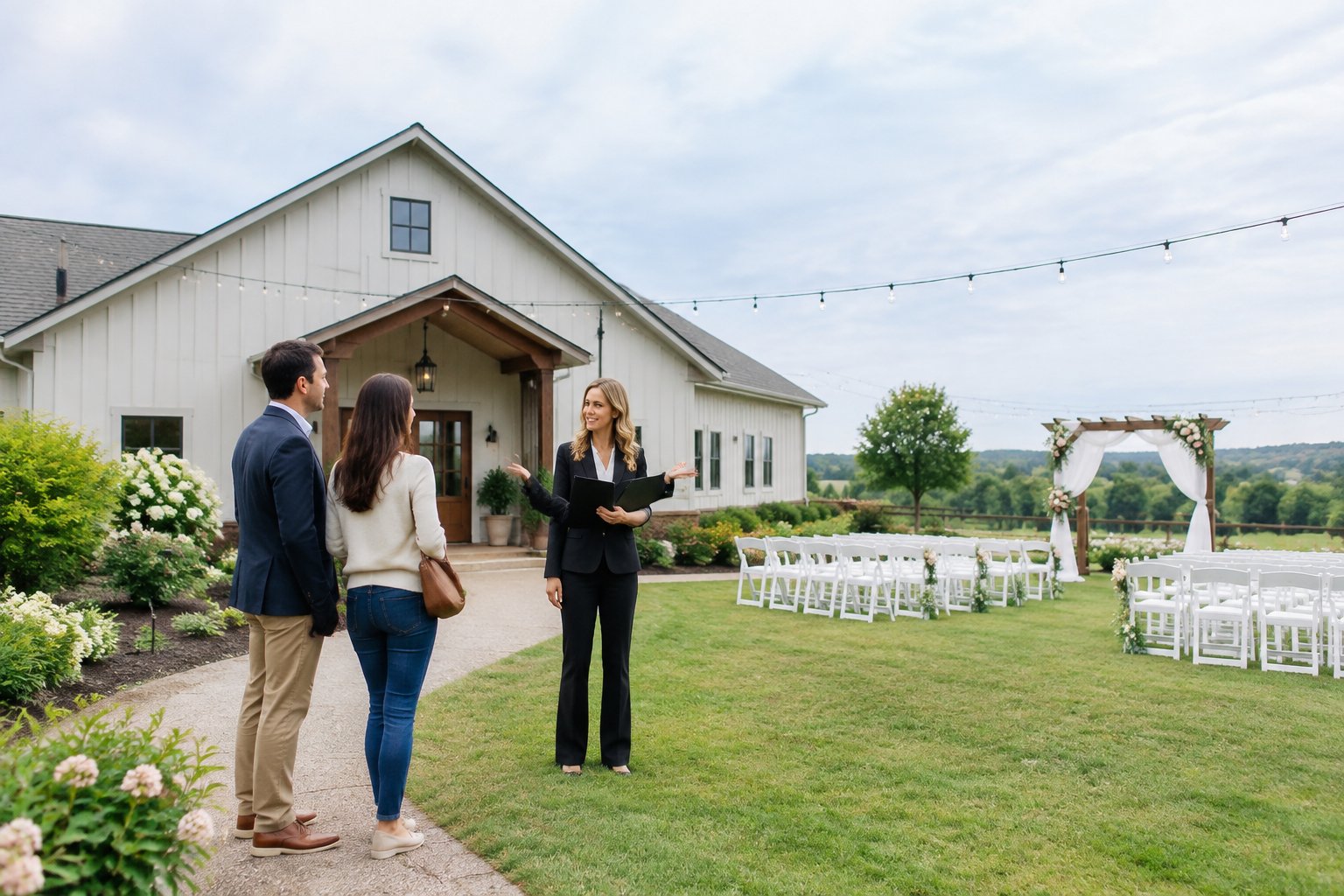
You can compare cheap wedding venue ideas with the features that make a property attractive to couples, then speak with a commercial lender, attorney, accountant, and local zoning office before making an offer.
What Makes a Wedding Venue Affordable?
A wedding venue is affordable when its full acquisition and operating costs fit the expected cash flow, not merely when its asking price looks low. You need to price the building, business, repairs, staffing, permits, insurance, and seasonal working capital together.
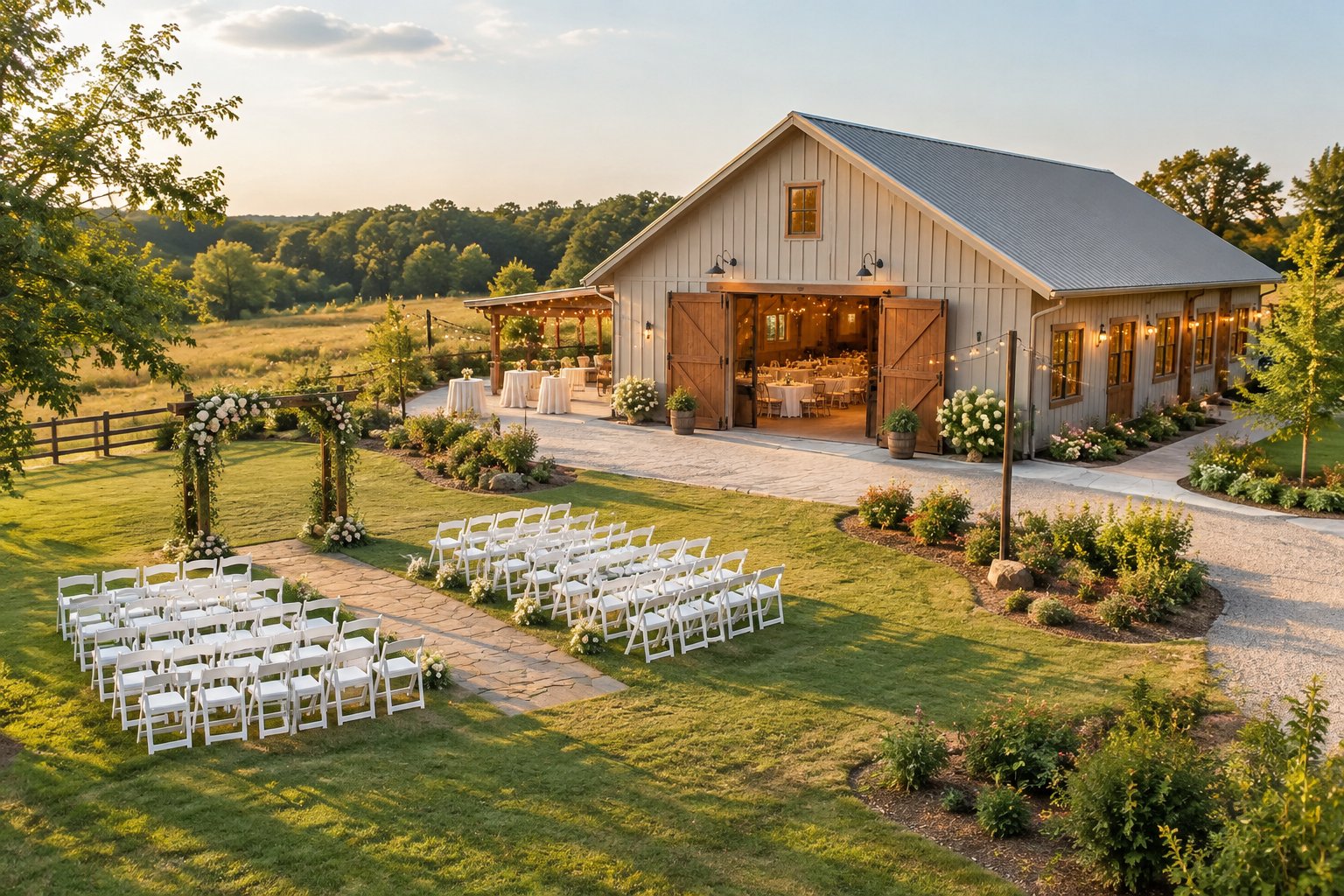
The Difference Between a Low Asking Price and a Low Total Cost
A low asking price can hide major capital needs. An older event space might require new restrooms, electrical work, heating and cooling upgrades, parking improvements, accessibility changes, or fire-safety equipment.
Create a total-cost worksheet with:
- Purchase price
- Business assets and goodwill
- Furniture, fixtures, and equipment
- Inspection, appraisal, legal, and closing fees
- Immediate repairs
- Permits and licensing
- Insurance, taxes, and utilities
- Technology and marketing
- Working capital
- Loan fees and reserves
Compare the projected cash flow with debt payments and your planned salary. A cheap property that needs years of repairs can cost more than a higher-priced turnkey event venue with clean records and active bookings.
Business-Only, Leased, and Real Estate-Included Deals
A business-only purchase transfers items such as the brand, website, customer list, furniture, contracts, and goodwill. You then lease the building, so you need a long lease term, renewal options, assignment rights, and clear responsibility for repairs.
A leased wedding venue can require less cash at closing. It also leaves you exposed to rent increases, property-sale risk, and limits on improvements.
A real estate-included deal gives you control of the site and creates collateral for financing. The price is higher, yet ownership supports long-term planning and gives you the chance to add lodging, ceremonies, private parties, or other revenue sources.
Common Reasons Event Properties Sell Below Market Value
Event properties sell below nearby market prices for several practical reasons:
- The owner is retiring or changing industries.
- Bookings are seasonal or concentrated on Saturdays.
- The property needs code, roof, plumbing, or accessibility work.
- Zoning limits event frequency, hours, music, or alcohol service.
- The venue depends heavily on the seller’s personal reputation.
- The location has weak lodging, transportation, or vendor access.
- The seller wants a fast closing.
- The business has limited marketing or unused capacity.
Ask why the property is for sale, then verify the explanation through tax returns, bank records, booking reports, permits, inspections, and customer contracts.
Where Can Buyers Find Lower-Cost Opportunities?
Lower-cost opportunities appear through business-sale listings, commercial real estate platforms, local brokers, and direct outreach to owners. You should compare the total cost of operating in each market, including labor, insurance, property taxes, permits, travel access, and local demand.
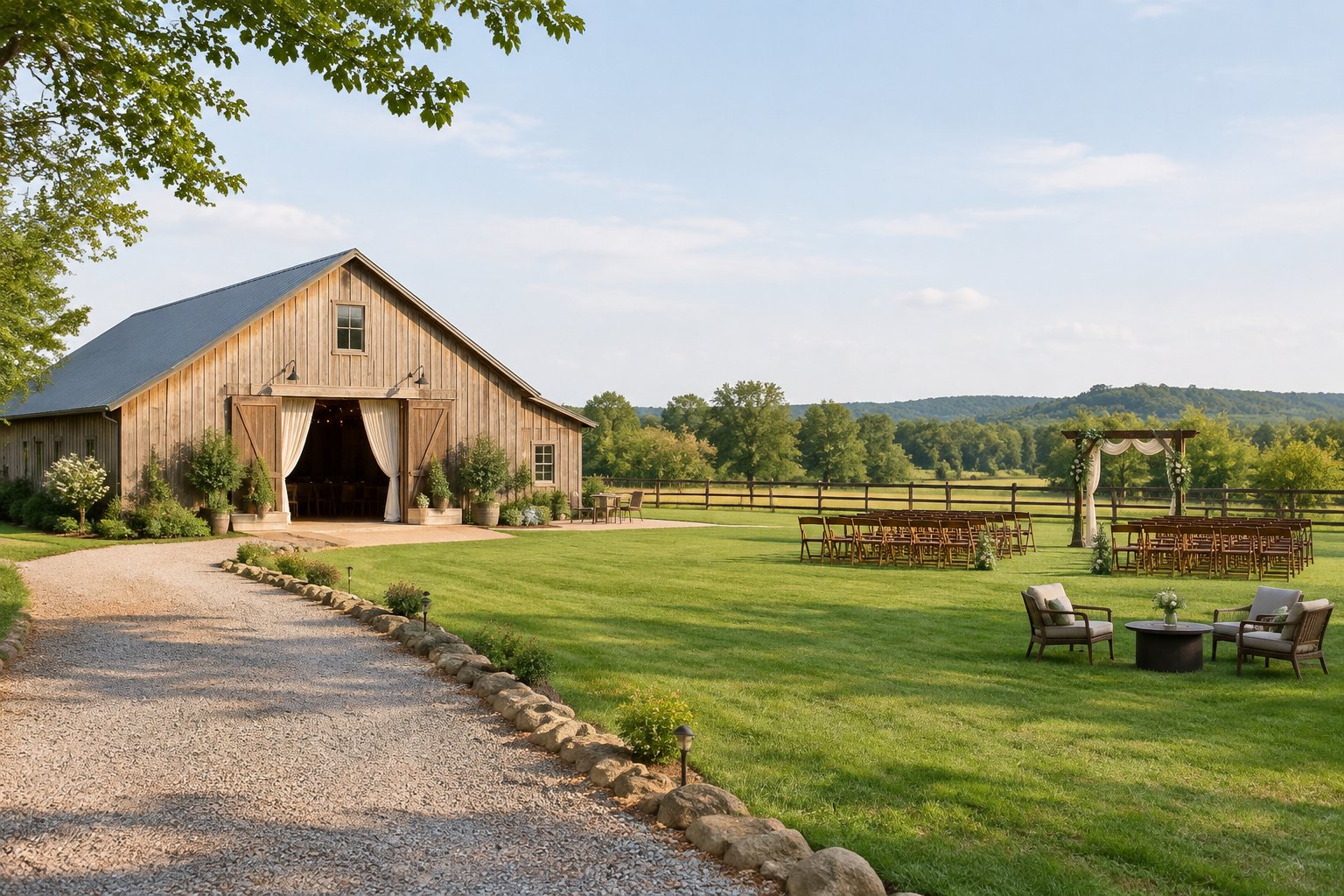
Online Business and Commercial Property Marketplaces
Search both business-for-sale and commercial real estate marketplaces because listings classify similar properties in different ways. Use terms such as:
- Wedding venue
- Event venue
- Banquet hall
- Event center
- Reception hall
- Farm or barn venue
- Historic property
- Hospitality business
- Restaurant with private events
Filter by price, owner financing, included real estate, annual revenue, cash flow, guest capacity, and lease terms. Read every inclusion carefully. A listing might include the building, while another transfers only equipment and contracts.
Request the seller’s financial package before treating a listing price as a serious opportunity. You need revenue by service line, operating expenses, booking volume, deposits held, and outstanding obligations.
Off-Market Leads and Local Broker Networks
Off-market leads can reveal owners who have not posted publicly. Contact commercial brokers, hospitality advisors, event planners, caterers, rental companies, tourism groups, and local economic development offices.
Drive through target areas and note properties with event signage, large parking areas, barns, inns, restaurants, or unused commercial buildings. Send owners a brief letter that explains your interest, experience, preferred location, and ability to review a confidential opportunity.
A local broker can also identify zoning barriers, recent property sales, seasonal demand, and buildings that have changed hands. Keep your request specific so the broker can match you with properties that fit your budget and operating plan.
Markets to Compare Before You Buy
Compare markets by customer demand and operating costs, not by listing price alone. Major cities such as Chicago, Los Angeles, New York, Las Vegas, and Nashville offer large customer pools, while property and labor costs can be high.
Illinois, New Jersey, California, Texas, New York, Wisconsin, and Colorado contain both expensive metro areas and lower-cost smaller communities. A venue outside a major city may benefit from nearby demand while offering more land and parking for less money.
Review drive times, nearby hotels, competing venues, household income, marriage volume, event pricing, weather, noise rules, and vendor availability. A lower-cost market works when the venue can attract enough events across the full calendar.
Which Types of Properties Offer the Best Value?
Properties with existing commercial infrastructure and more than one revenue source often provide the strongest value. Your choice should match your target guest count, staffing ability, local rules, and renovation budget.
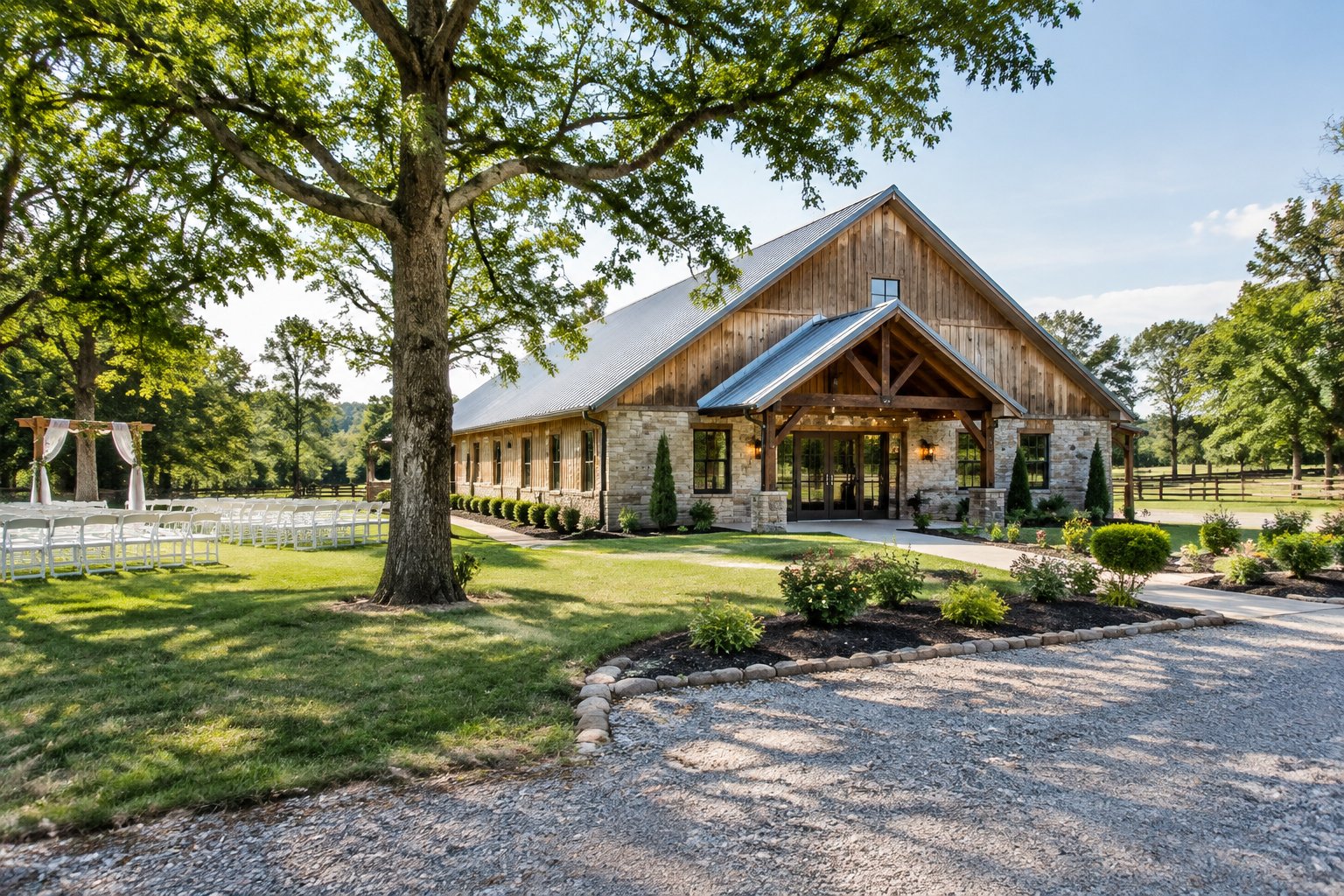
Banquet Halls and Standalone Event Centers
A banquet hall or event center can offer efficient layouts, restrooms, commercial utilities, storage, kitchens, parking, and weather protection. These features reduce the work required to host events and support weddings, corporate gatherings, birthdays, fundraisers, and holiday parties.
Check the permitted occupancy, sound limits, fire systems, loading access, kitchen equipment, furniture condition, and required staffing. A large room with limited parking or poor ventilation will restrict your booking potential.
Look for flexible rooms that support different guest counts. Dividable spaces can serve small weekday events while the main hall handles larger receptions.
Restaurants, Bars, and Pubs With Private Event Rooms
A restaurant, bar, or pub with private rooms can provide a lower-cost entry point for smaller weddings. The property may already have a commercial kitchen, trained staff, food permits, bar equipment, furniture, and vendor relationships.
Review food and beverage margins, liquor licensing, kitchen capacity, storage, closing hours, and the impact of private events on regular customers. A restaurant may earn more through weddings during slow service periods, while a packed dining schedule can create staffing pressure.
Bars and pubs need careful review of noise rules, age restrictions, security requirements, and neighborhood concerns. Confirm that the current license supports the wedding packages you plan to sell.
Historic Hotels, Motels, and Lodging-Based Venues
A historic hotel or motel can combine ceremony space, reception rooms, guest accommodations, food service, and rehearsal-dinner revenue. Lodging gives guests a convenient place to stay and creates income beyond the wedding date.
Inspect guest rooms, elevators, plumbing, roofs, fire systems, accessibility, linens, staffing, and reservation records. Older properties can carry large deferred-maintenance costs.
Ask how room revenue performs outside wedding season. Review occupancy, average room rates, online reviews, and the cost of maintaining vacant rooms before counting lodging as a reliable income stream.
Barns, Wineries, Cabins, and Cottages
Barns and wineries attract couples through scenery and character. Cabins and cottages can add overnight stays, weekend packages, retreats, and family gatherings.
Confirm zoning, septic capacity, water supply, road access, parking, emergency access, lighting, weather plans, and indoor capacity. Agricultural or rural zoning may require special approval for weddings, amplified music, alcohol, or frequent events.
A spa property can also support bridal parties, wellness retreats, and private celebrations. Review treatment rooms, licensing, equipment, staffing, and the cost of converting unused areas into legal event space.
How to Evaluate a Venue Before Making an Offer
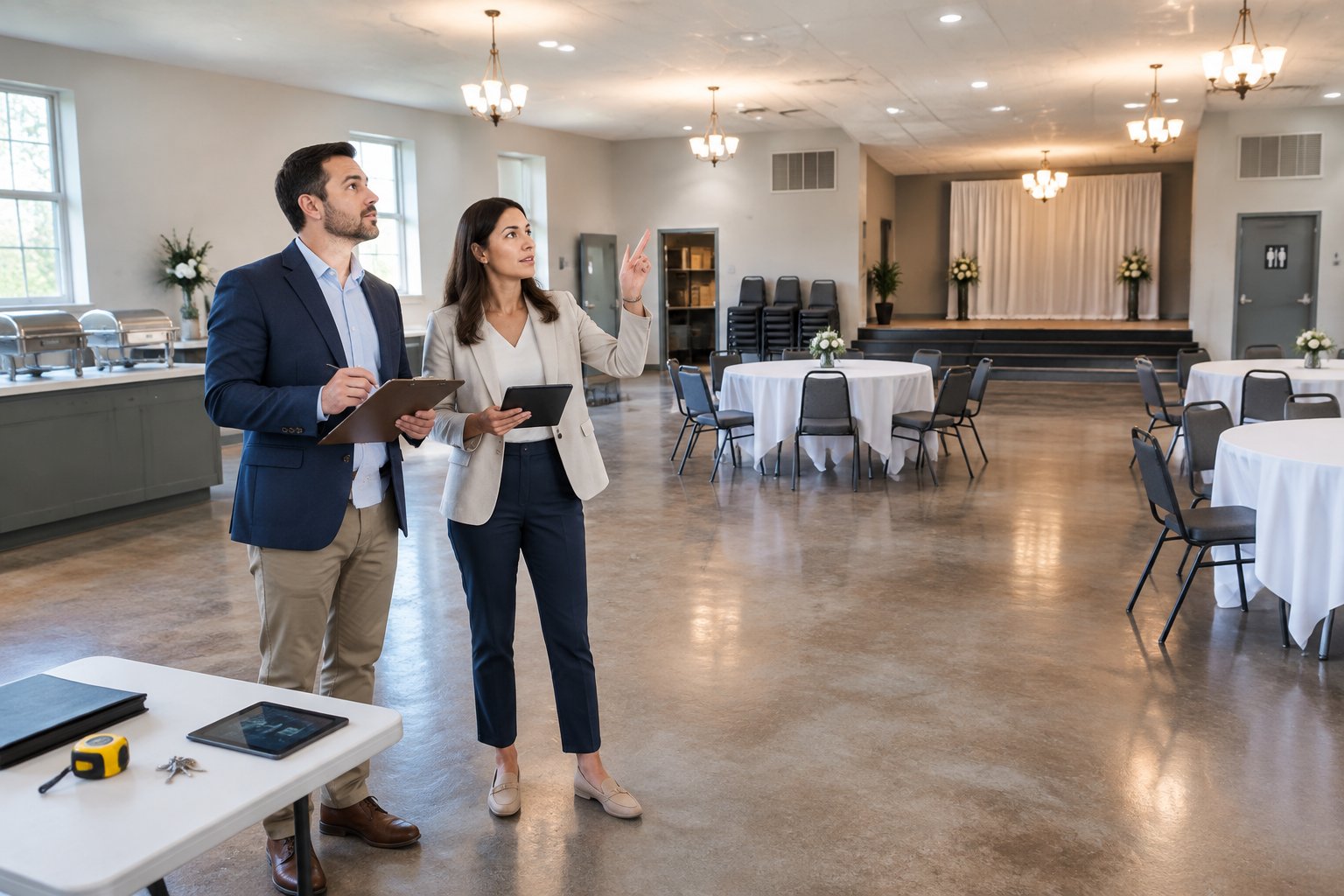
Evaluate an event venue as both a property and a working business. Verify its cash flow, contracts, physical condition, legal use, guest capacity, equipment, and room for additional income before setting your offer price.
Revenue, Cash Flow, and Multiple Revenue Streams
Request several years of tax returns, profit-and-loss statements, bank statements, booking reports, payroll records, sales-tax filings, and expense invoices. Reconcile event income with deposits and completed bookings.
Separate revenue from venue rental, catering, bar service, lodging, rentals, decor, coordination, and private events. A business with multiple revenue streams may use its building more efficiently across the year.
Adjust seller-reported earnings for personal expenses, one-time repairs, unpaid owner labor, unusual income, and costs that will return after closing. Project debt payments, taxes, insurance, repairs, and your compensation against the adjusted cash flow.
Future Bookings, Deposits, and Contract Transferability
Review every future booking agreement. Check event dates, guest limits, payment schedules, cancellation rights, refund terms, included services, vendor rules, and promised upgrades.
Confirm the amount of each deposit, where it is held, and whether it transfers to you at closing. Your attorney should confirm who carries responsibility for contracts signed before the purchase.
Review inquiry records and lost-booking data as well. These records can reveal demand, seasonal gaps, price resistance, and repeated reasons couples choose another venue.
Capacity, Parking, Decor, and Included Equipment
Verify legal capacity for ceremonies, receptions, outdoor areas, and simultaneous room use. Walk through guest flow from arrival to departure, including accessible routes, restrooms, preparation rooms, exits, vendor loading, and emergency access.
Measure parking during a full event and identify overflow options. Check whether lighting, signs, shuttles, rideshare pickups, and vendor vehicles fit local rules.
Inventory tables, chairs, linens, arches, lighting, sound equipment, kitchen items, decor, vehicles, storage systems, and software. Record ownership, condition, replacement cost, and any leases.
Commercial Kitchen, Alcohol Licensing, and Zoning
Inspect the commercial kitchen for ventilation, refrigeration, plumbing, grease control, food-service approvals, storage, and waste handling. Ask whether outside caterers are allowed and whether the kitchen supports your planned guest capacity.
Verify alcohol licenses, catering permissions, insurance requirements, security rules, and service hours. Written confirmation from the city or county should cover event use, occupancy, parking, noise, outdoor ceremonies, lighting, music, and operating hours.
A pending permit application has no value equal to an approved permit. Price the deal according to current legal approvals.
Repairs, Deferred Maintenance, and Expansion Opportunities
Hire independent professionals to inspect the roof, foundation, framing, electrical system, plumbing, HVAC, septic system, drainage, parking, fire protection, accessibility, and environmental risks.
Separate urgent compliance work from cosmetic improvements. Build a repair schedule with contractor estimates and a reserve for hidden conditions.
Identify expansion opportunities such as additional ceremony areas, lodging, storage, rehearsal dinners, weekday corporate events, seasonal markets, or upgraded catering. Confirm that zoning, utilities, parking, and financing support each planned improvement.
How to Finance and Negotiate the Purchase
The strongest financing plan matches the loan to the assets you are buying and leaves enough cash for repairs and slow booking periods. Compare the asking price with verified cash flow, appraised real estate value, equipment condition, and working-capital needs.
Valuing the Business and the Property Separately
Separate the value of the real estate from the value of the wedding business. The property value reflects land, buildings, location, zoning, condition, and comparable sales.
The business value reflects transferable earnings, contracts, brand assets, equipment, staff, systems, and customer relationships.
Obtain an appraisal when real estate is included. Ask your accountant to normalize earnings and calculate the cash flow available for debt service.
A high asking price needs support from durable bookings, clean financial records, strong facilities, and room to grow. A lower price needs a clear repair and operating budget before you decide it represents a bargain.
Seller Financing, SBA Loans, and Lease Assignments
Seller financing can reduce the bank loan amount and give you more flexible terms. Negotiate the interest rate, payment schedule, maturity, security, default terms, and whether payments depend on contract transfers or permit approvals.
An SBA 7(a) loan can support a business acquisition, real estate, equipment, renovations, and working capital when the deal meets lender rules. SBA 504 financing suits real-estate-heavy purchases and major improvements.
Prepare tax returns, projections, a business plan, personal financial statements, and evidence of relevant management experience.
For a business-only purchase, negotiate a lease assignment or a new long-term lease before closing. Include renewal options, permitted use, signage, parking, repairs, rent increases, and transfer rights.
Negotiating Inventory, Staff, and Transition Support
List every asset included in the purchase and assign a condition and value. Cover furniture, decor, kitchen equipment, vehicles, sound systems, software, customer data, website domains, phone numbers, social accounts, trademarks, photos, and inventory.
Ask which employees will stay, what they earn, whether contractors have written agreements, and whether key staff depend on the seller. Include training, vendor introductions, booking handoffs, event shadowing, and a defined transition period in the purchase agreement.
Use inspection findings, missing permits, weak bookings, deferred repairs, contract risks, and working-capital needs to support your negotiation. Keep a portion of the purchase price in escrow when unresolved obligations could affect future events.