
Cheap Wedding Venues for Small Weddings: Smart Ideas
A small guest list gives you more freedom to choose a beautiful setting without paying for a large ballroom. The best cheap wedding venues for small weddings are restaurants, public gardens, community spaces, and private homes because they combine manageable guest counts with built-in seating, scenery, or food service.
Start your wedding planning with a firm guest count and a complete spending limit. A low rental fee can grow after you add chairs, tables, catering, permits, insurance, lighting, and cleanup, so request a written quote that includes every required charge.
Your celebration can feel polished at a modest cost when you choose a space that already suits your style. Use the ideas below to narrow your search, then contact local venues for dates and full package pricing.
Set a Realistic Venue Budget First
Set your wedding venue budget from the complete event cost, including rental, food, staffing, rentals, taxes, permits, and cleanup. A wedding planner can help you compare quotes, though a clear worksheet works well when you are handling the wedding planning yourself.
A small guest list lowers costs when the venue prices by headcount or lets you book a smaller room. It does not remove the need to budget for fixed expenses such as insurance, restrooms, sound equipment, or delivery.
How Much Should a Small Wedding Venue Cost?
A small wedding venue can range from a low permit or courthouse fee to several thousand dollars for a private space with food and service. Your location, date, guest count, event length, and included features shape the final wedding venue cost.
Use your total wedding budget to set a firm venue maximum. Include:
- Ceremony and reception access
- Food and beverages
- Tables, chairs, linens, and dinnerware
- Staffing, setup, and cleanup
- Taxes, service charges, and gratuity
- Permits, insurance, parking, and transportation
A shorter ceremony, smaller room, or weekday date can keep a budget wedding within reach.
What Is Included in the Venue Fee?
The venue fee might cover property access alone, or it might include furniture, staffing, catering, and basic décor. Ask for an itemized quote and check whether setup and cleanup hours count toward your rental period.
Ask these questions before you pay a deposit:
- Are tables, chairs, linens, and dishes included?
- Can you use your own caterer or bar service?
- Who handles setup, trash, and cleanup?
- Does the fee include lighting, sound, restrooms, and parking?
- What are the overtime, security, insurance, and cancellation charges?
A restaurant may use a food and beverage minimum instead of a room fee. That structure can work well for a small group because your meal supports the space and existing service.
How a Small Guest List Changes the Math
A small guest list reduces per-person spending on meals, drinks, seating, and favors. It also lets you consider private dining rooms, garden corners, community rooms, and other small wedding venues that would feel too tight for a large reception.
Count the couple, children, vendors who need meals, and ceremony participants before requesting prices. Confirm how many guests fit after adding a buffet, bar, dance area, photo space, and accessible paths.
A room listed for 50 people may hold fewer guests once dinner seating and entertainment are included. Keep a primary guest list and a backup list so you can compare venues with the same numbers.
Best Low-Cost Places to Get Married
The best low-cost places combine an attractive setting with useful services, such as food, furniture, restrooms, or built-in décor. A backyard wedding, community center, restaurant wedding, brewery, gallery, or courthouse can fit a small celebration when you check its rules and full price.
Choose a venue that supports your ceremony and reception plan with few extra rentals. If you need two locations, include transportation, guest timing, and duplicate setup costs in your wedding budget.
Backyards and Private Homes
A backyard wedding can have a low rental cost and a warm, personal feel. Price the items the property lacks, including a tent, tables, chairs, portable restrooms, lighting, power, catering, trash removal, and weather protection.
Measure the ceremony and dining areas before you commit. Check parking, bathroom access, electrical outlets, noise rules, and the path guests will use.
Ask the property owner about guest limits and event insurance. A simple home setting pairs well with a catered lunch, cocktail reception, or family-style dinner.
Community Centers and Historic Buildings
Community centers and historic buildings offer useful indoor space at accessible rates. Many provide kitchens, tables, chairs, stages, restrooms, or sound equipment, which lowers the number of rentals you need.
Ask about:
- Setup and cleanup hours
- Kitchen access and catering rules
- Alcohol and music policies
- Security and custodial charges
- Parking and accessibility
- Furniture placement and décor limits
Historic rooms may already have attractive floors, windows, or architectural details. That built-in character helps you keep floral and backdrop costs focused.
Restaurants, Breweries, and Distilleries
Restaurants, breweries, and distilleries suit small groups that care about food and atmosphere. Your quote might use a private-room fee, a per-person menu, a buyout price, or a food and beverage minimum.
Ask whether the package includes staff, dishes, linens, cake service, beverages, and cleanup. Confirm music, dancing, outside food, alcohol, and closing-time rules.
A restaurant wedding works well when you want a polished meal with limited setup. Breweries and distilleries bring built-in character through their bars, patios, tanks, and tasting areas, which reduces décor needs.
Art Galleries, Bookstores, and Historic Libraries
Art galleries, bookstores, and historic libraries give you distinctive surroundings for a ceremony, cocktail reception, or seated dinner. Artwork, shelves, reading rooms, and tall windows provide visual interest without a large decorating budget.
Check the venue’s rules for food, drinks, candles, hanging décor, photography, music, and furniture movement. Ask whether an approved caterer or extra event staff is required.
A smaller room with a shorter booking period can suit your guest list and reduce staffing costs. Confirm loading access for rentals and whether guests can reach every event area comfortably.
Courthouses and City Halls
A courthouse wedding or city hall ceremony keeps the venue portion of your budget focused on the legal ceremony. Requirements vary by location, so check marriage license fees, identification, appointment times, witness rules, and ceremony availability with your local clerk.
Plan a meal afterward at a restaurant, private dining room, backyard, or community space. This approach gives you a meaningful celebration without paying for a full-day venue rental.
Outdoor Settings With Built-In Scenery
Public parks, gardens, beaches, national parks, and vineyards lower décor needs by providing scenery for your ceremony and photos. Confirm permits, guest limits, restrooms, parking, accessibility, weather plans, and restrictions on alcohol or amplified music.
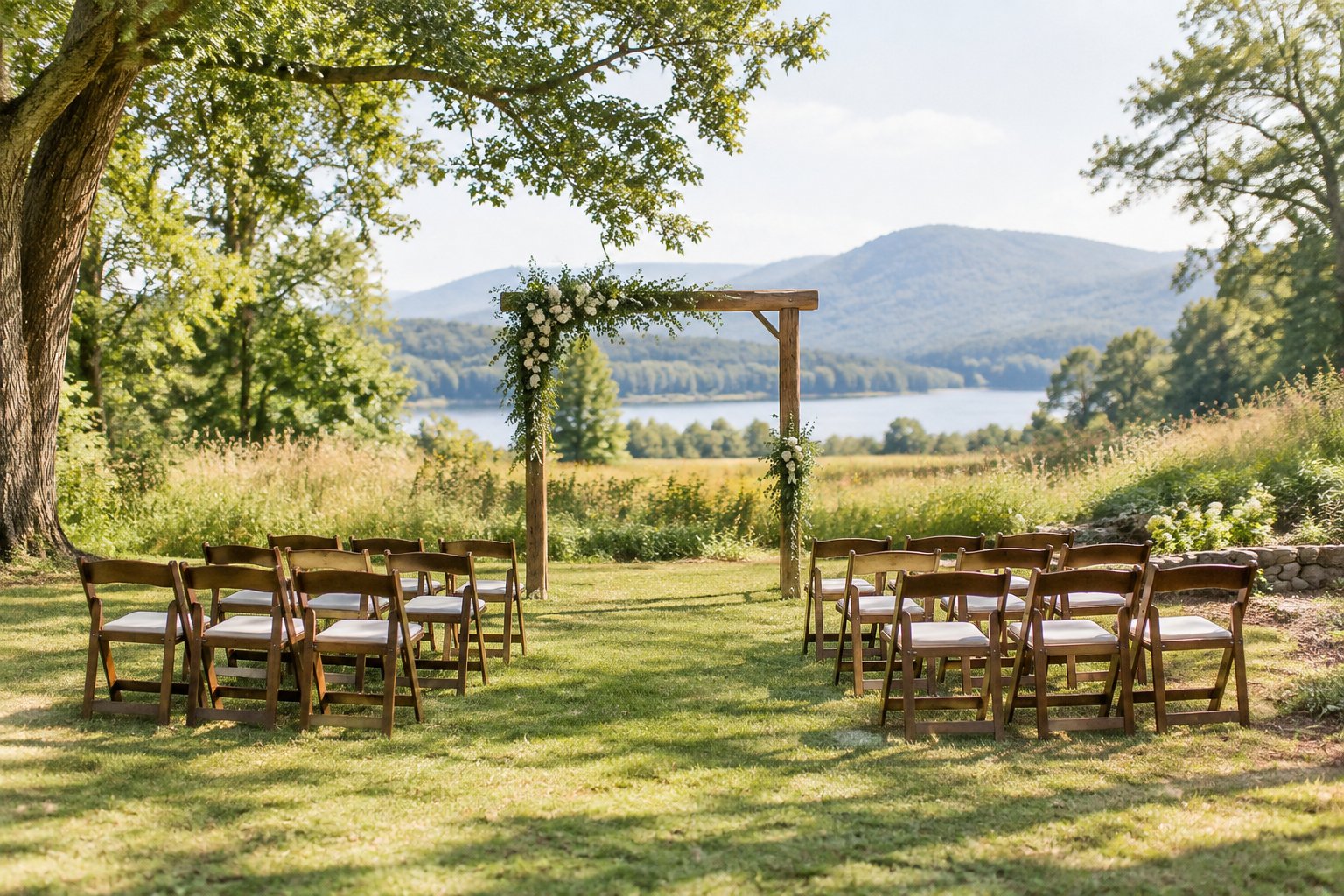
An outdoor wedding works best when the ceremony site fits your guest count and a nearby reception option keeps travel simple. Tour the location at your planned event time to check shade, noise, heat, wind, and foot traffic.
Public Parks, State Parks, and Rose Gardens
Public parks and state parks offer lawns, picnic shelters, overlooks, and rose gardens at fees set by the local agency. Ask about special-use permits, reservation windows, guest limits, parking, restroom access, and cleanup.
State parks may add entrance fees, insurance rules, or limits on chairs, arches, alcohol, and music. A reserved shelter can support a short ceremony and casual meal when the site permits receptions.
Rose gardens bring color and structure to your ceremony design. Compare weekday, morning, and off-season rates, then confirm whether the garden includes chairs, reception access, staff, or a changing area.
Botanical Gardens and Garden Venues
Botanical gardens and garden venues provide flowers, greenery, and photo locations that reduce floral installation costs. Ask whether your rental includes ceremony seating, tables, a reception room, staff, and time for setup.
Garden rules may cover candles, food service, music, décor installation, and guest movement. Check heat, humidity, shade, and indoor backup options when considering a greenhouse.
A shorter ceremony followed by a nearby dinner can preserve the garden atmosphere while limiting rental time and equipment needs.
Public Beaches and Waterfront Spaces
Public beaches and waterfront spaces create a memorable setting with modest site fees in some communities. Contact the local parks department about permits, protected areas, alcohol, music, chairs, cleanup, and accessibility.
Plan for wind, sun, tides, sand, and changing weather. Provide a clear restroom plan and choose footwear guidance guests can follow.
A short beach ceremony followed by dinner at a nearby restaurant keeps rentals manageable. Secure light décor carefully and avoid items that could blow into protected areas or the water.
National Parks and Yosemite
National parks offer forests, lakes, cliffs, and historic sites for a national park wedding. Permit requirements, visitor fees, photography rules, parking limits, seasonal closures, and restrictions on food or alcohol vary by park.
For Yosemite, check current ceremony locations, permit rules, guest limits, transportation, and seasonal access with the park before setting your date. Build extra travel time into the schedule because popular areas may have traffic and limited parking.
Keep seating and décor light when the site has uneven paths or sensitive landscapes. Confirm accessibility and restroom locations before inviting guests.
Vineyards and Other Scenic Private Grounds
Vineyards, orchards, farms, and scenic private grounds provide strong photo settings and natural décor. Ask about seasonal access, ceremony areas, reception space, weather cover, electricity, restrooms, parking, and transportation.
A vineyard might use a site fee, food and beverage minimum, or package price. Compare what each option includes, including tables, chairs, staff, cleanup, and required vendors.
Private grounds work well for a small wedding when the property supports both guest comfort and event logistics. Price every rental before treating a low site fee as the full cost.
Intimate Options for Micro Weddings and Elopements
Micro weddings and elopements keep the guest count small, which opens access to private dining rooms, gardens, inns, courthouses, and small wedding venues. Choose a setting that gives you a meaningful experience without requiring a large event layout.
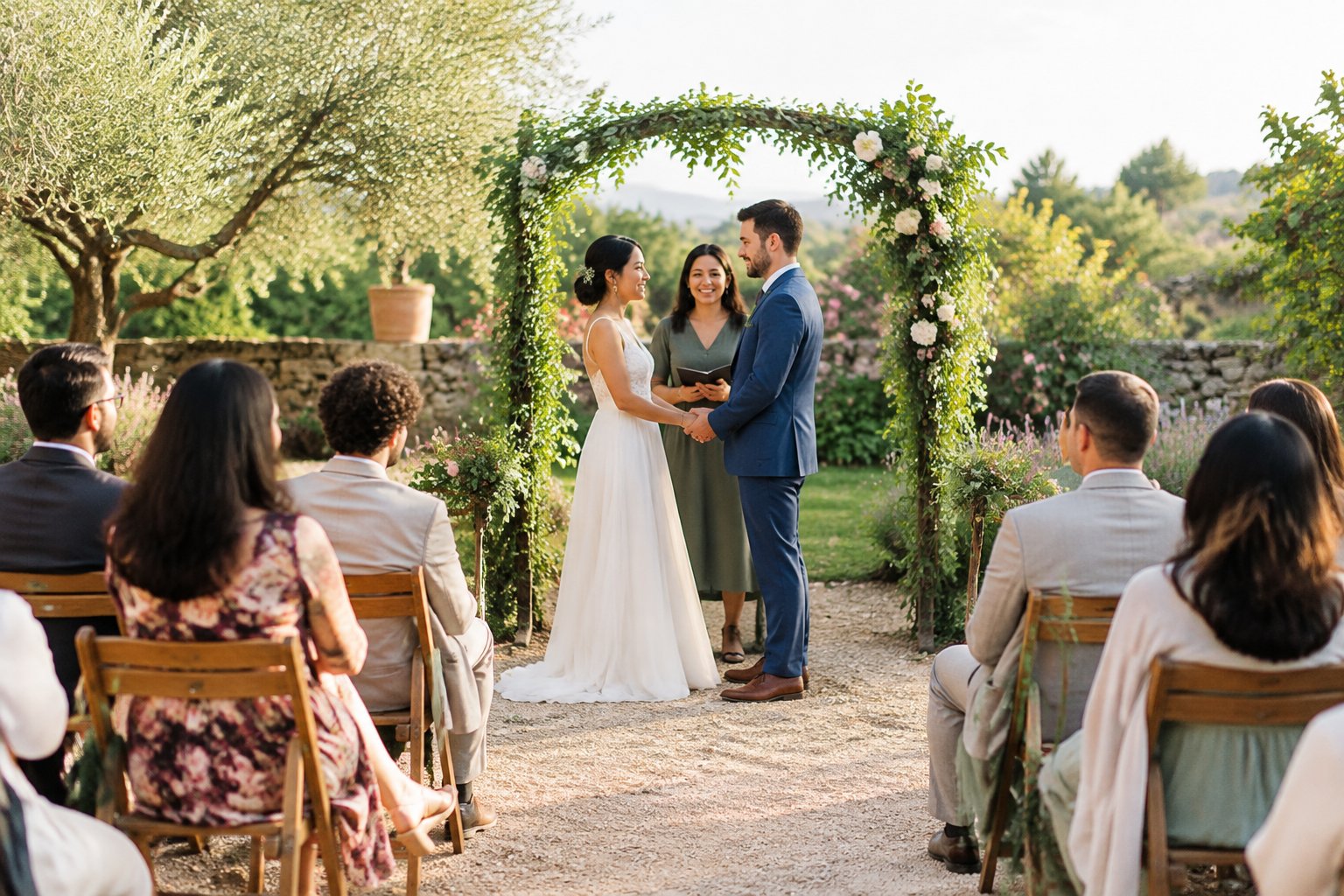
You can spend more of the budget on a meal, photographer, flowers, or lodging when you reserve less space and shorten the event schedule. Ask for packages designed for your exact guest count.
What Counts as a Micro Wedding?
A micro wedding usually includes a small group, often around 20 to 50 guests, with the ceremony and reception planned as a close gathering. The guest count has no single national rule, so venues may define their own limits.
Count every invited guest, child, vendor meal, and ceremony participant. A smaller headcount can support a private room, garden ceremony, boutique inn, or intimate wedding venue with more personal service.
You can find additional planning ideas in this guide to how many people for a micro wedding.
Micro Wedding Venues That Feel Special
Micro wedding venues feel special when they offer a strong setting or useful service within a small footprint. Consider a private dining room, botanical garden, historic library, brewery, inn, gallery, or scenic vacation property that permits events.
Look for included furniture, food service, lodging, photography areas, and indoor backup space. A venue with built-in character reduces the need for large floral pieces and rented backdrops.
Ask whether the property offers a package for a ceremony and meal. A shorter private event can give you a refined experience while keeping the venue fee controlled.
When an Elopement or Courthouse Ceremony Makes Sense
An elopement fits when you want a private ceremony, a short guest list, or more budget for travel and personal details. A courthouse wedding works when you value a simple legal ceremony and plan to celebrate with a meal afterward.
Check marriage license timing, fees, identification, witness rules, appointment requirements, and officiant availability. These details vary by county and state.
You can add a photographer, flowers, a special outfit, or a private dinner without carrying the cost of a full reception. Invite close family to dinner or plan a later gathering if you want a second celebration.
How to Pair a Simple Ceremony With a Memorable Meal
Pair a short ceremony with a restaurant wedding, private dining room, catered lunch, or chef-led dinner. The meal becomes the main guest experience, so choose a menu and setting that reflect your tastes.
Ask about dietary needs, beverage packages, cake service, seating time, gratuity, taxes, and private-room access. A brunch, family-style meal, or cocktail reception can fit a smaller budget and a shorter event window.
Keep the ceremony close to the meal location when possible. A nearby restaurant, garden, or courthouse reduces guest travel and helps the day run on schedule.
Ways to Lower the Final Price Without Sacrificing Style
Lower your final venue cost by choosing an off-peak date, checking minimums and permits, using built-in scenery, and comparing complete packages. These choices protect your wedding budget while keeping the setting comfortable and visually appealing.
Why Weekday and Off-Season Dates Cost Less
Weekday weddings and off-season dates have lower demand at many venues, so owners may offer reduced rental rates, smaller food minimums, or more flexible booking times. Friday evenings, Sunday celebrations, winter dates, and other less requested periods are worth asking about.
Request prices for several dates before you choose one. A morning ceremony, brunch reception, or shorter event can reduce both venue hours and service needs.
Confirm that your preferred vendors are available before paying a deposit. Check travel, weather, holiday schedules, and guest work commitments when comparing dates.
Ask About Minimums, Permits, and Vendor Rules
Ask every venue for its guest minimum, food and beverage minimum, rental minimum, permit needs, insurance rules, and approved-vendor list. A low advertised rate can change when the venue adds required services or event charges.
Use this checklist during each call:
- Minimum guest count or spending amount
- Ceremony and reception access hours
- Tables, chairs, linens, and sound equipment
- Outside catering, alcohol, and cake rules
- Setup, cleanup, security, and overtime fees
- Parking, restrooms, permits, and insurance
Request the contract and a sample final invoice before booking. Put every promised inclusion in writing.
Use Lighting and Natural Decor to Elevate Simple Spaces
Use string lights, candles where permitted, greenery, seasonal flowers, and the view to give a simple space a finished look. A garden, waterfront, historic room, or vineyard already provides visual structure, so you can focus décor on the ceremony focal point and guest tables.
Ask about power, hanging rules, flame restrictions, and installation time. Rent reusable items when buying them would create extra expense or storage problems.
Move ceremony flowers to the reception and use one strong design element, such as a floral arch or illuminated dining area. This keeps the style cohesive without filling every surface.
Compare Packages With a True All-In Cost
Compare each venue by its true all-in cost, not its advertised rental price. Add food, beverages, staffing, rentals, taxes, gratuity, permits, insurance, transportation, setup, cleanup, and overtime to every quote.
A package with catering, furniture, linens, staff, and cleanup might cost less than a low room fee with many separate charges. An à la carte venue can work well when you already have trusted vendors or plan a short ceremony.
Create one spreadsheet with the same guest count and event hours for every option. The venue with the clearest complete quote will make your final wedding planning easier.