
Cheap Wedding Venues in KC Metro Area: Budget Guide
A wedding venue often takes the largest share of your event budget, yet Kansas City gives you several ways to keep that cost manageable. For cheap wedding venues in KC Metro Area, start with a smaller event space, an off-peak date, and a quote that includes setup, tables, chairs, and basic staffing. That combination suits couples who want a polished celebration without paying for unused space or extensive rentals.
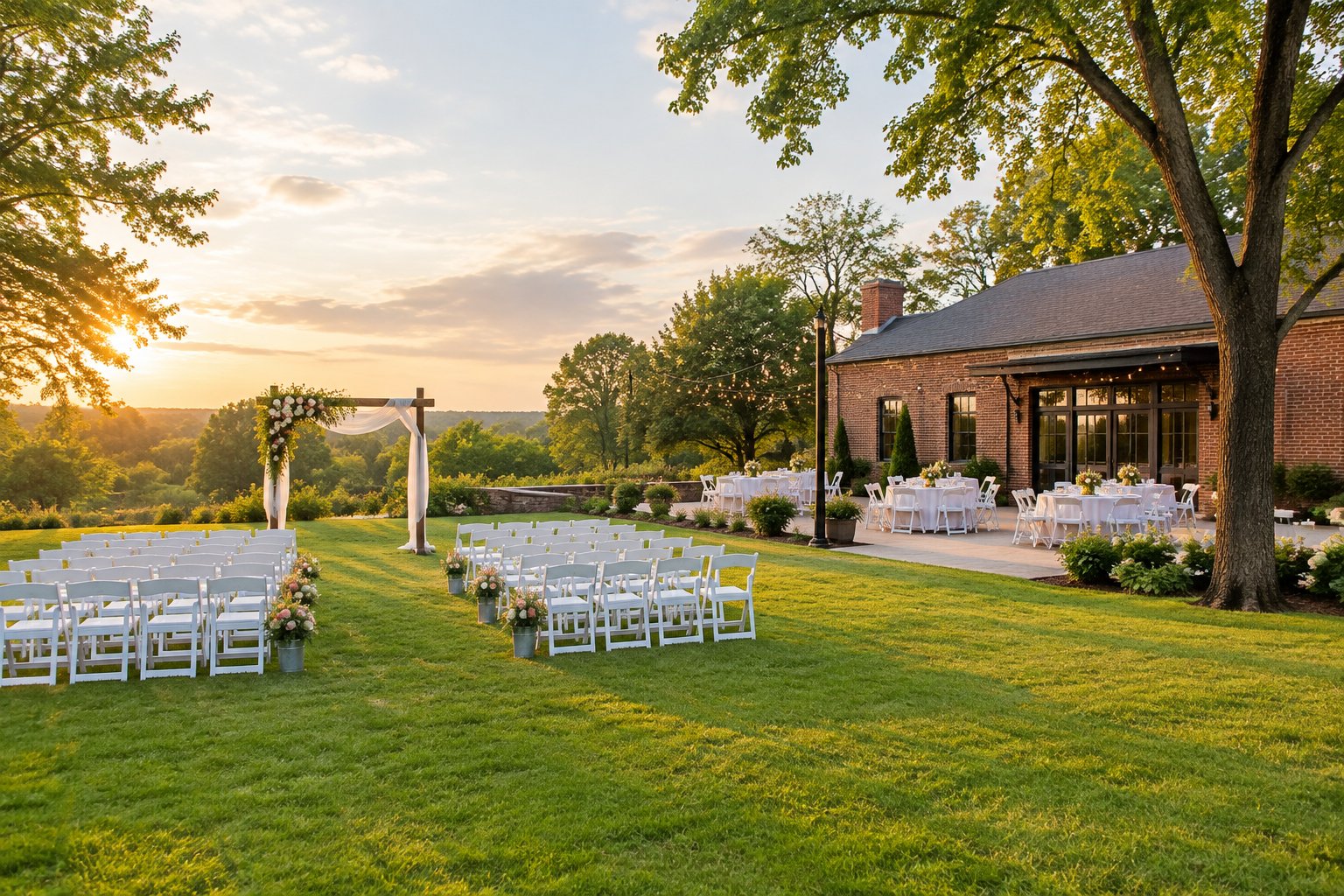
Affordable wedding venues in Kansas City range from intimate urban rooms to historic buildings and outdoor sites. Your guest count, catering plan, date, and vendor rules will shape the final price more than the venue’s advertised rental rate.
Start with a firm guest limit, request complete quotes, and compare spaces across Kansas City, Missouri, and Kansas City, Mo. You can also review affordable wedding venues KC for additional ideas, then contact venues for current availability and pricing.
What Does an Affordable KC Wedding Venue Cost?
An affordable KC venue rental often starts around $2,000 to $6,000, with the final total shaped by guest count, date, catering, rentals, and event insurance. A smaller weekday celebration may cost less, while a peak-season Saturday with a full ceremony and reception may cost much more.
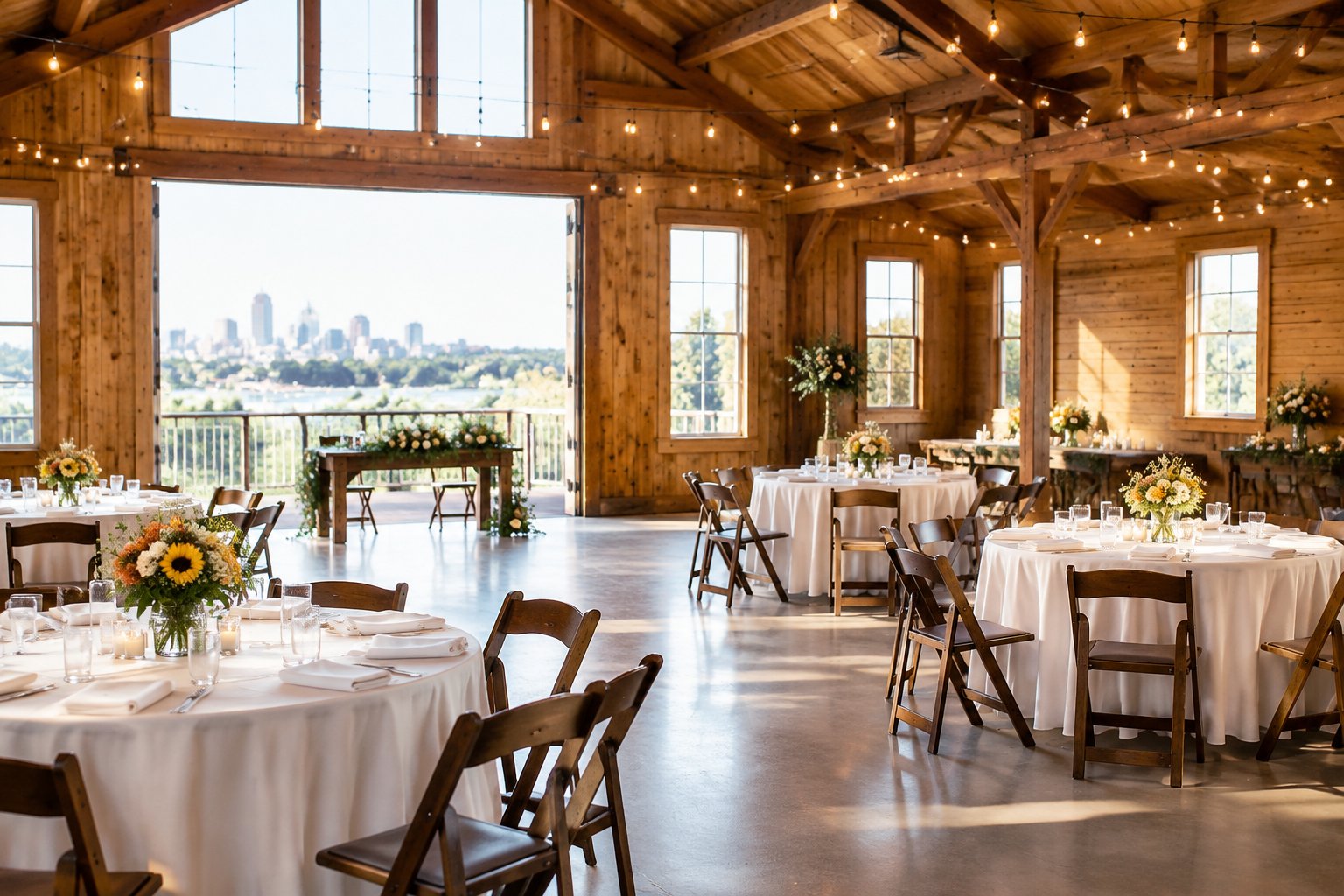
Compare the full event cost, not the first number on a pricing page. Ask each wedding venue for the same guest count and event timeline so you can see which quote provides the strongest value.
Typical Rental Ranges for Small and Mid-Size Weddings
Small weddings with about 30 to 60 guests can fit well in private dining rooms, studios, galleries, and compact event venues. Rental pricing often falls near the lower end of the local range when the booking uses fewer hours and limited staffing.
Mid-size weddings with 75 to 150 guests require more seating, restroom capacity, parking, catering space, and dance-floor room. A venue rental in the $4,000 to $10,000 range is a useful planning estimate, though packages and dates create wide variation.
Ask whether the rental includes tables, chairs, linens, lighting, getting-ready rooms, security, and a venue coordinator. Confirm whether sales tax, service charges, and event insurance are separate.
How Guest Count Changes the Real Cost
Guest count affects both the venue fee and the cost of feeding, seating, serving, and accommodating each person. A smaller room may reduce the rental price, while a larger guest list adds catering, bar service, rentals, invitations, and staffing.
Request a floor plan for your preferred layout. A room’s stated maximum capacity may leave too little space for a buffet, DJ, dance floor, bar, gift table, and comfortable movement.
A slightly smaller venue with included furnishings may cost less than a cheaper raw space that requires extensive rentals.
Why Weekdays, Sundays, and Winter Dates Cost Less
Weekdays, Sundays, and winter dates give you more pricing flexibility because demand is lower than for popular Saturday dates in spring and fall. Ask about Thursday, Friday, Sunday afternoon, and January or February rates.
A shorter booking window can also reduce labor charges. For example, a Sunday lunch reception may need fewer service hours than an evening party.
Confirm that your savings do not disappear through extra setup time, heating requirements, indoor weather arrangements, or minimum catering charges.
How to Compare Quotes Without Budget Surprises
Compare venue quotes by total event cost, including required services and fees, because the lowest base rental rate may not produce the lowest final bill. Put each quote into the same budget sheet and label every included, optional, and required charge.

A useful quote should state the date, rental hours, guest count, room access, payment schedule, cancellation terms, vendor rules, and insurance requirements. Save each answer in writing before you sign.
What Should Be Included in a Venue Quote?
Ask the wedding venue to list:
- Rental hours for setup, ceremony, reception, and cleanup
- Tables, chairs, linens, basic lighting, and sound equipment
- Ceremony and reception access
- Catering kitchen or prep area
- Bridal suite or getting-ready space
- Restrooms, parking, and security
- Venue coordinator or event-day staff
- Cleaning services and trash removal
- Taxes, service charges, and payment deadlines
A clear quote lets you compare ballrooms, historic rooms, and flexible event venues on equal terms. Ask whether the listed items are included in every package or only available as paid upgrades.
Which Fees Are Often Added After the Base Rate?
Common added charges include overtime, security, cleaning, setup labor, bar staff, corkage, outside-vendor fees, power use, equipment rental, and damage deposits. A venue may also require a minimum food and beverage spend or charge a service fee on catering.
Ask for the venue’s complete fee sheet. Confirm the hourly overtime rate and the exact time the rental clock starts. If your vendors need early access, make sure those hours appear in the contract.
Event insurance may also be required. Ask whether the venue accepts a standard liability policy, who must be named on it, and when you need to provide proof.
When Outside Vendors and BYO Policies Save Money
Outside-vendor access can lower your total cost when you already have a trusted caterer, baker, florist, DJ, or rental company. BYO beverage policies may also help, depending on corkage fees, bartender requirements, alcohol rules, and required insurance.
Calculate the full savings before choosing a flexible venue. A lower caterer price can be offset by kitchen restrictions, extra staffing, delivery charges, or rental requirements.
Ask whether the venue requires approved vendors, charges a vendor fee, or limits setup and cleanup times.
Which Venue Style Delivers the Best Value?
Historic spaces and compact event venues often deliver the best value when their built-in character reduces décor needs and their layout fits your guest count. Ballrooms offer smooth logistics, while outdoor sites can reduce styling costs when they include a reliable indoor backup.
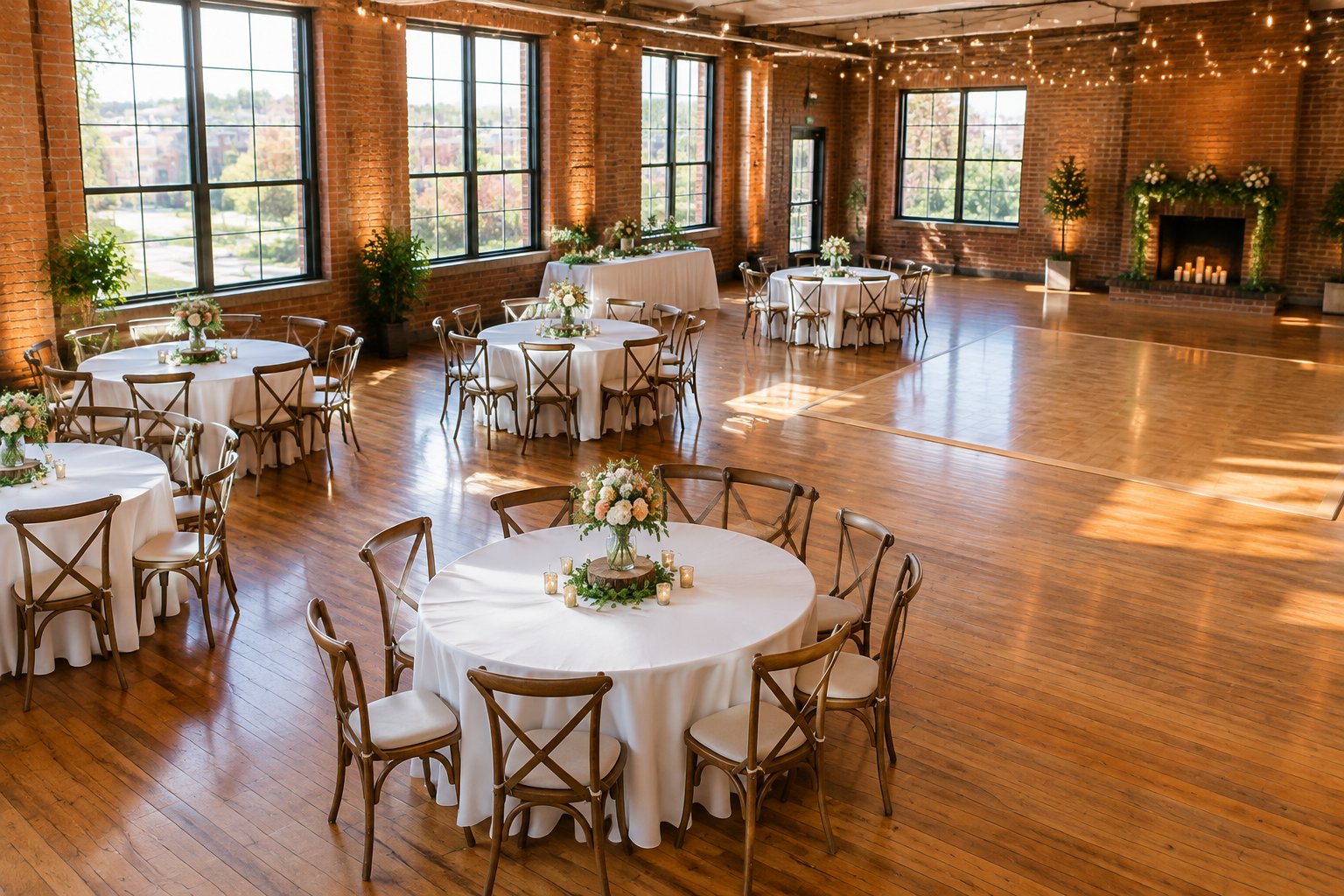
Choose a style by looking at the complete wedding day. A beautiful space becomes less affordable when it requires extensive rentals, transportation, tenting, generators, or extra labor.
Historic Spaces That Need Less Décor
Historic wedding venues in areas such as Historic Crossroads and the Historic West Bottoms often provide exposed brick, wood details, tall windows, and distinctive architecture. Those features give your ceremony and reception visual interest before you add flowers and décor.
Ask about restrictions on candles, wall attachments, noise, catering equipment, and late-night music. Older buildings may also have unusual stairs, limited loading access, or tighter parking arrangements.
Include those logistics in your quote comparison.
Ballrooms for Straightforward Reception Logistics
Ballrooms work well when you want a clear reception layout, climate control, built-in restrooms, and dependable vendor access. Many provide enough room for a ceremony, cocktail hour, dinner, and dancing within one property.
Ask whether the ballroom rental includes tables, chairs, linens, staging, dance-floor space, and setup labor. A package with these items may offer better value than a lower site fee that leaves you responsible for every rental.
Small Event Spaces for Intimate Weddings
Small event spaces suit guest lists under about 75 people, especially when you want dinner, conversation, and a relaxed schedule. A room that matches your attendance feels warmer and avoids paying to heat, decorate, or staff unused areas.
Look for a private suite, accessible restrooms, a practical catering route, and enough space for music or dancing. You can also explore tips for choosing the perfect venue for a small wedding before touring spaces.
Outdoor Ceremony Sites With a Rain Plan
Outdoor ceremony sites can lower décor costs because gardens, lawns, trees, and city views create a finished setting. Kansas City weather requires a written backup plan that identifies the indoor room, guest capacity, move decision, and added charges.
Ask whether the backup space supports the same ceremony and reception layout. Confirm access to restrooms, electricity, shade, parking, lighting, and a firm surface for guests with mobility needs.
Kansas City Metro Locations and Venues to Compare
Compare venues across downtown Kansas City, the Crossroads, the Historic West Bottoms, Midtown Kansas City, and Overland Park, KS, because each area offers different rental styles and guest logistics. Travel time, parking, nearby lodging, and vendor access should sit beside the rental price on your comparison sheet.
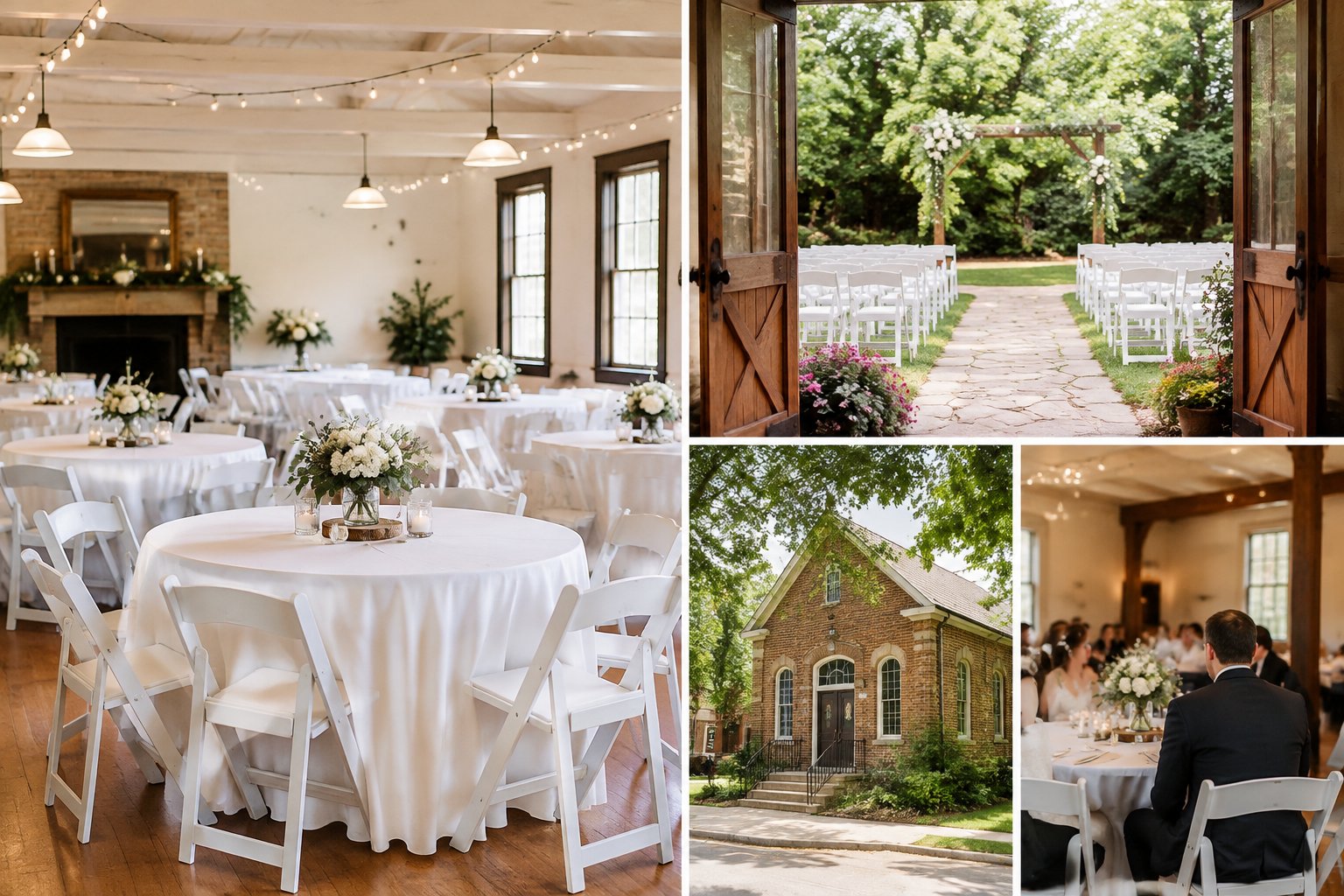
Ask every venue for a current quote based on your guest count and preferred date. Names and packages change, so verify capacity, availability, included services, and fees directly with each property.
Downtown, Crossroads, and River Market Options
Downtown Kansas City, the Crossroads, and River Market provide walkable settings near restaurants, hotels, galleries, and the Missouri River. These areas suit couples who want an urban atmosphere and convenient guest activities.
When comparing city venues, ask about paid parking, street access, loading zones, elevator access, noise limits, and nearby construction. Consider spaces such as The Station, 28 Event Space, The Kansas City Room, and The Monarch Room when requesting quotes.
Historic West Bottoms Event Spaces
The Historic West Bottoms offers converted industrial buildings with brick, timber, open floor plans, and strong architectural character. Rumely Tractor Historic Event Space and The Rumely Historic Event Space are examples to place on your inquiry list.
Ask about freight access, restrooms, heating and cooling, power capacity, sound limits, and accessibility. Industrial spaces can look complete with modest décor, while their infrastructure needs careful review before booking.
Midtown Kansas City and Overland Park Alternatives
Midtown Kansas City gives you access to central neighborhoods, while Overland Park, KS, offers suburban parking, hotels, and larger road connections. These areas may suit guests arriving from both sides of the metro.
Compare The Pavilion Event Space, The Abbott, La Villa, and The Legacy at Green Hills according to guest count, ceremony options, catering policies, and indoor backup space. Ask whether travel between the ceremony and reception adds transportation costs.
Notable Venues to Request Quotes From
Request current pricing and availability from:
- The Station
- 28 Event Space
- The Kansas City Room
- The Monarch Room
- Rumely Tractor Historic Event Space
- The Rumely Historic Event Space
- The Pavilion Event Space
- The Abbott
- La Villa
- The Legacy at Green Hills
Send each venue the same details: wedding date range, guest count, ceremony and reception plans, service hours, catering approach, bar needs, and preferred vendor questions. That format makes the replies easier to compare.
Questions to Ask Before You Book
Ask about capacity, included services, timing, insurance, weather, parking, and accessibility before you sign a venue contract. Written answers protect your budget and help you confirm that the space can support both your plans and your guests.
Can the Space Hold Both the Ceremony and Reception?
Ask for the comfortable dinner-and-dancing capacity, not only the fire-code maximum. Request a floor plan showing guest tables, dance floor, bar, DJ or band, buffet, gift table, and ceremony seating.
Confirm whether the ceremony and reception use the same room, separate rooms, or different areas of the property. Ask about the turnaround time if staff must reset the room between events.
What Are the Setup, Cleanup, and Overtime Rules?
Confirm when vendors may arrive, when guests may enter, and when all people and equipment must leave. Ask who handles tables, chairs, trash, décor removal, dishes, and end-of-night cleaning.
Get the overtime rate in writing and ask whether it applies to vendors, guests, or both. A late band strike or delayed cleanup can add unexpected labor charges when the schedule is unclear.
What Is the Backup Plan for Weather, Parking, and Accessibility?
Ask where the ceremony moves during rain, heat, snow, or high wind, how many guests the backup room holds, and when the venue makes the decision. Confirm whether the backup requires extra rental fees or a different layout.
Review parking locations, shuttle access, lighting, ramps, elevators, accessible restrooms, and paths between key areas. Ask whether event insurance is required, what coverage amount applies, and when you must submit the certificate.