
Cheap Wedding Venues North West: A Practical Guide
Set a firm total budget and guest count before you view venues. The best cheap wedding venues in the North West are often hotels, function rooms, smaller country houses, and flexible event spaces with clear packages, because furniture, catering, staff, and ceremony areas can already form part of the price. A lower hire fee can lead to a higher final bill when those services sit outside the agreement.
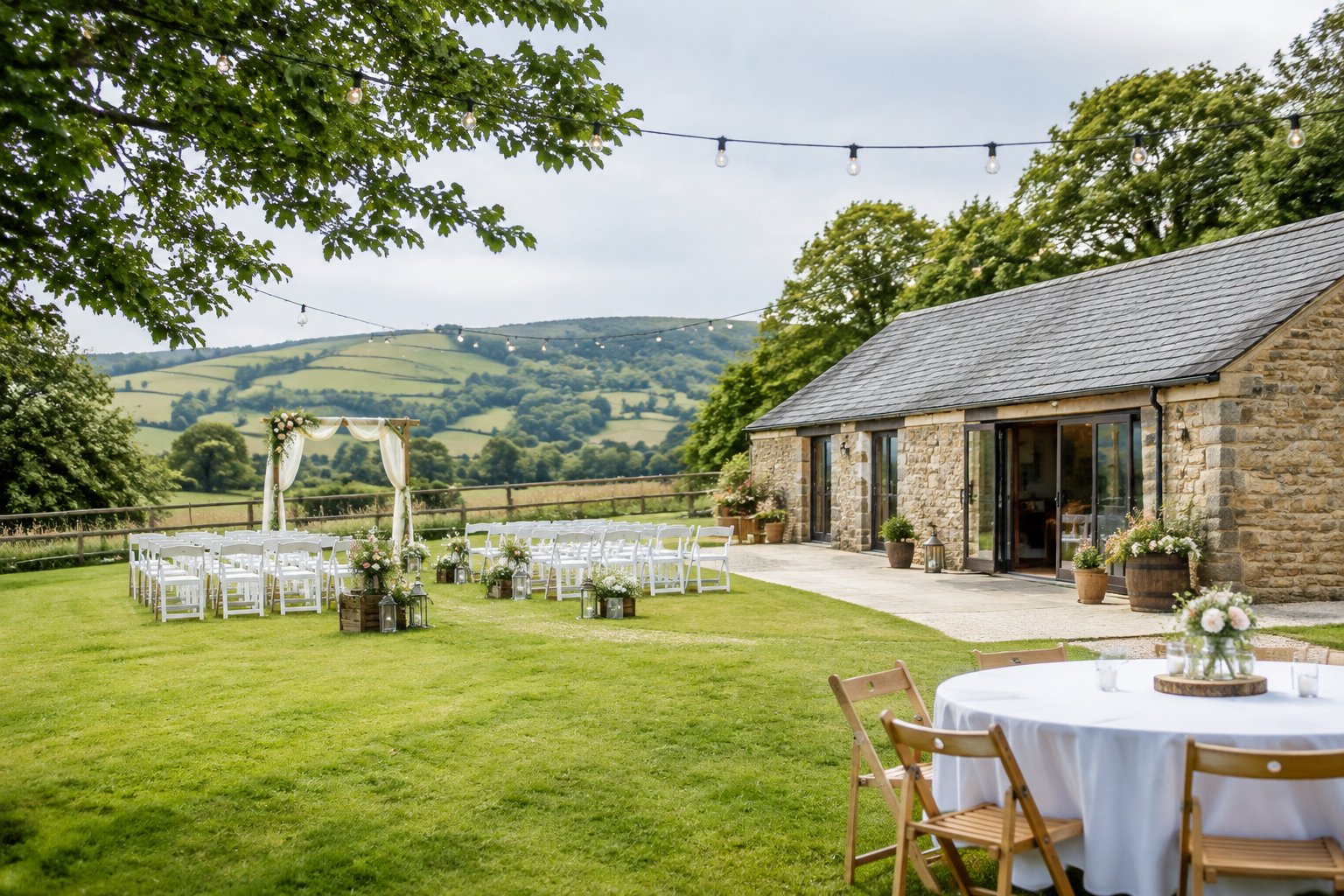
Across North West England, you can compare rural barns, historic buildings, city venues, inns, and country hotels. Start by requesting an itemized quote for the same guest count and schedule from each venue. Include room hire, the ceremony, wedding breakfast, evening food, drinks, staffing, furniture, cleaning, accommodation, and any service charges.
You can also browse affordable wedding venues North West to build an initial shortlist. Then contact your favorite venues to ask about available dates, package details, and viewing appointments.
What Does a Lower-Cost Celebration Really Cost?
A lower-cost celebration is priced by its complete package, guest count, and date, so you need the full wedding budget before judging a venue fee. Venues across the region use flat hire charges, minimum spends, per-person pricing, or bundled wedding packages.
A clear comparison should use the same number of guests, ceremony plan, meal, drinks service, access hours, and evening finish. This shows whether an affordable venue remains affordable after the practical costs are added.
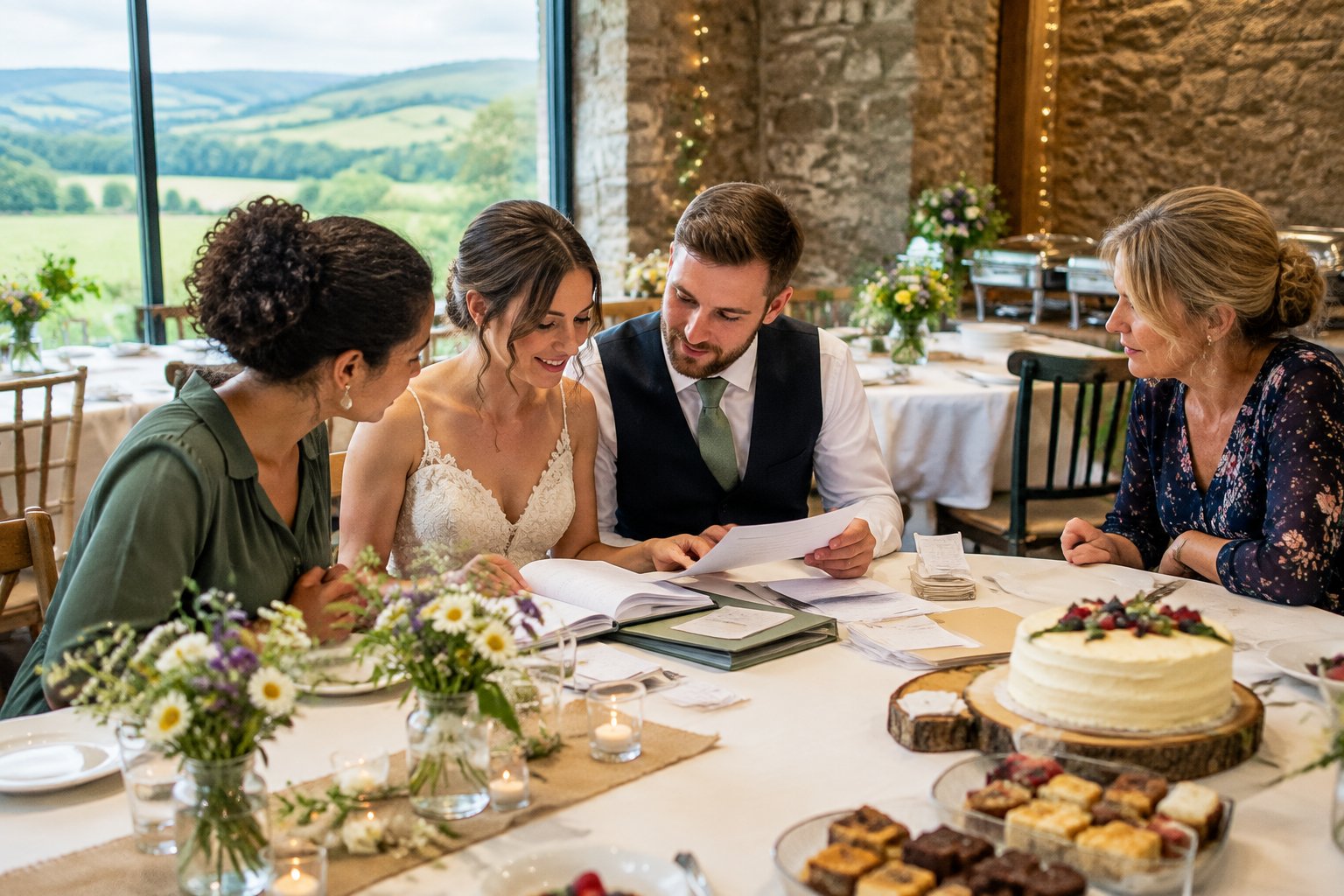
Venue Hire, Minimum Spend, and Per-Person Pricing
A flat venue-hire fee covers the space for an agreed period. You then add catering, furniture, staffing, drinks, and other services listed in the contract.
A minimum spend requires you to spend a set amount on food, drinks, or both. This structure can suit a larger guest list because the required spend is spread across more people. For a small wedding, check whether you would still pay the full minimum.
Per-person pricing charges a rate for each guest and may include the meal, selected drinks, room hire, tables, chairs, and service. Ask for quotes at several guest counts, such as 40, 60, and 80 people, so you can see how quickly the total changes.
What a Wedding Package May Include
A useful wedding package explains every included service and extra charge. Look for:
- Ceremony and reception space
- Tables, chairs, linen, and tableware
- Wedding breakfast and menu choices
- Selected drinks or bar service
- Evening food
- A venue coordinator
- Setup and cleaning
- Supplier meals
- Tasting arrangements
- Guest accommodation or room discounts
Check the access window as well. Early setup, supplier arrival, and late music may each have separate rules or fees.
Costs That Can Make a Cheap Venue More Expensive
Add furniture hire, catering, bar staff, heating, lighting, toilets, security, cleaning, and parking to a bare venue quote. Ceremony fees, corkage, cake cutting, service charges, VAT, deposits, damage bonds, and overtime can also affect the final figure.
External catering needs a full calculation that includes delivery, kitchen access, staff, equipment, insurance, corkage, and cleanup. A venue with a higher hire price can offer better value when it already includes these services.
Choose the Right Venue Type for Your Budget
Hotels and function rooms offer the clearest route to controlled spending, while barns, country houses, city spaces, and exclusive-use stays suit different guest counts and planning styles. Your choice affects the need for separate suppliers, travel arrangements, décor, and accommodation.
Focus on the complete experience you need. A smaller event space with an existing dining room may reduce furniture and styling costs, while a dry-hire rural venue gives you more supplier freedom.
Hotels and Function Rooms for Straightforward Planning
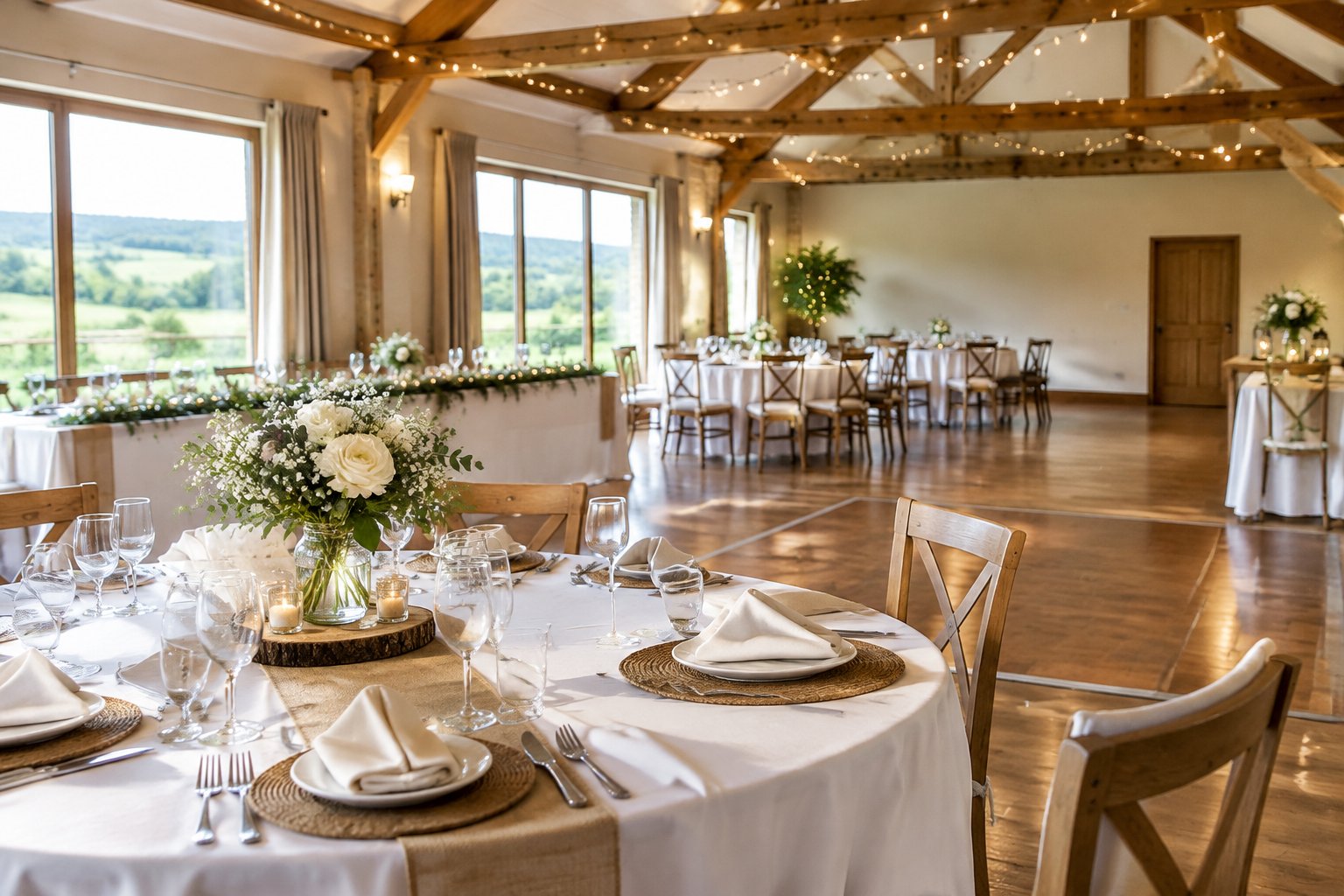
A hotel or function room can combine the ceremony, meal, evening reception, staff, and bedrooms in one location. In-house catering and existing furniture also make the wedding planning process easier.
Ask about room exclusivity, nearby events, bar hours, parking, breakfast, menu choices, and accommodation rates. A private dining room can work well for an intimate wedding with a modest guest list.
Barns, Inns, and Country Houses for Character
A barn, inn, or country house wedding venue gives you character, gardens, and attractive photo settings. Period details, exposed beams, and landscaped grounds can reduce the amount of décor you need.
Dry-hire barns require careful budgeting for tables, chairs, lighting, heating, toilets, power, staff, and cleanup. Ask about wet-weather plans and whether external caterers need approval.
A country house hotel or Georgian manor house may provide several rooms for different parts of the day. Smaller weddings can use a private dining room or selected reception space instead of hiring the full property.
City Event Spaces for Flexible Guest Lists
City event spaces, restaurants, bars, and converted buildings suit smaller weddings with a meal-led format. Good transport links can reduce travel costs for guests and make the venue easier to reach.
Ask about private dining, minimum spends, menu flexibility, music limits, parking, and the time available for your reception. An existing restaurant layout can also reduce furniture and styling requirements.
Exclusive-Use Stays for Smaller Celebrations
Exclusive-use accommodation works when your group plans to stay, eat, and celebrate in one place. The package may combine rooms, breakfast, event space, staffing, and selected catering.
Check how many rooms you must book, which spaces are private, and whether the quote includes setup, service, furniture, and cleaning. For a smaller celebration, compare exclusive hire with one private room at the same venue.
Where Can You Find Better Value Across the Region?
Better value appears across rural Cheshire, Lancashire, the Ribble Valley, Greater Manchester, and Cumbria when you compare access, guest travel, package inclusions, and date flexibility with the venue fee. A venue farther from a city may have a lower hire charge, while a central location can reduce transport and overnight costs.
Consider the route your guests will take, the availability of local rooms, and supplier travel fees before choosing a scenic setting.
Cheshire and Chester: Rural Settings and Historic Stays
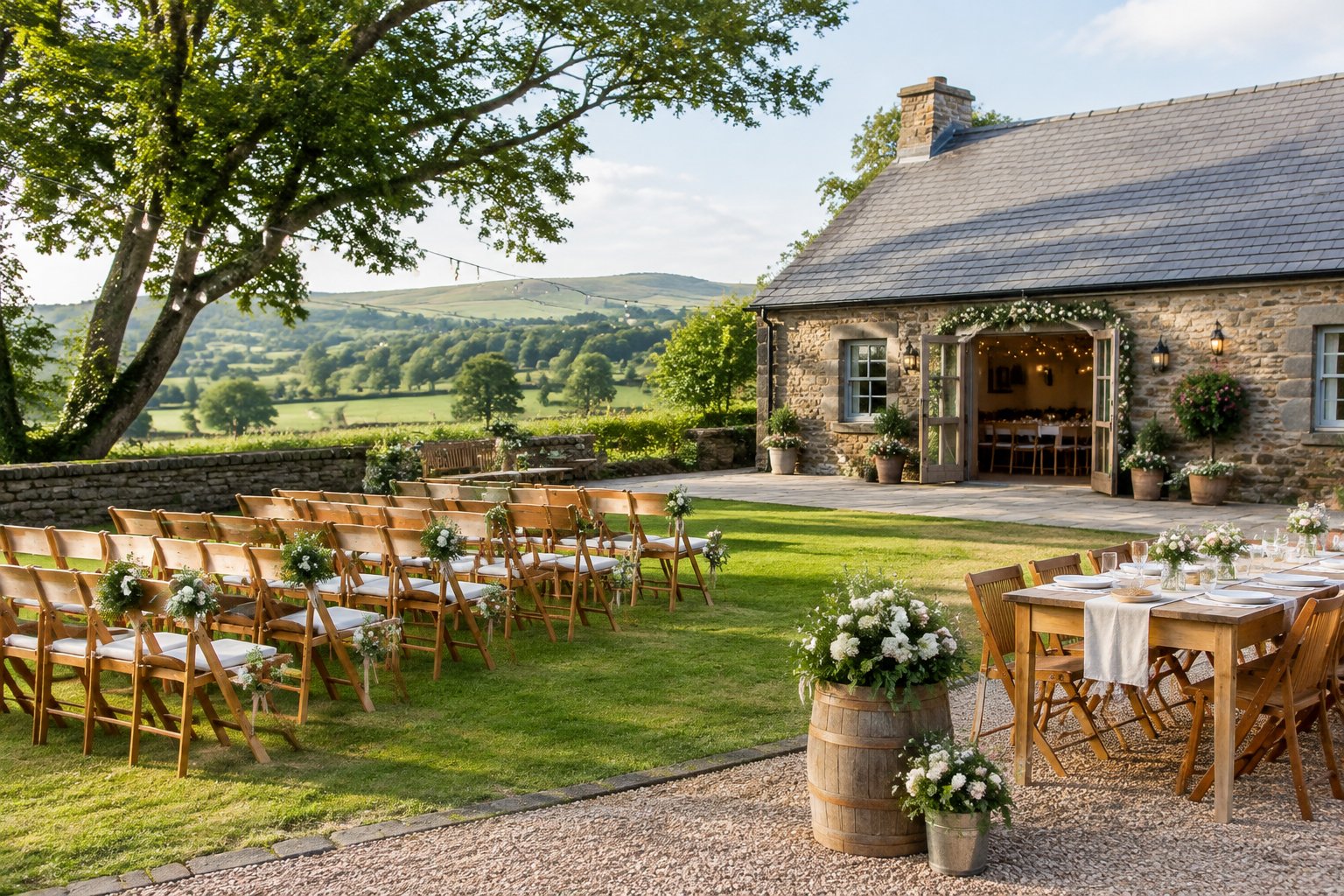
Cheshire offers barns, village inns, country estates, and restored buildings within reach of Chester. Historic features, gardens, and mature grounds provide visual interest with less need for added styling.
Ask about weekday packages, winter dates, smaller reception rooms, and nearby guest accommodation. Check parking and road access if guests are traveling from across the region.
Lancashire, Preston, and the Ribble Valley: Countryside Value
Lancashire, Preston, and the Ribble Valley give you rural settings close to town services and major roads. You can compare barns, hotels, golf venues, and community-style event spaces with different capacity levels.
Look for a venue that can host the ceremony, meal, and dancing in connected rooms. Confirm that parking, tables, chairs, catering, and cleanup appear in the quote.
Greater Manchester: Accessible City and Suburban Options
Greater Manchester provides city hotels, converted buildings, restaurants, and suburban event spaces. A venue near public transport can help guests avoid long taxi journeys or overnight stays.
Manchester spaces such as Manchester Hall show how character and practical event facilities can work together. Ask about room exclusivity, noise limits, access hours, nearby parking, accommodation rates, and supplier rules.
The M60 also makes several suburban locations easier to reach from different parts of the region.
Cumbria and the Lake District: Destination-Wedding Trade-Offs
Cumbria and the Lake District National Park offer lakes, hills, historic towns, and a destination feel. Hotels and country venues may combine the ceremony, reception, rooms, and breakfast into one booking.
Travel time can increase guest transport, accommodation, and supplier costs. Request a full quote that includes parking, room availability, breakfast, access hours, and any travel charges from external suppliers.
Venue Examples to Add to Your Viewing List
The Plough Inn, Holland Hall, Manchester Hall, Hidden River Cabins, New House Farm, Gilpin Lake House, and Askham Hall give you useful examples across rural, city, lakeside, and country-house styles. Treat these names as viewing-list options, then compare their current quotes for your date and guest count.
A venue’s setting can attract you, while its package structure determines how much work and extra spending remains after booking.
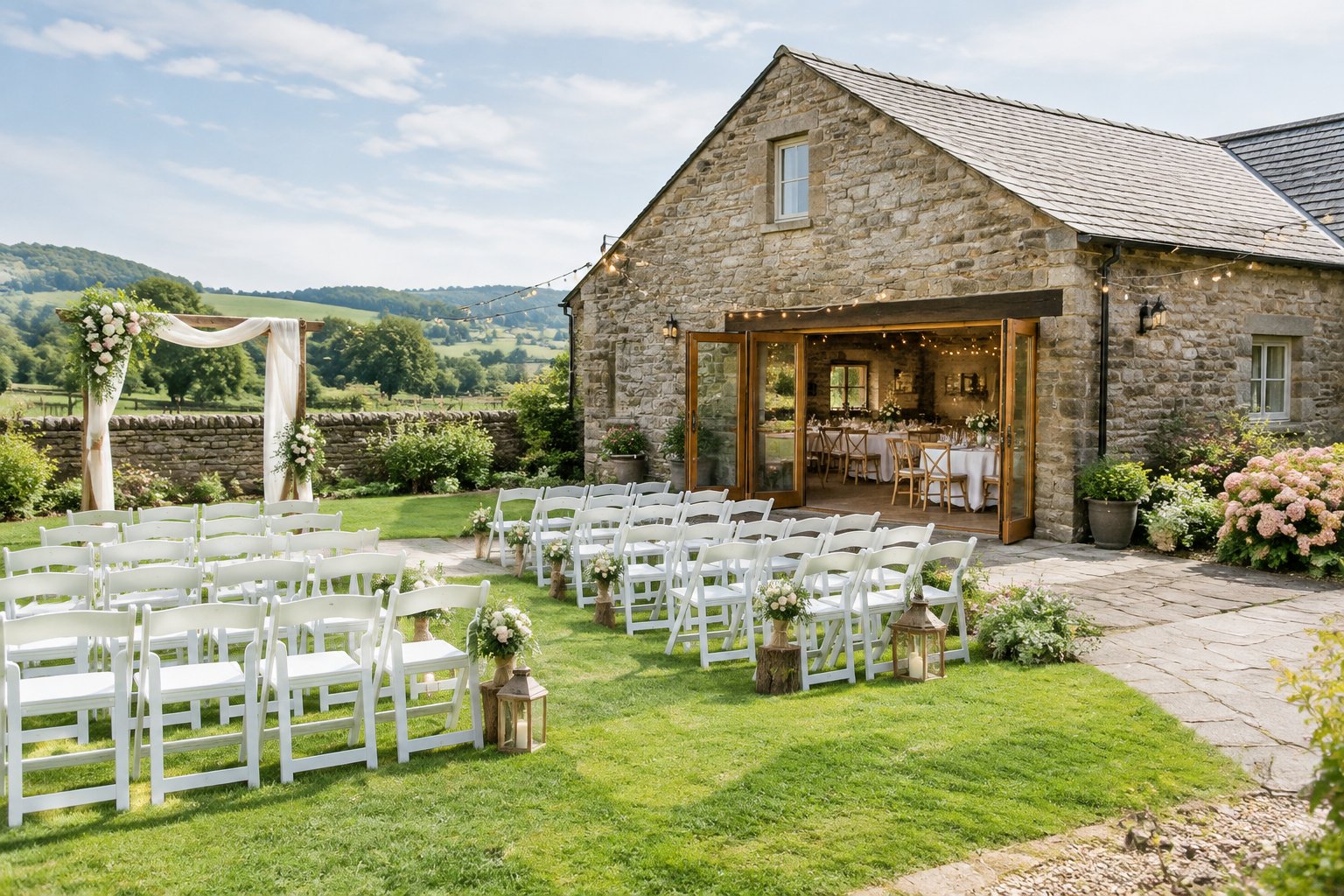
Characterful Options in Cheshire and Lancashire
The Plough Inn can suit couples seeking an inn-style celebration with a relaxed atmosphere. Holland Hall offers a country-house setting to compare with smaller rural venues in Lancashire.
During a viewing, ask which rooms are included, how the venue handles the ceremony and evening reception, and whether the package includes furniture, food, drinks, staff, and cleanup.
New House Farm provides another countryside style for comparison. Check its access arrangements, wet-weather plan, supplier rules, parking, and accommodation options.
Manchester and Cumbria Venues to Compare
Manchester Hall gives you a city setting with transport links and a distinctive building. Hidden River Cabins offers a rural stay-based format, while Gilpin Lake House brings a lakeside country-house style to the comparison.
Ask each venue for the same quote structure. Record hire, food, drinks, ceremony fees, guest rooms, minimum spend, service charges, setup time, and finish time in one comparison sheet.
Askham Hall adds a historic Cumbrian option. Its location can create a memorable setting, while travel and accommodation need careful planning for guests.
How to Assess a Venue Before Booking
Use your viewing to check the details that photographs cannot show:
- Exact ceremony and reception rooms
- Guest capacity for dining and dancing
- Heating, lighting, toilets, and power
- Parking and accessible routes
- Setup and supplier arrival times
- Wet-weather arrangements
- Catering and bar restrictions
- Music, candle, décor, and finish-time rules
- Accommodation and breakfast costs
- Deposit, cancellation, and damage terms
Request an itemized contract before paying a deposit. Compare every venue using the same guest number, meal plan, drinks service, and reception hours.
How to Keep Your Final Venue Bill Down
Choose an off-peak date, match the room to your guest count, and request itemized food, drink, supplier, and travel costs before signing. These decisions reduce both the quoted venue price and the extra charges that follow it.
Your shortlist should include venues with clear terms, practical access, and a package that fits the way you want to celebrate.
Book Off-Peak Dates and Consider Midweek
Friday, Sunday, winter, and early-spring dates can cost less than peak Saturday dates. Ask about January, February, November, school-holiday periods, and daytime celebrations.
Confirm the date, access time, supplier arrival window, music finish, and cleanup deadline in writing. A lower rate loses its value if you need several paid extension hours.
Match Capacity Closely to Your Guest Count
Every additional guest affects food, drinks, seating, staff, tableware, and room size. A room designed for 50 guests may feel more comfortable and cost less than a large hall priced for 120.
Ask for quotes at several guest counts. Keep children’s meals, supplier meals, evening guests, and accommodation as separate lines so you can see which choices drive the total.
Ask the Right Questions About Food, Drinks, and Suppliers
Confirm menu choices, tasting fees, supplier meals, evening food, bar hours, corkage, cake cutting, service charges, and VAT. Ask whether external caterers need approval or pay kitchen and cleanup fees.
Compare in-house catering with outside suppliers using the complete cost, including delivery, equipment, staffing, insurance, and cleanup. A package with fewer choices can still suit your budget when it includes the practical service you need.
Check Guest Travel and Overnight Costs
Review the route from the M6, M60, or other main roads, along with parking, public transport, taxi availability, and nearby accommodation. A rural venue with a lower hire fee can add costs for guest rooms and transport.
Ask about room blocks, breakfast rates, shuttle arrangements, and supplier travel charges. Include these figures in your venue comparison before you make a booking decision.