
Cheap Wedding Venues Toronto: Costs and Ideas
Finding cheap wedding venues Toronto couples love starts with comparing the full event cost, not only the room rental. Restaurants, community halls, chapels, galleries, gardens, and smaller Toronto wedding venues can create a beautiful celebration with a smaller wedding budget.
Your guest list, date, catering plan, and alcohol policy will shape the final price.
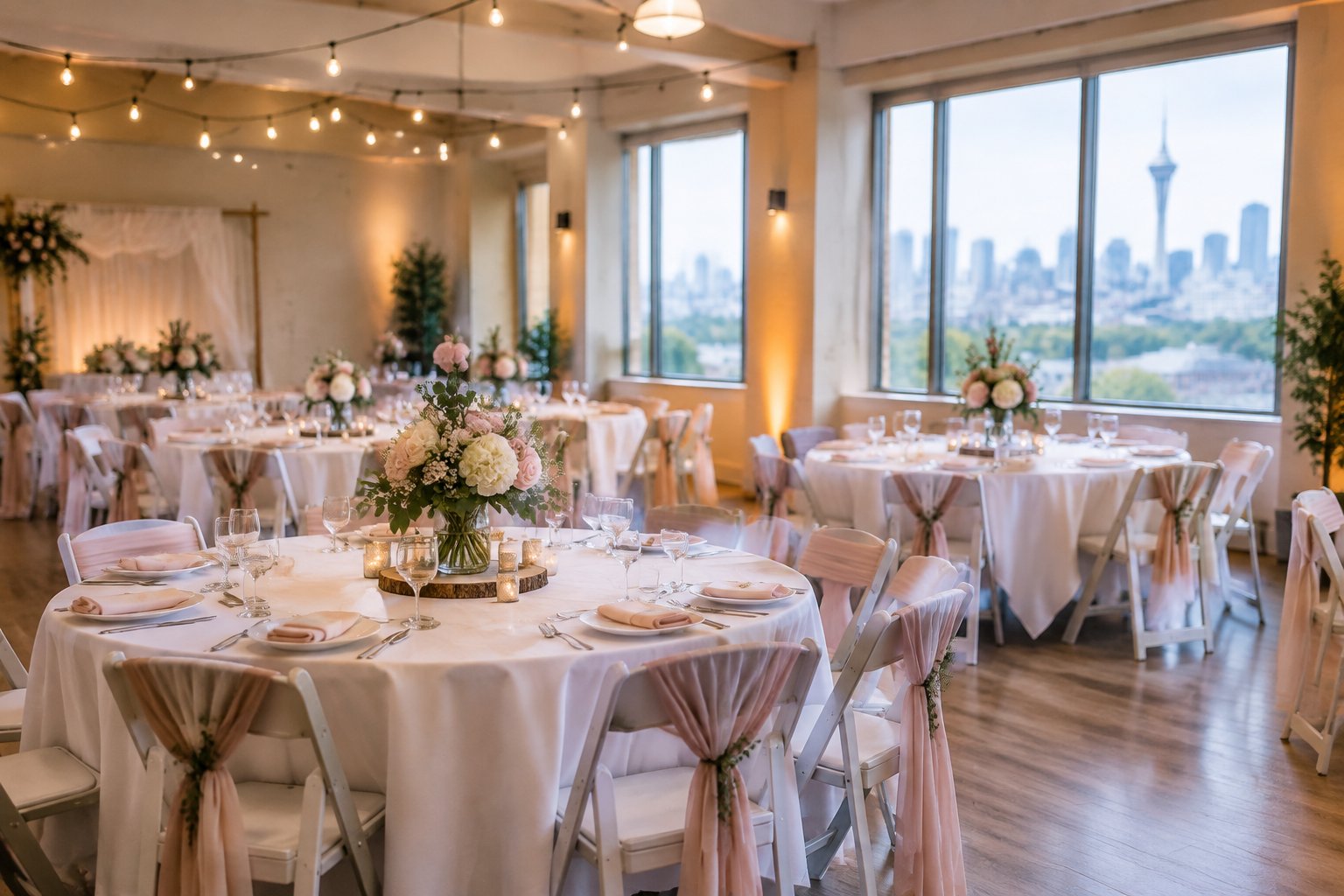
Affordable wedding venues in Toronto often reward flexible planning. A weekday date, shorter reception, or space with built-in character can reduce rental and decoration costs while keeping your ceremony and reception personal.
Start by setting your guest count and total venue limit, then request detailed quotes from several affordable wedding venues. You can also compare more ideas through this guide to affordable wedding venues Toronto before booking a tour.
How Much Do Lower-Cost Toronto Venues Cost?
Lower-cost Toronto venues range from modest room-hire prices to full per-person packages, with the best value revealed by the complete quote. Tagvenue listings show how widely event pricing can vary, while each venue sets its own hire fee per hour, minimum spend per event, or package rate.
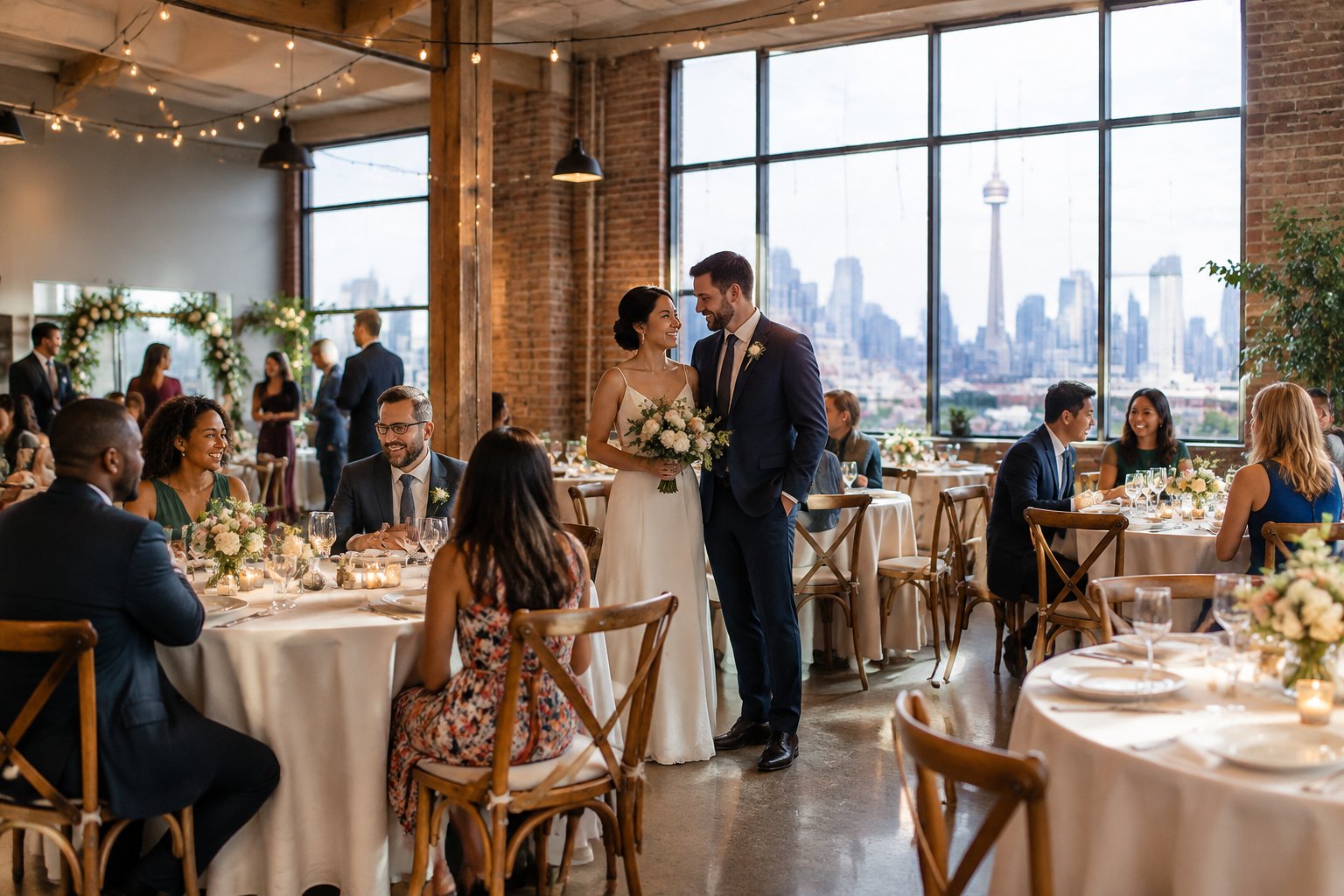
Your final bill can include food, staffing, rentals, taxes, service charges, setup time, cleanup, security, and insurance. Ask for each cost in writing before you compare spaces.
Per-Person Packages
A per-person package gives you a clear starting point for wedding catering. Ask what menu, staffing, tables, chairs, linens, bar service, and dessert are included.
Confirm whether the quoted rate covers only dinner or also includes cocktail service and late-night food.
An all-inclusive wedding package can suit you when you want one team to manage the main event details. Compare all-inclusive wedding packages by guest count and included services, since a lower package price may have fewer menu choices or limited room access.
Hourly Hire Fees, and Minimum Spends
An hourly hire fee suits a short ceremony, cocktail reception, or small dinner. Calculate the full rental period, including vendor setup, guest arrival, teardown, and cleanup.
A minimum spend per event means you commit to a set amount for food and drinks. This structure can offer value when your guest list fills the room, while a small celebration may leave you paying for unused capacity.
Ask about overtime rates and minimum staffing levels.
What an Itemized Venue Quote Should Include
Request a quote that lists:
- Room rental and access hours
- Tables, chairs, linens, and basic furniture
- Wedding catering, staffing, and service fees
- Bar package, corkage, or outside alcohol rules
- Audio-visual equipment and power access
- Setup, teardown, cleaning, and security
- Taxes, gratuities, insurance, and damage deposits
- Floral arrangements, décor restrictions, and vendor fees
- Bridal suites or other private preparation rooms
Check whether the event spaces allow your preferred photographer, caterer, decorator, and DJ. A flexible vendor policy can reduce costs when you already have trusted suppliers.
When All-Inclusive Packages Offer Better Value
An all-inclusive wedding package offers better value when it includes services you would otherwise rent separately. Food, tables, linens, staff, basic lighting, and room setup in one price can make budgeting easier.
Choose an itemized rental when you want control over vendors, menu design, or wedding decorations. Add every outside cost to your spreadsheet before deciding which structure costs less.
Choose a Venue Type That Fits Your Guest List
Restaurants, community centers, chapels, galleries, and outdoor spaces give you practical ways to match your guest list with your budget. The right setting also affects how much decoration, transportation, furniture, and event staffing you need.
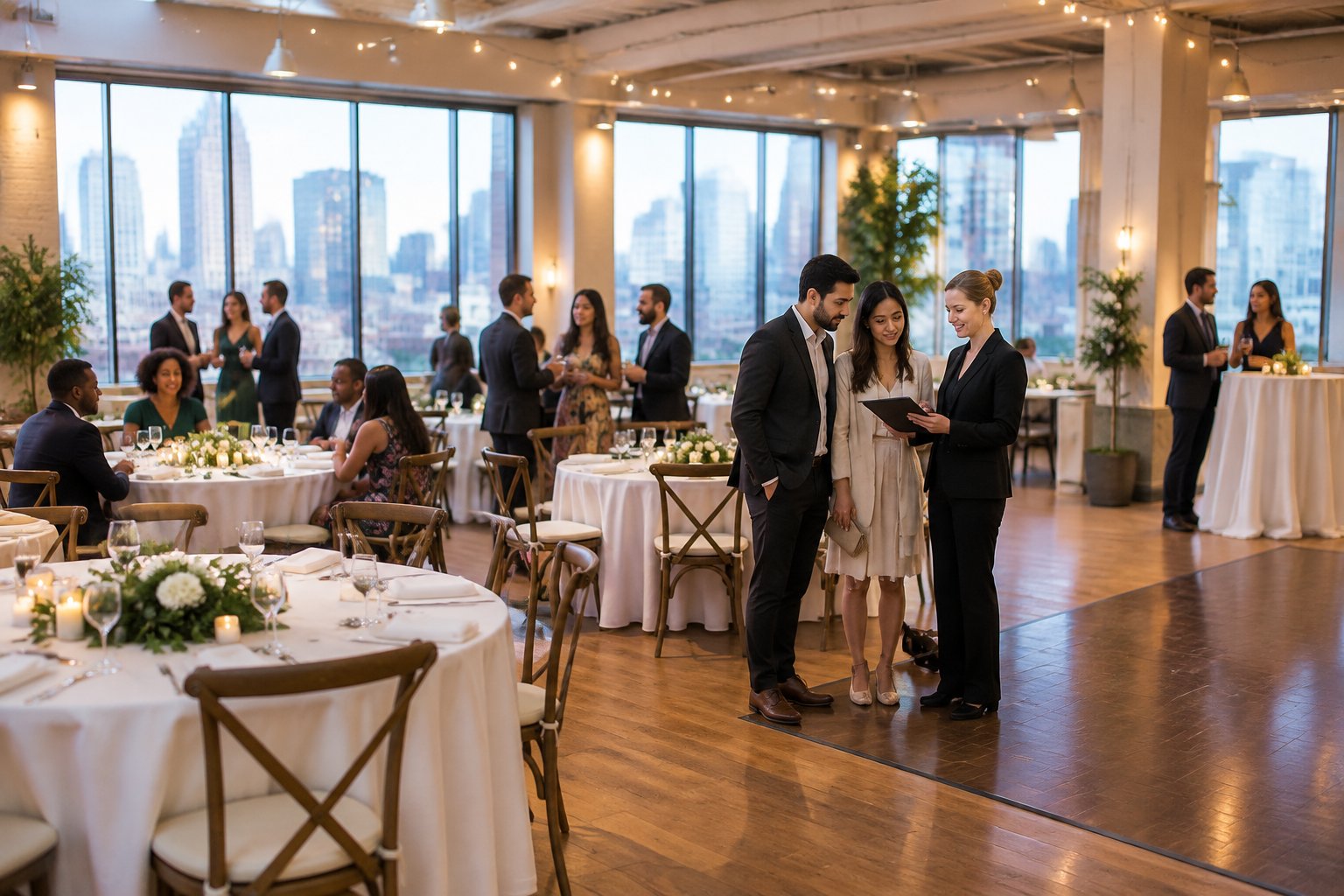
Choose a room that fits your planned layout, not an oversized space that requires extra décor. Check guest comfort, accessibility, washrooms, parking, transit, and the rules for music and alcohol before you sign.
Restaurant Buyouts and Private Dining Rooms
A restaurant wedding venue can simplify your meal plan because the kitchen, service team, tables, and dishware are already in place. Private dining rooms suit smaller guest lists and create a warm setting with little extra décor.
Ask whether the restaurant allows a full buyout, plated dinner, buffet service, cultural menu requests, or a late reception. Confirm the room’s end time, music policy, bar minimum, and gratuity before comparing restaurant wedding venues in Toronto.
Community Halls, Chapels, and Churches
Community centers and halls provide open layouts for a wedding ceremony, dinner, dancing, or cultural traditions. You may gain more control over wedding catering and decorations, though you might need to arrange rentals and cleanup.
Chapels and churches work well when the ceremony is your priority. Ask about reception rules, sound limits, photography, required officiants, and access for guests with mobility needs.
Galleries and Historic Event Spaces
Art galleries and historic buildings give you natural character through exposed brick, high ceilings, woodwork, or natural light. These details can reduce your decoration list and create a distinctive backdrop for photos.
Ask about hanging décor, candles, food preparation, alcohol service, security, and delivery access. A gallery may suit a cocktail-style reception, while a historic schoolhouse or banqueting hall may offer better room flow for a seated meal.
Gardens, Parks, and Other Outdoor Settings
Gardens, parks, and other outdoor wedding venues offer scenic surroundings for a ceremony and reception. Confirm permits, rain plans, washrooms, power, lighting, seating, noise limits, and accessibility.
An outdoor space can reduce decoration needs when the landscape provides the main backdrop. Include tent, flooring, heating, lighting, delivery, and weather-related fees in your budget before choosing the site.
Toronto Spaces Worth Comparing for Value
Toronto has character venues and community event spaces that deserve a detailed cost comparison before you focus on traditional banquet rooms. Each named venue has a different style, capacity, location, and service model, so request current wedding pricing and availability directly.
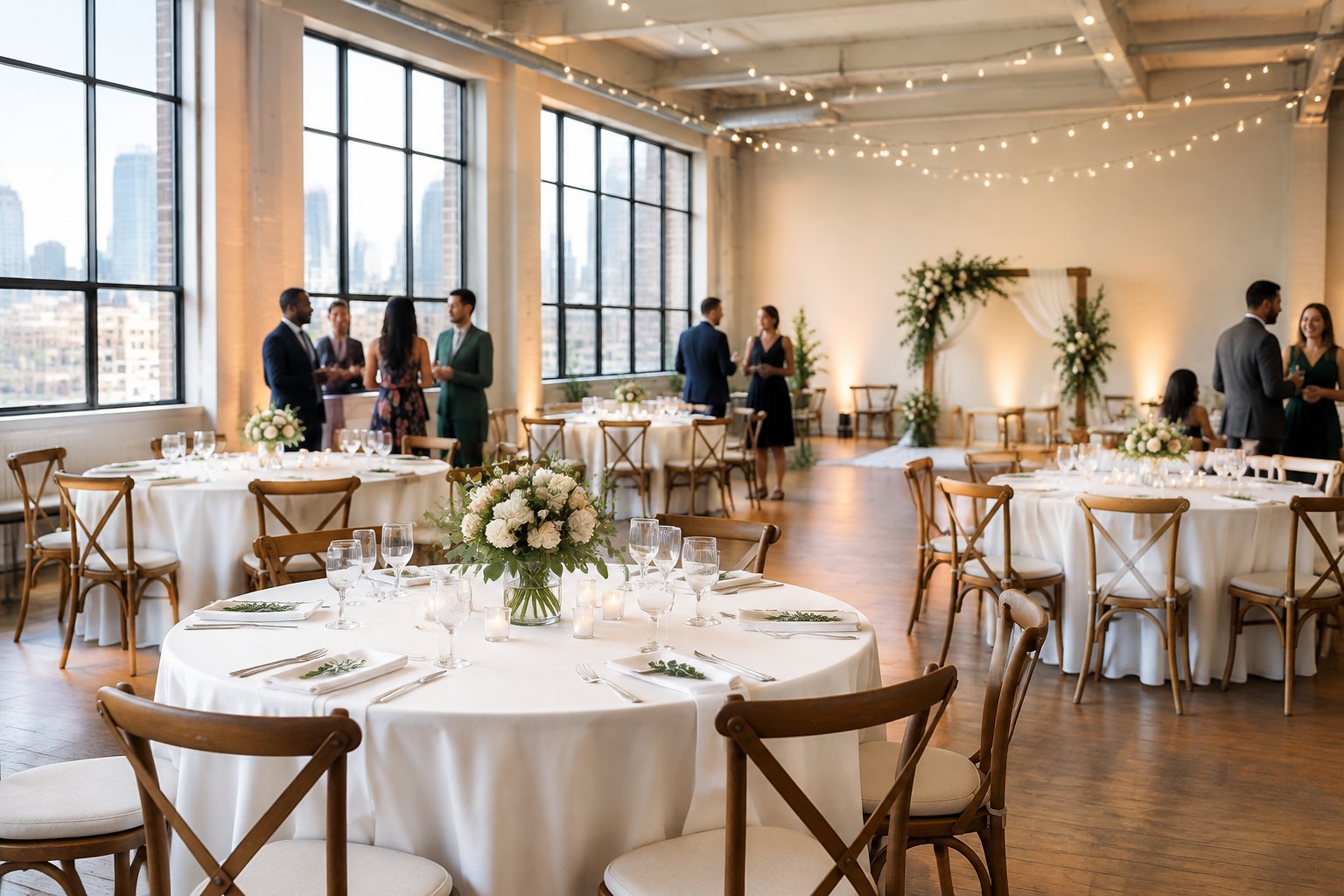
A lower rental fee does not automatically create a lower event total. Compare access hours, catering rules, furniture, staffing, taxes, transportation, and required vendors alongside the room price.
Character Venues for Intimate Celebrations
Wychwood Barns brings industrial character and flexible event possibilities to a former streetcar facility. Its distinctive architecture can support a relaxed reception with a focused décor plan.
The Enoch Turner Schoolhouse offers historic rooms suited to smaller celebrations. Ask about guest capacity, reception layout, catering access, and event hours.
The Great Hall provides an urban heritage setting with strong architectural details. Compare its room rental with the cost of lighting, furniture, staffing, and any required event services.
Flexible Cultural and Community Event Spaces
Daniels Spectrum offers a modern cultural setting in Regent Park with rooms designed for community and private events. Its flexible layout may suit a ceremony, dinner, dance floor, or reception with a cultural program.
Ask each cultural or community venue about vendor freedom, kitchen access, bar service, audio-visual equipment, and setup windows. These details affect the amount of outside rental work you need to coordinate.
Garden and Waterfront Options
Toronto Botanical Garden provides a garden setting with built-in natural scenery and seasonal appeal. Confirm which areas are available for your wedding ceremony and reception, along with rain coverage and guest access.
The Boulevard Club offers a waterfront event setting with views and indoor reception options. Ask for a complete food-and-beverage proposal, parking details, room access times, and any membership or event requirements that affect your quote.
Ways to Reduce the Total Venue Bill
You can lower the total venue bill by reducing logistics, choosing a flexible date, and paying only for the space and services your plans require. Guest count remains a major cost driver, while vendor rules and room size shape the extra charges around it.
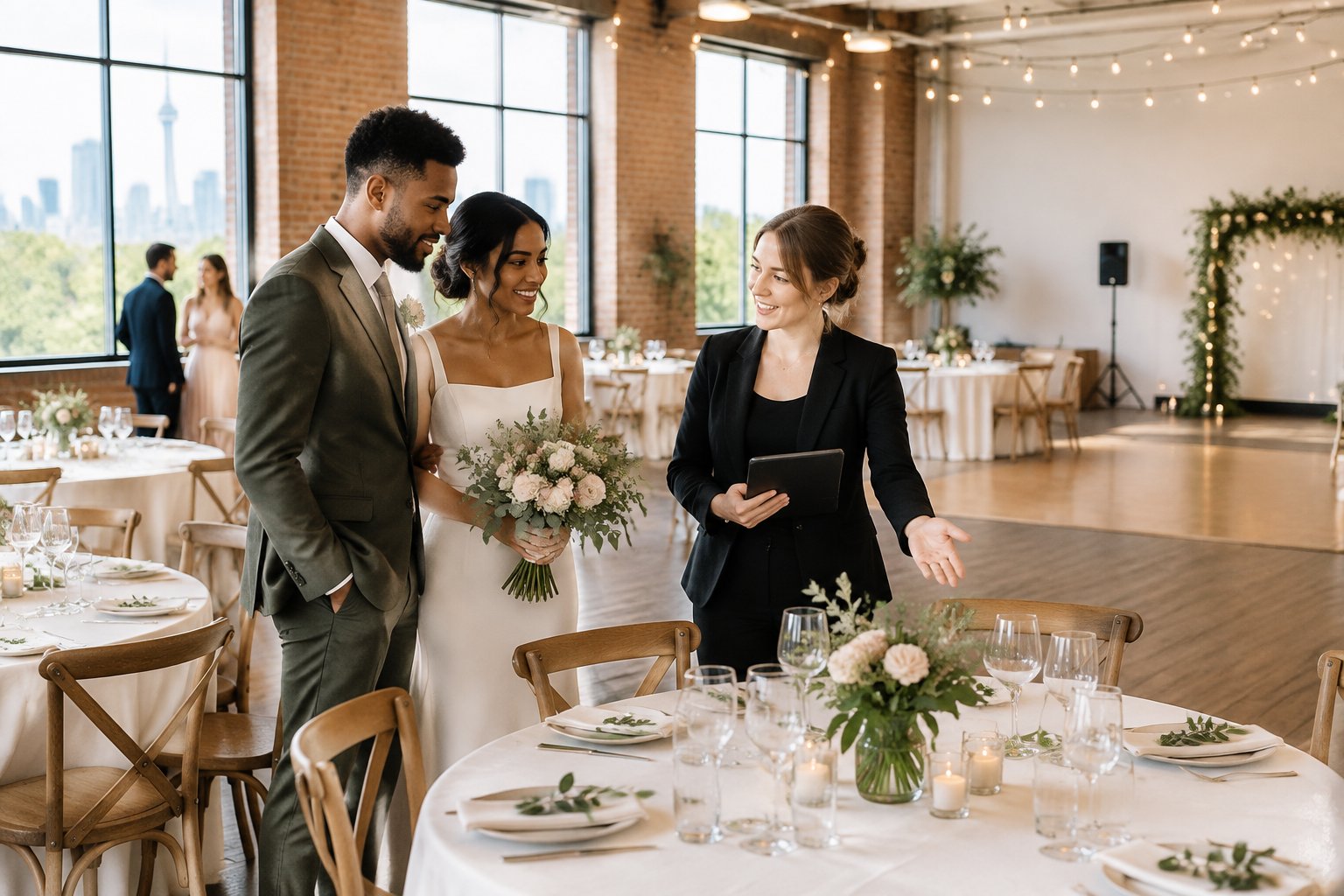
Build your quote around the complete event: ceremony, reception, meals, drinks, rentals, décor, setup, cleanup, and transportation. Use the same checklist for every venue so the comparison stays fair.
Combine the Ceremony and Reception
Holding your wedding ceremony and wedding reception at one venue removes a second rental, travel between sites, and a separate setup period. Guests also have a simpler schedule.
Ask whether the room can change from ceremony seating to dinner seating during a cocktail hour. Confirm the turnover plan, staff charge, floral relocation fee, and access time before choosing a combined layout.
Use an Off-Peak Date or Shorter Reception
A weekday, Sunday, winter, or daytime date can open more affordable rates. Contact venues with several possible dates and ask whether pricing changes by season, day, or reception length.
A shorter reception can reduce room hire, staffing, bar, and overtime costs. Set a clear end time and include enough access for setup and cleanup.
Review Outside Catering and Alcohol Policies
Outside catering can help when a venue permits your preferred supplier and kitchen arrangement. Ask about prep space, serving staff, dishware, cleanup, delivery, and catering insurance.
Some venues allow you to bring your own alcohol, while others require an in-house bar or approved provider. Compare corkage, bartender, liquor license, glassware, refrigeration, and service fees before choosing a lower-priced room.
Match the Space Size to Your Plans
Choose a room that fits your guest list and planned floor plan. An oversized event venue can require more décor, lighting, furniture, and heating.
Measure the space needed for dining tables, a dance floor, DJ or band equipment, buffet stations, a bar, gifts, and accessible pathways. A smaller room with natural light or strong architectural details can deliver a finished look with fewer wedding decorations.
Expand the Search Beyond Downtown Toronto
Mississauga, Vaughan, Scarborough, and Etobicoke can give you more room choices and parking while keeping you within reach of Toronto guests. Compare the venue quote with travel, taxi, shuttle, accommodation, and vendor delivery costs before choosing a location outside the core.
Look across wedding venues in Ontario and the wider GTA when downtown prices exceed your budget. Use the same guest count, meal plan, access hours, and service checklist for every event venue.
Mississauga and Vaughan Options
Mississauga wedding venues often appeal to larger guest lists because banquet rooms, hotels, and cultural halls may offer substantial capacity and parking. Ask about transit access, room divisions, catering packages, and evening noise rules.
Vaughan wedding venues can suit couples seeking larger halls, flexible layouts, or easy highway access. Request details about minimum spends, setup windows, décor policies, and transportation for guests without cars.
Scarborough and Etobicoke Event Spaces
Scarborough offers community, cultural, restaurant, and banquet options across a wide range of guest capacities. Focus your search on spaces near major transit routes if many guests will travel from central Toronto.
Etobicoke event spaces can provide waterfront access, gardens, hotel rooms, and parking. Confirm travel time during your reception hours, especially if guests will use taxis or rideshare services.
How to Compare GTA Travel and Vendor Costs
Create one budget sheet with these lines:
- Venue rental or minimum spend
- Food, bar, staffing, and service charges
- Taxes, insurance, security, and deposits
- Parking, shuttle, taxi, or rideshare costs
- Vendor delivery and travel fees
- Guest accommodation
- Setup, cleanup, furniture, and lighting
Ask each venue for a complete quote using the same date, guest count, menu style, and reception length. Then compare the total cost per guest and the practical travel plan before you book.