
Cheap Wedding Venues With Lodging: How to Save More
A wedding venue with lodging helps you control the full celebration cost by combining event space, guest rooms, and weekend logistics in one place. For couples who want the strongest value, an affordable inn, lodge, estate, or retreat with on-site lodging usually works best because it can reduce hotel coordination, transportation, and extra event-space fees.
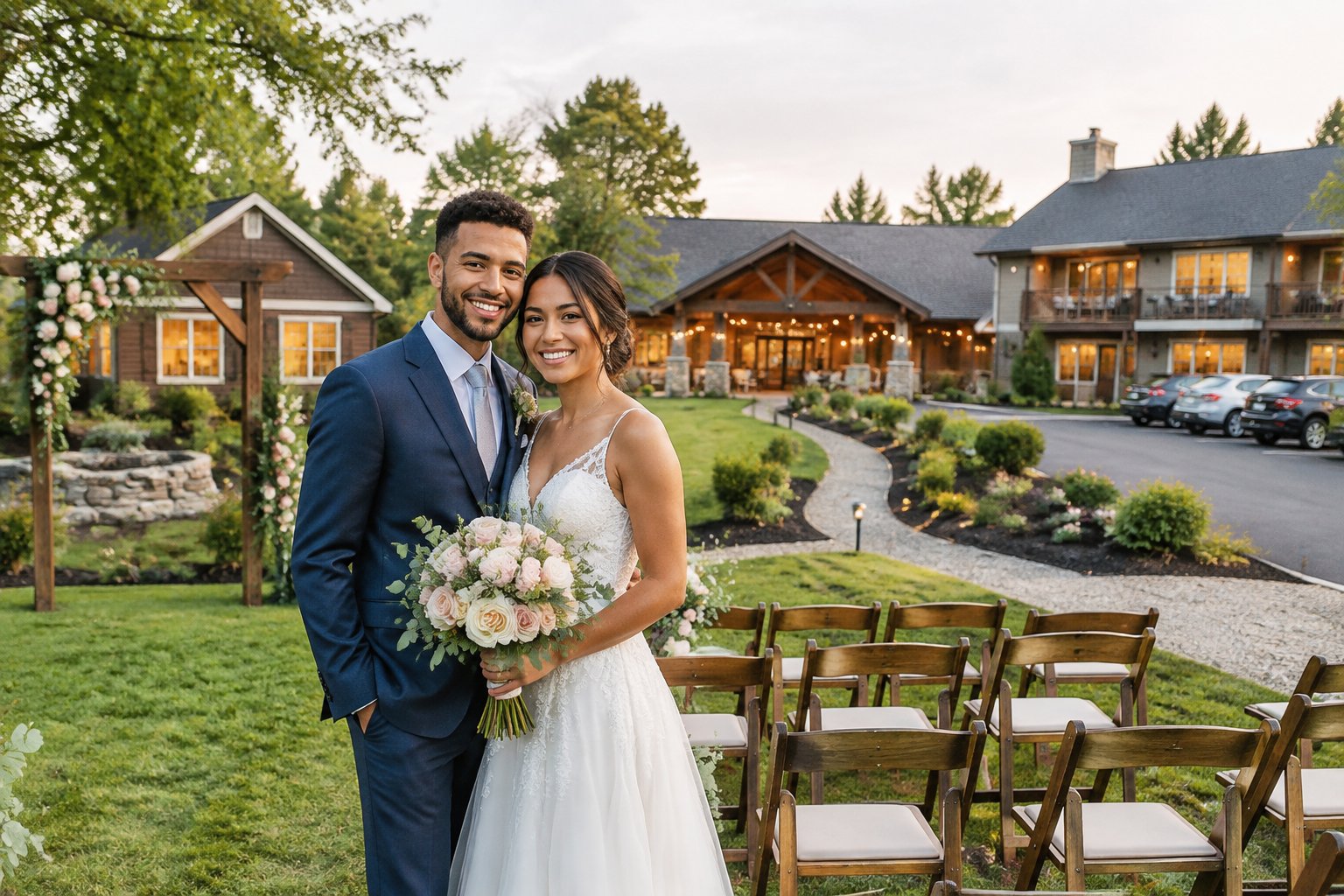
Start by comparing the complete wedding venue cost, including rooms, catering, rentals, taxes, service charges, parking, and transportation. A low rental fee can grow after you add hotel blocks and shuttles. A property with a higher starting price can deliver better value when it includes guest accommodations and full weekend access.
You can also save by choosing a smaller guest list, a weekday date, an off-season weekend, or a venue that permits outside vendors. Browse cheap wedding venue ideas for more ways to keep your celebration personal and polished. Then request an itemized quote from each property before you schedule tours.
What Makes Lodging Inclusive Wedding Venues a Better Value?
Lodging-inclusive venues offer better value when the combined price of venue rental, rooms, transportation, and extra events stays below the cost of coordinating each piece separately. You gain a shared setting for your ceremony, reception, and overnight stay.
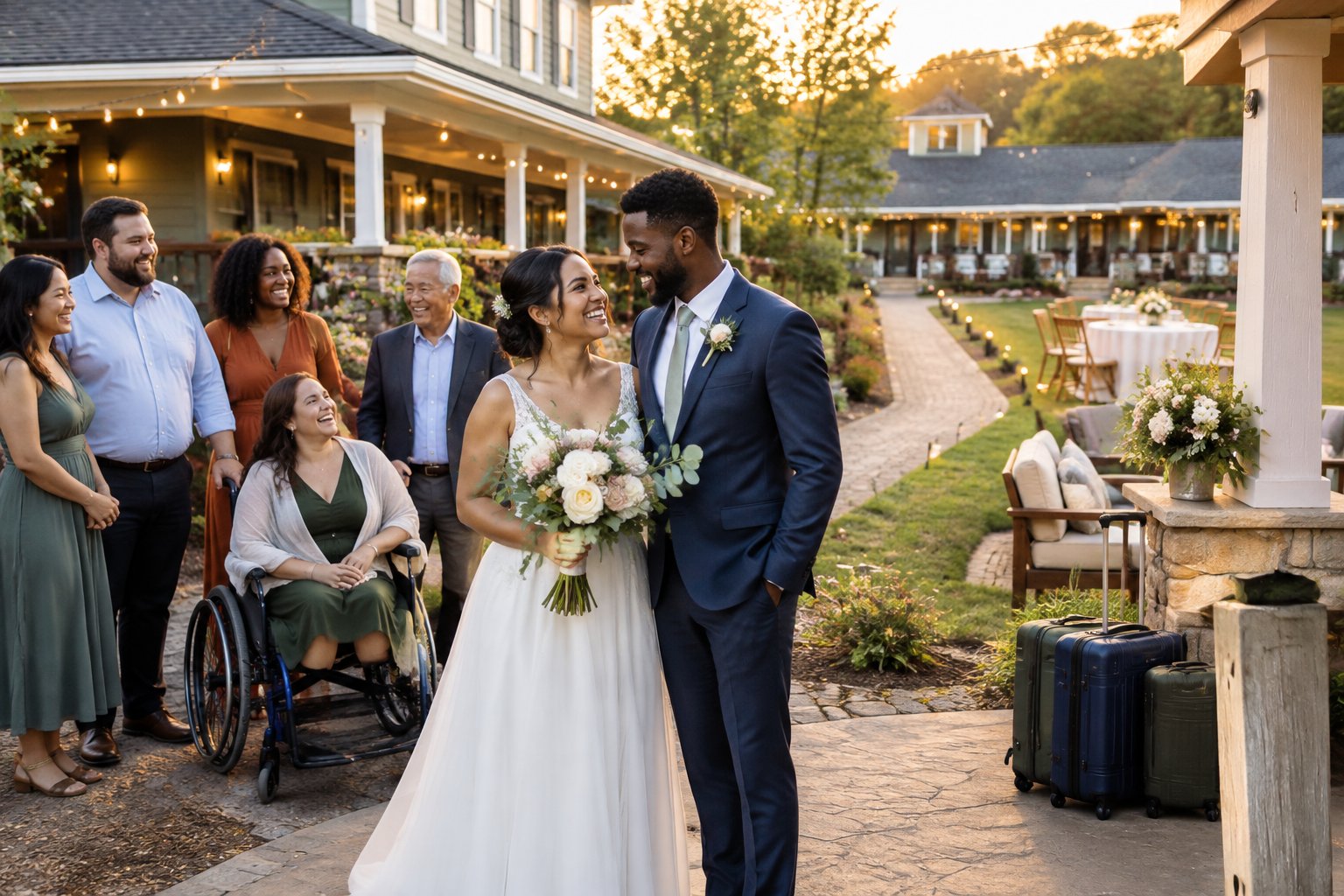
Compare a Venue Rental and Hotel Block to a Full Buyout
A standard venue plus hotel block gives you separate contracts, travel plans, and room assignments. A full buyout reserves the property and its lodging for your group during a set period.
Compare these costs side by side:
- Venue rental
- Hotel rooms or required room nights
- Shuttle service and rideshares
- Rehearsal dinner space
- Getting-ready rooms
- Parking and overnight security
- Cleanup, taxes, and service charges
A buyout can cost more upfront, especially for a large property. It gives you greater control over the schedule and helps guests move between events without extra transportation.
How Full Weekend Access Changes the Wedding Experience
Full weekend access gives you time for a welcome dinner, rehearsal gathering, wedding day preparations, and a farewell breakfast. Guests can settle in, meet each other, and rest between events.
Ask when your rental begins and ends. Some properties offer Friday afternoon through Sunday morning, while others charge more for early access or an extended departure. Confirm whether shared areas, kitchens, lawns, pools, and lounges remain available throughout your stay.
Destination weddings gain the most from this arrangement because guests already travel for the celebration. Keeping rooms and events together reduces driving and gives you a more connected schedule.
When Ceremony and Reception in One Place Saves Money
One property can reduce ceremony fees, transportation, setup time, and décor duplication. You might move ceremony flowers to the reception area and use the same chairs for both spaces.
Ask how guests transition between the ceremony and reception. A nearby cocktail area gives the venue team time to reset the ceremony space. Also confirm whether the package includes tables, chairs, linens, sound equipment, staff, and cleanup.
Set a Realistic Budget Before You Tour
Set your full wedding budget before touring so you can compare the true wedding venue cost instead of reacting to a beautiful space. Include lodging, food, rentals, travel, taxes, service charges, and a contingency fund.

Use a spreadsheet to record each quote. Resources such as how do you make a realistic wedding budget can help you divide your available funds before you sign a contract.
How Much Does a Wedding Venue With Lodging Cost?
Prices vary by guest count, location, season, property size, and package details. A small inn with a few rooms can have a lower site fee and limited sleeping capacity. A private estate or lodge with a full buyout can cost more while covering several nights and shared spaces.
Build three estimates for each venue:
- Wedding day only
- Wedding day plus nearby hotel rooms
- Full weekend with on-site lodging
Include the room cost even when guests pay for their own accommodations. You still need to check minimum room nights, deposits, booking deadlines, and responsibility for unfilled rooms.
Which Fees Should You Ask About Up Front?
Request an itemized proposal before you tour. Ask about:
- Venue rental or buyout fee
- Ceremony and reception charges
- Catering and bar minimums
- Room rates and required nights
- Tables, chairs, linens, and dinnerware
- Setup, breakdown, and cleanup
- Service charges, taxes, and gratuity
- Cake-cutting and corkage fees
- Outside-vendor and delivery fees
- Parking, security, and insurance
- Overtime and late-night charges
- Vendor meals
Check whether “all-inclusive” covers lodging or only wedding services. The Knot can help you review local listings, yet you still need a written quote from each venue because package terms vary.
How Weekday Weddings and Off-Season Dates Lower Prices
Weekday weddings and off-season dates often bring lower rental rates and better availability. Consider Thursday, Friday, Sunday, winter, or early spring dates if your guests can travel during those periods.
Ask for pricing across several dates. A venue might offer a lower site fee on a Sunday while keeping the same catering menu. You can also save by choosing a shorter reception, a brunch format, or a one-night stay when the property allows it.
Choose the Right Venue Type for Your Guest List
The right property matches your guest count, sleeping needs, event style, and budget. Inns, farms, public spaces, and event centers each offer different levels of privacy, flexibility, and on-site lodging.
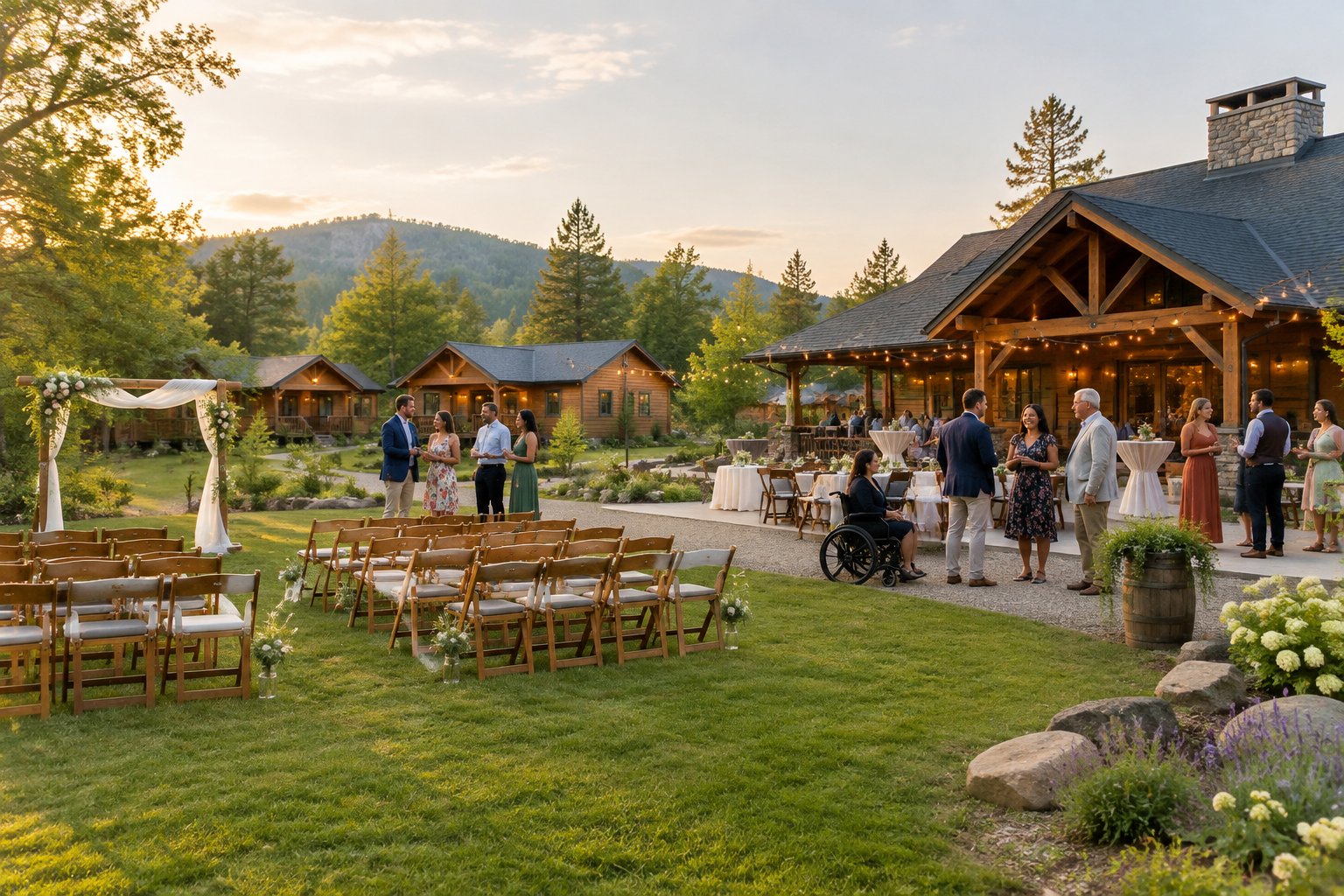
Inns, Lodges, and Estates for Overnight Wedding Weekends
An inn or lodge works well for a small or midsize group that wants shared meals and a relaxed weekend. Estates may offer guest cottages, private suites, gardens, kitchens, and indoor rooms for weather changes.
Check the sleeping layout carefully. Count beds, bathrooms, accessible rooms, parking spaces, and private areas for guests who need quiet. Ask about minimum stays, house rules, music limits, and kitchen access before booking.
Vineyards, Orchards, and Farms With Guest Accommodations
Vineyards, orchards, and farms provide natural ceremony backdrops and space for outdoor receptions. Guest cottages or nearby cabins can turn the property into a weekend gathering.
Ask about uneven paths, restroom access, lighting, noise rules, pest control, and transportation after dark. Find out whether the venue supplies tables, power, restrooms, rain protection, and a hard surface for dancing.
Ballrooms, Banquet Halls, and Event Centers Near Rooms
A ballroom, banquet hall, or event center can suit a larger guest list. These spaces often sit near hotels, restaurants, and major roads, which helps traveling guests.
Compare the venue rental costs with hotel rates and shuttle prices. Ask if the property has a partner hotel, a room-block agreement, or a preferred transportation company. Confirm the distance between the venue and guest rooms for older relatives and guests with mobility needs.
Community Centers and Public Spaces for Flexible Budgets
Community centers and public spaces can offer affordable rooms with flexible layouts. You might bring your own caterer, decorations, playlist, or rentals, giving you more control over spending.
Nearby hotels, vacation rentals, and inns can provide the lodging plan. Ask about kitchen rules, alcohol permits, cleanup duties, insurance, setup time, and closing hours. Compare the rental plus required services with an all-in package before choosing.
Find Low-Cost Settings That Still Feel Special
Low-cost settings feel special when the location provides natural character, practical facilities, and enough room for guests to gather comfortably. Public parks, gardens, private homes, and mountain areas can reduce rental costs while giving you a memorable setting.
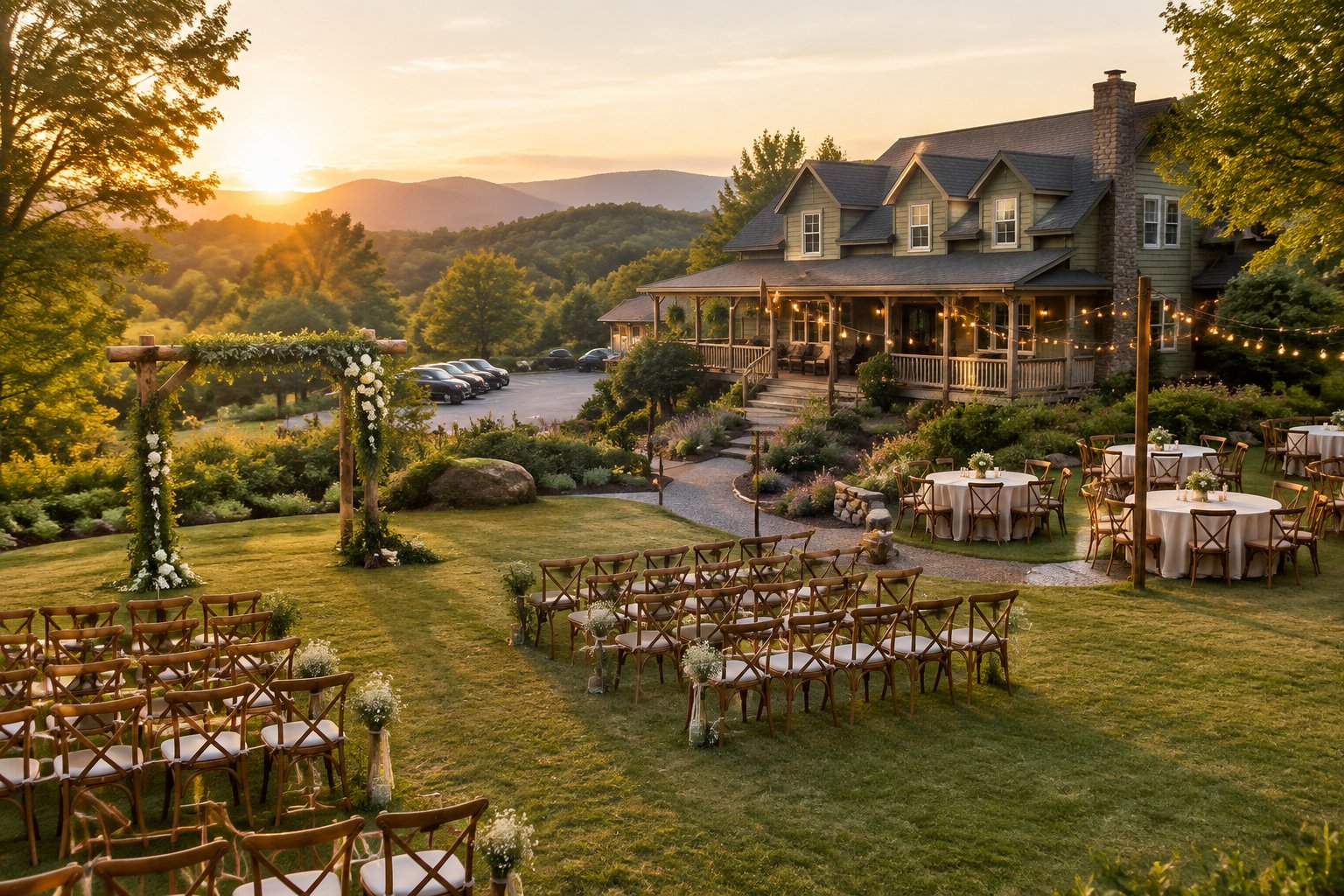
Public Parks and Gardens With Nearby Cabins or Inns
Public parks and gardens can offer lawns, water views, picnic shelters, and walking paths at modest rental rates. Nearby cabins or inns can handle overnight stays when the park does not offer lodging.
Ask the local authority about permits, guest limits, alcohol rules, amplified music, parking, restrooms, and cleanup. Include chair rentals, portable restrooms, lighting, and a weather backup in your budget.
Botanical Gardens and Covered Pavilions for Outdoor Celebrations
Botanical gardens provide built-in scenery that reduces the need for elaborate flowers and décor. Covered pavilions protect the ceremony or reception from light rain and strong sun.
Confirm the guest capacity, event hours, photography rules, vendor access, and backup location. Nearby hotels or rental homes can support guests who want to stay close to the garden.
Backyard Weddings With Room for an Overnight Plan
A backyard wedding can work well when the property has safe parking, restrooms, power, a level area, and enough space for dining and dancing. You can place close family or the wedding party in the home while other guests stay at nearby lodging.
Review local permits, noise rules, insurance, tent requirements, restroom needs, and cleanup. A home wedding can still require rentals, staffing, lighting, and waste removal, so price those items before setting your budget.
National Park and Mountain Options for Intimate Groups
National parks and mountain locations suit intimate celebrations with scenic ceremony spaces and smaller guest counts. Olympic National Park and Red Rocks offer distinctive landscapes, though each location has its own permit, access, and event rules.
Plan for changing weather, limited cell service, parking, restroom access, and travel time. Reserve nearby cabins, inns, or lodges early, then verify that the ceremony permit allows your guest count, décor, photography, and music plan.
Match the Property to Your Wedding Format
Match the property to the size and pace of your celebration before you compare décor. Micro weddings, elopements, and activity-based weekends need different layouts, room counts, and timing.
Micro Weddings, Elopements, and Small Guest Counts
Small guest counts open more affordable choices, including private homes, inns, cabins, and retreat properties. A property with a dining room and several bedrooms can support a close group without paying for a large event hall.
For elopements, prioritize a private ceremony space, a comfortable couple’s suite, photo access, and a simple meal plan. Ask whether the property permits an officiant, photographer, flowers, music, and a small dinner.
Plan Ceremony Spaces and Reception Flow
Choose a property where guests can move easily from lodging to the ceremony, cocktail hour, dinner, and dancing. A clear layout reduces transportation and makes the day easier for older guests and children.
Ask where vendors unload, where the wedding party gets ready, and where guests wait during a room reset. Confirm the indoor backup space and whether it holds the same guest count.
Make the Most of Seasonal Flowers and String Lights
Seasonal flowers cost less when they are available from local growers. Use a limited palette for bouquets, the ceremony area, and dining tables, then move arrangements during the reception.
String lights add warmth to patios, barns, and covered pavilions. Confirm power access, installation rules, fixture approval, and removal fees before ordering. Candles, greenery, and rented lanterns can add detail without filling every surface.
Build a Relaxed Weekend Around Activities
Choose activities that fit the property and guest group. Hiking, swimming, lawn games, horseback riding, and local food stops can fill the weekend without requiring a large hosted event.
Keep activities optional and provide clear costs, times, transportation details, and accessibility notes. A welcome meal and farewell coffee can create shared time while leaving guests room to rest.
Compare Locations and Confirm the Fine Print
Compare each property by its complete weekend cost, guest capacity, travel time, contract terms, and backup plans. The most attractive rate can change after you add lodging rules, vendor fees, permits, and transportation.
Evaluate Destination Wedding Travel and Room Capacity
Destination weddings require a guest travel plan before you book the venue. Map airports, drive times, nearby hotels, parking, and local transportation. Then compare those costs with on-site lodging.
Count beds by room type and confirm private bathrooms, accessibility features, check-in times, and minimum nights. Ask whether the venue requires all guests to stay on-site or allows a mix of property rooms and nearby accommodations.
Ask About Rehearsal Dinner, Vendor Rules, and Curfews
Ask whether the rehearsal dinner uses the same event space, a private dining room, or a separate fee-based area. Confirm menu minimums, bar rules, setup windows, and cleanup responsibilities.
Review outside-vendor rules for catering, photography, music, rentals, and décor. Check the music curfew, last call, reception end time, and overtime rate. A property such as The Red Earth Venue may have specific policies that affect your timeline, so request every rule in writing.
Check Permits, Weather Backups, and Accessibility
Outdoor venues need clear permit and weather plans. Ask who makes the weather call, when the backup activates, and whether guests can reach it without crossing mud, stairs, or steep paths.
Verify restrooms, parking, lighting, ramps, room access, shuttle routes, and seating options. Confirm whether tents, generators, portable restrooms, or heaters require separate approval and fees.
Consider Scenic Destinations From Moab to Telluride
Moab offers red-rock scenery and outdoor ceremony options, while Telluride provides mountain views and a smaller-town setting. Both require careful planning for travel, lodging, weather, permits, and guest comfort.
Compare lodging rates across nearby towns and check seasonal demand before choosing a date. A scenic location can fit your budget when you keep the guest list small, select a weekday, use local vendors, and reserve rooms early.