
Cheap Wedding Venues That Fit Your Budget
A beautiful wedding does not require a luxury venue. The best cheap wedding venues for most couples are city parks, community centers, courthouses, and small restaurants because they offer useful spaces at manageable rental costs. Your guest count, date, food plans, and rental needs determine the final price.
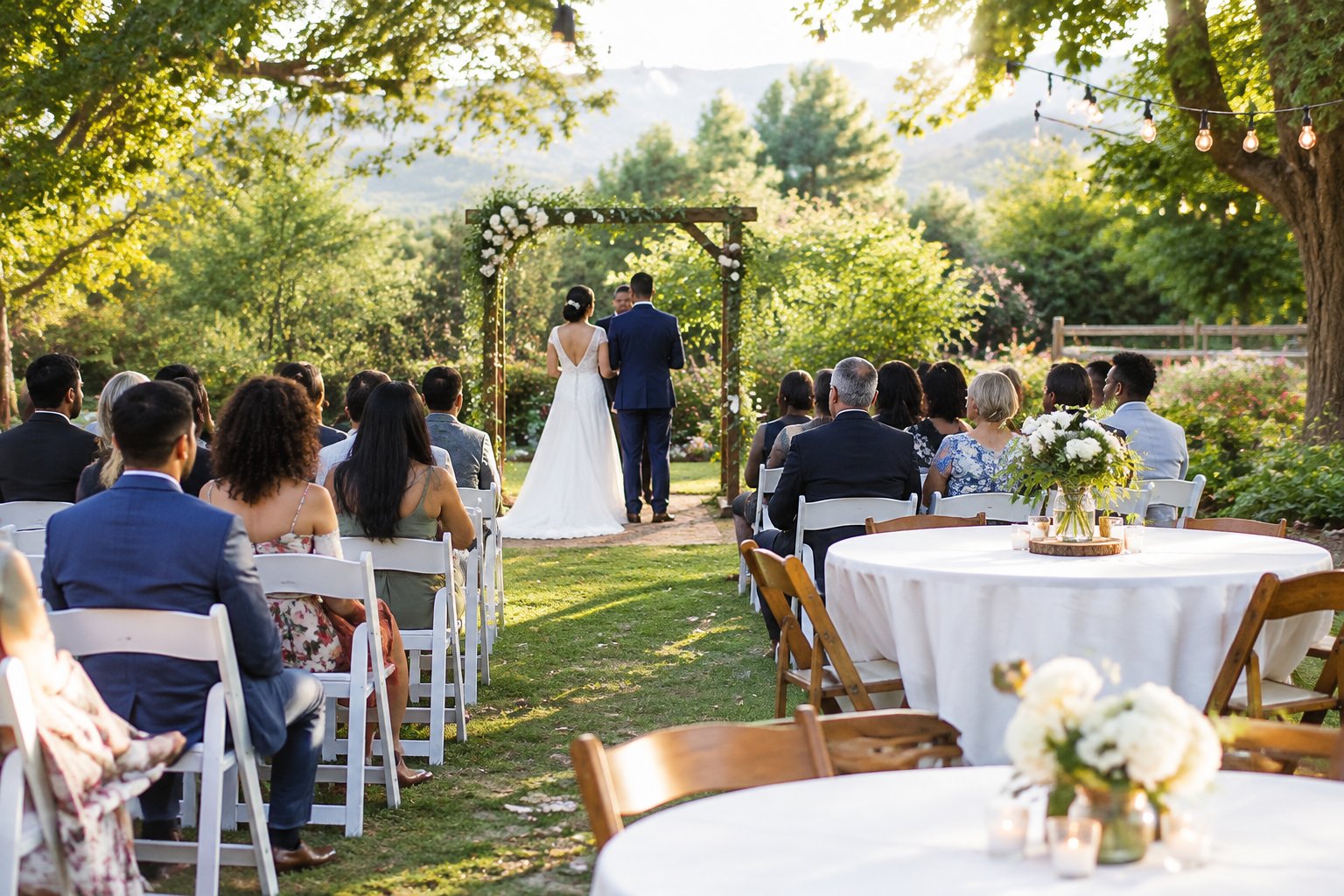
Affordable wedding venues give you room to spend on the details your guests remember, such as good food, music, and photography. Inexpensive wedding venues also make it easier to create a personal setting with seasonal flowers, borrowed décor, or a simple ceremony and reception in one place.
Start with your wedding budget, guest list, and preferred date. Then compare the full rental package, required vendors, permits, cleanup, and service fees. You can also browse these cheap wedding venue ideas for more ways to shape your plans around your budget.
What Counts as an Affordable Place to Get Married?
An affordable place to get married keeps the full event cost within your wedding budget after required fees, rentals, food, and services are added. A low base price helps, yet a venue with tables, chairs, restrooms, and cleanup included may provide better value than a cheaper empty site.
Your guest count and event format set the starting point. A small wedding venues search can focus on spaces with lower capacity, shorter rental windows, and flexible catering rules. Ask for an itemized quote before you reserve a date.
How Much Does a Wedding Venue Cost?
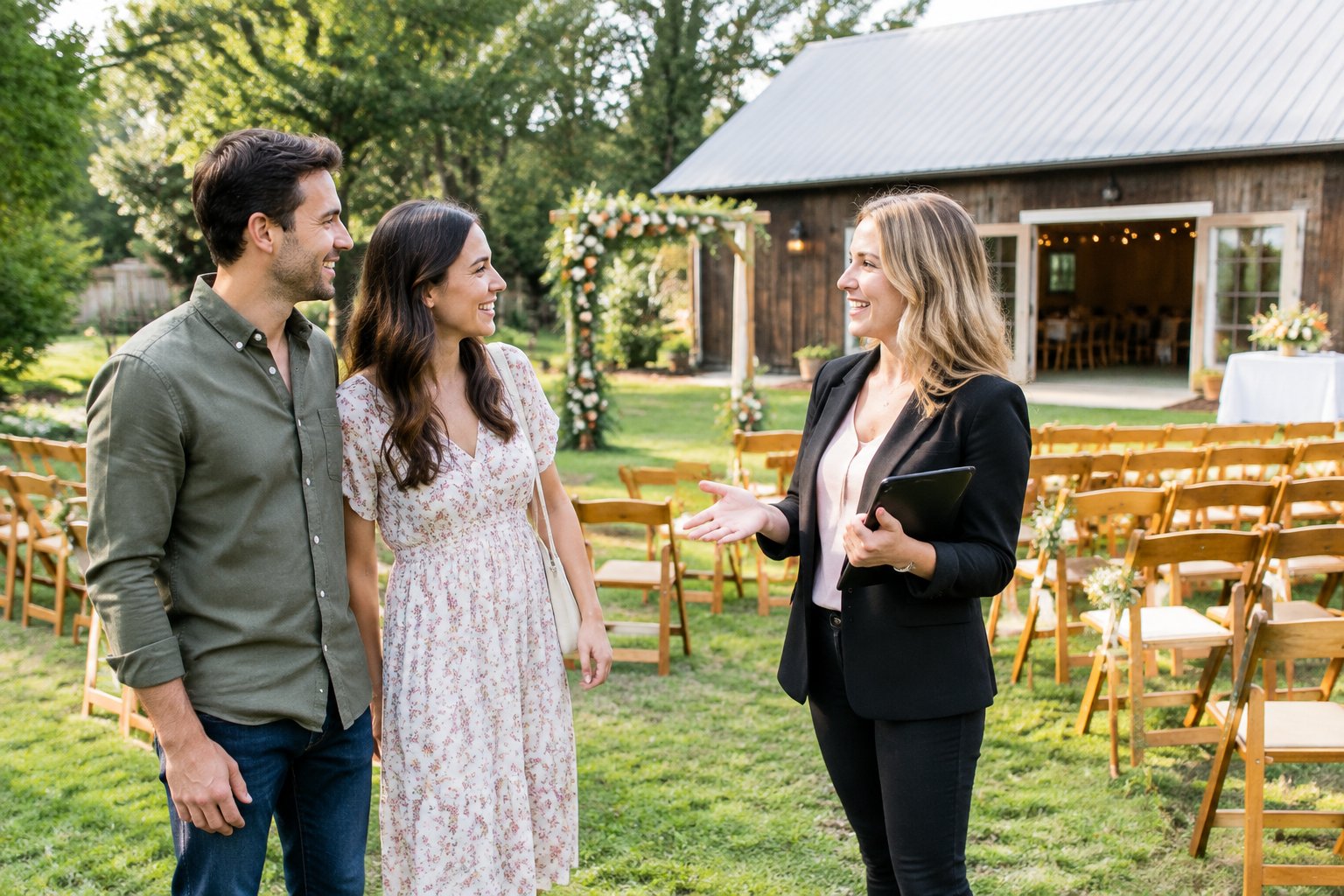
Wedding venue cost varies by location, date, capacity, and included services. A public park or courthouse may charge a modest reservation or ceremony fee, while a private reception space may use an hourly rental, a flat site fee, or a per-person package.
Request the price for your exact event details. Include the ceremony, wedding reception, setup time, cleanup period, and expected number of guests. Ask whether taxes, service charges, security, and insurance appear in the quoted total.
How Guest Count Changes the Total
Guest count affects both the space you need and the cost of food, seating, linens, restrooms, and staffing. A smaller guest list lets you consider a small wedding venue with fewer rooms and shorter service needs.
A larger wedding party requires more chairs, parking, bathroom access, and floor space. Ask the venue for its seated capacity, standing capacity, and layout limits. A room that holds 100 people for a ceremony may hold fewer once dining tables and a dance area are added.
What Should Be Included in the Rental Price?
Review the rental price for tables, chairs, restrooms, lighting, heating or cooling, parking, setup, cleanup, and venue staff. Check whether you receive access for decorating and vendor load-in.
Food rules deserve close attention. Ask about approved caterers, kitchen access, corkage, cake cutting, bar service, and food-and-beverage minimums. A venue with a higher rental fee may fit your budget better when it includes furniture and cleanup.
Low-Cost Outdoor Settings With Natural Scenery
Outdoor venues reduce decorating needs by giving you trees, gardens, water, or open views as part of the setting. City parks, public beaches, botanical gardens, and private vineyards each offer a different balance of price, privacy, services, and weather planning.
Check permits, sound limits, restroom access, parking, lighting, and rain plans before you book. Your décor plan should also account for wind, uneven ground, heat, and early sunset times.
City Parks, Public Parks, and State Parks
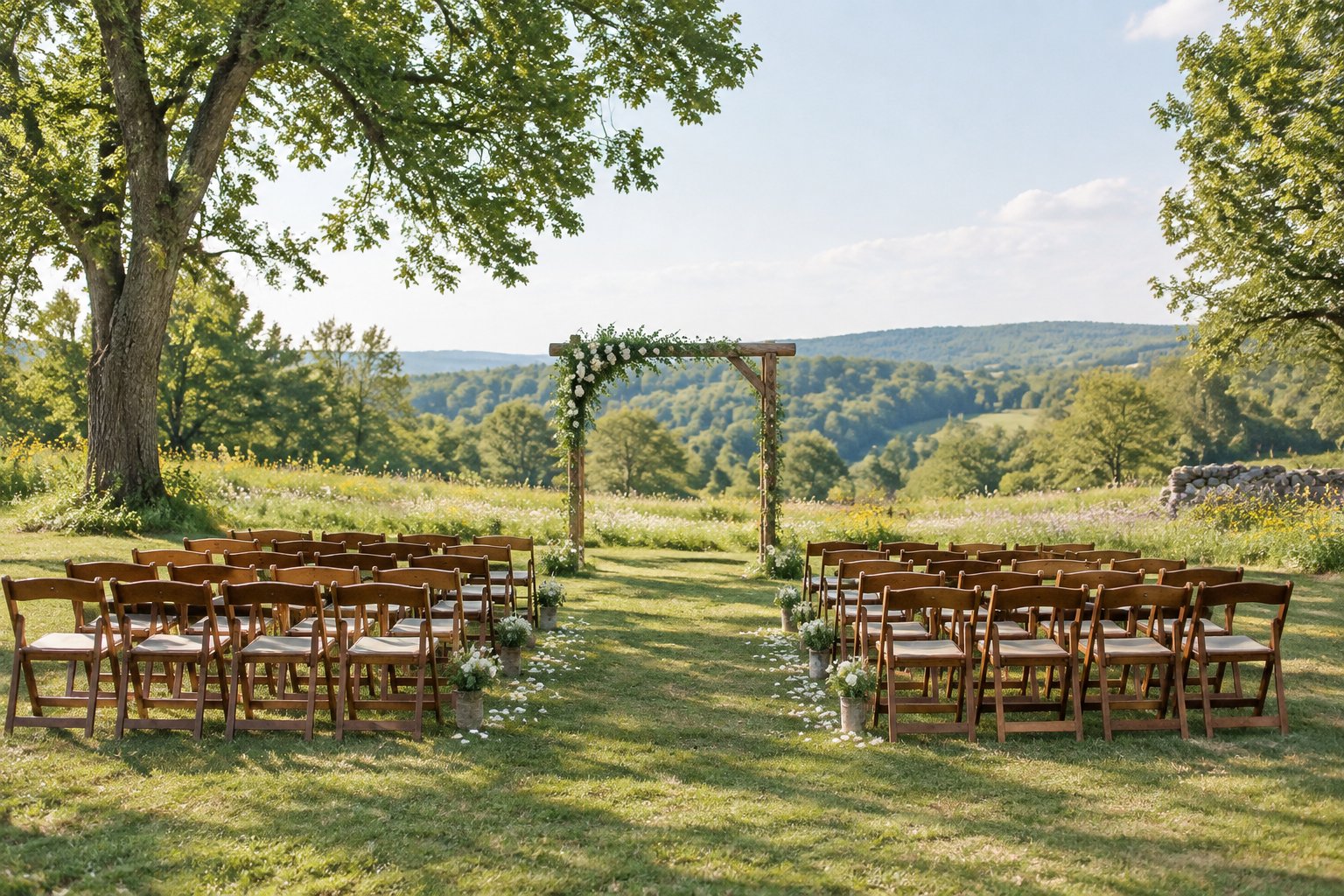
City parks and public parks provide accessible spaces for a ceremony, picnic reception, or small gathering. Recreation departments may require a reservation, event permit, insurance certificate, or cleanup deposit.
State parks offer wider scenery and established trails, shelters, and parking areas. Ask about guest limits, alcohol rules, amplified music, fire restrictions, and rental access. A covered pavilion gives you a useful backup for light rain.
National Parks and Public Beaches
National parks and public beaches create memorable outdoor ceremony settings, though permits and visitor rules apply. Contact the local park office for ceremony limits, photography rules, parking details, accessibility, and seasonal closures.
Beaches require extra planning for wind, tides, sand, and nearby restrooms. Choose a compact setup with weighted décor, stable seating, and a clear plan for moving guests if weather changes.
Botanical Gardens and Rose Gardens
Botanical gardens and rose gardens provide built-in flowers, paths, and photo locations. Smaller garden sites may suit an intimate ceremony followed by a nearby restaurant reception.
Ask about bloom seasons, ceremony hours, guest access, tables, chairs, rain shelters, and photography fees. Confirm whether the garden allows outside caterers and amplified music.
Vineyards and Other Private Outdoor Sites
Vineyards, farms, orchards, and private estates offer a scenic backdrop with more control over guest access. Their packages may include a ceremony area, tables, parking, or a weather backup.
Compare the site fee with required rentals and vendor charges. Ask about power, restrooms, lighting, transportation, noise limits, and the distance between parking and the ceremony area.
Community and Cultural Spaces Worth Exploring
Community and cultural spaces often provide the room, restrooms, and basic access you need at a lower price than a traditional ballroom. Community centers, schools, libraries, museums, art galleries, and zoos may also give your wedding a distinctive setting.
Confirm capacity, event hours, decoration rules, accessibility, parking, insurance, and cleanup expectations. Some spaces welcome private catering, while others use preferred vendors or limit cooking on site.
Community Centers and Schools
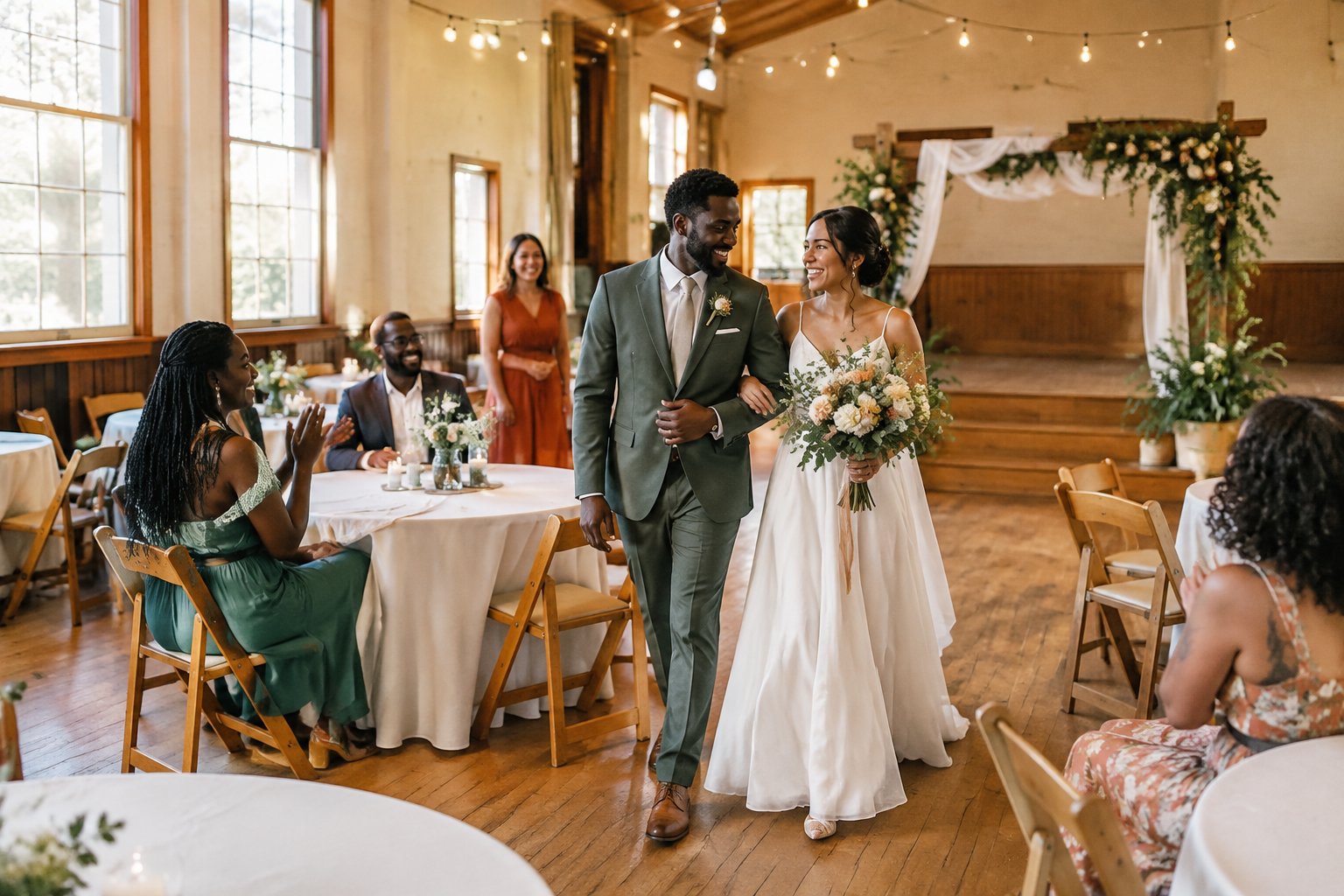
Community centers commonly include meeting rooms, kitchens, restrooms, and parking. School gyms, auditoriums, and courtyards may provide flexible layouts for a ceremony and reception.
Ask about floor protection, furniture, sound equipment, decorating access, and end times. Review school calendars and community schedules because availability can change during sports seasons, exams, or public programs.
Libraries, Historic Libraries, and Campus Chapels
Libraries and historic libraries bring architectural detail, quiet rooms, and attractive photo areas. Campus chapels may suit a formal ceremony followed by a reception in a student center or nearby event room.
Check rules for candles, music, food, alcohol, photography, and furniture placement. Historic properties may also limit décor attachment, guest movement, and catering equipment.
Museums and Art Galleries
A museum wedding venue or art gallery gives your celebration a strong visual identity. Exhibits, sculpture, and distinctive architecture reduce the need for extensive decorations.
Ask about exhibit protection, guest capacity, food service, alcohol policies, security, and event insurance. Confirm the rental window, since setup and cleanup may require separate hours.
Zoos and Aquariums
Zoos and aquariums offer memorable ceremony and reception spaces, including gardens, event halls, and exhibit areas. Packages may include tables, event staff, or access to selected attractions.
Check guest paths, accessibility, weather coverage, parking, closing times, and restrictions near animals or displays. Ask whether private catering is permitted and whether a minimum guest count applies.
Simple Ceremony and Reception Combinations
Combining a simple ceremony and reception plan lowers transportation, rental, and timeline costs. Courthouse weddings, restaurant weddings, backyard gatherings, and weekday weddings each let you reduce the number of services your event needs.
Choose the format that matches your guest list and priorities. A short ceremony with a meal can feel complete when the location offers comfortable seating, good food, and an easy flow between each part of the day.
Courthouse Ceremonies With a Separate Celebration
A courthouse wedding keeps the legal ceremony small and focused. You will need to follow local rules for a marriage license, identification, witnesses, appointment times, and ceremony fees.
Afterward, invite your wedding party and guests to a restaurant, park shelter, private room, or home for a meal. This arrangement lets you choose the celebration size without paying for a large ceremony site.
Restaurant Weddings With Built-In Service
Restaurant weddings combine the venue, meal, kitchen, service team, and restrooms in one location. A private dining room or partial buyout may work well for a small reception.
Ask about menu choices, beverage minimums, service charges, gratuity, cake fees, decorations, music, and event length. Confirm the seating layout and whether the room supports speeches or dancing.
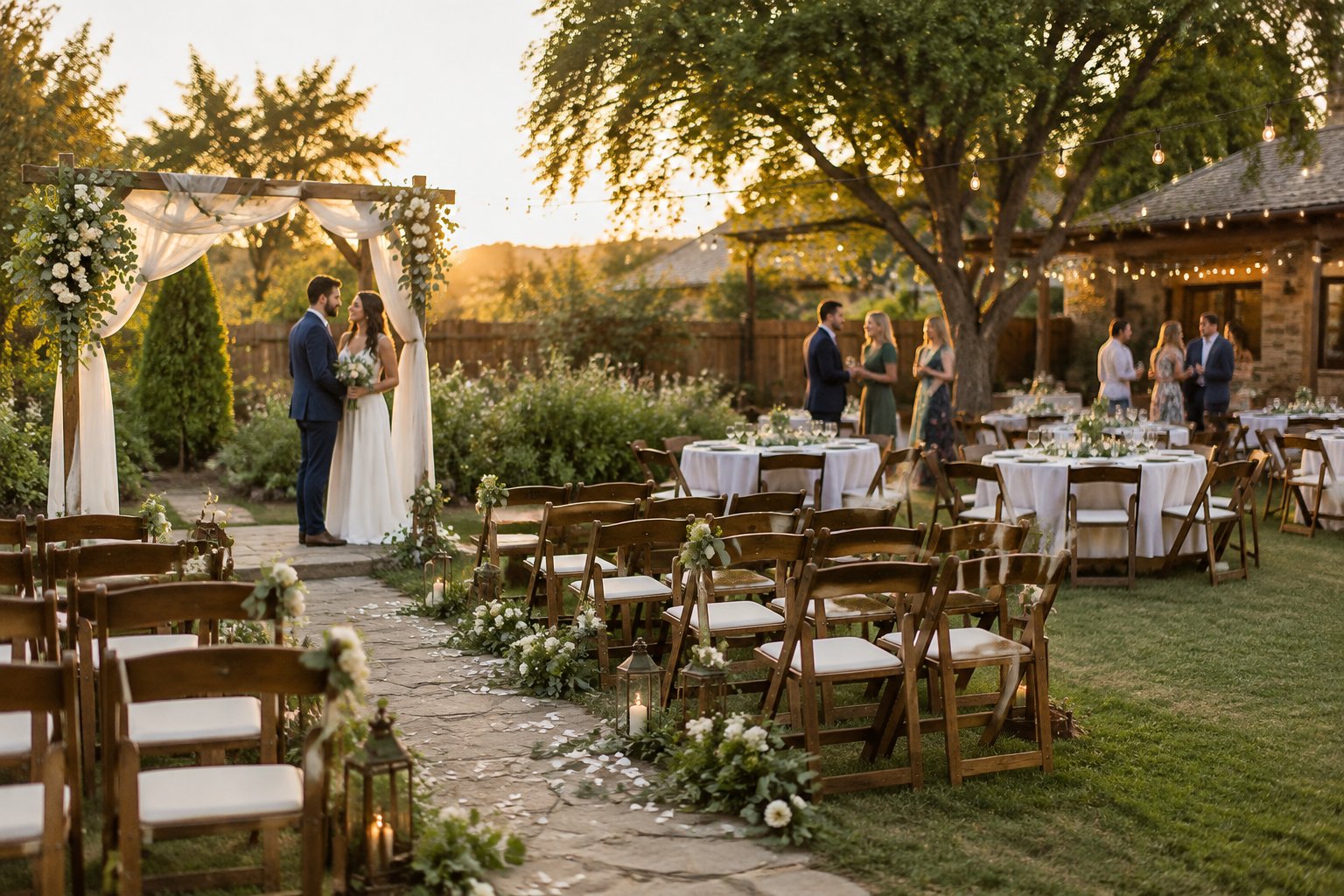
Backyard Weddings for an Intimate Guest List
A backyard wedding can provide a personal setting with a low site fee. Plan for guest seating, shade, lighting, power, parking, restrooms, trash removal, and weather coverage.
A home restroom may suit a small gathering. Larger events can require portable restrooms, handwashing stations, tenting, generators, and extra flooring. Price those needs before deciding that the site is inexpensive.
Weekday Dates and Off-Peak Booking
A weekday wedding or off-peak date may provide lower rental rates and wider availability. Friday afternoons, Sunday celebrations, winter dates, and daytime events can also change the quote.
Ask each venue for its weekday, off-season, and shorter rental options. Confirm guest travel needs before choosing a date, especially when guests will take time off work or stay overnight.
How to Compare Quotes Without Missing Extra Costs
Compare the projected final price for the same guest count, date type, rental hours, and service plan. Affordable wedding venues and inexpensive wedding venues can look similar at first glance while requiring different outside costs.
Request an itemized estimate with taxes, service charges, required vendors, deposits, and overtime terms. A simple spreadsheet helps you compare the base fee, included items, guest comfort, and contract rules in one place.
Permits, Insurance, and Site Rules
Ask whether you need an event permit, liquor permit, certificate of insurance, security staff, or noise approval. Public spaces may also set rules for alcohol, amplified music, vehicles, candles, confetti, tents, and decorations.
Confirm who submits each permit and when payment is due. Read the cancellation, rescheduling, weather, and refund terms before you place a deposit.
Rentals, Power, and Guest Comfort
Outdoor sites may need tables, chairs, linens, lighting, flooring, heaters, fans, and trash service. Add portable restrooms when permanent facilities cannot serve your guest count.
Ask whether the venue has outlets and enough power for catering, music, lighting, and photography. Include generator rental, delivery, setup, pickup, and fuel in your estimate when the site requires additional power.
Catering Flexibility and Food Trucks
Catering rules can change the value of a venue. Ask whether you may hire a food truck, bring an outside caterer, use the venue kitchen, or select from an approved vendor list.
Food trucks need a safe parking area, power or fuel access, guest lines, service time, and a rain plan. Check for extra vendor fees, trash requirements, insurance, and restrictions on food preparation.
Questions to Ask Before Signing a Contract
Use these questions to reveal the full commitment:
- What is the complete estimated cost for our guest count?
- Which fees are required, and which services are optional?
- Are tables, chairs, linens, lighting, setup, and cleanup included?
- What are the catering, bar, cake, and outside-vendor rules?
- How much time is included for setup, the event, and teardown?
- What happens if the event runs past the rental end time?
- What insurance, permits, security, or restroom arrangements do we need?
- What is the deposit schedule, cancellation policy, and weather plan?
- Can you provide a sample invoice with taxes and service charges?
Get answers in writing and compare each quote with the same event details. Then choose the venue that provides a clear total and workable guest experience within your wedding budget.