
Cost for Wedding Band: 2026 Live Music Pricing
For a professional live wedding band in 2026, plan on about $3,000 to $10,000, with many couples spending around $4,000 to $5,000 for a reception band. Smaller groups can cost less, while larger ensembles, premium markets, longer coverage, and added production can push the quote well above $10,000.
Your wedding entertainment budget should account for more than the musicians’ time onstage. Band size, ceremony or cocktail-hour coverage, sound equipment, travel, setup, special songs, and venue rules all affect the final price.
A clear quote helps you compare complete packages and avoid unexpected charges. If you want a polished live music experience for your celebration, request a custom quote from Cafe Wha Entertainment with your date, venue, guest count, and schedule ready.
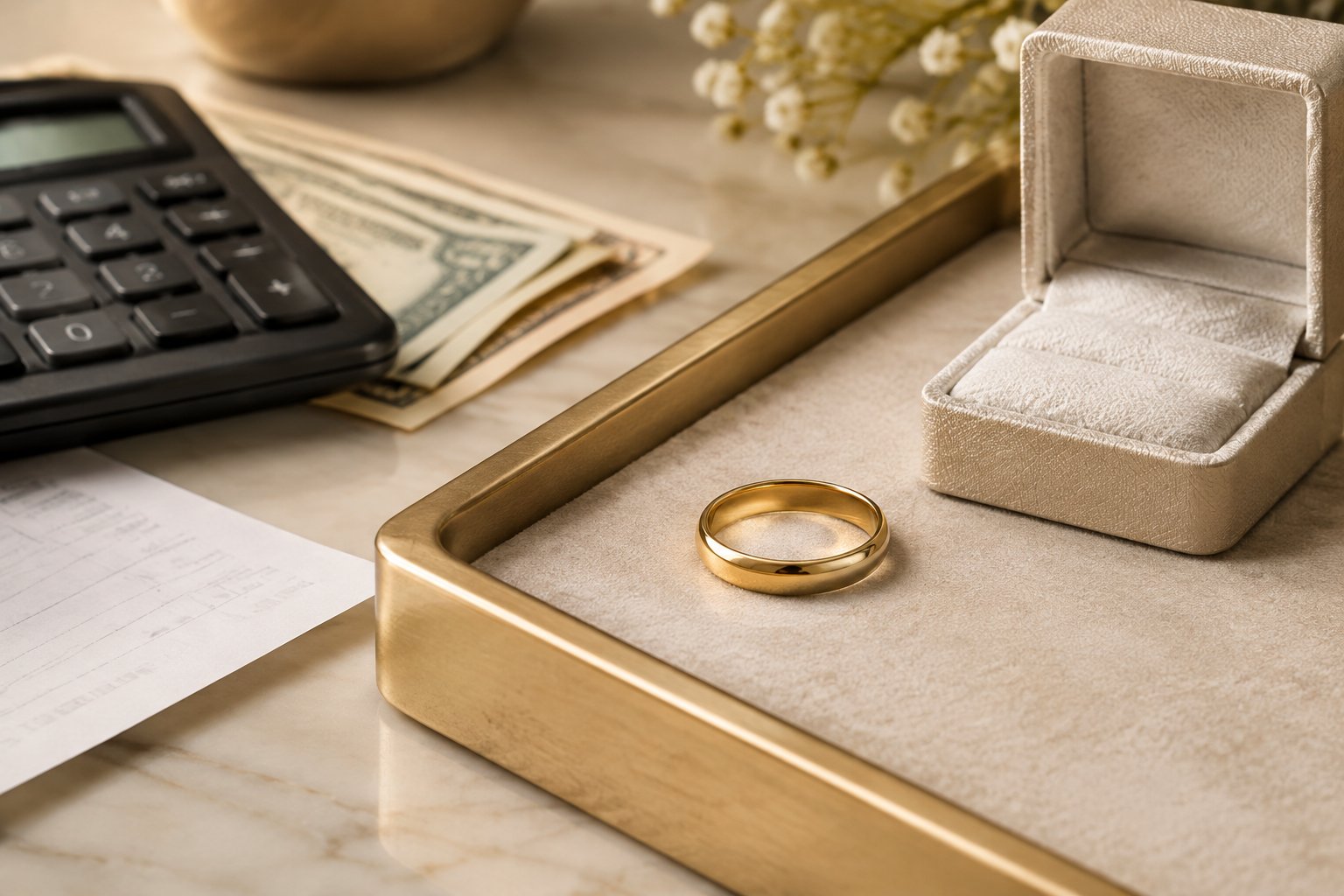
How Much Should You Expect to Pay for Live Music?
A professional wedding band costs about $3,000 to $10,000 in the US during 2026, with an average wedding band cost near $4,500 for a full reception. Prices from WeddingWire and The Knot Real Weddings Study show why national figures work best as planning guides, since local demand, band size, and package details shift the final quote.

Typical 2026 Price Ranges for Reception Bands
Use these ranges to set an initial wedding budget:
- Soloist or small duo: $500 to $2,000
- Jazz trio or compact three- to four-piece band: $1,500 to $3,500
- Professional five- to eight-piece band: $3,000 to $7,000
- Large ensemble or premium show band: $7,000 to $15,000 or more
A four-hour reception package often includes several live sets with breaks between them. A smaller group can suit an intimate gathering, while a larger lineup creates a fuller dance-floor sound with more vocalists and instruments.
Why National Averages Can Vary So Widely
Wedding band prices reflect the local entertainment market as well as the group’s experience. A New York City booking may cost more than a similar lineup in a smaller market because of demand, parking, travel time, venue access, and production requirements.
Your date also affects availability. Saturday weddings during peak season tend to receive higher quotes than weekday or off-season events.
A premium professional wedding band may charge more for polished arrangements, experienced performers, reliable event coordination, and a strong reputation. Guest count influences production needs, though it does not set the entire price.
A large room may need additional speakers, microphones, monitors, or lighting to keep the sound clear across the venue.
What a Standard Performance Package Usually Includes
A standard package may include:
- A set number of musicians
- Several reception sets
- Break music between performances
- Basic sound equipment
- Setup and breakdown
- A bandleader or emcee
- A planning call
- A setlist built around your preferences
Ask whether the quote includes ceremony music, cocktail hour music, microphones for speeches, travel, parking, lighting, and overtime. Confirm the number of performance hours and how recorded music fills breaks.
What Drives the Final Entertainment Quote?
The final quote is driven mainly by the number of musicians, the hours of coverage, travel, venue logistics, and added production. A complete event brief gives the band enough information to price the work accurately before you sign.

How the Number of Musicians Changes the Price
Each added musician increases payroll, transportation, setup needs, and production demands. A trio may provide elegant background music for cocktails, while a seven- or eight-piece group creates a wide, powerful sound for dancing.
The lineup also changes the musical range. Additional vocalists support harmonies and lead changes. Horns add punch to funk, soul, and pop arrangements. A larger rhythm section fills a big room with more depth.
Ask for pricing at two lineup sizes. You may find that a smaller band works for cocktails and dinner while the full group performs during dancing.
Performance Time, Breaks, and Overtime
A reception band quote often covers a set number of hours at the venue, including arrival, setup, performances, and breakdown. The musicians may play several sets with planned breaks, while recorded music keeps guests engaged between performances.
Extra coverage for guest arrival, dinner, an after-party, or a delayed timeline can raise the price. Overtime rates should appear in your contract, including the rate per additional hour and the person who approves extra time.
Give the band your complete schedule. Include the ceremony, cocktail hour, dinner, formal dances, cake cutting, and final song so the quote reflects your full day.
Travel Fees and Venue Logistics
Travel fees may cover mileage, tolls, parking, lodging, or extended load-in time. Venue rules can add work when musicians must use a service entrance, reserve an elevator, carry equipment a long distance, or meet strict sound limits.
Send the band your venue address and technical rules early. Share stage dimensions, power details, access times, parking instructions, and any required insurance documents.
These details help prevent a low initial quote from growing after booking.
Custom Songs, Lighting, and Special Effects
Learning a first dance, processional, cultural song, or family favorite requires rehearsal and arrangement time. Ask how many custom songs are included and when you must submit your requests.
Lighting and special effects add production costs. Uplighting, stage lighting, monitors, and a fog machine each require equipment, setup, and venue approval.
Confirm whether the venue permits haze or fog and whether the band supplies the operator.
How Band Size and Lineup Affect the Experience
Your lineup determines the room’s sound, the stage footprint, the setlist range, and a major part of the price. A compact group suits intimate events, while a larger ensemble brings layered vocals, stronger arrangements, and a bigger stage presence.
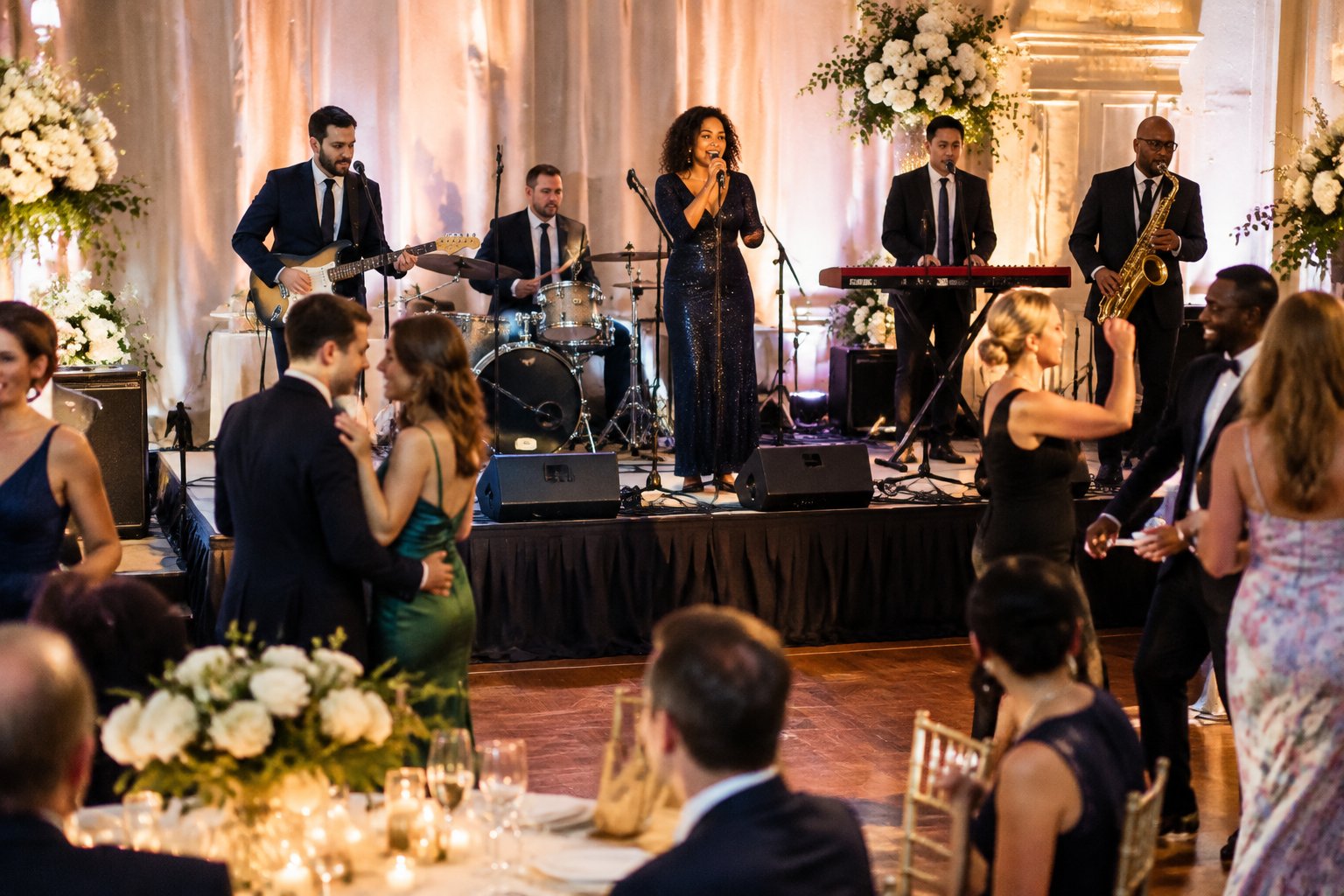
Soloists, Duos, and Jazz Trios for Smaller Events
A solo singer with guitar or piano works well for ceremonies, cocktail hours, and small receptions. A duo adds harmony and a fuller texture while keeping equipment and space requirements low.
A jazz trio often includes piano or keyboard, bass, and drums. This lineup provides smooth background music for cocktails and dinner, with enough rhythm for a relaxed celebration.
Small groups also work well when your venue has limited stage space or strict volume rules.
What to Expect From a Standard Reception Band
A four- to six-piece band commonly includes vocals, guitar, bass, drums, and keyboard. Some groups add a saxophone or another horn for a brighter dance sound.
The keyboard can cover piano parts, synth textures, and extra instrumental layers. Guitar and bass shape the groove, while drums drive the dance floor.
Lead and backing vocals let the group perform a wider mix of pop, rock, soul, and dance songs. Ask how the band handles breaks, announcements, requests, and recorded music.
Those details shape the flow between live sets.
When a Larger Ensemble Is Worth the Investment
An eight-piece or larger band earns its higher price when you want a concert-style reception, a broad genre range, or a powerful sound for a large venue. Extra vocalists and horns create richer arrangements and more visual energy.
Check your venue’s stage size before booking. A larger ensemble needs enough room for instruments, monitors, cables, performers, and safe movement.
Your planner and bandleader can help match the lineup to the room.
Which Audio and Production Costs Are Included?
A complete entertainment quote should state whether it includes the sound system, microphones, speakers, setup, and sound engineer for every part of your event. Ceremony music and cocktail hour music may require a separate setup or a smaller lineup.
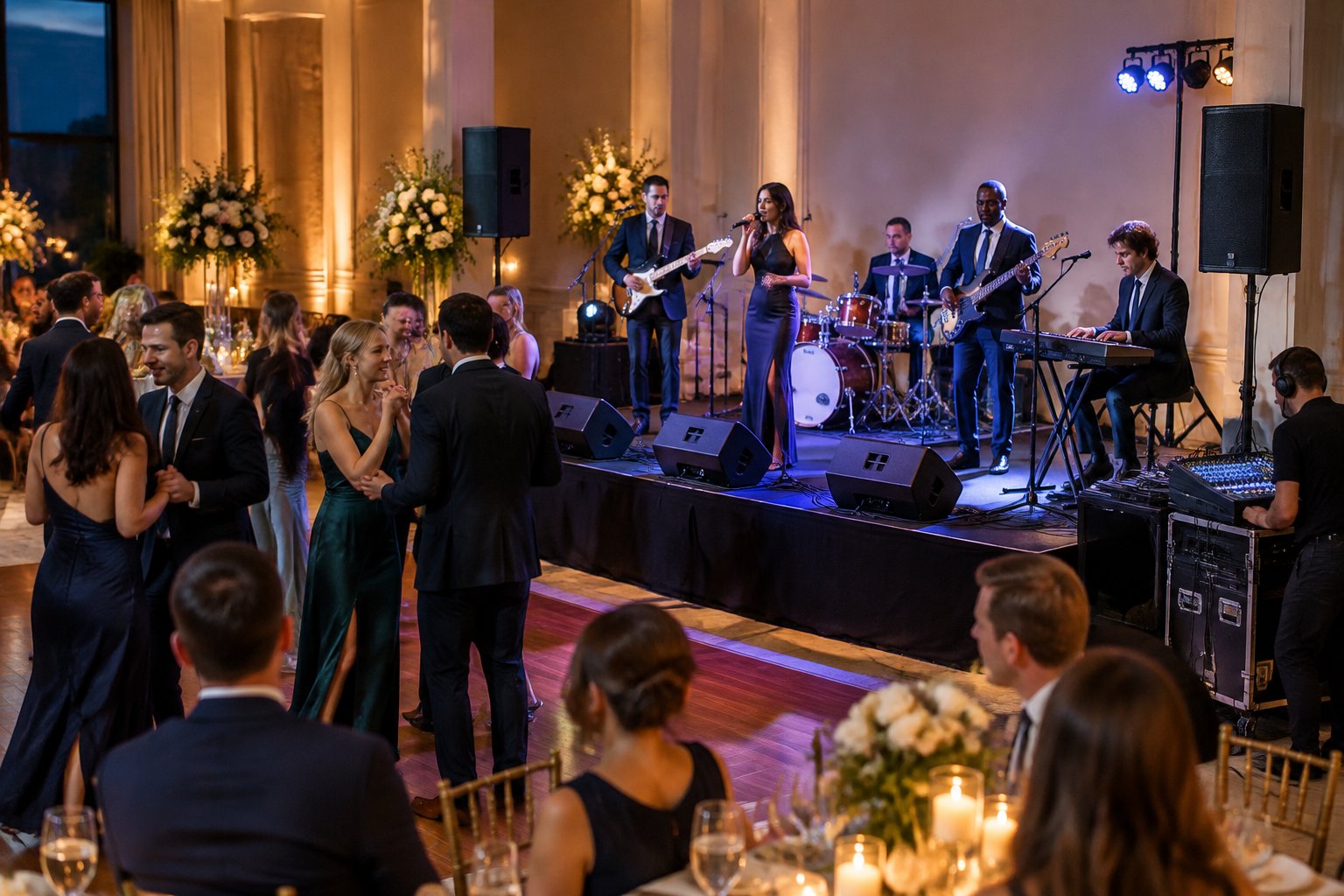
Sound Systems for the Ceremony and Reception
Reception bands need a sound system sized for the room, guest count, stage, and music style. Ceremony coverage may require a separate speaker and microphone setup, especially when the ceremony takes place outdoors or in another room.
Ask whether one system can serve each space or whether the band brings separate equipment. Moving gear between ceremony, cocktail hour, and reception affects labor and timing.
Microphones, Speakers, and Sound Equipment
Your package may include vocal microphones, speech microphones, speakers, monitors, stands, cables, and a mixing console. Confirm whether wireless microphones are available for officiants, toasts, and announcements.
The venue may require specific equipment or placement. Share its sound limits, power rules, stage plan, and decibel policy before you book.
Your band can then recommend suitable speakers and monitor levels.
When You May Need a Dedicated Sound Engineer
A dedicated sound engineer helps balance instruments, vocals, speeches, and playback throughout the event. This support becomes useful for larger bands, complex venues, multi-room schedules, and receptions where clear announcements are essential.
Some bands include an engineer in their package. Others charge separately or use a band member for sound duties.
Ask who will run the mix, manage microphone changes, handle music during breaks, and respond to audio issues.
Live Band vs. Wedding DJ: Which Fits Your Budget?
A wedding DJ costs about $1,000 to $3,500, while a live wedding band often costs $3,000 to $10,000 or more. A DJ offers a broader recorded catalog at a lower price, while a live band brings musicians, stage presence, and a performance-focused atmosphere.
| Criteria | Live Wedding Band | Wedding DJ |
|---|---|---|
| Common 2026 price | $3,000-$10,000+ | $1,000-$3,500 |
| Music catalog | Curated live setlist | Broad recorded library |
| Stage presence | High | Moderate |
| Space required | Stage and equipment area | DJ table and speakers |
| Ceremony coverage | Separate lineup or add-on | Often available in package |
Average Wedding DJ Cost Compared With a Band
The average wedding DJ cost is lower because one performer can manage music, announcements, and playback for the reception. A DJ package may include speakers, microphones, dance lighting, and music for breaks.
A band’s fee covers several musicians, rehearsals, instruments, transport, setup, and performance time. Some bands also provide an emcee, sound engineer, lighting, and recorded music between sets.
Compare complete quotes. A low band price may exclude sound support or ceremony coverage, while a DJ quote may include more hours or equipment.
What You Gain and Trade Off With Each Option
A live band gives you human interaction, live vocals, changing arrangements, and a visible performance that can shape the room’s energy. The group’s style also influences the setlist, so review videos or live samples before booking.
A DJ offers quick song changes, access to many recorded artists, and flexible requests across more genres. The experience depends heavily on the DJ’s mixing, announcements, personality, and ability to read the dance floor.
Your venue, guest mix, and preferred wedding music should guide the choice. A band suits couples who want a featured performance. A DJ fits couples who prioritize a wide catalog and a lower entertainment line item.
Ways to Lower Live Music Costs Without Losing Energy
You can reduce the quote while keeping a lively reception by choosing a smaller lineup, booking a weekday, or selecting an off-season date. A four- or five-piece band can deliver strong dance music with fewer production needs than a large ensemble.
Use a reduced lineup for cocktails and dinner, then bring in the full band for dancing if your budget allows. Limit custom song requests, confirm the venue’s equipment, and choose a nearby group to reduce travel charges.
Request an itemized quote showing musicians, hours, equipment, travel, lighting, overtime, and taxes. That gives you clear choices when you adjust your wedding budget.