
Cost of a 14K Gold Wedding Band: Price Guide
A 14K gold wedding band usually costs about $350 to $2,800 or more, with plain, lightweight rings at the lower end and wide, custom, or diamond-set designs at the higher end. Your final price reflects the ring’s gold weight, current gold prices, construction, finish, gemstones, and retailer markup.
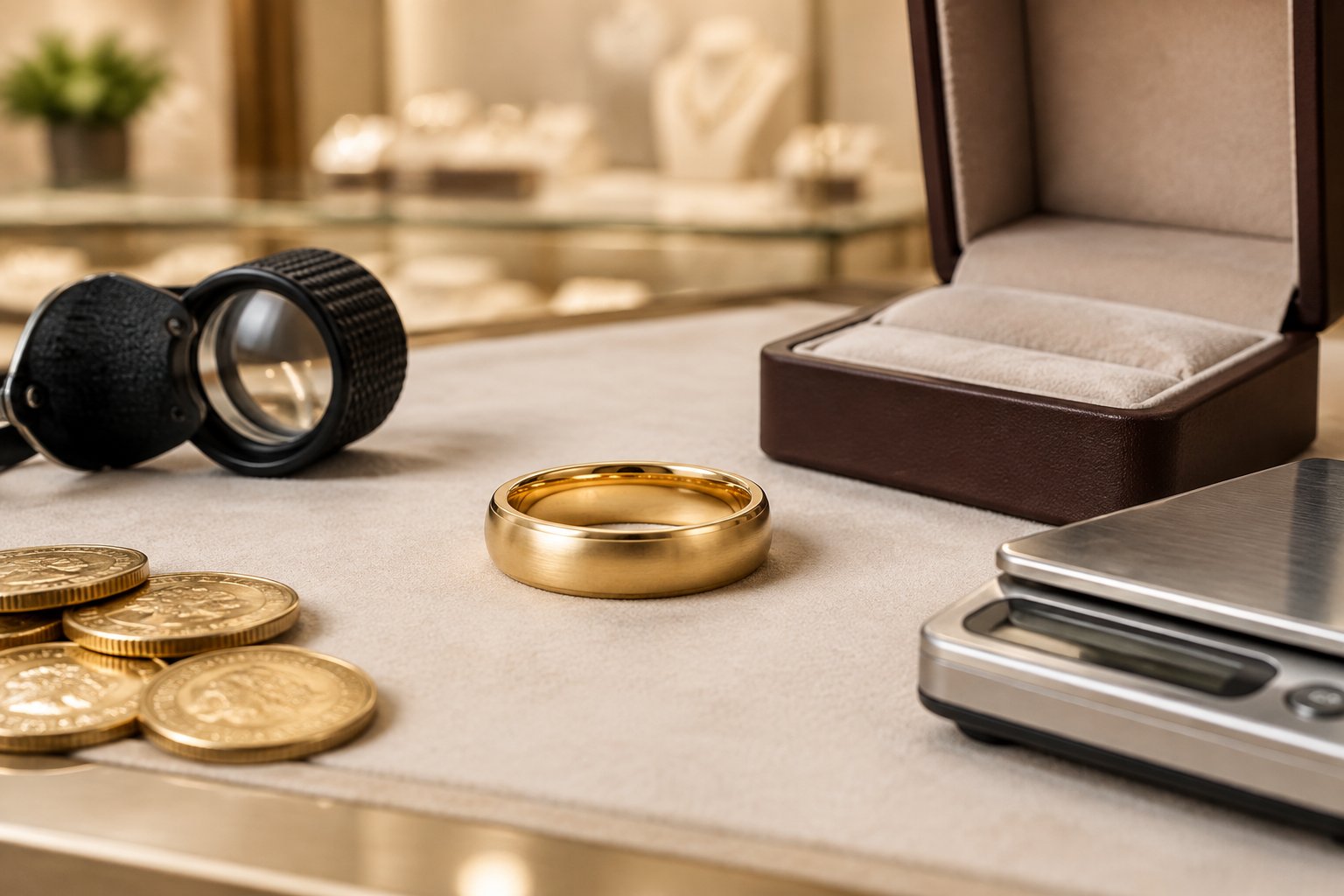
A slim 14K gold wedding band may cost a few hundred dollars, while a heavier 14K gold wedding band with detailed work can pass $2,000. The ring’s melt value gives you a useful reference point, though retail pricing also pays for design, labor, quality control, customer service, and warranty coverage.
Use the figures below to set a practical budget, compare quotes, and decide which details deserve your money before you buy.
What Should You Expect to Pay?
You should expect to pay roughly $350 to $2,800 for a 14K gold wedding band, with plain bands near the lower end and detailed or diamond-set styles near the higher end.
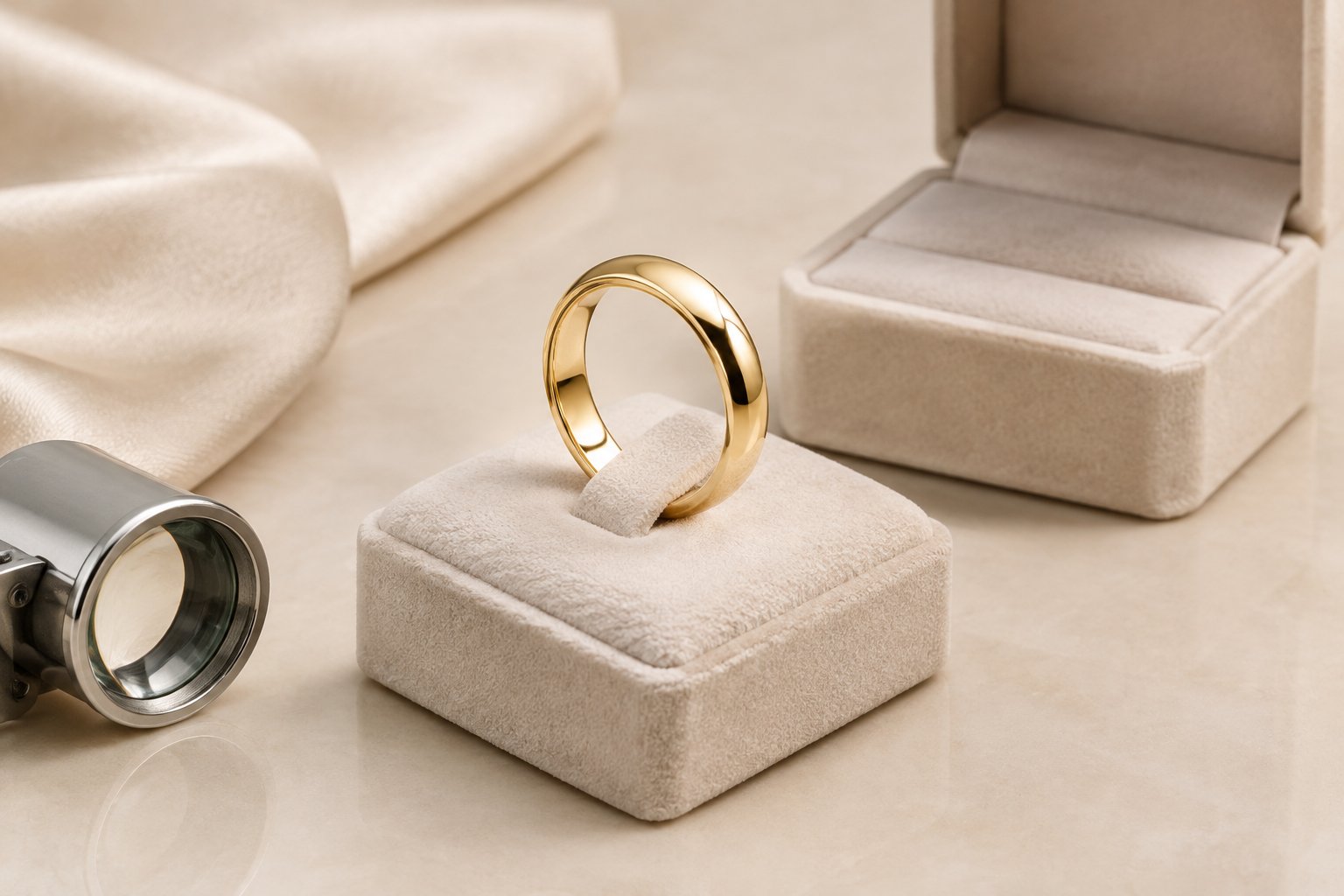
A ring’s price combines 14K gold, gold weight, design complexity, craftsmanship, and retailer markup. A 14kt band with a brushed finish and no stones may cost far less than a wider custom ring with handwork and engraving.
Typical Retail Ranges for Plain and Detailed Bands
| Band style | Typical retail range |
|---|---|
| Slim plain band | $350–$700 |
| Standard plain band | $600–$1,200 |
| Wide or heavy comfort-fit band | $1,000–$2,200 |
| Brushed, hammered, or textured band | $900–$2,000 |
| Engraved or custom band | $1,200–$2,800+ |
| Diamond-set band | $1,500–$6,000+ |
These ranges serve as planning figures for the U.S. market. Ring size, width, gold price, production method, and brand position move the final number.
Why Similar-Looking Rings Can Have Very Different Prices
Two gold wedding bands can look alike while carrying different amounts of metal and labor. One may be hollow or lightweight, while the other uses a solid, thick profile.
Differences in alloy quality, interior shaping, polishing, quality checks, and warranty service also affect the price. Retailer markup covers business costs and profit.
A direct-to-consumer seller may price a plain ring below a luxury house, while an independent jeweler may include personal fitting help and future service in the quote. Ask for the ring’s gram weight, width, thickness, karat stamp, finish, resizing terms, and warranty before comparing prices.
How Much Does Band Width and Weight Add to the Price?
A wider band costs more because it requires more gold and more finishing work. Moving from a 3mm band to a 6mm band can raise the price substantially, especially when the ring has a thick comfort-fit interior.
Gold weight offers a useful comparison point. A slim ring may weigh 2 to 4 grams, while a broad men’s band may weigh 6 to 12 grams or more. Compare rings with similar widths and weights before judging whether one quote is high.
How 14K Gold Determines the Metal Cost
The metal portion of a 14K gold band equals its weight multiplied by the value of its 58.3% gold content.
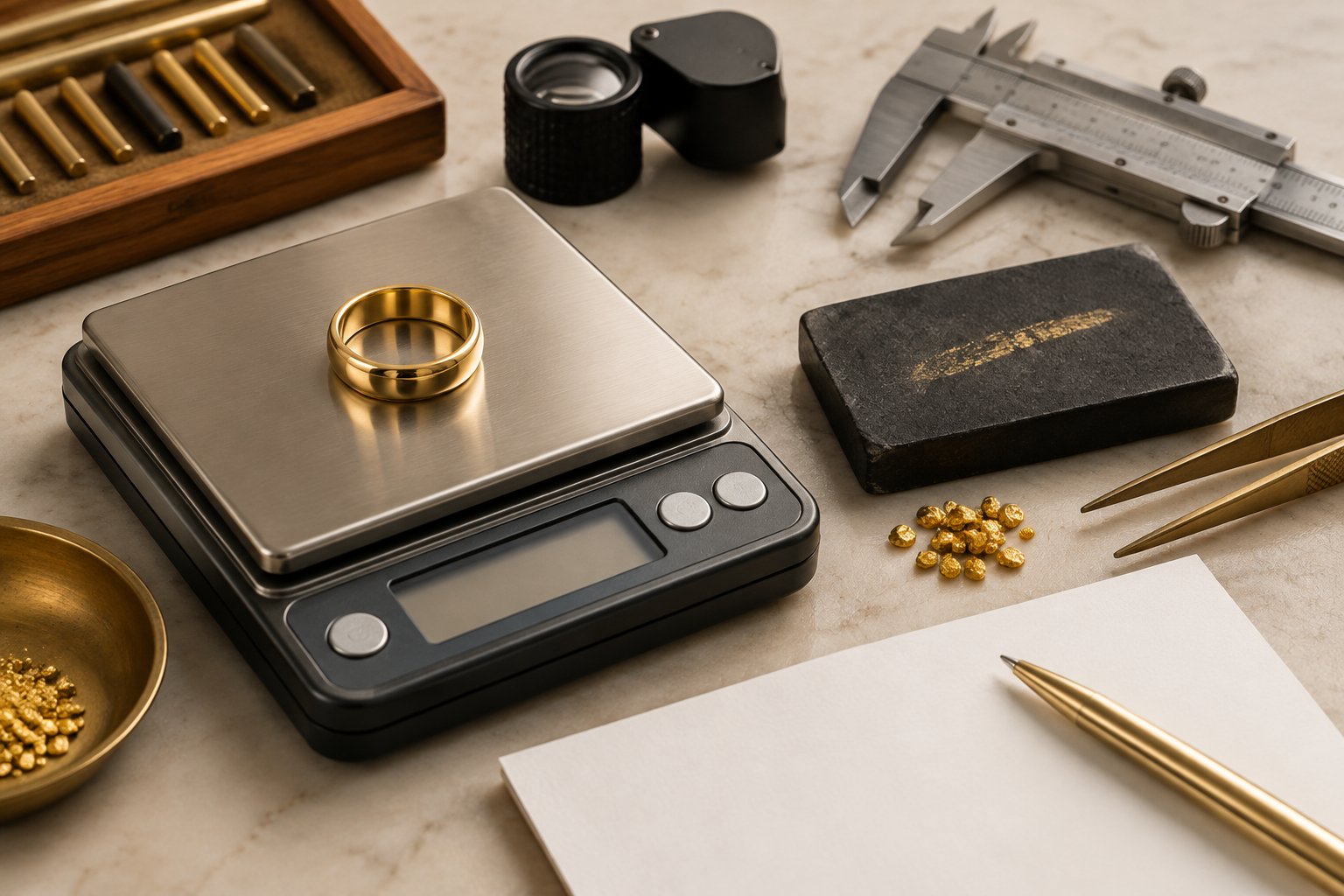
Gold purity, gold content, and the current gold price establish the raw material value. Retail pricing then adds alloy processing, manufacturing, finishing, labor, overhead, and retailer margin.
What Does 14K or 585 Mean?
14K gold contains 14 parts pure gold out of 24, so it is 58.3% pure gold. The remaining 41.7% is a gold alloy made with metals that improve strength and create yellow, white, or rose color.
A 585 stamp expresses the same idea in parts per thousand: 585 parts gold per 1,000 parts metal. The Federal Trade Commission permits karat marks when they accurately describe the gold content and accompany the maker’s registered trademark or name.
Pure gold is soft and bends or scratches easily during daily wear. The alloy gives a wedding band the strength needed for regular use.
How to Calculate Gold Value From Grams and Spot Price
Use this formula:
Gold value = weight in grams × 0.583 × pure gold price per gram
Gold trades in a troy ounce, which equals 31.1035 grams. If pure gold is $100 per gram and your ring weighs 5 grams:
- 5 grams × 0.583 = 2.915 grams of pure gold
- 2.915 × $100 = $291.50 in estimated melt value
Your calculation gives a metal benchmark. A buyer handling scrap gold may offer less after refining, testing, and operating costs.
A finished ring sold at retail includes design and labor value that the melt formula does not capture.
Why Pure Gold Is Not Used for Everyday Bands
Pure gold offers rich color and high purity, yet its softness makes it unsuitable for most daily wedding bands. Contact with tools, countertops, and other jewelry can leave dents and scratches.
The gold alloy in 14K metal improves hardness while preserving a warm precious-metal appearance. That balance explains why 14K gold remains a common choice for rings worn every day.
Which Design Choices Raise the Final Price?
Diamonds, handwork, custom sizing, and intricate construction create the largest design-related price increases.
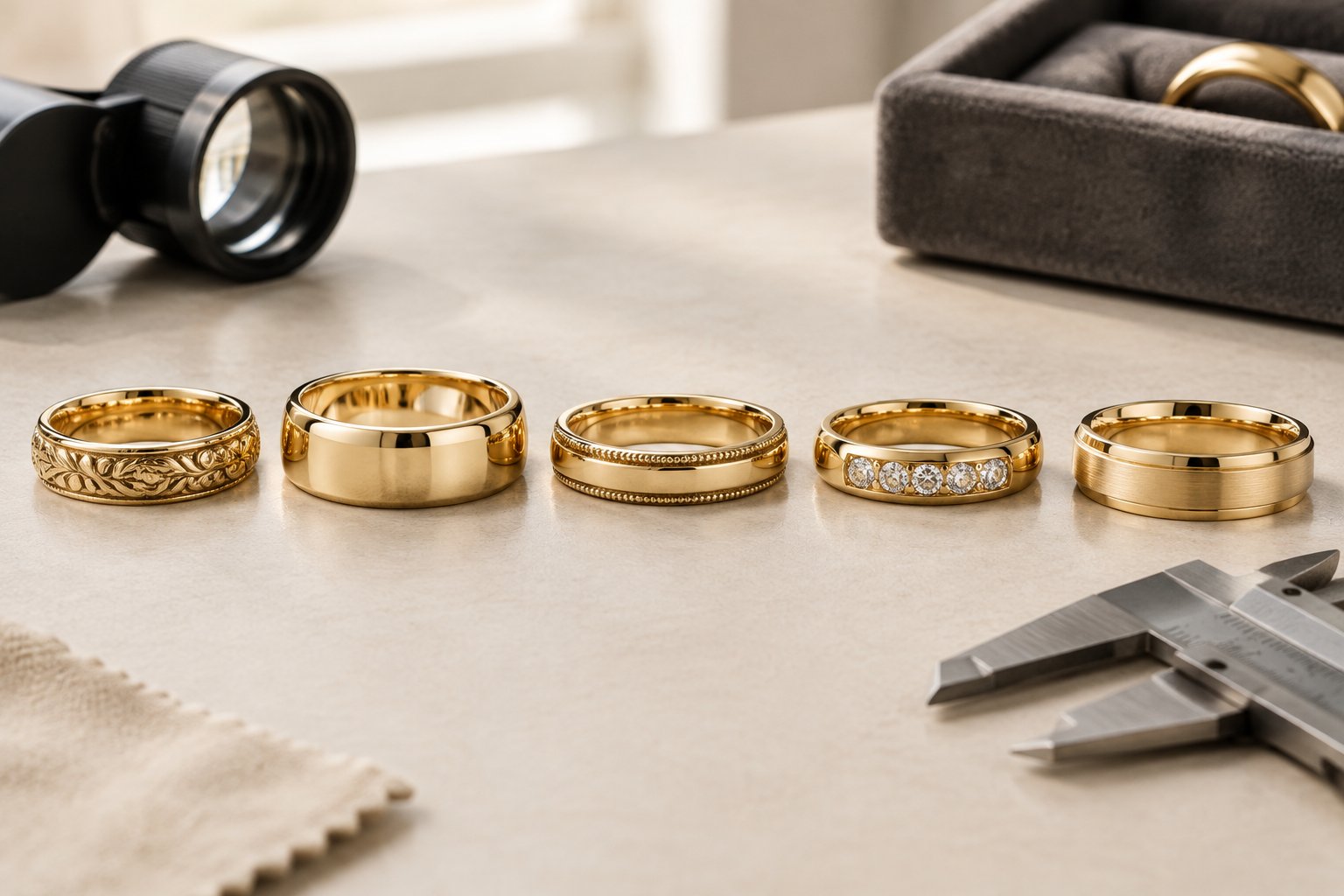
A plain band keeps material and labor easier to estimate. Adding stones or custom details introduces setting work, inspection, finishing, and design time, so compare the complete specification instead of the metal price alone.
Do Diamonds Add Enough Value to Justify Their Cost?
Diamonds raise the purchase price through the stones, settings, labor, and inspection. A few small accent diamonds create a smaller increase than a full eternity band with many stones.
Ask for the total carat weight, diamond shape, color, clarity, origin information, and grading report. A GIA report can document the quality of a significant diamond, while small accent stones may be sold with a total weight and general quality description.
Diamond pricing reflects beauty and craftsmanship at purchase. The stones do not guarantee equal resale value later, so buy them for the look and meaning you want to wear.
How Custom Work and Engraving Affect Pricing
Custom work adds design time, modeling, production, finishing, and approval steps. Hand engraving costs more than basic machine engraving because an artisan guides each line and adapts the work to the ring.
The price also rises when you request unusual dimensions, a complex profile, mixed metals, milgrain, or a custom interior message. Obtain a written quote that separates the ring, engraving, stones, sizing, taxes, and delivery.
Does a Brushed or Polished Finish Cost More?
A standard polished finish often carries the lowest finishing charge because it fits common production methods. A brushed finish can add labor when the texture requires careful, even application across curved surfaces.
The price difference is often modest compared with the cost of extra width, custom work, or diamonds. Polished gold gives a bright reflective look, while brushed gold softens reflections and disguises small surface marks.
Does Gold Color Change the Price or Value?
Yellow gold, white gold, and rose gold in the same 14K weight usually have similar base metal values, while finishing and alloy choices can change the retail price.
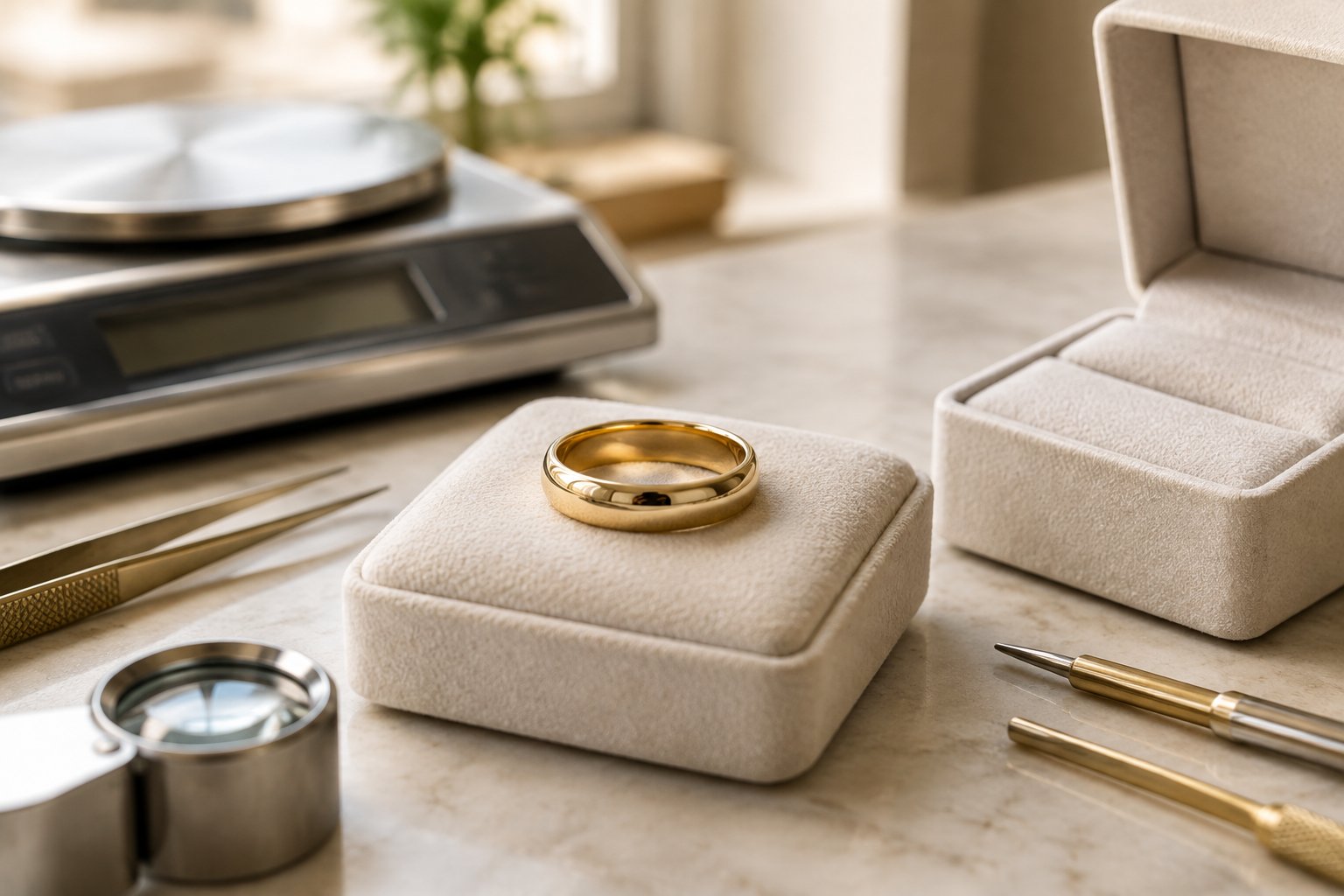
Color comes from the gold alloy. Yellow gold keeps a warm traditional tone, white gold uses pale alloy metals and may receive rhodium plating, and rose gold gets its pink color from a higher copper content.
Yellow Gold vs. White Gold vs. Rose Gold
Yellow gold contains alloy metals such as copper, silver, and zinc while retaining its warm color. White gold uses pale metals, often including silver, palladium, or nickel, to create a light appearance.
Rose gold gets its blush tone from copper in the alloy. The karat mark still tells you the gold content.
A 14K yellow gold ring and a 14K rose gold ring contain the same percentage of gold when their weights match. Prices can differ because of alloy formulas, production choices, demand, and finishing.
Choose the color that works with your existing jewelry and the look you want for daily wear.
What Rhodium Plating Adds to White Gold Ownership
Rhodium plating gives white gold a bright, reflective surface and helps create a crisp silver-white appearance. The plating wears at contact points over time, revealing the warmer white-gold alloy beneath.
A jeweler can inspect the ring and replate it when the surface needs refreshing. Include this possible maintenance expense in your long-term ownership budget, especially if you prefer a bright white finish.
How Alloy Metals Affect Color and Durability
Copper adds warmth and hardness, silver lightens the color, and zinc can support casting and improve the alloy’s working properties. White gold formulas vary, so ask whether the ring contains nickel if skin sensitivity is a concern.
Alloy choice affects how the ring feels, wears, and looks after polishing. The ring’s karat, thickness, construction, and care routine also influence durability.
Where Should You Buy for the Best Value?
Online retailers often offer strong prices on standard 14K bands, independent jewelers add personalized service, and luxury brands charge more for design heritage and brand experience.
Compare the ring’s metal weight, width, warranty, return policy, and service terms before comparing the logo. Names such as James Allen, Blue Nile, Tiffany, and Tiffany & Co. occupy different positions in the market, so similar-looking rings may carry very different markups.
Comparing Online Retailers, Independent Jewelers, and Luxury Brands
Online retailers make it easy to compare many 14K gold ring specifications and sale prices. Product pages may show width, karat, finish, size range, and engraving options, which helps you filter choices quickly.
Independent jewelers offer sizing help, face-to-face inspection, custom design, repairs, and local service. Ask whether the quoted price includes a fit check, resizing, polishing, and future maintenance.
Luxury brands build design identity, presentation, boutique service, and long-term brand recognition into the price. A Tiffany or Tiffany & Co. band may suit you when the signature design and ownership experience carry personal value.
What to Ask Before You Buy a 14K Band
Ask these questions before placing your order:
- What is the ring’s exact gram weight and width?
- Is the band solid, and what does the interior profile look like?
- Is it stamped 14K or 585?
- Which services are included, such as sizing, engraving, polishing, and repairs?
- What does the warranty cover?
- What is the return period after personalization?
- Will the color or finish change with wear?
- Are taxes, shipping, and insurance included in the displayed price?
A written answer lets you compare one ring with another on equal terms.
When a Designer Name Is Worth Paying For
A designer name earns its premium when you value a distinctive design, boutique service, documented craftsmanship, or a brand-specific warranty. The name alone does not increase the ring’s gold content.
For a classic plain band, compare weight and construction first. For a signature design, review the brand’s service record, authentication details, care options, and resale demand before paying the premium.
What Is a Used Band Worth When You Sell It?
A used 14K gold band is usually worth less than its purchase price, with scrap value based on gold content and resale value shaped by condition, design, brand, and buyer demand.
Your selling options include a local jeweler, online buyer, estate jewelry specialist, pawn shop, or a private marketplace. Obtain more than one quote and confirm the ring’s weight and karat before accepting an offer.
Melt Value vs. Resale Value
Melt value comes from the ring’s gold weight, purity, and current gold price. A 5-gram 14K ring contains about 2.915 grams of pure gold, so its melt benchmark changes whenever the market price changes.
Resale value includes the possibility that another person wants the finished ring. A well-made design in excellent condition may sell above scrap value, while a damaged or highly personalized band may attract a metal-based offer.
Diamonds require separate evaluation. A buyer may price them according to size, quality, condition, documentation, and current demand.
Why Pawn Shops Usually Pay Less
Pawn shops pay for quick resale, storage, testing, labor, and the risk that the item remains unsold. Their offer also gives them room to negotiate and protect their operating margin.
Bring identification, purchase documents, appraisals, and any grading reports. Ask whether the quote reflects the entire ring or only its scrap gold, then compare it with an online gold buyer and an independent jeweler.
When Branding, Condition, and Documentation Matter
Branding helps when the name has recognized design value and an active buyer market. A Tiffany & Co. ring with its original box, receipt, service records, and authenticity details has a stronger selling position than an unmarked ring with no history.
Condition affects the buyer’s repair and refinishing costs. Keep the band clean, store it safely, and gather documentation before requesting quotes.
If the ring has diamonds, include diamond reports and setting details so the buyer can evaluate the complete piece.