
Cost of Designer Wedding Flowers: What to Expect
Designer wedding flowers in the United States commonly cost $2,500 to $7,500 for a full floral plan, while luxury celebrations with large installations often reach $10,000 to $30,000 or more. A useful starting point is 8% to 10% of your wedding budget, then adjust for guest count, flower choices, venue logistics, and the amount of custom design you want.
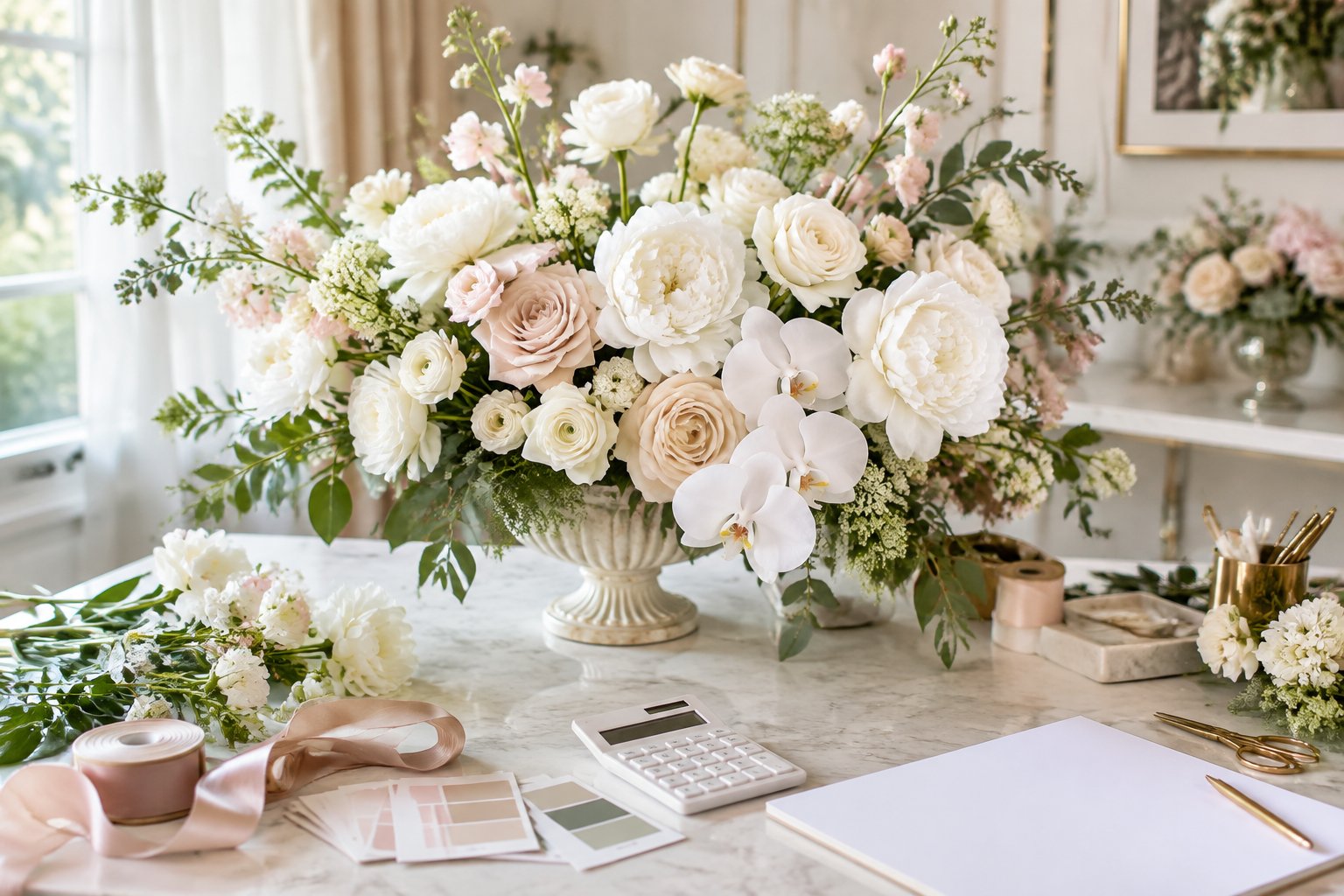
Your wedding flower cost includes much more than fresh stems. The quote may cover design planning, sourcing, conditioning, labor, delivery, setup, installation, rentals, and cleanup. That is why two weddings with similar color palettes can have very different totals.
A clear wedding flower budget helps you decide where flowers should create the most impact. If you want help turning your ideas into a polished floral plan, start with a consultation and bring your venue details, guest count, wedding date, and favorite wedding florals.
What Does a Designer Floral Budget Actually Cover?
A designer floral budget covers flowers plus the professional time and logistics required to turn them into finished wedding florals. Your proposal may include a professional florist, custom floral design, installation materials, delivery, setup, and strike after the reception.
The Difference Between a Professional Florist and a Designer-Led Service
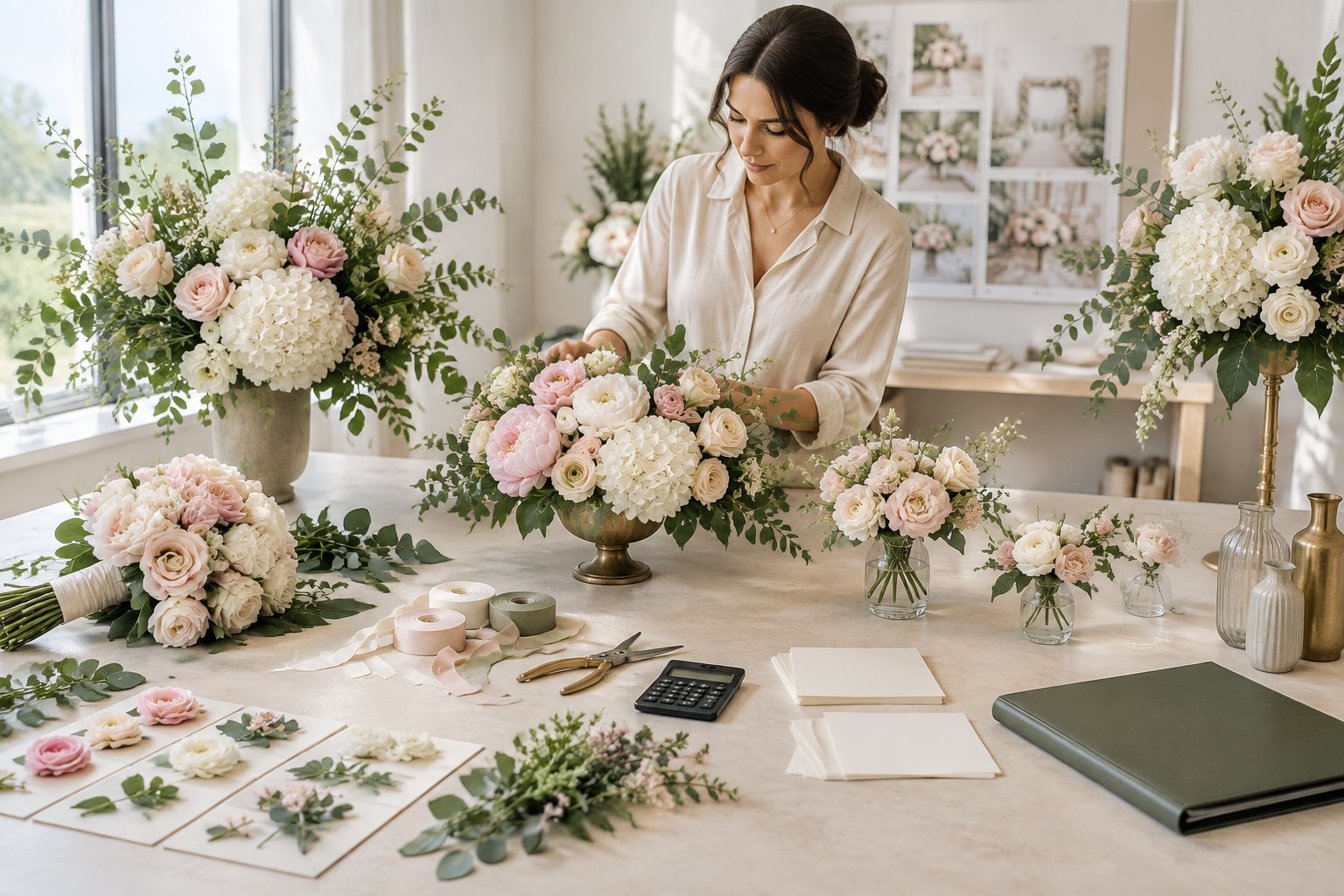
A professional florist creates bouquets and arrangements from your requested colors, flowers, and sizes. A designer-led service develops the visual direction across the entire celebration, including shape, texture, scale, vessels, ceremony placement, reception flow, and photo-focused details.
Designer-led work includes more planning before the wedding day. You may receive a detailed proposal, mood direction, floor-plan guidance, sample arrangements, venue coordination, and a dedicated installation team.
Flowers
Fresh flowers are priced by variety, season, quality, source, and quantity. Premium flowers such as peonies, orchids, garden roses, or lily of the valley raise the material cost. Flexible seasonal flowers and abundant greenery help create fullness with a smaller stem budget.
Your quote may also include vases, floral foam alternatives, chicken wire, mechanics, ribbon, water supplies, candles, or rented structures.
Floral Design, Labor, Delivery, and Setup
Labor covers flower processing, arranging, wiring, bouquet finishing, boutonniere preparation, packing, loading, delivery, placement, and cleanup. Complex wedding flower costs rise when the team must build large pieces on site or work within a short venue access window.
Delivery and setup depend on distance, parking, elevators, stairs, loading rules, and the number of rooms involved. Ask whether teardown, rental return, and disposal are included in the proposal.
Why Custom Floral Installations Cost More
A floral installation needs more than flowers. The team may build a frame, secure mechanics, balance weight, protect the venue, transport large pieces, and install them safely at height.
A ceremony arch, hanging floral cloud, flower wall, or long head-table design also requires extra crew time. One large focal piece can take more labor than several small arrangements, especially when it must be assembled at the venue.
What Do Designer Wedding Florals Cost by Budget Tier?
A realistic wedding floral budget ranges from focused personal flowers and simple arrangements to full-service design with custom installations. National averages often sit near $2,500 to $3,500, while a full plan for 100 guests with ceremony and reception coverage may reach $4,000 to $7,500.
A Realistic Starting Range for Small and Mid-Size Weddings
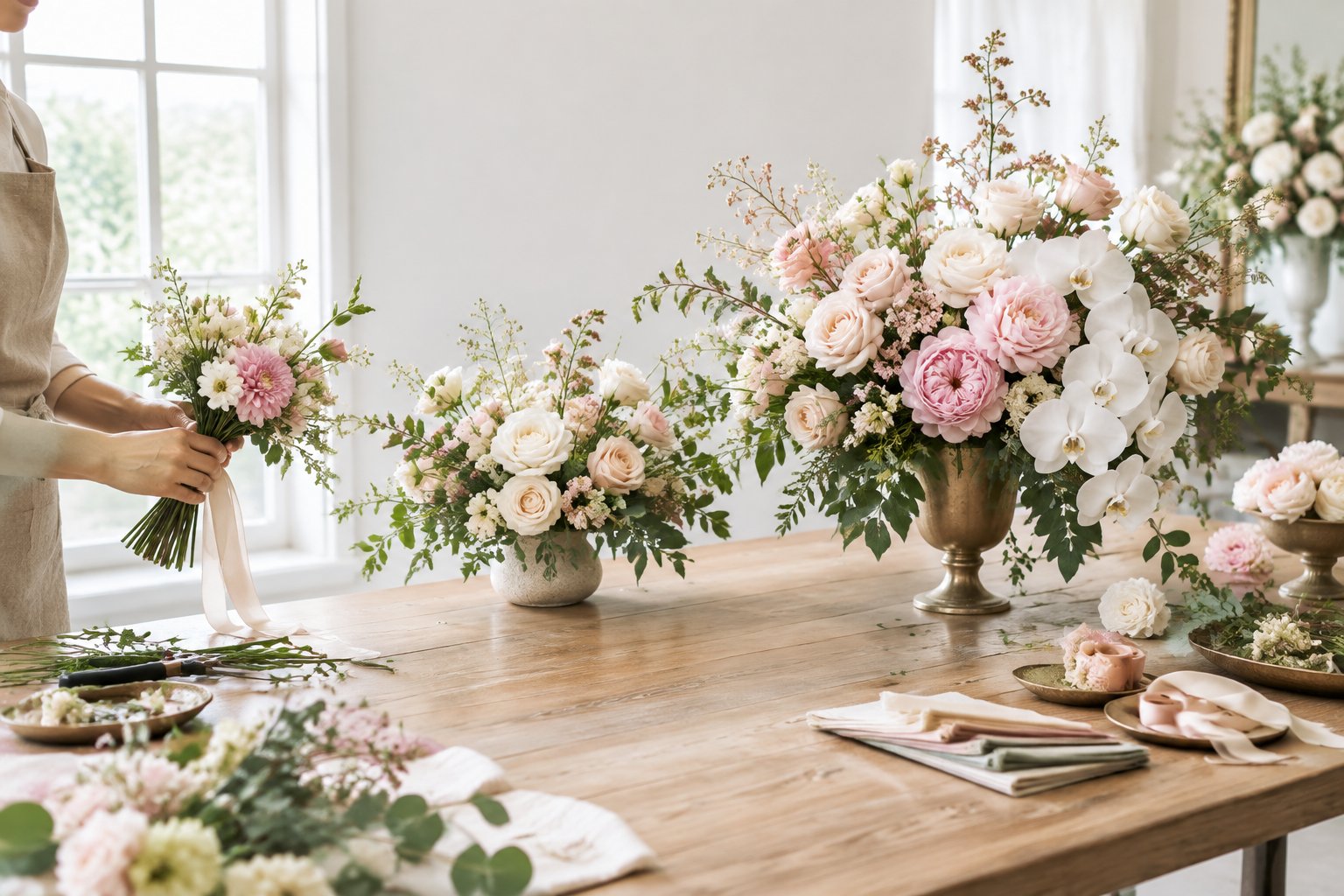
A focused plan for a small wedding can start near $1,500 to $3,000. This range may include a bridal bouquet, boutonniere, a few personal flowers, simple ceremony arrangements, and modest reception flowers.
A $3,500 to $7,500 wedding flower budget gives you more room for full personal flowers, ceremony focal pieces, and reception centerpieces. For a 100-person wedding, the number of tables often drives the wedding flower cost more than the guest count itself.
What a Mid-Range Full-Service Floral Plan Can Include
A $5,000 to $10,000 plan may include:
- Bridal bouquet and attendants’ bouquets
- Boutonnieres and corsages
- Ceremony altar arrangements or a partial arch
- Aisle markers or petals
- Reception centerpieces for approximately 8 to 15 tables
- Sweetheart table flowers
- Cake flowers
- Delivery, setup, and strike
The exact wedding flower cost breakdown depends on the size of each arrangement. Low centerpieces may fall near $75 to $250 per table, while tall or layered designs can exceed $400 per table.
The Knot Real Weddings Study is often used as a reference for national averages, though averages may count floral coverage differently from a designer’s full-service proposal. Compare the line items before comparing totals.
When a Luxury Floral Vision Reaches Five Figures
Luxury wedding florals reach $10,000 to $30,000 or more when your plan includes premium flowers, large installations, multiple floral moments, custom structures, elevated centerpieces, or a large guest count.
At this level, your wedding flower budget may include a floral arch, ceremony meadow, hanging installation, full reception table design, lounge flowers, welcome arrangements, bar flowers, cake florals, and detailed personal flowers. A full event design package that adds rentals, lighting, staging, or linens increases the investment further.
How Much Do Personal Wedding Flowers Cost?
Personal flowers commonly range from about $15 for a basic boutonniere to $600 or more for a large bridal bouquet, with the wedding bouquet receiving the largest share of this category.
Bridal Bouquet Cost and Premium Flower Choices
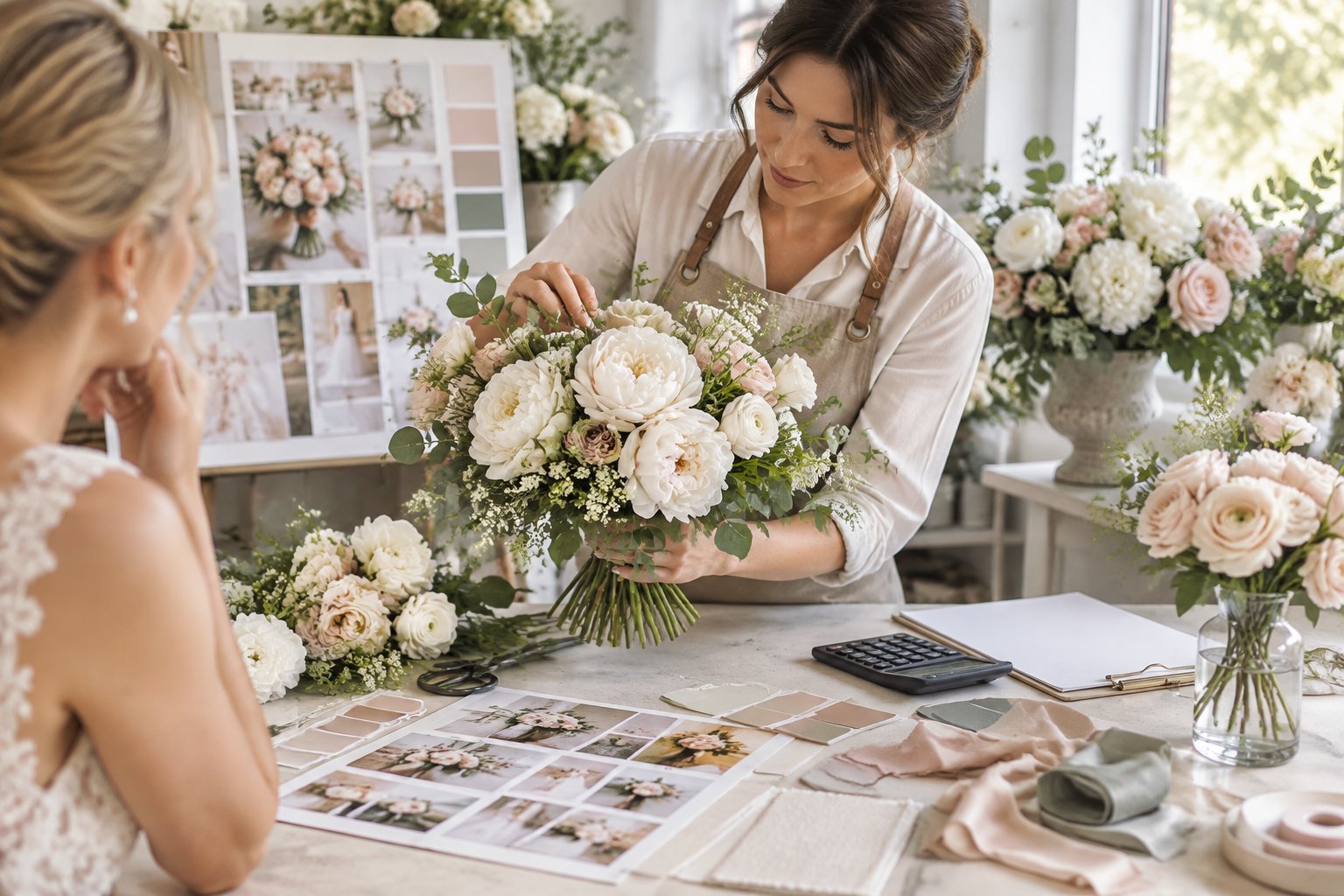
A bridal bouquet often costs $150 to $500, with luxury designs reaching $600 or more. Size, shape, flower variety, stem count, ribbon, and labor all affect the bridal bouquet cost.
A compact hand-tied bouquet with seasonal roses, lisianthus, and greenery sits near the lower range. A large garden-style or cascading wedding bouquet with peonies, garden roses, orchids, ranunculus, or specialty foliage moves toward the higher range.
If the bouquet is your main floral keepsake, you can place more of your wedding flower budget here and keep attendants’ flowers smaller.
Bridesmaid Bouquets and Bridesmaid Bouquet Alternatives
Bridesmaid bouquets commonly cost $65 to $200 each. A smaller version of the bridal bouquet uses fewer stems and keeps the wedding party’s look cohesive.
Lower-cost alternatives include:
- Single-stem flowers with ribbon
- Small posies
- Floral wristlets
- Greenery bundles
- Petite bouquets using seasonal blooms
A bridesmaid bouquet alternative works well when you want consistent color without multiplying the full bridal bouquet cost by the number of attendants.
Boutonnieres, Corsages, and Other Wearable Flowers
Boutonnieres commonly cost $15 to $50 each. A rose, lisianthus, carnation, or small cluster of greenery keeps the design polished, while orchids, garden roses, and wired details raise the price.
Corsages often range from $25 to $60 each, depending on whether they are pin-on or wrist designs and which flowers you choose. Plan personal flowers for the couple, wedding party, parents, grandparents, officiant, ushers, and anyone else you want to honor.
You may see both boutonniere and boutonnière in florist proposals. They refer to the same wearable flower.
Toss Bouquet, Hair Flowers, and Flower Girl Details
A toss bouquet may cost $50 to $150, depending on its size and whether it echoes the bridal bouquet. Hair flowers range from $25 to $100 for individual blooms, pins, combs, or small clusters.
A flower girl basket may cost $30 to $100. Petals, a mini bouquet, a floral wand, or a flower crown provide other options. Flower crowns need careful wiring and more design time, which places them near the higher end.
How Much Do Ceremony and Reception Designs Cost?
Ceremony flowers and reception flowers can range from a few hundred dollars for focused accents to more than $10,000 for large installations and full room design. Ceremony structures and the number of reception tables create the largest cost jumps.
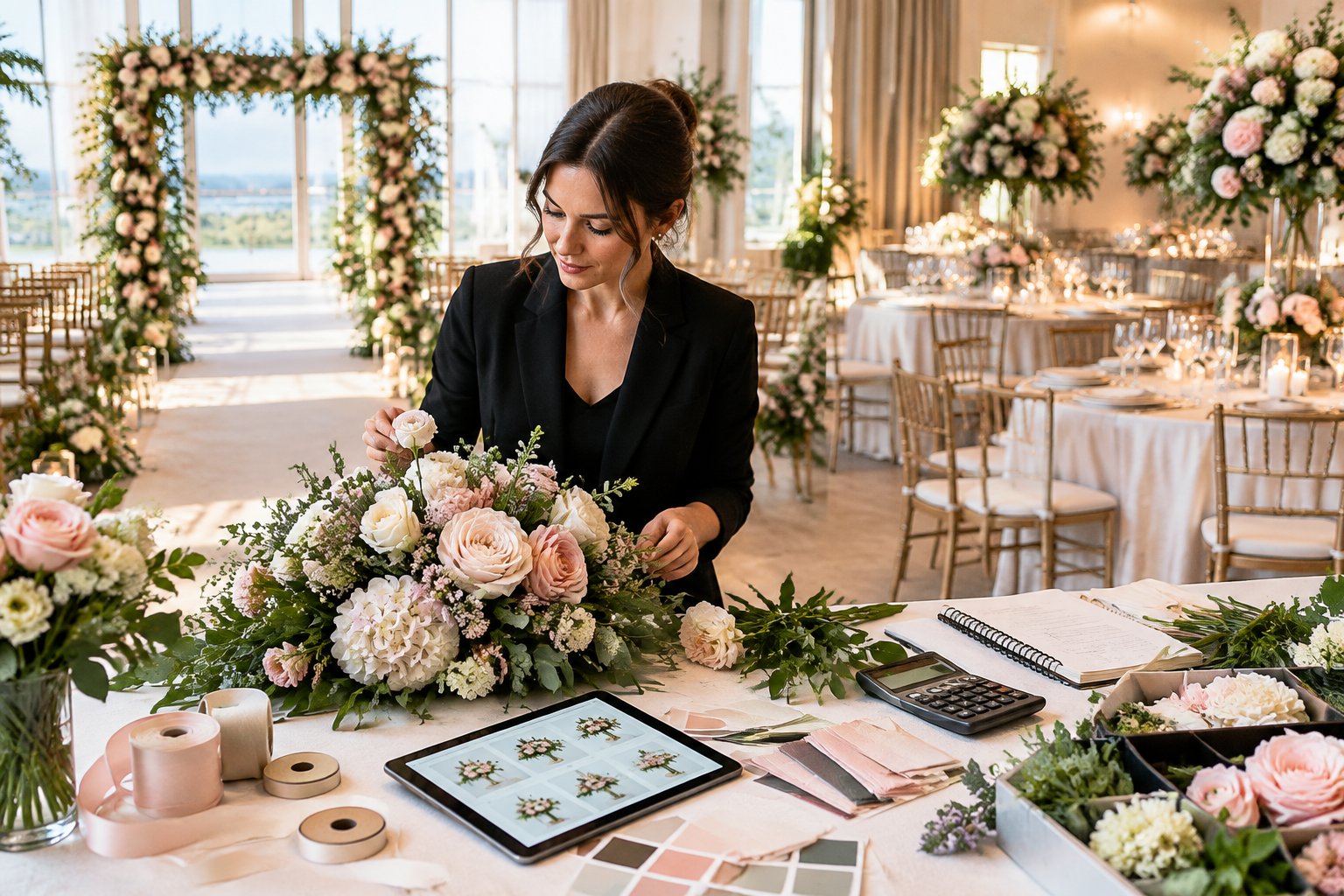
Ceremony Arch, Floral Arch, and Altar Arrangements
A ceremony arch or floral arch often costs $800 to $5,000 or more. A greenery-forward design with light flowers sits near the lower end, while a wide, lush installation with premium flowers requires more product and labor.
Altar arrangements commonly cost $200 to $800 each. A pair of large arrangements can frame the ceremony without covering the entire structure. Ask your florist to design them for movement after the vows so they can decorate the sweetheart table, reception entry, or lounge.
Aisle Markers, Pew Markers, and Aisle Petals
Aisle markers often cost $50 to $150 each. Six to twelve arrangements may create a clear aisle design, with the total depending on size and attachment method.
Pew markers, chair flowers, and aisle arrangements add labor when they must be tied or secured individually. Aisle petals can cost less than full arrangements, though the total rises when you want a dense petal path, multiple colors, or post-ceremony cleanup.
Reception Centerpieces and Table Flowers
Reception centerpieces commonly cost $75 to $400 or more per table. Low centerpieces use compact arrangements and work well for conversation-friendly tables. Tall centerpieces require vessels, stands, added mechanics, and enough volume to read across the room.
For example, 15 tables at $150 each create $2,250 in table flowers before delivery, setup, taxes, or additional reception details. Sweetheart table flowers, head-table runners, cocktail arrangements, escort-table flowers, and bar flowers add separate line items.
Cake Flowers and Other Reception Accents
Cake flowers commonly cost $50 to $200, depending on whether your florist provides loose blooms, a wired cluster, or a custom arrangement for the cake designer to place.
Other reception accents include welcome-table flowers, card-table arrangements, bar flowers, bud vases, lounge pieces, and restroom arrangements. Choose these after you fund the ceremony focal point and guest tables.
Which Floral Choices Raise or Lower the Quote?
Your quote rises with premium or out-of-season flowers, large scale, complex mechanics, high guest counts, difficult access, and expensive local labor. In-season flowers, flexible substitutions, greenery, and focused placement help control the wedding flower cost.
In-Season Flowers vs. Out-of-Season Flowers
In-season flowers are more available during their natural growing period, which supports better supply and pricing. Seasonal flowers also arrive with a look that suits the time of year.
Out-of-season flowers may require imports, special ordering, longer transport, or a substitution plan. A December peony request or a spring arrangement built around late-summer dahlias can cost more than the same design during peak availability.
Ask your florist for flowers with a similar color, petal shape, and texture if your favorite bloom is unavailable.
Premium Blooms and Budget-Friendly Substitutions
Peonies, garden roses, orchids, lily of the valley, gardenias, and premium ranunculus often raise the stem cost. Dahlias, hydrangeas, calla lilies, sweet peas, tulips, and certain lilies also shift in price based on season and supply.
Budget-friendly options include standard roses, carnations, lisianthus, chrysanthemums, daisies, sunflowers, alstroemeria, and seasonal tulips. A skilled florist can combine these with a few premium flowers so your favorite bloom receives attention without filling every arrangement.
You can also use garden roses in the bridal bouquet and standard roses in reception flowers. That keeps the wedding bouquet distinctive while protecting the table budget.
Greenery, Scale, and Arrangement Complexity
Greenery such as eucalyptus, ruscus, Italian ruscus, ferns, and other foliage adds shape and volume. Baby’s breath can create airy texture, while greenery-heavy designs reduce the number of premium stems needed.
Scale changes the quote quickly. A compact round arrangement uses fewer flowers and less labor than an airy, asymmetrical design with extended movement. Cascades, hanging elements, floral meadows, and mixed-height centerpieces require more mechanics and construction time.
Guest Count, Venue Logistics, and Local Market Pricing
More guests often mean more tables, centerpieces, place settings, aisle chairs, and delivery pieces. A large ballroom also needs designs with enough height and volume to remain visible across the room.
Venue logistics affect labor when the team faces stairs, long loading paths, limited parking, strict access windows, or multiple rooms. Local market pricing reflects labor rates, flower availability, freight, venue demand, and the designer’s service level.
How to Get a Designer Look for Less
You can create a designer look for less by concentrating flowers in high-impact areas, reusing ceremony pieces, choosing seasonal ingredients, and giving your florist a clear budget and style brief.
Choose One High-Impact Floral Moment
Select one hero moment such as the ceremony arch, sweetheart table, welcome display, or bridal bouquet. Give that piece enough scale to feel intentional, then keep lower-priority areas restrained.
A single strong ceremony installation can shape your photos and guest experience more effectively than small arrangements scattered across every surface.
Reuse Ceremony Flowers at the Reception
Plan the room transition before your florist writes the proposal. Altar arrangements can move beside the sweetheart table, aisle clusters can decorate cocktail tables, and a ceremony arch can become a reception backdrop if the venue layout allows it.
Repurposing requires labor, so ask whether moving the flowers adds a transfer fee. Even with that charge, one set of arrangements can serve two spaces.
Mix Potted Plants, Greenery, and Lower-Cost Blooms
Potted plants add height and texture to ceremony aisles, lounge areas, and reception entrances. Greenery creates volume in garlands, arches, and table designs.
Lower-cost blooms such as carnations, standard roses, daisies, lisianthus, and chrysanthemums provide color and fullness. A mixed plan also gives your florist more flexibility when the wholesale market changes close to your wedding date.
Prepare a Clear Brief for the Florist Consultation
Bring your wedding date, venue photos, floor plan, guest count, table count, color palette, inspiration images, must-have flowers, disliked flowers, and target budget. Mark each floral idea as essential, preferred, or optional.
Ask for an itemized proposal that shows personal flowers, ceremony flowers, reception flowers, rentals, delivery, setup, breakdown, taxes, and service fees. You can then adjust one category at a time.
When DIY, Silk Flowers, or FiftyFlowers Make Sense
DIY flowers suit smaller plans when you have reliable help, cool storage, transport, and time for processing and arranging. Fresh wholesale flowers from suppliers such as FiftyFlowers can reduce service costs, though you take responsibility for design, waste, hydration, setup, and cleanup.
Silk flowers and rentals work well for arches, repeated table pieces, or designs that need to be prepared days in advance. Fresh flowers deliver natural fragrance and texture, while faux options offer predictable availability and reuse.
A hybrid plan lets you reserve fresh flowers for personal pieces and use greenery, potted plants, or rented arrangements for larger decorative areas.