
Cost of Platinum Wedding Bands: 2026 Price Guide
A platinum wedding band costs about $1,200 to $4,500 in 2026 for most plain and moderately detailed styles, while diamond bands, custom designs, and luxury jewelry brands can reach $7,500 or more. Your final price depends on the ring’s width, gram weight, platinum purity, finish, stone setting, and retailer.
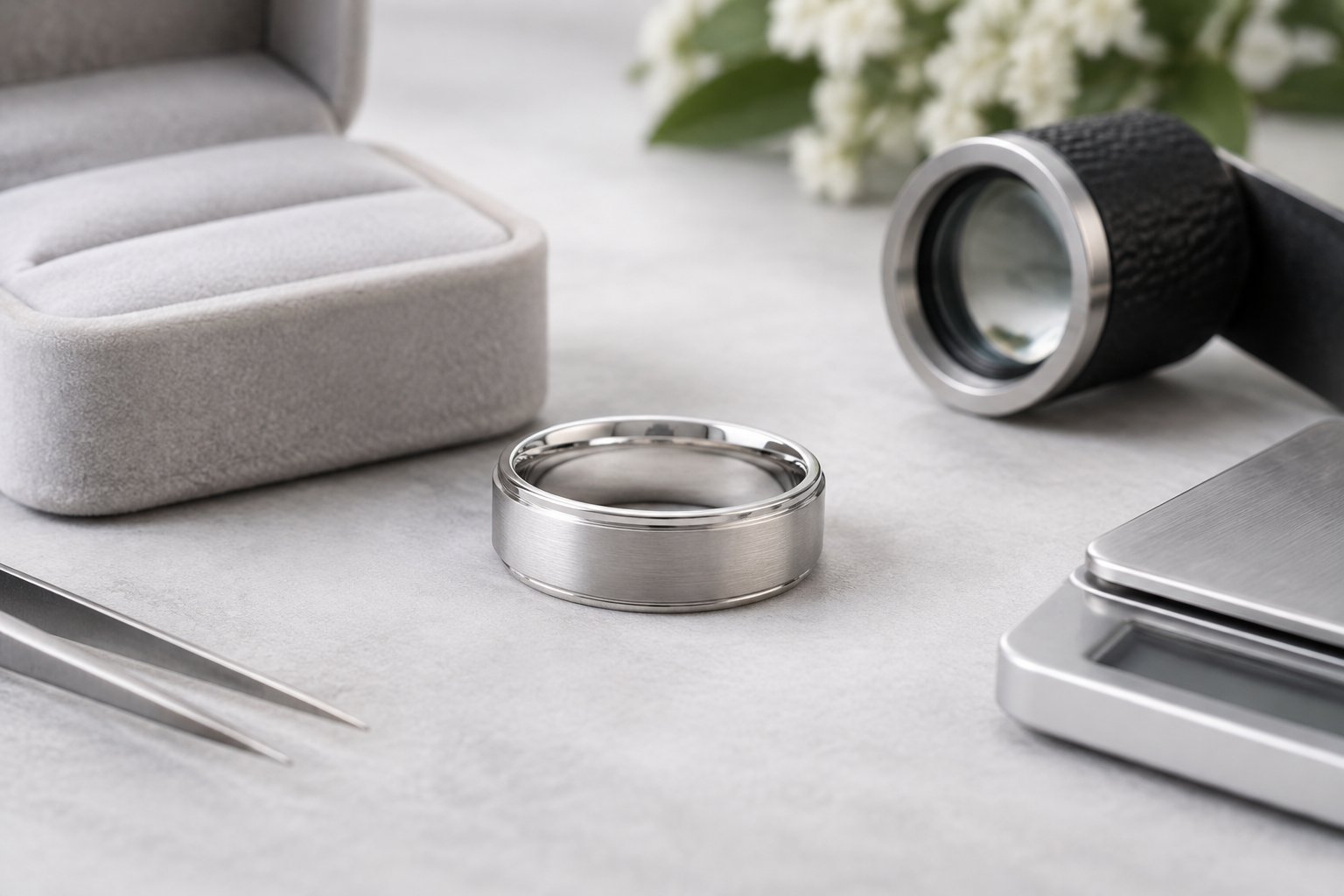
Platinum costs more at checkout because it is dense, commonly made with 95% platinum, and harder to shape and polish than gold. You also pay for design work, finishing, quality checks, branding, and any diamonds or precious stones.
If you want a durable ring with a naturally white color and minimal metal maintenance, start by comparing 950 platinum wedding bands with the same width and setting details. A few written quotes from online retailers and local jewelry stores can show whether a price reflects the ring itself or added retail costs.
How Much Should You Budget in 2026?
Plan on $1,200 to $2,500 for a plain platinum wedding band, $2,000 to $3,500 for a wider or detailed band, and $2,500 to $7,500 for diamond-set designs. The right budget starts with the style you want and the amount of metal the ring uses.
A simple platinum band gives you the lowest entry price. Wider rings, comfort-fit interiors, hand finishes, and stone settings raise the total. Designer names and custom work add another layer of cost.
Typical Prices for Plain Bands by Width
A narrow, simple band uses less platinum and requires less finishing work. A 2mm or 3mm ring may fall near the lower end of the range, while a 4mm band often costs about $1,200 to $2,500.
A 5mm or 6mm comfort-fit band can run from $2,000 to $3,500. The ring size also affects the amount of metal required. A larger size with a thick profile weighs more and carries a higher material and labor cost.
| Style | Typical 2026 price |
|---|---|
| Narrow 2mm to 3mm simple band | $900 to $1,800 |
| 4mm plain platinum band | $1,200 to $2,500 |
| 5mm to 6mm comfort-fit band | $2,000 to $3,500 |
| Detailed or textured band | $2,000 to $4,000 |
These ranges describe retail prices for a platinum wedding ring before taxes, shipping, insurance, or optional engraving.
What Diamond and Eternity Styles Usually Cost
A small diamond accent can place a band near $2,500. Several diamonds, a channel setting, or an eternity design can push the price to $5,000, $7,500, or more.
Stone quality affects the bill through carat weight, color, clarity, and cut. The gemstone setting also adds labor because the jeweler must create secure seats and inspect each stone.
Half-eternity bands place stones across the front half of the ring and use fewer diamonds than full-eternity styles. That choice can reduce cost while giving you a diamond-forward appearance.
What Custom and Designer Pieces Cost
Custom platinum wedding bands often start around $2,500 and rise above $6,000 as the design becomes more detailed. Hand-carved patterns, mixed finishes, special sizing, and one-of-a-kind work add bench time.
Designer pieces carry brand pricing alongside metal and labor costs. A ring from a recognized jewelry brand may cost more than a similar plain band from an independent jeweler.
Ask whether the quoted price includes a CAD design, wax model, sizing, engraving, appraisal, and warranty. These services can change the value of two rings with similar photographs.
What Determines the Final Price?
The final price comes from platinum purity, gram weight, construction labor, stone details, and the retailer’s pricing structure. Two rings with the same width can cost hundreds of dollars apart if their profiles, finishes, or settings differ.
A useful quote should identify the platinum alloy, ring weight when available, width, thickness, finish, stone specifications, and included services. Those details let you compare like-for-like platinum jewelry.
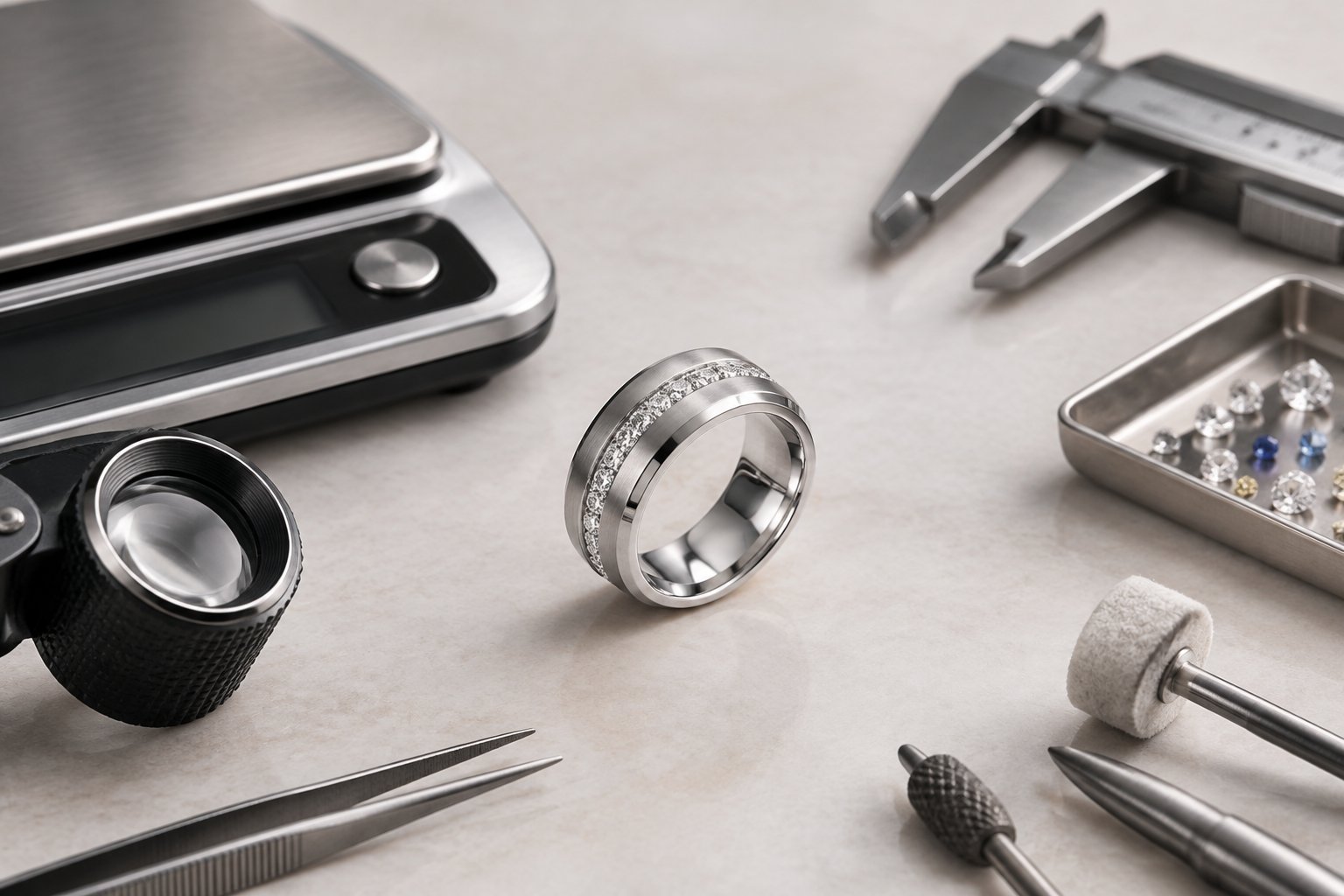
How 950 Platinum Purity Affects Value
950 platinum contains 95% platinum, with the remaining alloy selected to improve strength and workability. This purity level is common in fine platinum wedding bands and is marked with a stamp such as “950” or “PT950.”
A higher platinum content increases the precious-metal value of the ring. It also gives you a naturally white surface that does not require color-plating treatments.
Check the inside of the band and the product details for the purity mark. A seller should be able to explain the alloy and provide documentation when requested.
Why Gram Weight and Band Width Matter
Platinum is dense, so a ring of the same size and shape weighs more than a comparable gold ring. A wider band, thicker profile, or larger ring size increases gram weight and raises the material cost.
Width alone does not tell you the full story. Two 6mm bands may have different prices because one has a flat, light profile and the other has a domed, heavy construction.
Ask for the gram weight when the jeweler provides it. You can use that figure to compare the metal content of similar rings, while remembering that retail pricing also includes labor and business costs.
How Finishes, Filigree, and Engraving Add Labor
Polished surfaces require preparation and careful finishing. Brushed, hammered, milgrain, and satin treatments add separate steps, especially when the design needs clean edges.
Filigree uses fine metal details that require precise cutting or shaping. Hand engraving adds bench time based on the pattern and lettering length.
Inside engraving is often priced per character or per design. Confirm the font, placement, proof process, and whether changes after approval carry an added fee.
How Diamond Quality and Setting Style Change the Total
Diamonds raise the price through total carat weight and individual stone quality. A band with many small stones requires repeated setting and inspection, while larger stones cost more per stone.
Channel, pavé, bezel, and shared-prong settings create different labor demands. A secure gemstone setting must hold each stone firmly while keeping the band comfortable for daily wear.
Ask for the number of stones, total carat weight, grading details when provided, and setting type. A low listed carat weight does not tell you how evenly the diamonds cover the band.
Why Platinum Costs More Than Similar Gold Bands
Platinum rings cost more than comparable gold bands because platinum is denser, sold at high purity, and more labor-intensive to fabricate. The price gap also reflects long-term differences in color, wear, and maintenance.
A gold ring can offer a lower starting price and a broad range of colors and karats. Platinum offers a heavier feel, a naturally white appearance, and a surface that develops a gray patina with wear.
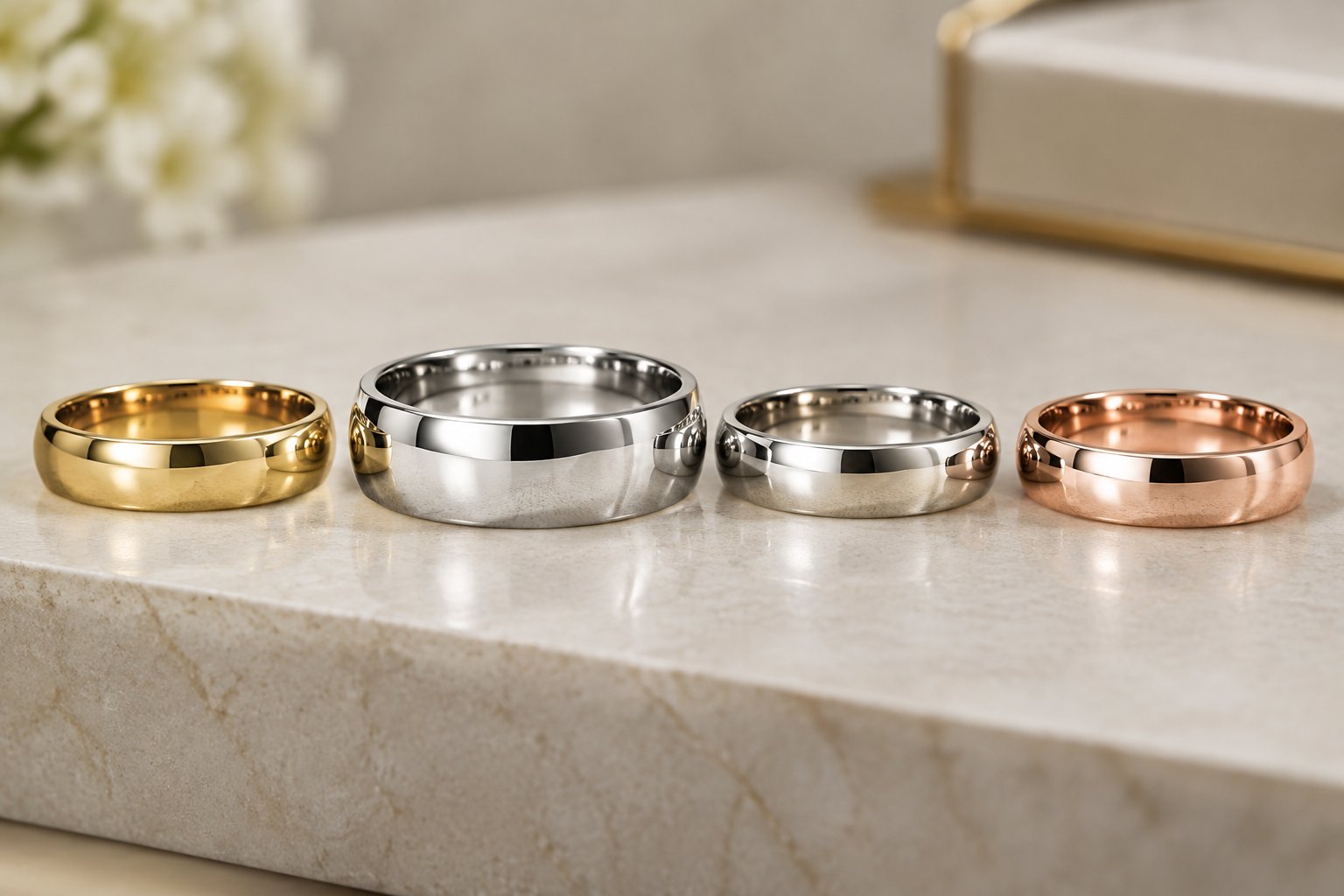
| Feature | Platinum | White gold | Yellow gold |
|---|---|---|---|
| Common purity | 950 platinum | 14k or 18k | 14k or 18k |
| Color | Naturally white | White finish over alloy | Warm yellow |
| Weight | Heavy | Lighter | Lighter |
| Plating | None | Rhodium plating | None |
| Wear pattern | Patina | Scratches and plating wear | Scratches and polish wear |
| Starting cost | Higher | Lower | Lower |
Platinum vs. White Gold
White gold combines gold with other metals to create a pale alloy. Many white gold rings receive rhodium plating for a brighter white finish.
Platinum has a silver-white color throughout the metal. It also has a denser feel, which many buyers notice when comparing rings of equal dimensions.
White gold can reduce your initial purchase price. Platinum can suit you if you prefer a high-purity metal and want the ring’s color to remain stable without plating.
Platinum vs. Yellow Gold and 18K Gold
Yellow gold gives you a warm traditional color, while 18k gold contains 75% gold and 25% alloy metals. Platinum contains a higher share of its named metal and weighs more for a similar design.
A yellow gold band usually costs less than a comparable platinum band. Your choice comes down to color, feel, purity, and the budget you set for the ring.
18k gold provides a rich gold content and a softer appearance than many 14k alloys. Platinum creates a cooler look that pairs well with white diamonds and modern settings.
Durability, Patina, and Long-Term Maintenance
Platinum holds up well during daily wear and keeps its white color. Scratches move metal across the surface, creating a soft patina that many wearers enjoy.
You can have a jeweler polish platinum when you want a brighter finish. The ring can also be resized and repaired by a jeweler with platinum-working experience.
Its weight and softness relative to some hard modern alloys make it a poor match for severe impact work. Remove any precious-metal ring before heavy lifting, machinery work, or activities that expose it to sharp force.
Why White Gold Requires Rhodium Plating
Rhodium plating gives white gold its bright, reflective surface. Daily friction gradually wears that layer, especially along the underside and edges of the band.
Many white gold owners schedule fresh plating as part of routine jewelry care. The cost and timing depend on the ring, wear pattern, and jeweler.
Platinum does not require rhodium plating to look white. You can choose occasional polishing if you prefer a mirror finish, while a patina finish requires no regular surface treatment.
How Platinum Price and Retail Markups Affect What You Pay
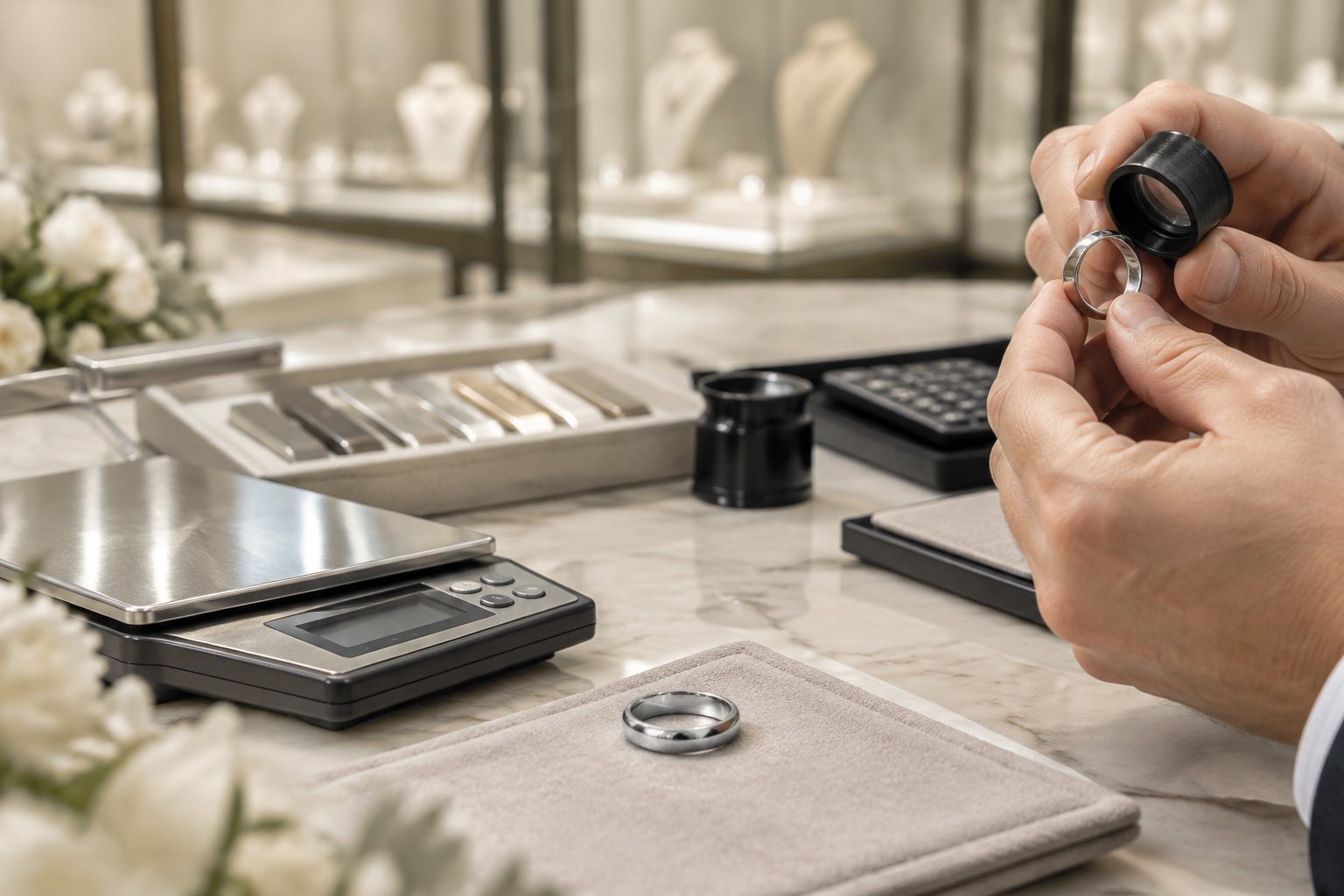
The platinum price influences your ring’s material cost, while craftsmanship, operating expenses, brand positioning, and retail margin shape the final ticket price. A change in the metal market affects quotes, yet the raw platinum value is only one part of a finished ring’s cost.
Retailers price finished jewelry after accounting for manufacturing, quality control, design work, shipping, insurance, service, and business overhead. Two sellers can offer similar platinum jewelry at different prices.
How Market Conditions Influence Ring Prices
Platinum prices respond to mining supply, industrial demand, currency shifts, and broader precious-metals market conditions. Retail prices may reflect those changes with a delay because finished inventory was made or purchased earlier.
Jewelry prices do not move in lockstep with daily metal quotes. A ring still includes labor, stones, shipping, and the seller’s pricing model.
Ask when the price is locked if you are ordering a custom ring. This helps you know whether a later metal-market change affects the final invoice.
Metal Value vs. Craftsmanship and Retail Margin
The melt value of a ring represents its recoverable metal content. Retail value also includes the work required to cast, size, shape, polish, set stones, inspect, package, and support the item.
A plain band has fewer labor steps than a filigree or diamond eternity band. A designer’s price can include development, brand services, showroom costs, and warranty support.
Compare the ring’s specifications before judging the markup. A lower quote with less platinum, thinner walls, or fewer included services may not represent the same product.
When a Higher Platinum Price Matters to Shoppers
A higher price can make sense when you receive more gram weight, a stronger construction, careful finishing, better diamonds, or meaningful service coverage. It also suits buyers who value platinum’s natural color and high purity.
A premium deserves a clear reason. Ask the seller to separate metal, stones, labor, customization, taxes, and included protection where possible.
You can set a firm ceiling by choosing the width first, then selecting a finish and stone plan that fit the remaining budget. This keeps design upgrades from quietly pushing the ring beyond your target.
Where to Buy and How to Compare Offers
You can compare platinum wedding bands effectively by matching purity, width, weight, stones, finish, and included services across online retailers and local jewelry stores. A low listed price has value only when the ring specifications match the alternatives.
Online sellers make it easier to filter by metal, width, and design. Local jewelers give you the chance to inspect fit, feel, finish, and color in person.
Keep screenshots or printed specifications for each ring you consider. A clear comparison prevents differences in sizing, engraving, shipping, or warranties from appearing after you choose.
Comparing Blue Nile and James Allen With Local Jewelers
Blue Nile offers a broad online selection of platinum wedding rings with filters for metal and design. James Allen also presents platinum bands online and provides a large catalog for comparison.
Local jewelers add hands-on fitting, personal guidance, and access to repair or resizing services in your area. Their quotes can include consultation and after-sale support that online listings show separately.
Compare the same ring type across all three routes. Check the platinum mark, width, thickness, stone details, return terms, resizing policy, delivery date, and warranty before focusing on the headline price.
How to Compare Matching Specifications
Use a short comparison list:
- Platinum purity, such as 950 or PT950
- Ring width and profile
- Gram weight, when published
- Ring size and comfort-fit design
- Finish, texture, milgrain, or filigree
- Diamond count, total carat weight, and setting
- Engraving cost
- Resizing, warranty, shipping, and return terms
A 4mm polished band should be compared with another 4mm polished band of similar thickness. A wider ring with a lighter profile may cost less than a narrow ring built with heavy walls.
What to Verify Before You Buy
Confirm the final price in writing, including sales tax, shipping, engraving, sizing, and insurance options. Ask whether the ring is made to order and whether customization changes the return policy.
Look for a 950 or PT950 stamp and request an appraisal or product document when available. Verify that the ring arrives in the promised size and that resizing terms cover platinum work.
Before placing the order, read the return window, inspection rules, warranty exclusions, and delivery date. Those details protect your budget when the ring needs a fit adjustment or arrives with a finish different from what you expected.