
Cost of Silver Wedding Bands: 2026 Price Guide
If you are pricing a silver wedding band in 2026, plan on about $40 to $250 for a standard sterling silver wedding band, with premium alloys, gemstones, custom work, and designer branding pushing the price higher. A plain, well-made band gives you the classic white-metal look at a small fraction of the cost of gold or platinum.
Your final price depends on more than the silver itself. Width, ring weight, finish, engraving, stone settings, sizing, seller reputation, and return coverage all affect what you pay. If you want an affordable ring with a clean look, start by comparing genuine sterling silver styles and checking the seller’s metal details before ordering.
What Is a Realistic 2026 Budget?
A realistic 2026 budget for a silver wedding band is $40 to $250, with most plain sterling silver wedding bands fitting near the middle of that range. A pair of simple wedding bands may cost about $80 to $500 before taxes, shipping, sizing, or engraving.
Typical Price Ranges by Band Style
| Band style | Typical 2026 price |
|---|---|
| Thin, plain band | $40-$90 |
| Standard plain band | $75-$150 |
| Wide or heavy comfort-fit band | $120-$250 |
| Textured or patterned band | $100-$250 |
| Engraved band | $125-$300 |
| Gemstone-accented band | $150-$500+ |
| Tarnish-resistant premium alloy | $150-$350 |
| Custom-designed band | $250-$700+ |
A narrow band uses less metal and needs less finishing work. A wide men’s band or a thick comfort-fit design carries more material and labor, which raises the price. Gemstones and custom details create a wider range because the setting and design work become part of the purchase.
What You Get at Each Price Point
At $40 to $90, you can expect a basic sterling silver band with a polished or brushed surface. Check the ring thickness carefully because very light bands may dent or lose their shape with rough daily use.
At $90 to $175, you will find more solid construction, smoother interiors, comfort-fit profiles, and better finishing. This range suits many shoppers who want a daily band with a refined appearance.
At $175 to $350, you may see wider bands, detailed textures, premium tarnish-resistant alloys, rhodium finishes, or small gemstone accents. The higher price should come with clear specifications and reliable customer service.
Above $350, the price often reflects custom sizing, hand-finished details, larger stones, a recognizable designer, or a made-to-order process. Compare the materials and workmanship closely so the extra cost matches what you value.
What Makes One Ring Cost More Than Another?
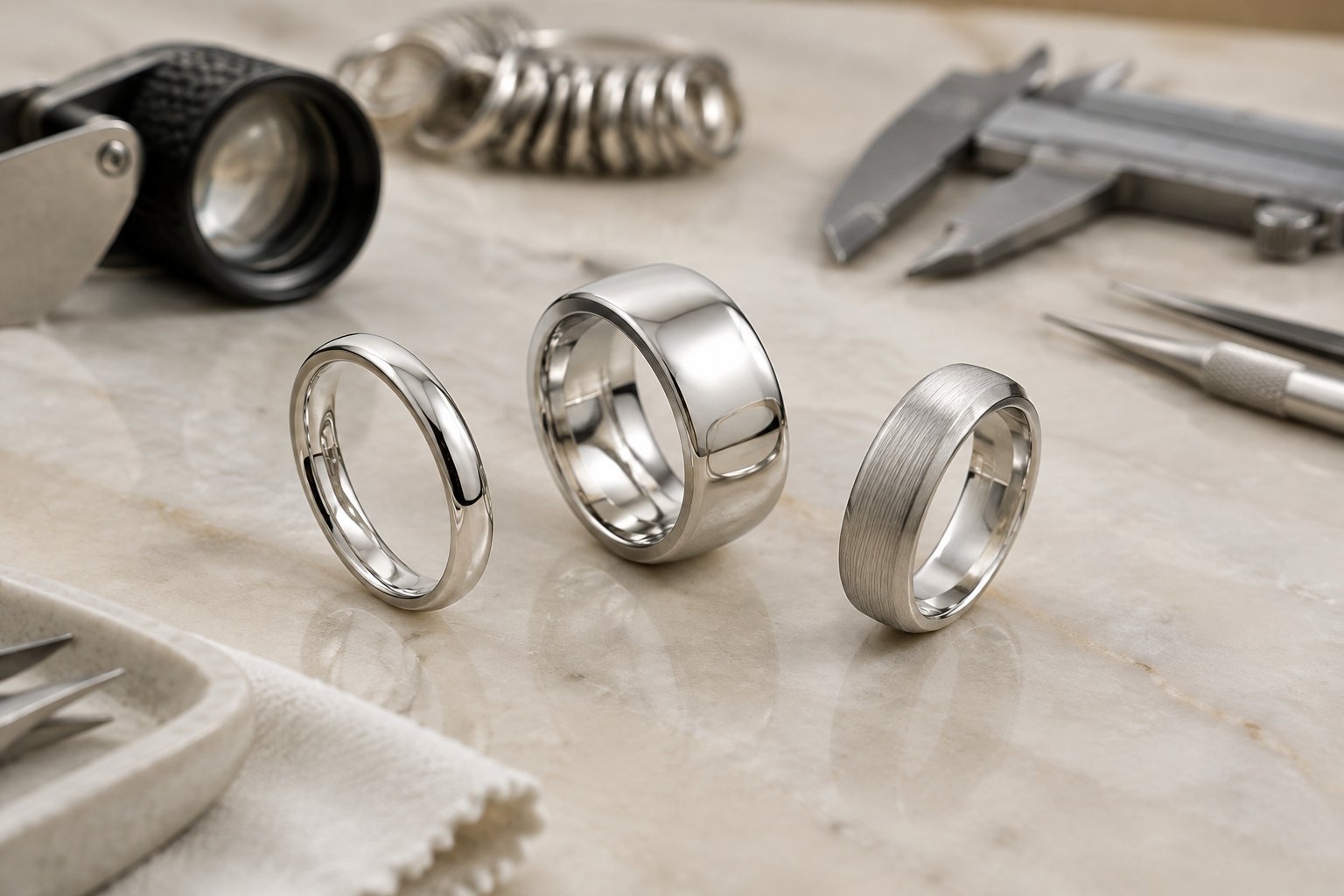
The biggest price drivers are the amount of sterling silver, the labor required for the design, and the seller’s brand markup. A plain narrow ring and a wide engraved band may use the same metal purity while carrying very different prices.
Width, Weight, and Thickness
A wider or thicker ring requires more silver and takes longer to shape and polish. A 2-millimeter band may cost far less than a 6-millimeter band in the same sterling silver alloy.
Weight also affects comfort. A heavier ring feels more substantial, while a thin band feels lighter on your finger. Ask for the band’s width and thickness in millimeters so you can compare listings on equal terms.
Finishes, Textures, and Engraving
Polished, brushed, hammered, satin, and oxidized finishes require different steps at the bench. A two-tone effect or mixed finish adds more labor.
Engraving raises the price through setup and machine or hand work. Simple text on the inside of the band costs less than custom lettering, symbols, or a design engraved around the entire ring. Confirm character limits, font choices, and whether engraving affects returns.
Gemstones, Custom Work, and Brand Markup
Gemstones add the cost of the stones, settings, inspection, and extra metal. A few small accent stones fit a lower budget than a full eternity design with stones around the band.
Custom work includes design changes, special sizing, unusual profiles, and made-to-order production. Brand markup can also increase the price without changing the silver purity. Compare the metal description, warranty, sizing terms, and return policy before paying more for a name.
How to Confirm You Are Buying Genuine Sterling Silver
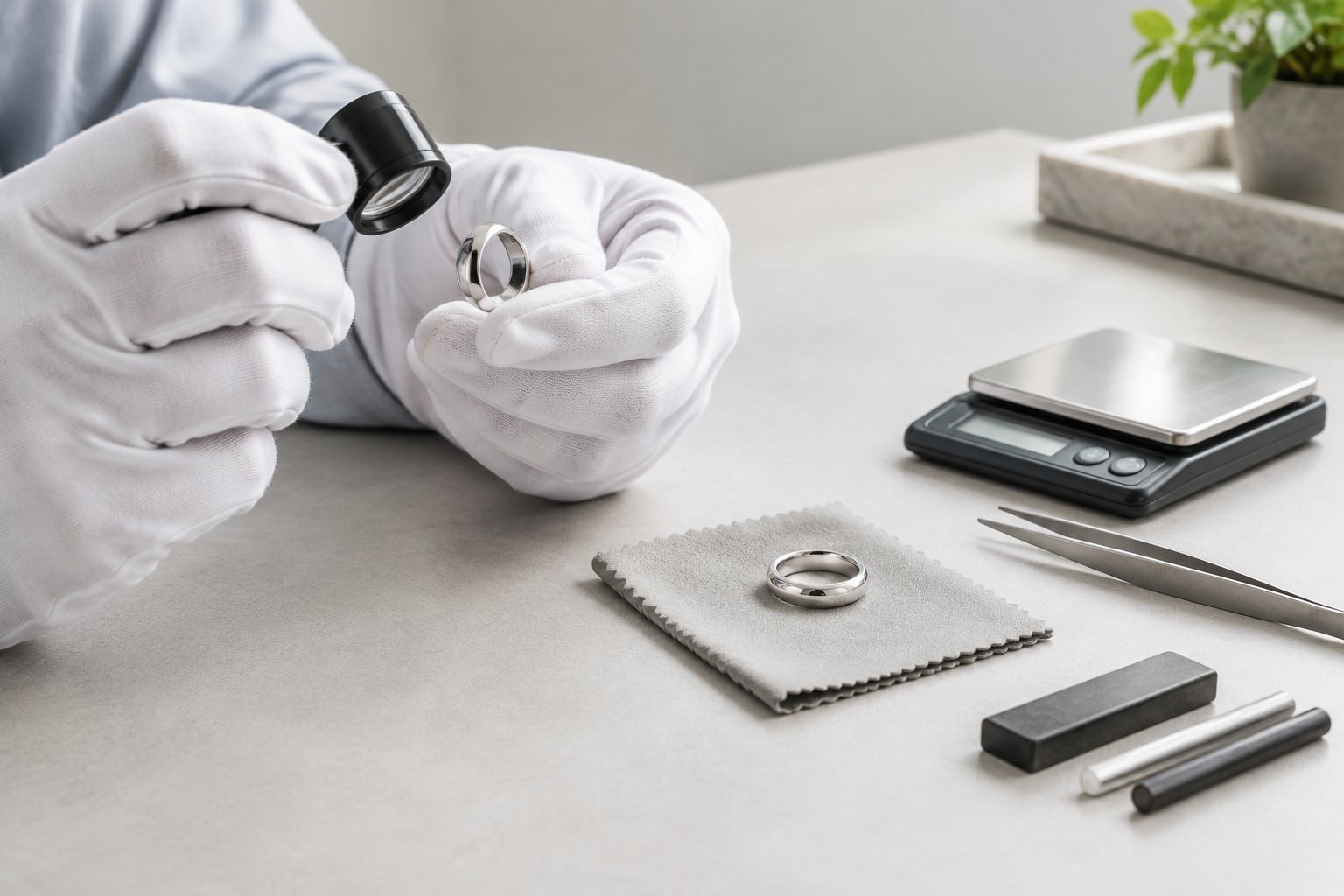
You can make a strong first check by looking for a 925 hallmark and reviewing the seller’s full metal description. A hallmark supports the claim, while seller transparency, physical inspection, and professional testing provide added confidence for a costly purchase.
Look for the 925 Hallmark
Genuine sterling silver contains 92.5% silver and 7.5% alloy metal, commonly copper. Look inside the band for 925, .925, S925, or Sterling.
A stamp is useful evidence, though counterfeit pieces can carry false marks. Also check whether the product page clearly states “925 sterling silver” instead of vague terms such as “silver tone” or “silver color.”
Solid Silver vs. Silver-Plated Rings
A solid sterling silver ring has sterling silver throughout its main structure. A silver-plated ring has a thin silver layer over another metal.
Inspect high-contact areas such as the underside of the band and the edges. Plating wear may reveal a yellow, copper-colored, or gray base metal. Ask whether the ring is solid sterling silver, plated, vermeil, or made from another alloy.
A magnet test can help screen out iron-based metals because silver is nonmagnetic. It cannot prove purity because several non-silver metals also show no magnetic pull.
Why Extremely Low Prices Can Be a Warning Sign
A very low price may reflect a thin band, lightweight construction, unclear metal content, poor finishing, or a plated base. Low price alone does not prove fraud, especially during a sale, so review the product specifications and seller policies.
For a valuable or sentimental ring, take it to a jeweler for professional testing. X-ray fluorescence testing can check metal composition without scratching the band.
Is Sterling Silver Practical for Everyday Wear?
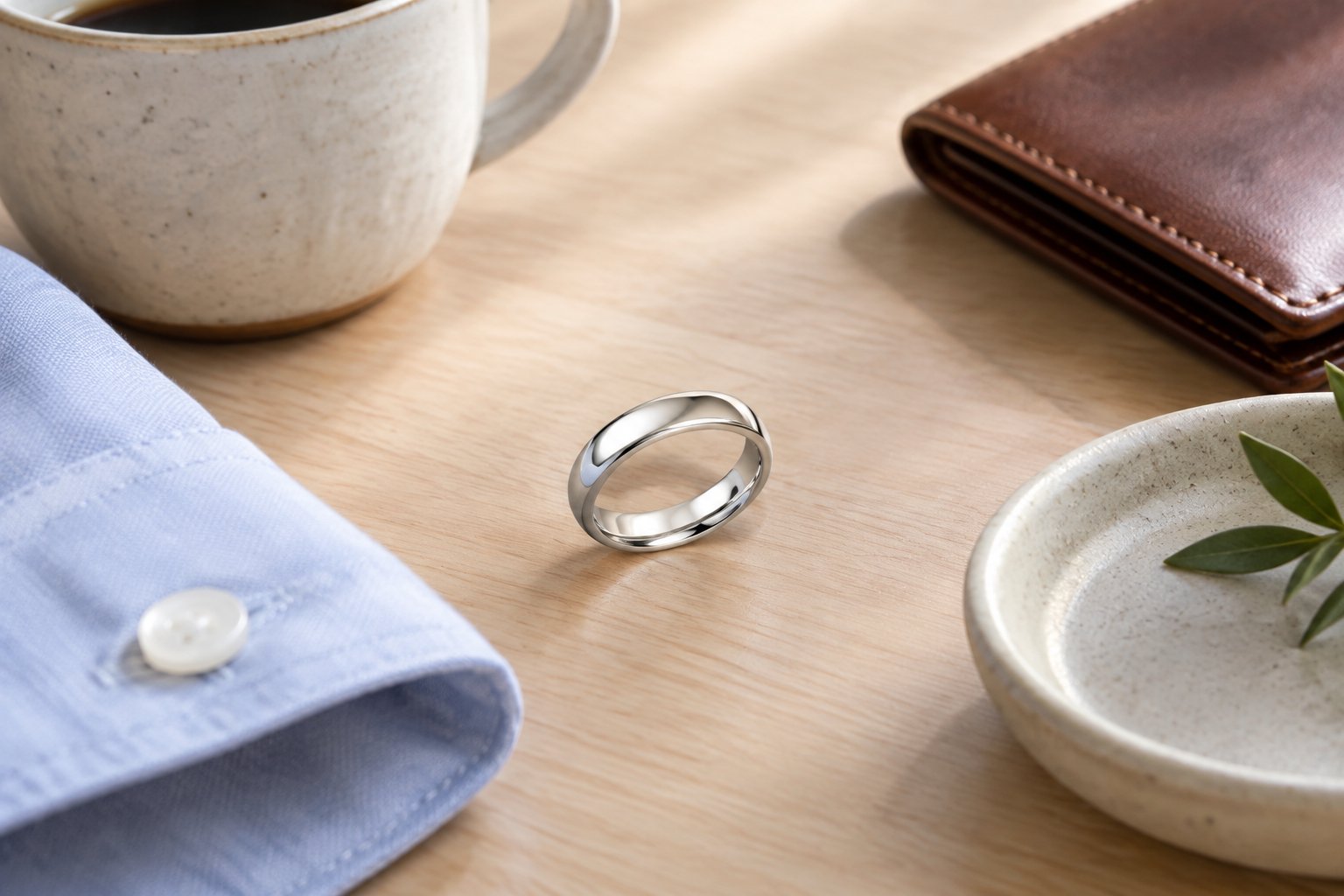
Sterling silver works for everyday wear when you accept regular polishing and protect it from hard impacts and chemicals. It costs less than many white metals, though it scratches and bends more easily than 14k white gold or platinum.
Tarnish, Scratches, and Long-Term Wear
Sterling silver reacts with sulfur compounds in air, moisture, cosmetics, and household chemicals. This reaction creates tarnish, which appears as a gray or dark surface film and can be removed.
Silver also picks up scratches and dents during manual work, exercise, gardening, or contact with hard objects. A thin band faces more risk of bending than a thicker band. Over many years, daily wear may soften edges and change the ring’s shape.
Remove the ring for swimming, cleaning, heavy lifting, and contact with chlorine or bleach. These habits reduce surface damage and slow tarnish.
How to Clean and Store Your Band
Wipe your band with a soft cloth after wearing it. For light dirt, use lukewarm water with a small amount of mild soap, then rinse and dry it fully.
Use silver polish for tarnish when the manufacturer allows it. Follow the product directions and avoid abrasive cleaners, rough paper towels, and stiff brushes that can leave marks.
Store the ring in a dry fabric pouch or a sealed bag made for jewelry. Keep it away from rubber, damp bathrooms, and direct contact with other pieces that may scratch the surface.
When a Protective or Tarnish-Resistant Alloy Helps
A tarnish-resistant alloy or protective rhodium coating suits you if you want less frequent polishing. These options still need care because surface coatings wear through friction and may require professional renewal.
Ask whether the finish is part of the listed price and whether the seller covers future replating. A thicker band with a protective finish can be a practical choice for moderate daily wear, while a more active lifestyle may call for a harder metal.
How Does Silver Compare With Other White Metals?
Sterling silver gives you the lowest entry price, 14k white gold offers a stronger traditional jewelry option, and platinum provides the highest density and long-term durability among these choices. Your lifestyle, skin sensitivity, care habits, and budget should guide the decision.
| Criterion | Sterling silver | 14k white gold | Platinum |
|---|---|---|---|
| Typical plain-band price | $40-$250 | $300-$1,500+ | $800-$2,500+ |
| White appearance | Bright white | Cool white | Natural white |
| Daily-wear durability | Moderate | High | Very high |
| Tarnish | Yes | No | No |
| Plating needs | Sometimes | Often rhodium-plated | No |
| Weight | Light | Medium | Heavy |
Sterling Silver vs. 14k White Gold
Sterling silver costs much less and gives you a bright white look. It needs more attention to tarnish and scratches, while 14k white gold handles daily friction with greater resistance.
Many 14k white gold rings use rhodium plating for a brighter surface. That coating can wear and require renewal. Ask about nickel content if you have metal sensitivities, since some white gold alloys contain nickel.
Sterling Silver vs. Platinum
Platinum is denser, heavier, and more expensive. Its natural white color does not depend on rhodium plating, and its surface develops a soft patina as it wears.
Sterling silver suits a tight budget or a ring you plan to replace or upgrade later. Platinum fits you better when you want a premium heirloom band and prefer to pay more at the start for a dense, durable metal.
Choosing a Metal for Your Lifestyle and Budget
Choose sterling silver for an affordable band, light wear, or a temporary ring while you prioritize other wedding expenses. Choose 14k white gold for a balance of white-metal style, strength, and traditional jewelry value.
Choose platinum for frequent hard wear, a substantial feel, and long-term ownership. If your work involves tools, chemicals, or repeated impact, weigh maintenance and replacement costs alongside the first purchase price.
Ways to Keep the Purchase Affordable Without Cutting Corners
You can reduce the cost of a silver wedding band by simplifying the profile, comparing seller policies, and planning future changes before you buy. These choices preserve the ring’s metal quality while limiting labor and extra features.
Choose a Simple, Comfortable Profile
A plain comfort-fit band keeps the design clean and reduces engraving, stone-setting, and finishing charges. A medium width with enough thickness for your daily routine gives you a practical balance between price and durability.
Compare measurements in millimeters and ask for the ring’s approximate weight. A low price paired with an unusually thin profile may reflect less material and shorter wear life.
Prioritize Trusted Sellers and Return Policies
Buy from a seller that states the metal purity, sizing method, production time, and care instructions. Read the return policy before ordering, especially if the band is engraved or made to order.
Check whether the price includes resizing, a ring box, shipping, and taxes. A slightly higher listed price may be more affordable after those costs are included.
Consider Matching Sets and Future Upgrades
Matching wedding bands may lower the per-ring price when the designs share the same production process. Compare the total set price with two individual rings and confirm that both bands have the same metal purity.
You can also choose a sterling silver band now and plan an upgrade later for an anniversary or milestone. Keep the original ring as a ceremony or travel band if its condition remains good, and confirm that your chosen size and design will remain comfortable for the years ahead.