
Cost of Videographer for Wedding: Pricing and Packages
The cost of a videographer for a wedding is usually about $2,000 to $6,500 in the United States, with many couples spending $2,500 to $4,000 for professional coverage, a polished highlight film, and ceremony audio. Your final quote will reflect your coverage hours, editing style, crew size, venue, and chosen deliverables.
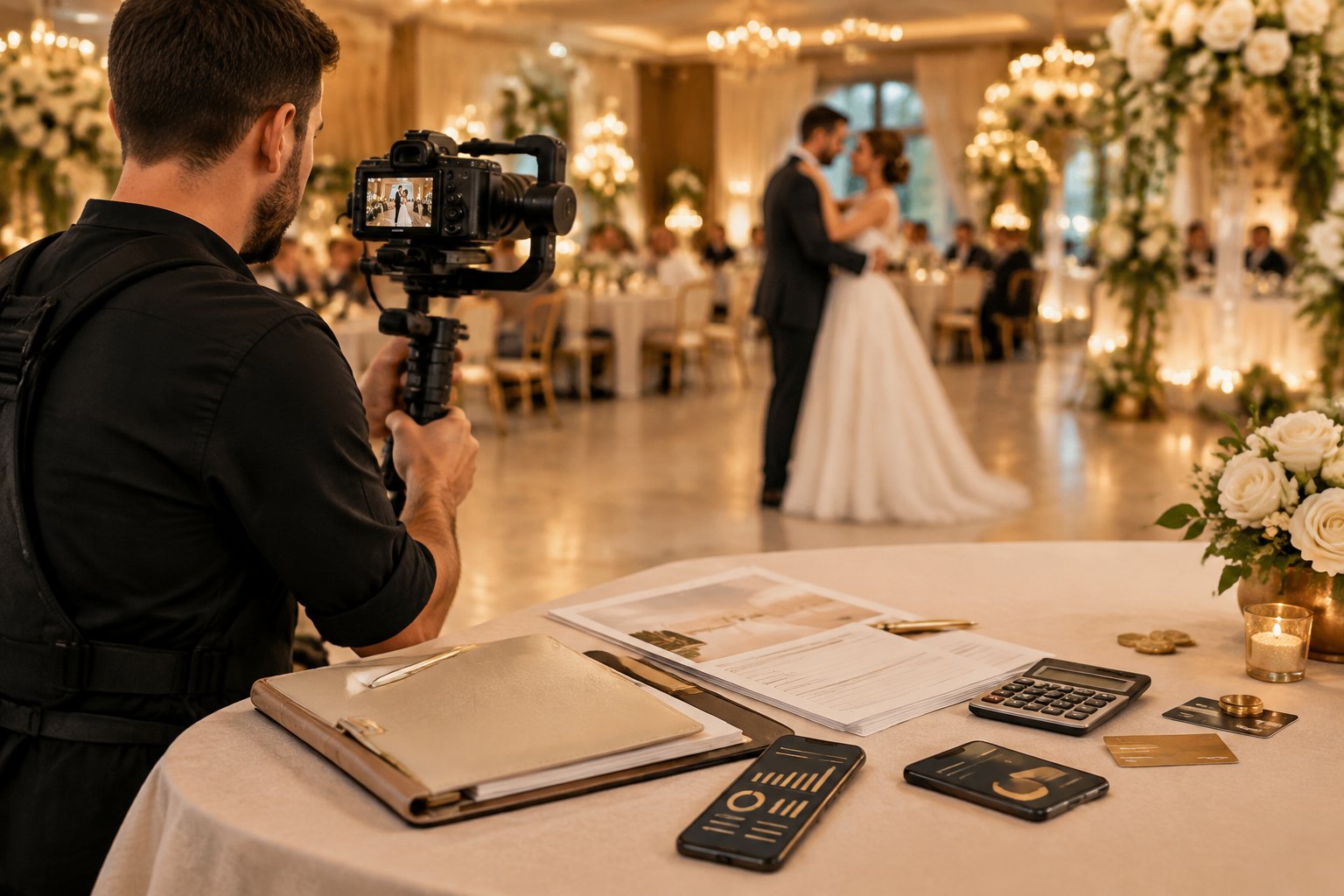
A wedding video preserves details that photos cannot, including vows, speeches, music, movement, and the sound of loved ones. As you build your wedding budget and work through wedding planning, decide which moments you want preserved before comparing packages.
A clear wish list helps you spend with purpose and avoid paying for extras you will not use. Start by setting a video budget, then request quotes that list hours, crew members, edits, delivery dates, and additional fees. That approach gives you a fair way to compare wedding videography options and choose a professional who fits your day.
How Much Does Wedding Videography Cost?
Most U.S. couples should plan to spend $2,000 to $6,500 for wedding videography, while a polished mid-range package often falls between $2,500 and $4,000. The average cost of a wedding videographer changes with location, experience, coverage length, and the final film you receive.
Typical U.S. Price Ranges
Your wedding videographer cost may fit one of these broad ranges:
- $1,000 to $2,000: Short coverage, one videographer, and a brief highlight reel.
- $2,000 to $4,000: Several hours of coverage, professional audio, ceremony footage, and a highlight film.
- $4,000 to $6,500: Longer coverage, multiple cameras, a second shooter, advanced editing, and a longer wedding film.
- $6,500 and above: Luxury service, larger crews, custom storytelling, extensive post-production, or high-cost markets.
The average wedding videographer cost gives you a starting point, not a guaranteed quote. A four-hour ceremony package in a small market will have a different wedding video cost from a full-day cinematic production in New York City or Los Angeles.
When reviewing wedding videographer pricing, ask whether the listed figure includes sales tax, travel, raw footage, ceremony edits, and delivery. These details explain why two packages with similar prices can provide very different value.
Typical UK Price Ranges
UK wedding videographer costs commonly fall between £1,000 and £3,000, with premium cinematic packages reaching £4,000 or more. Local demand, travel distance, coverage hours, and the length of the finished wedding film shape the quote.
A ceremony-only service sits near the lower end. Full-day coverage with preparations, speeches, dancing, multiple cameras, and a feature film sits higher. If you are planning a UK celebration, review this guide to how much a wedding videographer costs in the UK for market-specific planning.
Why Average Costs Differ Between Sources
Pricing guides measure different groups of couples and package types. One source might count every booking, including short coverage, while another focuses on experienced professionals offering full-day films.
Location also affects averages. A city with higher business costs, insurance rates, and demand will produce higher wedding videography pricing than a rural area. Package names add another layer of confusion because “highlight film” can mean a three-minute montage from one provider and a ten-minute story edit from another.
Bridebook and other wedding planning platforms can help you find broad planning benchmarks. Treat an average as a budgeting reference, then compare local quotes with matching deliverables.
What Does a Wedding Videography Package Include?
A wedding videography package usually combines filming time, camera and audio coverage, editing, and digital delivery. The key difference between packages is the amount of time recorded and the length and detail of the finished film.
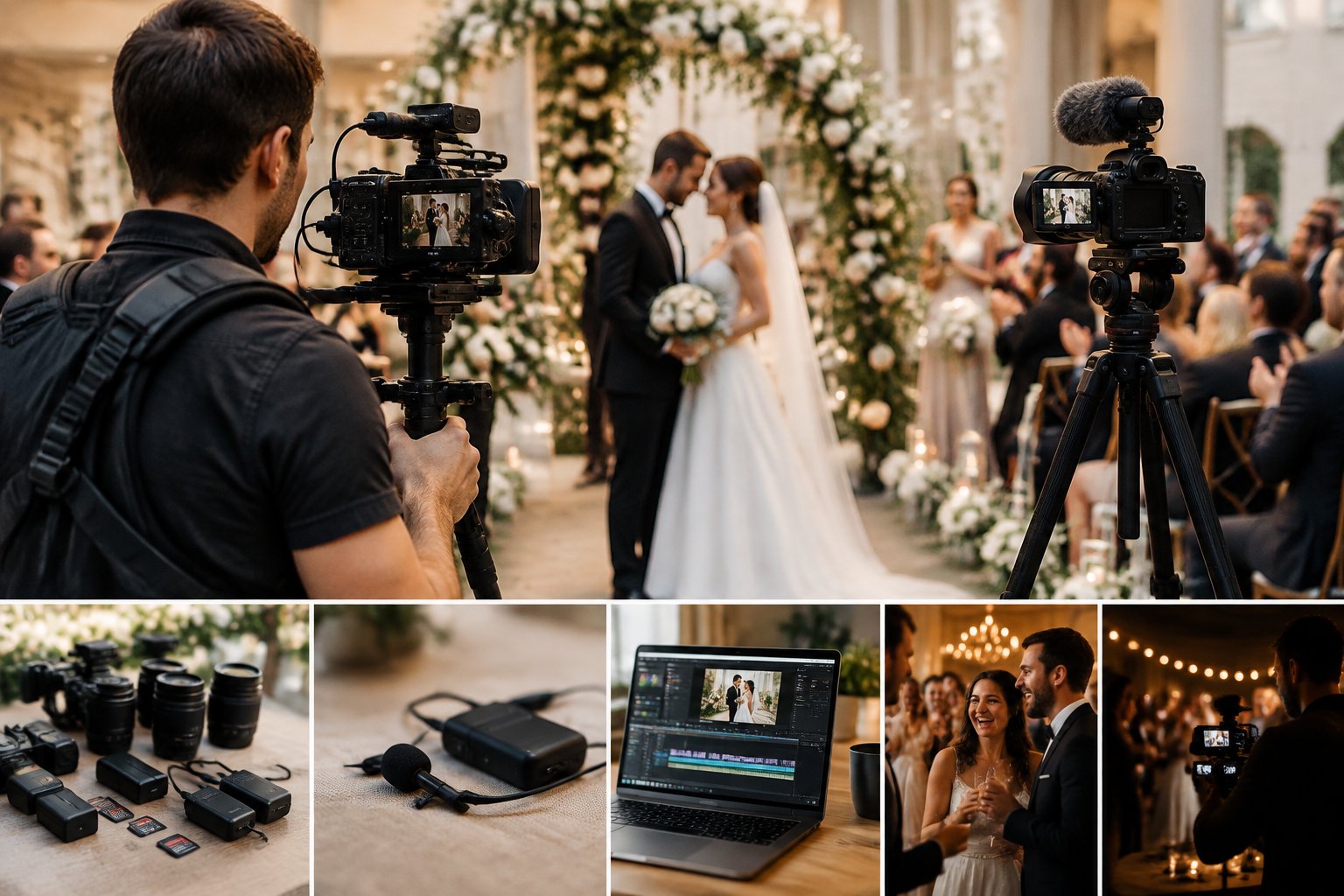
Read the package details closely before you book. Check the number of videographers, camera angles, audio sources, final video length, delivery method, revision policy, and estimated turnaround.
Basic Coverage and Highlight Reels
A basic wedding videography package may include four to six hours with one videographer. Coverage often focuses on the ceremony, couple portraits, formalities, and key reception moments.
The main deliverable is a highlight reel or highlight film lasting about three to ten minutes. It combines selected clips with licensed music, natural audio, and basic color correction. Ceremony coverage might be recorded from one or more fixed positions, while wireless microphones capture vows and readings.
This package suits you if you want a short wedding film and the most important moments captured. Ask whether the ceremony edit is included, since a highlight reel may contain only short vow excerpts.
Standard Full-Day Packages
A standard package provides six to ten hours of coverage. Your videographer may begin with preparations and continue through the ceremony, portraits, dinner, speeches, first dance, and open dancing.
Deliverables often include:
- A five- to fifteen-minute highlight film
- A full ceremony edit
- Toast or speech footage
- Professional audio from vows and speeches
- Digital delivery through an online gallery or download
A second camera or second shooter may be included for larger weddings. This setup helps cover separate preparation locations and creates more angles during the ceremony and reception.
Premium Cinematic Films
A premium package adds more planning, crew, equipment, and post-production. You may receive a cinematic wedding film lasting fifteen to thirty minutes, with a stronger narrative, carefully selected dialogue, detailed sound design, and advanced color work.
Premium cinematic production may include:
- Two or more videographers
- Multiple cameras during key events
- Stabilized movement and specialty lenses
- Separate microphones for vows and speeches
- Drone footage where permitted
- A feature wedding film plus a short teaser
- Extended ceremony or reception edits
- Priority delivery or custom presentation
The package price reflects the many hours spent reviewing footage, shaping the story, mixing audio, and completing the final edit.
What Factors Change the Final Quote?
Your final quote is driven by coverage time, crew size, travel, and the videographer’s skill and style. Each factor changes the amount of filming, equipment, planning, or editing required.
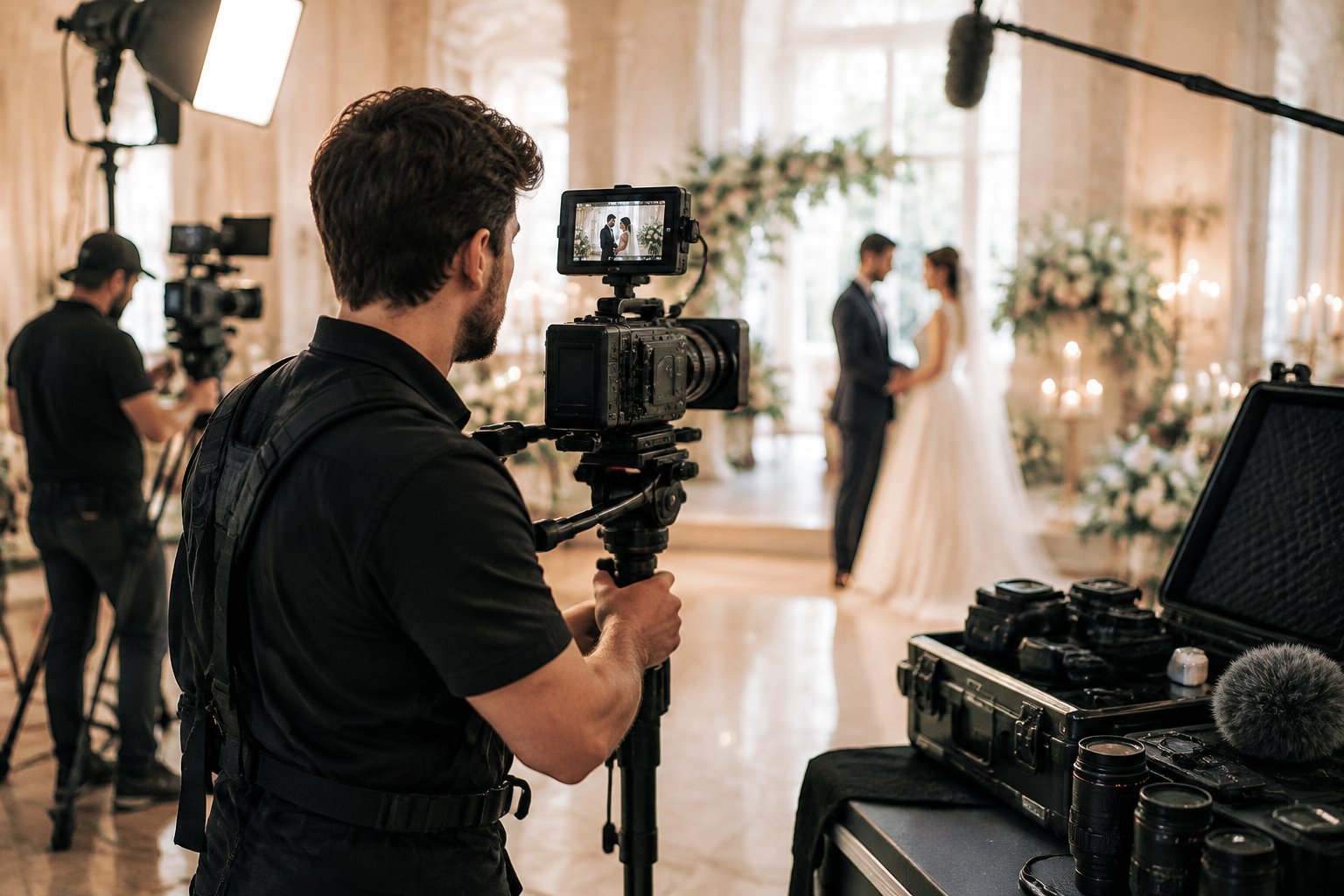
A useful quote should show these costs separately or explain what the package includes. That makes it easier to adjust your plans while protecting the moments you value most.
Coverage Hours and Your Wedding Timeline
More coverage hours increase both filming time and editing time. A short package might begin shortly before the ceremony, while a full-day booking can start with hair and makeup and end after the last formal dance.
Review your timeline before choosing hours. Add time for travel between venues, room setup, family portraits, speeches, cultural traditions, and a late reception exit if those moments belong in your wedding film.
Ask about overtime rates before signing. Some professionals charge per extra hour, while others require an upgrade to a longer package.
Solo Videographer vs. a Second Shooter
A solo videographer costs less and works well for smaller weddings with one main location and a focused timeline. A second shooter provides another viewpoint and helps cover events happening at the same time.
A second shooter is useful when:
- Both partners prepare in separate places.
- You want guest reactions during vows and speeches.
- Your ceremony and reception have complex layouts.
- You want more camera angles during major moments.
- Your guest list or venue requires wider coverage.
Multiple videographers raise the quote because you are paying for additional labor, equipment, planning, and editing. Ask who operates each camera and whether the second shooter is an experienced professional or an assistant.
Location, Travel Fees, and Travel Expenses
Your wedding location affects pricing through local market rates, venue access, parking, permits, and travel time. A professional wedding videographer may add mileage, airfare, lodging, meals, or a travel-day charge for a distant venue.
Request a written travel estimate when you hire a wedding videographer outside the local service area. Confirm whether setup and travel time count toward your coverage hours. Ask who pays venue filming fees, drone permits, or insurance requirements.
Your venue can also affect production needs. A dark ballroom, outdoor ceremony, or large property may require extra lighting, longer setup, or additional audio equipment.
Experience, Style, and Portfolio
Experience raises the quote because you are paying for reliable planning, steady camera work, clean audio, and confident decisions during a fast-moving day. A videographer with a strong portfolio may also charge more for a distinct documentary, romantic, or cinematic style.
Watch full wedding films when possible. A short reel shows a provider’s best moments, while a full film reveals pacing, audio quality, exposure, transitions, and storytelling across an entire event.
Your wedding photographer and videographer also need to work comfortably together. Ask how they share space during portraits and whether either vendor has preferred timing or positioning.
Which Add-Ons Are Worth Paying For?
The most valuable add-ons preserve moments that are difficult to recreate, especially extra audio coverage, a second shooter, and a full ceremony or speech edit. Choose visual extras according to your venue and how you plan to watch the finished video.
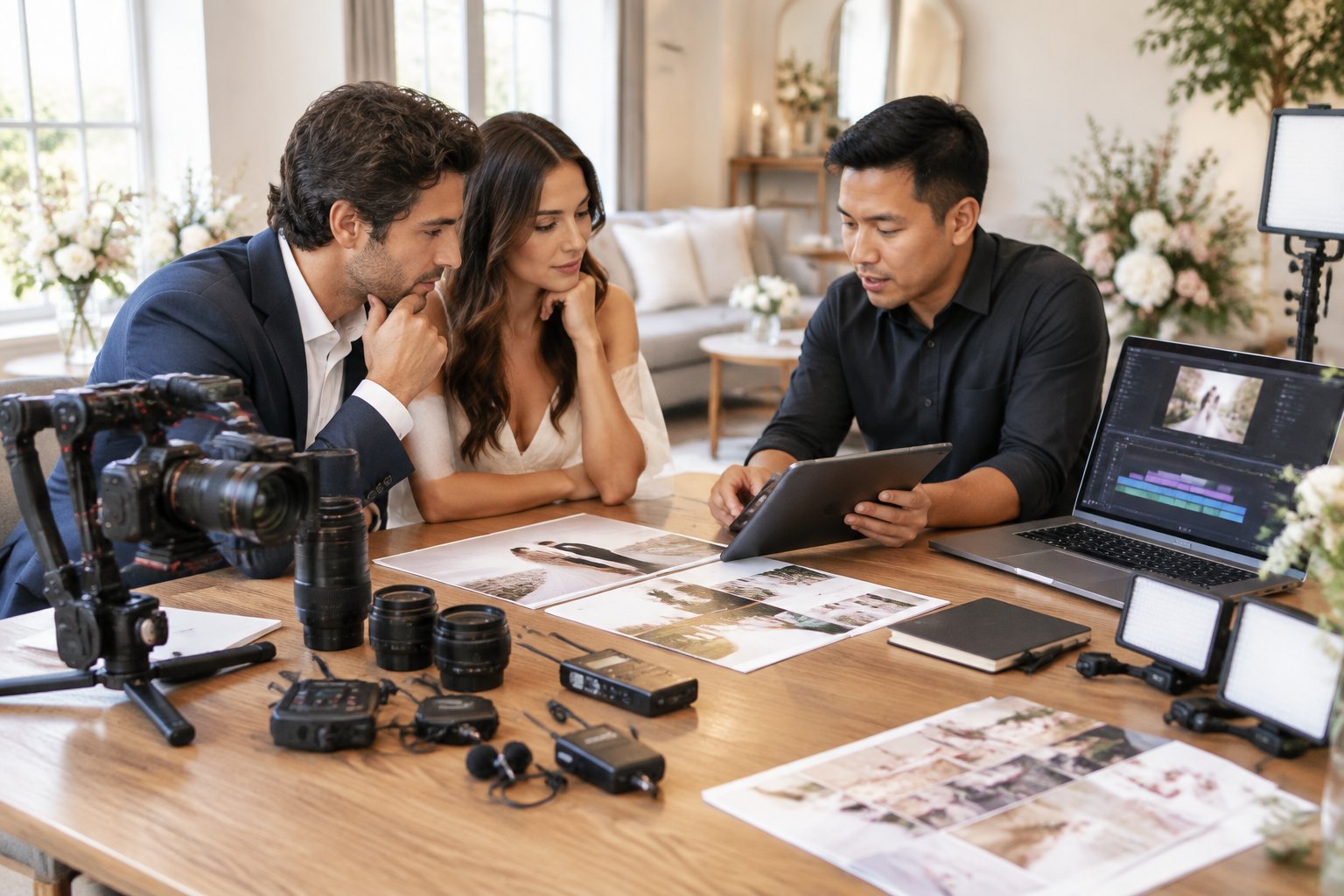
Ask what each upgrade adds to your viewing experience. A feature that looks impressive in a package list may have limited value for your venue or timeline.
Multiple Cameras and Drone Footage
Multiple cameras help record wide views, close reactions, and continuous ceremony coverage. This add-on suits large weddings, long aisles, crowded stages, and ceremonies where you want both the couple and guests visible.
Drone footage works best for outdoor venues, estates, beaches, and destination settings. Weather, airspace rules, venue permission, and local regulations affect whether a drone can fly. Confirm that the quote includes a licensed operator when required and a backup plan for poor conditions.
Raw Footage Delivery
Raw footage delivery gives you the unedited camera files. It can provide extra memories that do not fit into your final wedding film, though the files require substantial storage and lack the music, audio mixing, color grading, and story structure of an edited film.
Ask these questions before ordering raw footage:
- How many files will you receive?
- What resolution and format will they use?
- Will audio recordings be included?
- How will the files be delivered?
- How long will the download remain available?
- Will the videographer organize the folders?
Some providers charge for storage drives, file preparation, or raw footage delivery because transferring and organizing large files takes additional time.
Same-Day Edits and Social Clips
A same-day edit requires an editor to select, organize, and finish footage during your wedding. It can create a memorable reception reveal, especially for large celebrations with a dedicated screen and a clear viewing schedule.
Short social clips provide fast content for sharing with friends and family. Confirm the delivery time, vertical or horizontal format, music rights, and number of clips included. A rush edit also requires the team to prioritize your project immediately after the event.
Music, Audio, and Advanced Editing
Licensed music protects your film from takedowns and gives the edit a professional foundation. Clear vow and speech audio adds voices that music cannot replace, so ask how many microphones and recorders your videographer uses.
Advanced post-production may include:
- Audio mixing and noise reduction
- Sound design using natural wedding sounds
- Colour grading for a consistent look
- Motion graphics and titles
- Multi-camera ceremony syncing
- Detailed post-production editing
- Additional revision rounds
Prioritize audio mixing and ceremony or speech coverage when your budget is limited. Visual effects can shape the style, while clear voices preserve the words you will want to hear again.
How to Compare Videographer Quotes Before Booking
Compare wedding videographer quotes by matching hours, crew, deliverables, editing terms, and travel costs line by line. The lowest wedding videographer cost may provide less coverage or a shorter film.
Create a simple comparison sheet with each provider’s package name, total price, deposit, payment schedule, included edits, delivery time, and optional upgrades. This makes differences in wedding videographer pricing easier to see.
Match Deliverables Instead of Comparing One Price
Compare the same service scope across every quote. Record:
- Coverage hours
- Number of videographers
- Camera and audio setup
- Highlight film length
- Full ceremony and speech edits
- Drone or social clips
- Raw footage delivery
- Travel and venue fees
A $3,000 package with eight hours, two shooters, and a full ceremony edit may offer more value than a $2,500 package with six hours and a short highlight reel. Price only becomes useful after the deliverables match.
Confirm Editing, Delivery, and Revision Terms
Ask who edits your film, how long delivery takes, and how many revision rounds the package includes. Confirm whether the final files arrive through a download, online gallery, USB drive, or another format.
Ask how long your gallery remains active and whether you receive backup files. Clarify music licensing, color grading, audio mixing, subtitles, teaser clips, and rush delivery charges before you pay a deposit.
A written contract should state the coverage window, cancellation terms, replacement plan for illness, payment dates, ownership or usage rights, and delivery schedule.
Check Full Films and Client Reviews
Watch full films on Vimeo or another reputable platform so you can judge the complete editing style. Look for clear vows, balanced speeches, natural movement, consistent exposure, and a story that feels complete.
Read client reviews for comments about communication, punctuality, professionalism, and delivery. Ask whether the portfolio includes weddings similar to yours in size, venue type, lighting, and ceremony format. Then book the videographer whose work and contract give you confidence at the price your wedding budget can support.