
Cost of Wedding Flowers 2026: Prices and Budget Guide
For most U.S. couples, the cost of wedding flowers in 2026 falls between $2,500 and $5,000, with smaller plans starting near $1,500 and large floral installations reaching $7,500 or more. Your wedding flower cost includes bouquets, ceremony designs, reception arrangements, delivery, setup, rentals, and design labor.
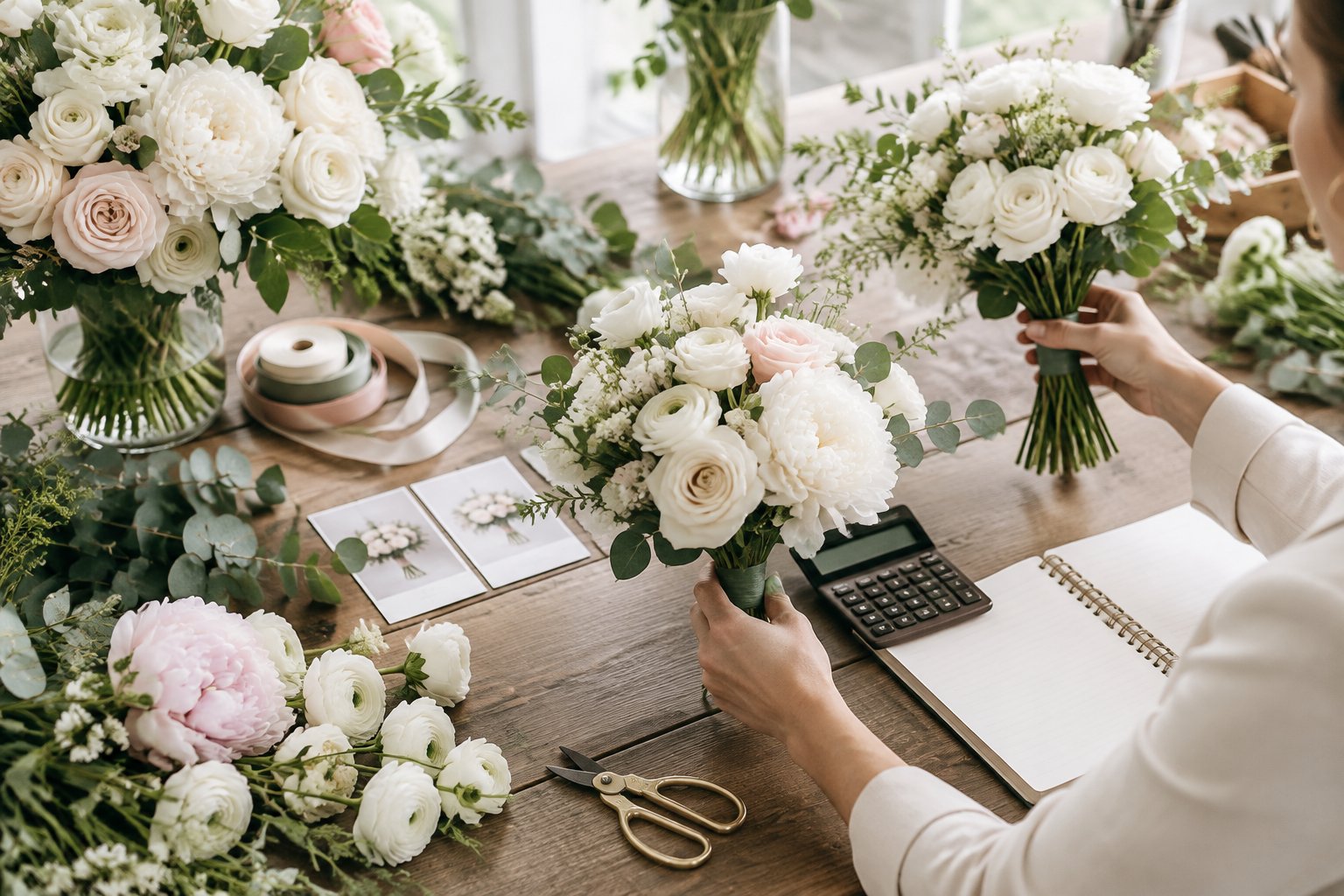
The average cost of wedding flowers in 2026 gives you a useful starting point, yet your guest count, wedding style, location, season, and flower choices will shape the quote. The Knot Real Weddings Study is one reference couples use when comparing national wedding spending, while a local wedding florist can give you a more precise estimate for your date and design.
Set your target budget, list the floral pieces you care about most, and request a detailed quote from a professional florist before booking your venue décor.
What Should You Budget for Wedding Florals?
Plan about $2,500 to $5,000 for a full-service wedding floral budget in 2026, then adjust the range for your guest count, design style, location, and flower choices. A smaller personal-flower plan can cost close to $1,500, while a large event with ceremony structures, lush centerpieces, and floral installations can pass $7,500.
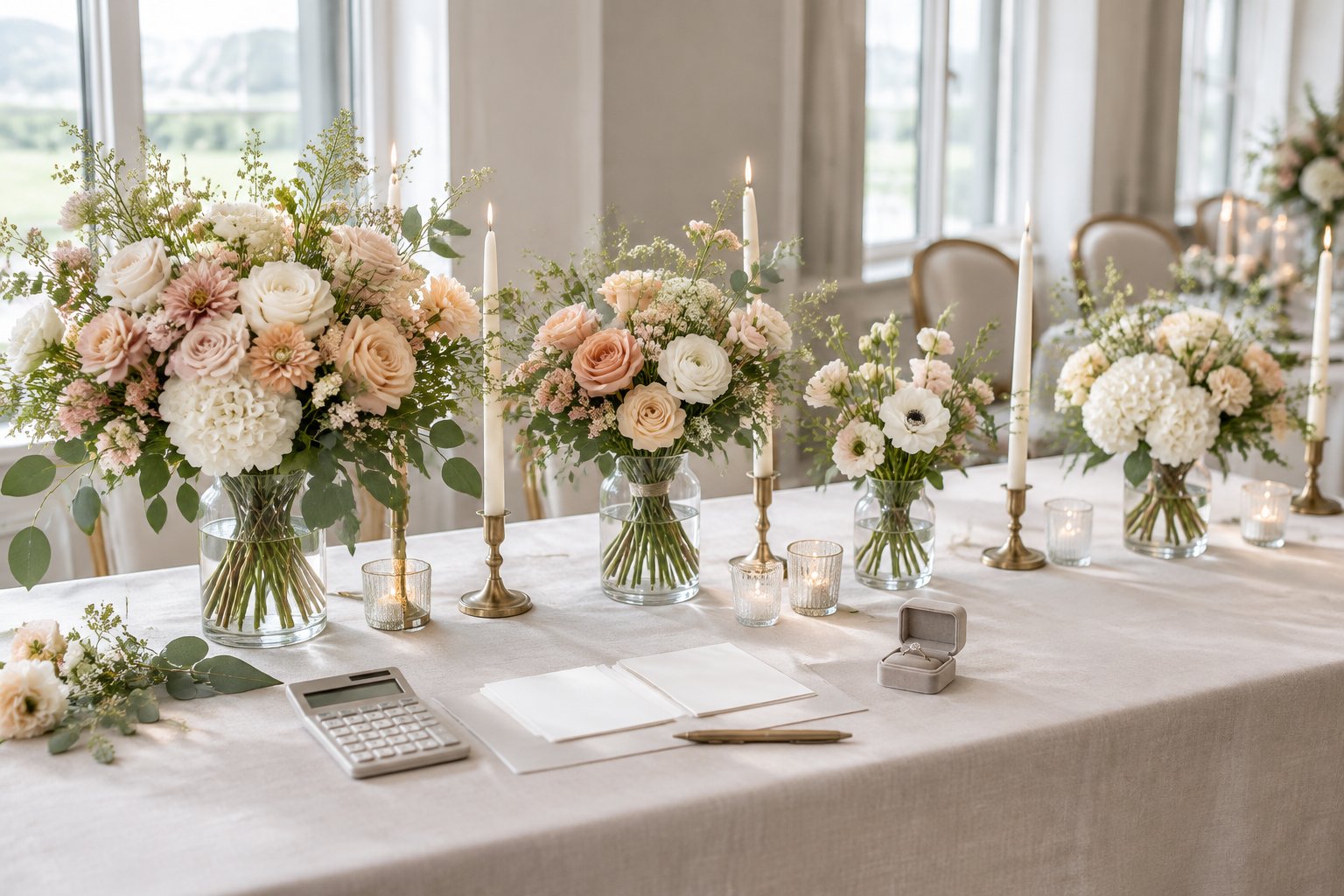
Your wedding budget calculator should include the floral design itself plus delivery, setup, teardown, mechanics, rentals, and taxes or service fees listed in the proposal. A full-service florist also handles ordering, conditioning, design work, transport, and venue installation.
2026 National Ranges by Wedding Style
| Wedding style | Typical floral budget |
|---|---|
| Minimal or intimate | $1,500 to $2,500 |
| Classic full-service | $2,500 to $5,000 |
| Lush reception design | $5,000 to $7,500 |
| Statement-driven installation | $7,500+ |
A small wedding with personal flowers and bud vases fits the lower range. A 100- to 150-guest wedding with ceremony flowers, reception centerpieces, and professional setup lands closer to the middle.
Large weddings with floral arches, hanging designs, or flower walls require more labor and equipment.
How Much of the Total Wedding Budget Should Go to Flowers?
Reserve about 8% to 12% of your total wedding budget for flowers as a starting point. On a $35,000 wedding, that equals roughly $2,800 to $4,200.
Your priorities can shift that share. A garden-style reception with dense centerpieces may need 15% or more, while a courthouse ceremony with a bouquet and a few boutonnieres may use less than 5%. Keep a separate cushion for delivery, setup, rentals, and last-minute design changes.
Why National Averages and Full-Service Quotes Differ
National averages combine many wedding sizes and service levels. A local quote reflects your exact venue, date, design brief, flower availability, labor needs, travel distance, and table count.
Ask each wedding florist to separate these line items:
- Flowers and greenery
- Design labor
- Delivery and transportation
- Setup and installation
- Teardown and removal
- Rentals, vessels, structures, and candles
- Taxes and service fees
That format lets you compare quotes fairly and see which design choices change the wedding flower costs.
Wedding Flower Cost Breakdown by Item
The largest parts of a wedding flower cost breakdown are the bridal bouquet, reception centerpieces, ceremony décor, and labor for delivery and installation. Item prices vary by flower type, size, mechanics, design style, and local market.
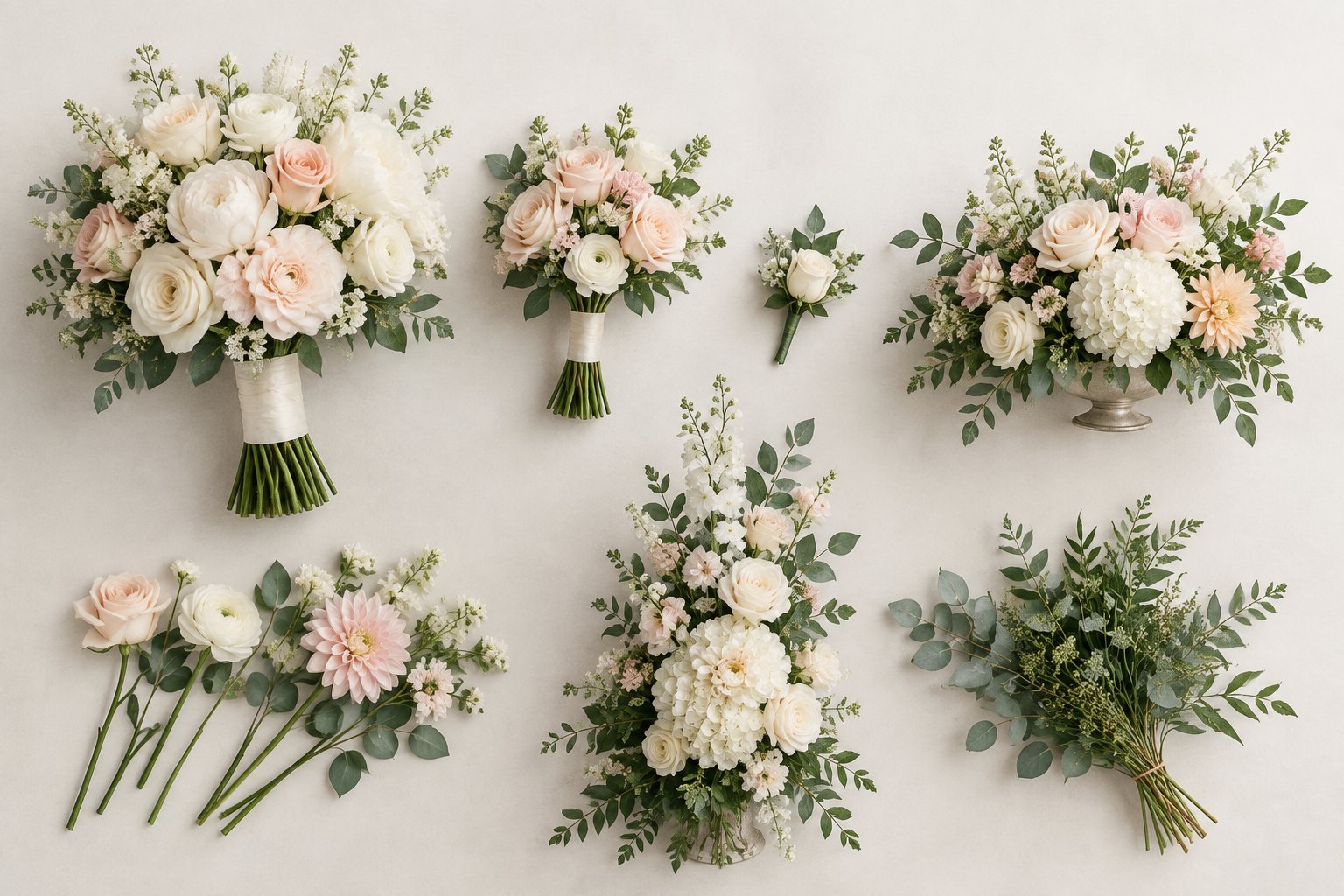
Use these ranges for early planning, then replace them with a written proposal that lists quantities and services. A compact design with fewer pieces can look polished when the budget focuses on the areas guests see most.
How Much Does a Bridal Bouquet Cost?
A bridal bouquet costs about $150 to $350 for many full-service designs. A small hand-tied bouquet with standard roses may sit near the lower end, while a large garden-style bouquet with peonies, orchids, or imported flowers can reach $500 or more.
Bridesmaid bouquets often cost $75 to $175 each. Size, flower variety, ribbon, and the number of attendants affect the total. Ask your florist whether attendants can carry smaller versions of the bridal bouquet recipe.
What Do Attendant and Family Flowers Cost?
Personal flowers commonly fall into these ranges:
- Bridesmaid bouquets: $75 to $175 each
- Boutonnieres: $15 to $35 each
- Corsages: $35 to $75 each
- Toss bouquet: $50 to $125
- Flower crown: $75 to $200
- Hair flowers: $25 to $100
- Flower girl basket with petals: $40 to $100
Parents, grandparents, readers, and ushers may also need boutonnieres or corsages. Count every person before requesting a quote so the personal-flower total reflects your ceremony party.
What Do Ceremony Designs Cost?
Ceremony flowers can cost $500 to $3,000 or more, depending on the structure and coverage. A few aisle markers and a small altar arrangement cost less than a full ceremony arch covered in flowers.
Common ranges include:
- Aisle markers or pew markers: $30 to $100 each
- Aisle arrangements: $75 to $250 each
- Altar arrangements: $250 to $1,000 each
- Ceremony arch flowers: $600 to $2,500+
- Floral arch or freestanding installation: $1,000 to $4,000+
A structure, foam mechanics, candles, rental pieces, and venue rules all affect the final price.
What Do Reception Arrangements Cost?
Reception flowers often account for $1,000 to $4,000 or more. Table count drives the total because each table needs a design, vessel, delivery placement, and setup time.
Typical ranges include:
- Low centerpieces: $75 to $200 per table
- Tall centerpieces: $150 to $400+ per table
- Bud vases: $15 to $40 each
- Cocktail hour arrangements: $75 to $250 each
- Sweetheart table garland: $200 to $800
- Cake flowers or cake florals: $50 to $200
For a 12-table reception, changing each centerpiece by $50 changes the floral quote by about $600 before labor and fees.
What Do Delivery, Setup, and Teardown Add?
Delivery, setup, and teardown can add $300 to $1,500 or more to a wedding floral proposal. Travel distance, venue access, elevator use, installation time, candle rules, and the number of arrangements all affect labor.
A large floral arch, hanging design, or flower wall may need a dedicated installation team. Ask whether teardown is included and whether rented vessels, arches, stands, and candles must be returned the same night.
What Makes a Florist Quote Go Up or Down?
A florist quote rises when your plan requires more stems, more design labor, premium flowers, complex mechanics, or on-site installation. A smaller guest list helps, yet table count, flower season, venue access, and design density can matter just as much.
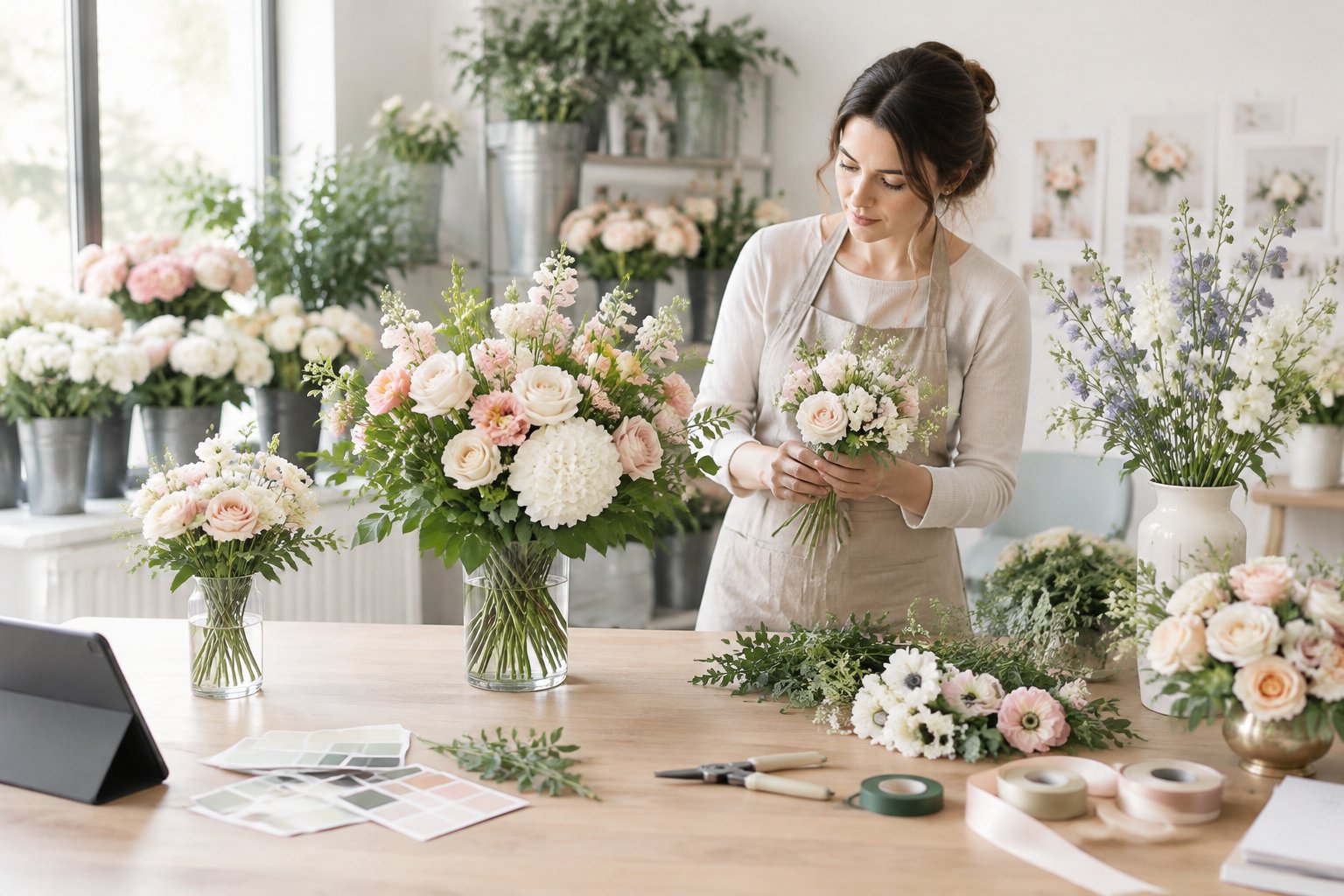
Your proposal should show how the visual goal connects to the cost. A low centerpiece recipe repeated across many tables has a different labor profile from a varied design with tall structures and custom floral installations.
How Table Count and Guest Count Change the Total
Guest count affects personal flowers, seating needs, and the size of the reception. Table count has a direct effect on centerpieces because each table needs its own arrangement or collection of vessels.
For example, 80 guests at eight tables may need fewer centerpieces than 100 guests at 12 tables. A large guest list with family-style seating can also require more table length coverage than round tables.
Which Flower Choices Carry a Premium?
Premium flowers often include peonies, garden roses, orchids, ranunculus, lily of the valley, and select imported flowers. Imported orchids and rare varieties carry added shipping and handling costs.
Hydrangeas provide volume, while standard roses and seasonal dahlias can create a full look at a more controlled price. Amaryllis and calla lilies bring a strong shape, though specialty colors and stem lengths affect their cost.
How Seasonality and Imports Affect Pricing
In-season flowers are easier for a florist to source, while out-of-season flowers may require imports, special ordering, or a substitute recipe. Your wedding date also affects supply, holiday demand, and shipping conditions.
Peonies, garden roses, and ranunculus can command higher prices outside their strongest growing periods. Ask your florist for two or three flower recipes that preserve your color palette and shape if a specific bloom becomes costly.
Why Installations Require More Than Extra Stems
A floral arch, flower wall, or hanging design needs a structure, mechanics, transport plan, installation crew, and removal schedule. The work may start hours before guests arrive and continue after the reception ends.
Venue access can add labor when the team must carry pieces long distances, use stairs, protect finished floors, or work within a narrow setup window. Request photos or sketches that show how much coverage your quoted installation includes.
Understanding Design Labor, Rentals, and Fresh-Flower Risk
Design labor covers processing stems, creating arrangements, wiring delicate flowers, adding mechanics, packing pieces, and managing the event timeline. Rentals can include urns, compotes, arches, stands, candles, columns, and vessels.
Fresh flower risk also shapes pricing. A florist orders extra stems to account for bruising, breakage, imperfect blooms, and weather-sensitive varieties. Heat, cold, wind, and long transport times increase the care needed for delicate flowers.
How to Build a Floral Plan at Every Budget
A minimal plan can cover personal flowers and a focused ceremony or reception detail, while a mid-range plan adds coordinated centerpieces and a larger budget supports statement installations. Your design feels more intentional when you choose a clear color palette, repeat a manageable flower recipe, and place larger arrangements where guests spend time.
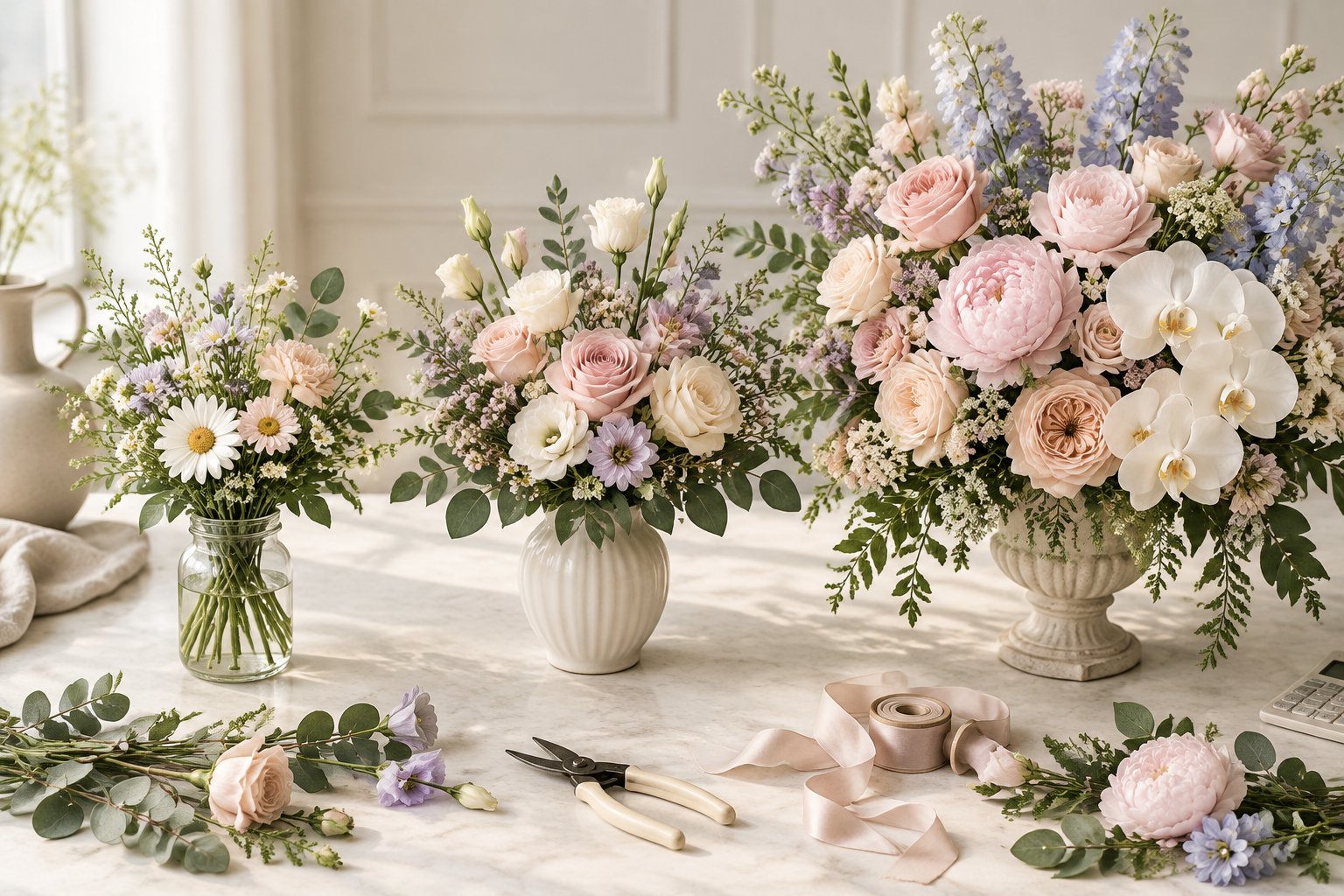
DIY wedding flowers, silk flowers, potted plants, and bulk sourcing through suppliers such as FiftyFlowers can reduce service costs, though they require planning, storage, preparation, transport, and people to arrange or place them.
What a Minimal or DIY Plan Can Realistically Cover
A $500 to $1,500 plan can cover a bridal bouquet, a few attendant flowers, boutonnieres, and small reception accents. Standard roses, carnations, chrysanthemums, alstroemeria, daisies, baby’s breath, and greenery offer dependable choices.
DIY works best when your venue has simple access and you have a team for processing, arranging, transporting, and placing flowers. Fresh stems need clean water, cool storage, and a schedule that leaves time for corrections.
Silk flowers and potted plants offer reusable options. They can work well for aisle décor, entry displays, and table accents when their color, scale, and finish match the setting.
What to Expect From a Mid-Range Floral Budget
A $2,500 to $5,000 budget can support a bridal bouquet, attendant flowers, boutonnieres, ceremony accents, reception centerpieces, delivery, and professional setup for a mid-size wedding.
You can often choose between more centerpiece coverage, a fuller ceremony design, or higher-priced blooms. Standard roses paired with eucalyptus, Italian ruscus, olive branches, ferns, or evergreens create texture and volume without making every stem a premium flower.
Ask for a proposal that shows the number of tables, arrangement size, flower recipe, rental pieces, and labor hours.
When a Statement-Driven Design Needs a Larger Investment
A $5,000 to $7,500+ budget supports dense floral coverage, tall centerpieces, a floral arch, a flower wall, hanging flowers, or several focal installations. Large designs require more stems, mechanics, crew time, transport space, and venue coordination.
Use statement pieces where photos and guest attention concentrate, such as the ceremony backdrop, sweetheart table, entrance, or bar. A consistent base of roses, carnations, chrysanthemums, eucalyptus, ruscus, and ferns can connect those focal points to the rest of the room.
Ways to Save Without Losing the Look
The most effective savings come from flexible flower choices, focused focal areas, ceremony-to-reception reuse, and a well-prepared florist consultation. You can protect the design style while adjusting stem varieties, arrangement size, table coverage, and installation scope.
Choose Flexible, Seasonal Flower Recipes
Give your florist a color palette, texture preference, and shape direction instead of requiring one exact flower. In-season roses, tulips, lisianthus, anemones, sweet peas, sunflowers, zinnias, celosia, and marigolds can fit different styles across the calendar.
For a tropical or sculptural look, ask about seasonal options that pair with protea. Your florist can also use greenery such as eucalyptus, olive branches, and ruscus to add movement and volume.
Spend on High-Impact Focal Areas
Choose one or two features for the largest investment. A strong bridal bouquet and ceremony backdrop may create more visual value than large arrangements on every surface.
You can use smaller reception flowers, bud vases, or candles on tables while reserving premium blooms for the bouquet, sweetheart table, or ceremony arch. Keep the same palette across each area so the design feels connected.
Repurpose Ceremony Pieces for the Reception
Ask your florist to design ceremony flowers that can move to the reception. Aisle arrangements can decorate the bar, welcome table, sweetheart table, or cake table after the ceremony.
Freestanding arches and altar arrangements need a clear relocation plan, including who moves them, when the move happens, and whether a second setup fee applies. Confirm the plan in writing before signing.
Prepare for a Productive Florist Consultation
Bring your wedding date, venue, guest count, table layout, dress colors, inspiration images, and a list of must-have floral pieces. Mark each image with what you like, such as color, loose shape, flower type, height, or greenery.
Share your target budget early and ask for three versions: essential, preferred, and expanded. Request substitutions for out-of-season flowers, a complete fee breakdown, and the deadline for final quantities so your wedding floral budget stays easy to track.