
Cost of Wedding Flowers: Prices and Budget Tips
Wedding flowers often cost $2,500 to $5,000 for a U.S. celebration, with smaller plans starting near $1,000 and full-service designs with large installations reaching $7,500 or more. Your wedding flower budget covers more than stems: it also pays for design, flower processing, supplies, delivery, setup, and removal.
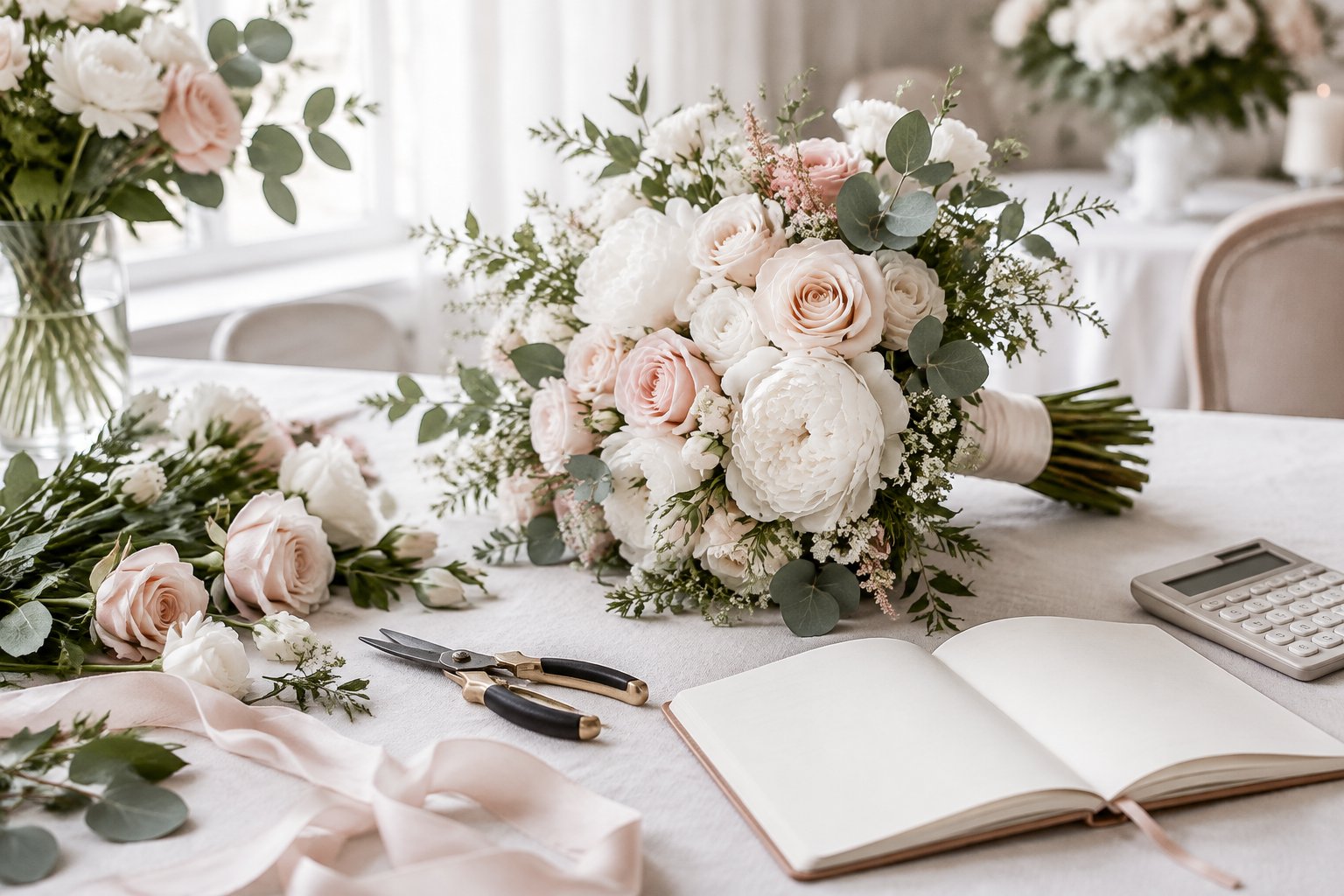
A practical floral budget often lands near 8% to 10% of your total wedding budget. You can spend less with seasonal flowers, local flowers, greenery, and smaller arrangements.
A floral arch, premium imported flowers, large centerpieces, and extensive ceremony florals push the total higher. Start by writing down the moments you want flowers to highlight, then share that list and your spending limit with a wedding florist.
A clear budget gives your florist room to suggest affordable wedding flowers that still fit your style.
What Couples Typically Spend
The average cost of wedding flowers falls between $2,500 and $5,000 for many U.S. weddings, while a focused plan can cost less and a large floral design can exceed $7,500.
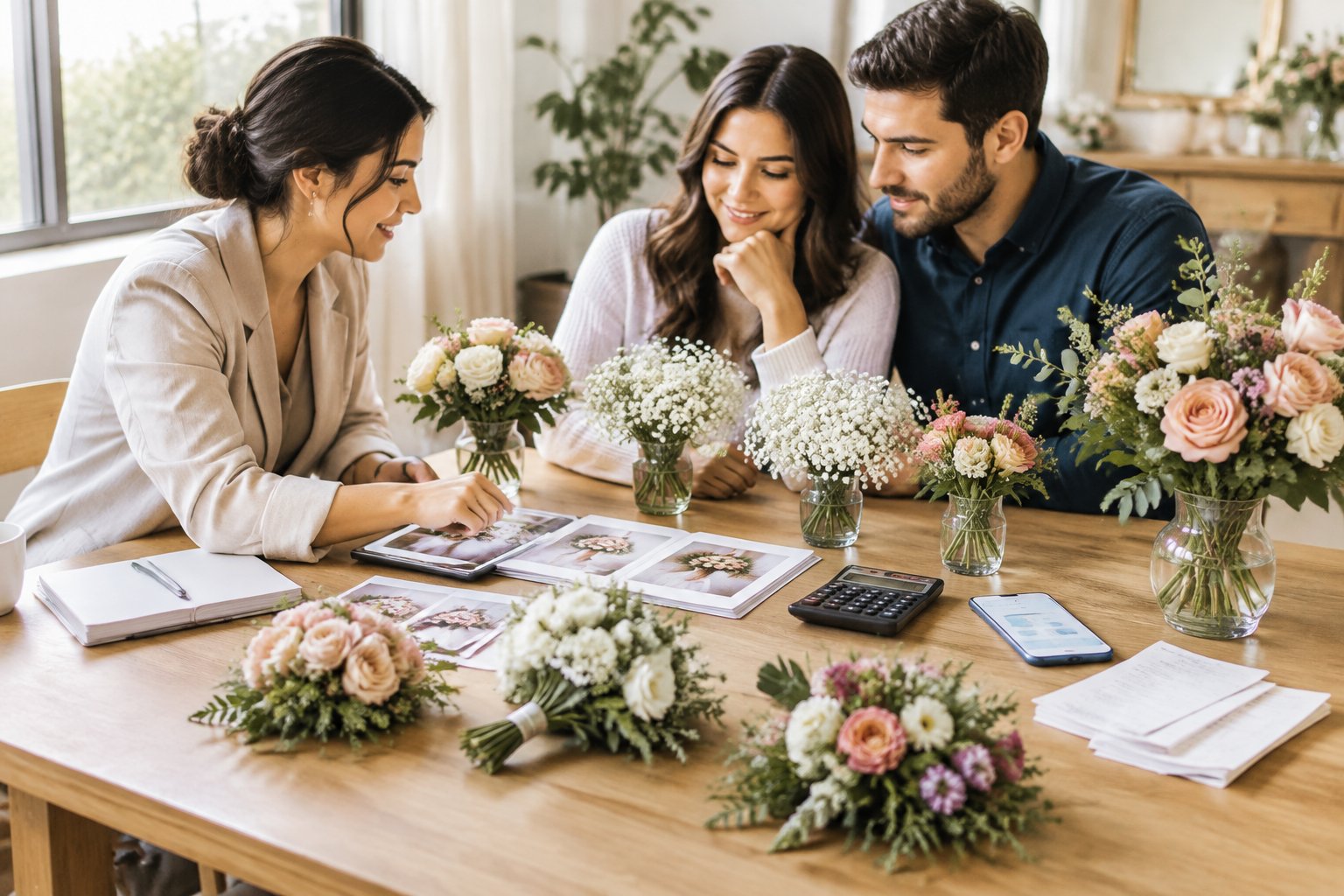
Your total reflects the number of personal flowers, guest tables, ceremony features, and services your florist provides. Seasonal flowers and locally grown flowers help control the floral budget, while imported flowers and custom installations raise it.
National Average and Realistic Budget Ranges
A useful planning range looks like this:
- $1,000 to $2,000: Personal flowers, a modest bridal bouquet, limited ceremony pieces, and simple table decor.
- $2,500 to $5,000: A bridal bouquet, bridesmaid bouquets, boutonnieres, ceremony florals, and reception centerpieces for a mid-size wedding.
- $5,000 to $7,500: Fuller arrangements, a ceremony arch, larger centerpieces, upgraded flower varieties, and delivery with setup.
- $7,500 and above: Large floral installations, hanging designs, lush arches, premium blooms, and extensive venue coverage.
A florist’s minimum order also affects your options. Ask whether the proposal includes tax, containers, delivery, setup, breakdown, and rental returns before comparing quotes.
How Guest Count, Region, and Season Change the Total
Guest count affects the cost through tables and personal flowers. A 50-person wedding may need six or seven centerpieces, while a 150-person wedding may need 15 or more.
Each additional table adds flowers, vessels, design time, and setup. Your region changes labor rates, delivery distance, venue access fees, and flower availability.
Major cities often carry higher studio and labor costs. A rural venue may have lower design rates but higher delivery charges when the florist travels far.
Season also shapes flower prices. In-season flowers are easier to source and arrive with fewer shipping costs.
Local flowers can reduce transportation needs, while imported flowers add freight and handling expenses. A flexible color palette gives your florist more ways to choose fresh, affordable stems.
How Much of a Wedding Budget Should Go to Florals?
Set aside about 8% to 10% of your wedding budget for flowers and floral design as a starting point. A $30,000 wedding would create a starting floral budget of roughly $2,400 to $3,000.
Raise that share when flowers are a major design feature. Lower it when your venue has strong architecture, you plan a small guest list, or you prefer candles and other wedding decor.
Keep a separate buffer for delivery, setup, taxes, and last-minute substitutions.
Pricing by Floral Item
Personal flowers often cost hundreds of dollars, while ceremony arches and reception centerpieces create the largest swings in a floral quote.
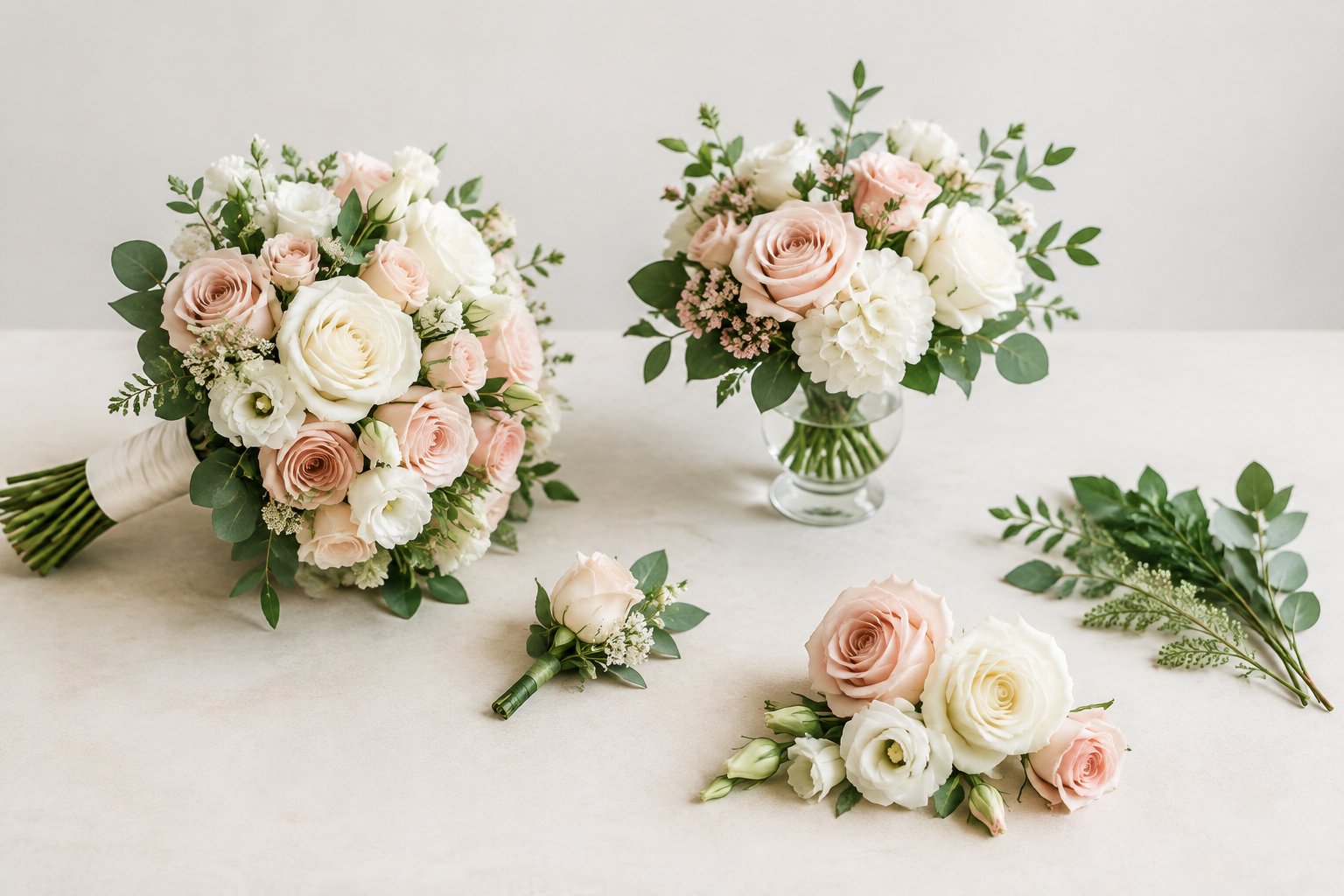
The ranges below give you a planning framework. Your final price changes with stem count, flower type, design style, labor, and location.
How Much Does a Bridal Bouquet Cost?
A bridal bouquet commonly costs $150 to $375, with many designs near $250. A compact hand-tied wedding bouquet sits at the lower end, while a large cascading bouquet with premium flowers requires more product and labor.
Garden roses, peonies, orchids, and lily of the valley raise the price. Ribbon finishes, exposed stems, wired flowers, cascading shapes, and unusual mechanics also add design time.
Your bridal bouquet is one of the most photographed floral pieces, so protect its size and flower choices if it ranks high on your priority list.
Bridesmaid Bouquets, Boutonnieres, and Corsages
Bridesmaid bouquets often run $90 to $175 each. Keeping their shape smaller than the bridal bouquet and using a shared flower recipe helps control the total.
Boutonnieres commonly cost $12 to $25 each. Corsages for mothers, grandmothers, or special guests often fall near $25 to $50 each, depending on whether they are wrist corsages or pin-on designs.
Multiply each item by the number of attendants and family members. A large wedding party can add more to the floral budget than a single statement arrangement.
Ceremony Flowers, Arches, and Aisle Decor
Ceremony flowers range from $150 for small altar pieces to $1,500 or more for a substantial ceremony arch. A floral arch may use a frame, mechanics, greenery, several flower varieties, delivery, and on-site installation.
Aisle markers often cost $150 to $500 for a group, depending on the number and size. Ground arrangements create more volume than tied pew markers, while a few focal pieces keep the aisle budget focused.
Ask your florist to design ceremony florals for reuse at the reception when the venue layout allows it. Moving pieces requires planning and labor, so include that service in the quote.
Reception Centerpieces and Table Decor
Reception centerpieces often cost $100 to $500 per table. Low arrangements use fewer mechanics and are easier to move, while tall centerpieces require stands, additional flowers, and careful transport.
Table centerpieces can combine flowers with candles, bud vases, foliage, or rented vessels. Alternating a few statement tables with simpler arrangements gives the room rhythm while reducing the cost of filling every table with a large design.
Extras Such as Cake Flowers and Hair Flowers
Cake flowers often add $50 to $175, depending on the number of blooms and whether the florist supplies a special holder. A flower girl basket may cost $50 to $100, while a toss bouquet often sits near $50.
Hair flowers, flower crowns, welcome-table arrangements, and cocktail-hour decor add smaller charges that become significant as they accumulate. List every desired item before approving the proposal so these extras do not surprise you later.
What Drives a Florist’s Quote
A wedding florist’s quote covers flowers, materials, design labor, logistics, and the risk of preparing perishable products for one fixed date.
Two proposals with similar item names may have different prices because the flower recipe, arrangement size, service level, and installation plan differ. Ask for stem choices, dimensions, labor, delivery, and setup details.
Flower Variety, Seasonality, and Sourcing
Flower prices rise when you choose rare varieties, short growing seasons, or blooms that must travel long distances. Imported flowers carry added freight and handling costs, while local flowers and in-season flowers give your florist more supply flexibility.
A professional florist may suggest a similar bloom with the same shape or color. Standard roses can replace some garden roses, and seasonal dahlias can fill the role of another rounded focal flower when the timing works.
Share your wedding date and color palette early. Your florist can build a flower recipe around what is fresh and available at that time.
Flower Density, Greenery, and Arrangement Size
A full arrangement requires more stems, more processing, and more design time. Loose garden-style arrangements also need many flower varieties to create movement and texture.
Foliage such as eucalyptus, ruscus, Italian ruscus, and ferns adds shape and volume. Greenery does carry its own cost, especially when you request long garlands or thick coverage, yet a balanced flower-to-foliage mix can reduce the number of premium blooms.
The size of each design affects the total quickly. A $250 centerpiece across 12 tables creates a $3,000 line item before other reception flowers are added.
Floral Design Labor, Delivery, Setup, and Breakdown
Labor includes consultations, flower ordering, stem processing, hydration, design, packing, loading, transport, placement, and cleanup. Your florist may also coordinate with the venue, adjust designs on-site, and move ceremony pieces during a room transition.
Delivery and setup fees can range from about $100 for a drop-off to 10% of the order or more for full service. Distance, parking, stairs, restricted loading windows, and the number of staff affect the charge.
Request an itemized quote that separates product, design labor, delivery, setup, breakdown, rentals, and tax.
Why Floral Installations Cost More
A floral installation uses more flowers and more structure than a portable arrangement. Arches, hanging flowers, floral walls, and meadow-style ceremony designs require mechanics that hold the weight securely and withstand transport or venue conditions.
Installation work also takes a team and a narrow setup window. Staff must build or attach the design, check its stability, protect nearby surfaces, and remove it after the event.
A smaller grounded arrangement can create a focal point with fewer materials and less labor.
Choosing Blooms for Your Budget
You can create an elevated floral look by using a few premium blooms as accents and filling the rest of the design with in-season flowers and dependable volume blooms.
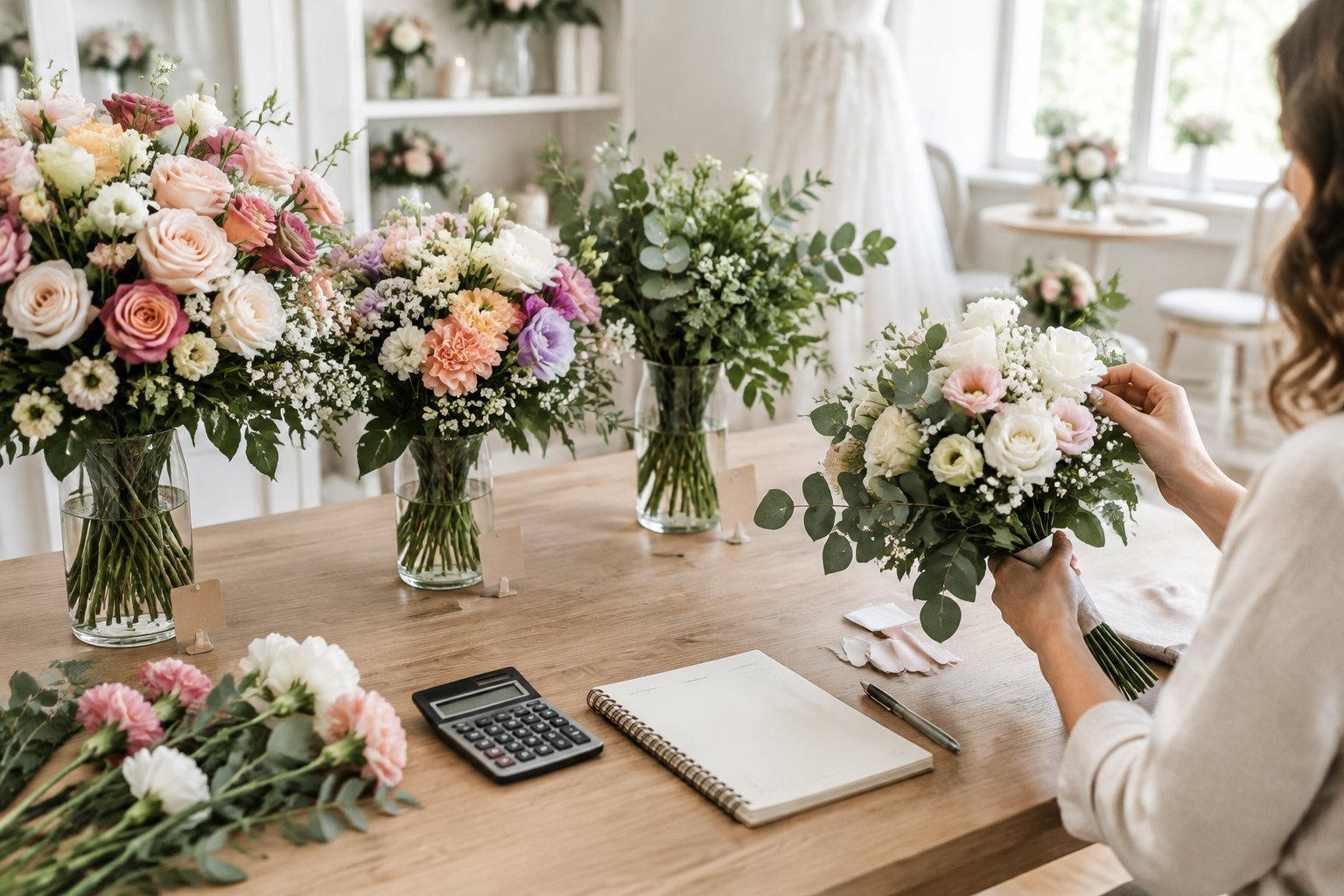
Give your florist a mood, color range, and priority flowers instead of requiring every stem shown in an inspiration photo. This allows substitutions when a flower is unavailable or outside your budget.
Premium Flowers That Raise the Price
Peonies, garden roses, orchids, calla lilies, lily of the valley, and some specialty dahlias often sit at the higher end of the flower market. Their price rises further when you request them outside their natural season.
Premium flowers can work well in your bridal bouquet, sweetheart table, or ceremony focal point. Using them across every bridesmaid bouquet and centerpiece multiplies the expense.
Ask about the difference between garden roses and standard roses, or between premium orchids and a more available focal bloom. A similar silhouette can preserve the style while lowering the flower cost.
Affordable Flowers That Still Look Elevated
Roses, standard roses, hydrangeas, ranunculus, lisianthus, tulips, sunflowers, carnations, chrysanthemums, alstroemeria, baby’s breath, and lilies offer many shapes and colors at accessible price points.
Carnations and chrysanthemums bring texture and fullness when arranged with clean color blocking. Hydrangeas fill space quickly, while baby’s breath creates an airy cloud when used in generous clusters.
Alstroemeria and standard roses provide reliable options for bouquets and centerpieces. Ask which flowers are in season on your wedding date.
Availability gives your florist more room to build affordable wedding flowers with a polished finish.
How to Mix Statement Blooms With Filler Flowers
Use one or two statement flowers as focal points, then support them with secondary blooms, airy filler, and foliage. A bouquet with garden roses surrounded by standard roses, ranunculus, and eucalyptus feels layered without requiring garden roses in every stem.
Color also creates visual impact. Repeating one strong shade across smaller flowers makes a design feel intentional.
Your florist can place premium blooms where photographers capture them most and use dependable flowers throughout the remaining arrangements. Keep the recipe consistent across personal flowers and tables when possible.
Shared flowers simplify sourcing and reduce the labor of managing too many varieties.
How to Get More Impact From Less
You get more visual value from a smaller floral budget when you concentrate flowers in photographed focal points, reuse movable designs, and add structure with greenery or plants.
The best savings come from design choices made before flowers are ordered. Decide which spaces guests will see for the longest time, then reduce low-impact pieces that disappear quickly.
Prioritize the Moments Guests and Cameras Notice
Protect the bridal bouquet, one ceremony focal point, and reception tables where guests spend several hours. These areas appear often in photos and shape the feel of the celebration.
Reduce flowers at the welcome table, cocktail tables, aisle ends, or cake table when funds get tight. You can also keep the groom’s boutonniere and skip matching boutonnieres for every member of the wedding party.
Tell your florist which two or three moments deserve the most attention. A focused proposal produces stronger designs than spreading a small amount of product across every surface.
Repurpose Ceremony Flowers at the Reception
Design ceremony florals with a second location in mind. Ground arrangements can move to the sweetheart table, aisle markers can decorate the reception entrance, and bridesmaid bouquets can sit in vases during dinner.
Large floral installations require careful planning before you count on reuse. The arch may need a separate crew, new mechanics, or extra time for transport. Ask for the moving fee and transition timeline in writing.
A ceremony and reception held at one venue makes repurposing easier. When spaces are far apart, delivery and labor can erase the savings.
Use Greenery, Bud Vases, and Potted Plants Strategically
Greenery adds texture across long tables and ceremony structures. Eucalyptus, ruscus, ferns, and other foliage create a full base while allowing you to use fewer premium flowers.
Bud vases work well for alternating table designs. Place several small vases with single blooms near candles or place settings, then reserve larger arrangements for selected tables.
Potted plants provide height and lasting decor for entry areas, lounge spaces, or aisle corners. Choose vessels that fit your wedding decor and confirm whether the florist supplies them or rents them.
When Silk Flowers Make Sense
Silk flowers suit designs that need to travel, last through a long event, or remain as keepsakes. They also work well for cake accents, hair flowers, ceremony backdrops, and rental pieces that appear from a distance.
Request physical samples because quality varies between manufacturers. Blending silk flowers with fresh flowers or greenery can place realistic faux blooms in hard-to-source areas while keeping the most visible personal flowers fresh.
Include purchase, rental, shipping, setup, and storage costs when comparing silk flowers with fresh designs. A faux arrangement may lower replacement concerns, while a full-service florist still charges for design and installation.