
Destination Wedding Venues in the US: Top Places to Celebrate
A domestic destination wedding gives you the excitement of travel with familiar comforts, easier guest planning, and no passport requirements. The best destination wedding venues in us range from California vineyards and coastal resorts to Colorado lodges, Hawaiian retreats, historic city spaces, and desert estates.
For couples who want a memorable wedding weekend with easier travel, California wine country, Colorado mountain resorts, and Hawaii offer especially strong venue choices because they combine scenic settings, guest accommodations, and activities in one destination. Your ideal location depends on your guest list, wedding style, budget, and preferred season.
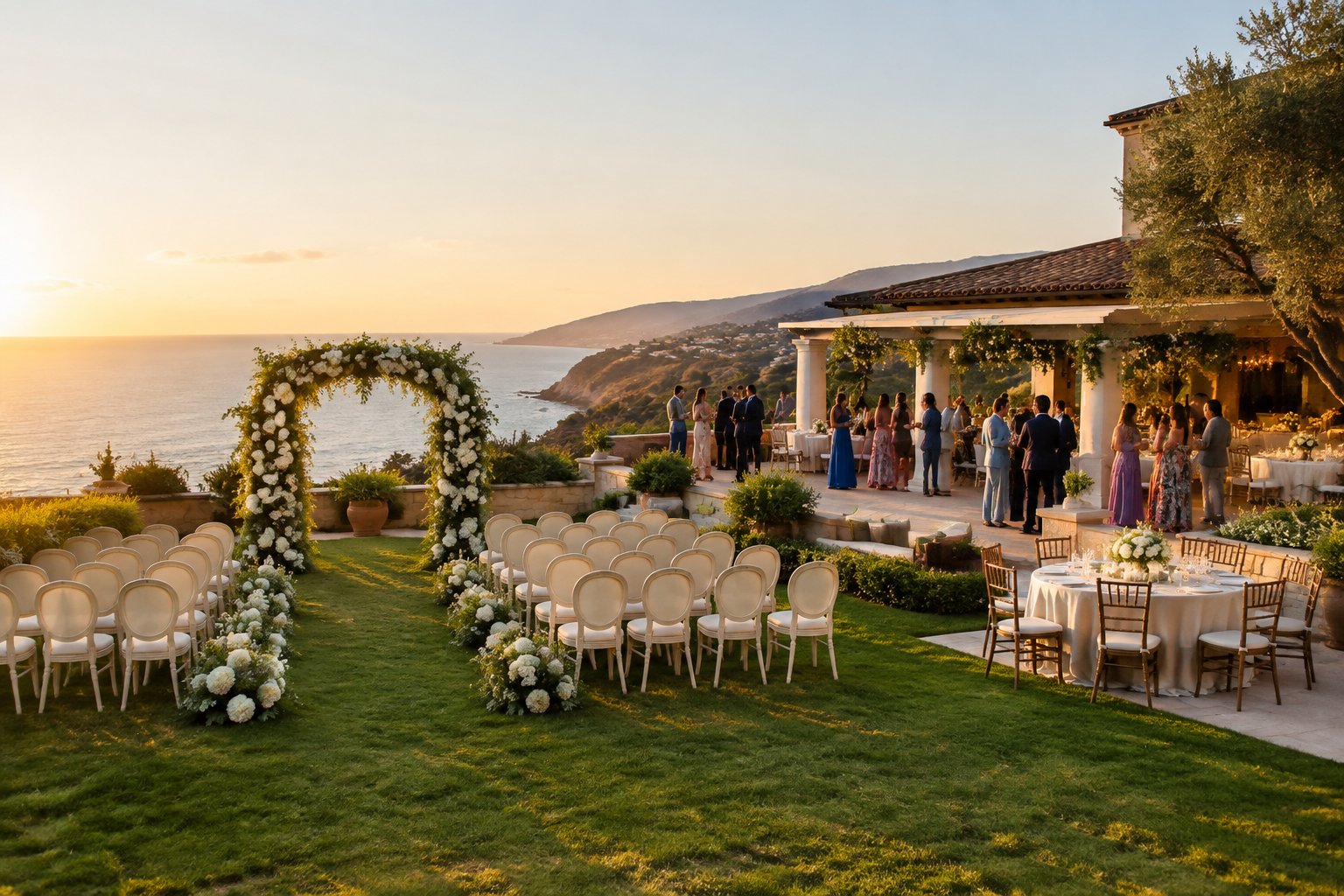
Domestic destination weddings work well for couples who want a complete getaway without the added paperwork of an international event. You can celebrate across several days, host a welcome dinner or farewell brunch, and give guests time to enjoy the area.
Start by choosing the landscape and travel experience that fit your people, then compare destination wedding locations by capacity, lodging, weather plans, and total cost.
How to Choose the Right Setting for Your Wedding Weekend
The right setting should support your wedding vision while making travel, lodging, and event flow easy for your guests. Consider the ceremony backdrop, reception space, local activities, accessibility, and weather backup before you book.
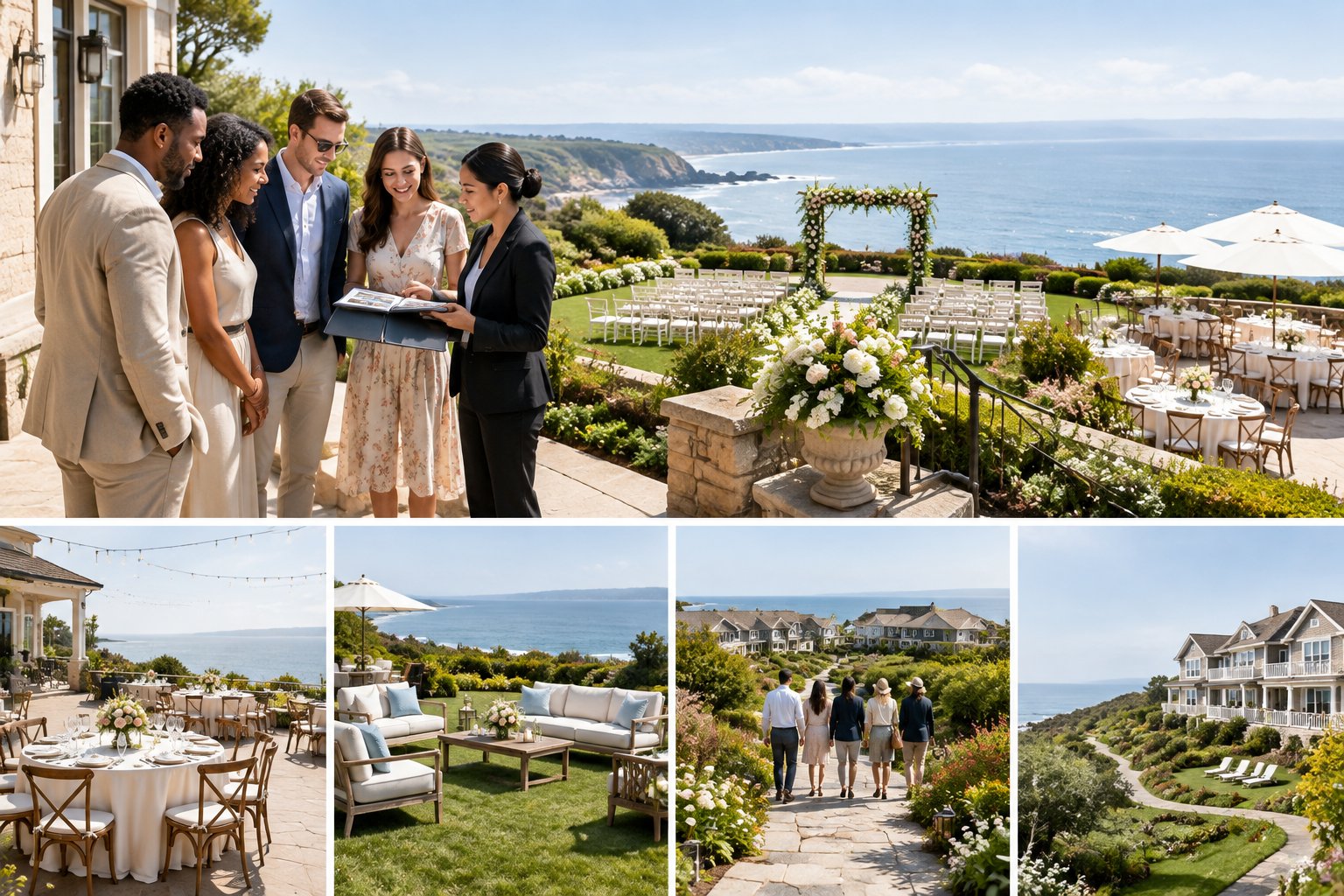
A guest list of 20 people has different needs from a celebration of 150. Use your expected attendance to guide venue size, room blocks, transportation, and the number of events you add to the wedding weekend.
A micro-wedding or micro-weddings can work beautifully at a small inn, private estate, or restaurant with overnight rooms. Larger groups need reliable parking, shuttle access, guest accommodations, and enough restrooms and indoor space.
Coastal Escapes for Beach Weddings
Beach weddings create a relaxed setting with natural scenery and easy photo opportunities. Look for a property with a firm ceremony surface, shade for guests, nearby restrooms, and a reception space protected from wind and sudden rain.
Ask whether the venue controls access to the beach, permits amplified music, and provides a weather backup. Sand, heat, and strong sun affect older guests and children, so offer water, seating, fans, and clear arrival instructions.
A beachfront resort with on-site rooms can simplify the wedding ceremony and reception schedule.
Alpine Retreats for Mountain Weddings
Mountain weddings suit couples who want dramatic views, crisp air, and outdoor activities across several days. Mountain wedding venues such as lodges, ranches, and resort properties can host a ceremony, reception, welcome gathering, and farewell brunch in one area.
Check road conditions, elevation, accessibility, heating, and travel time from the nearest airport. A mountain wedding also needs a firm plan for rain, snow, wind, and temperature changes.
Ask how guests will move between buildings and whether luxury accommodations or mid-range rooms are available nearby.
Desert, Vineyard, and City Celebrations
Desert venues bring warm colors, open skies, and striking rock formations. Vineyards offer landscaped grounds, dining experiences, and a strong sense of place. City venues provide hotels, restaurants, museums, airports, and entertainment within a compact area.
Compare each property by noise rules, event end times, vendor access, parking, and lodging. Review the full wedding planning picture, including permits, transportation, catering, and indoor options.
You can also explore wedding venue ideas when you need more style inspiration.
Best Regions for a Domestic Getaway Celebration
The strongest regions for domestic destination weddings pair memorable scenery with a practical route to the venue and enough activities for guests. California, Colorado, Hawaii, Florida, Arizona, Texas, the Pacific Northwest, and the Northeast each create a distinct wedding weekend.
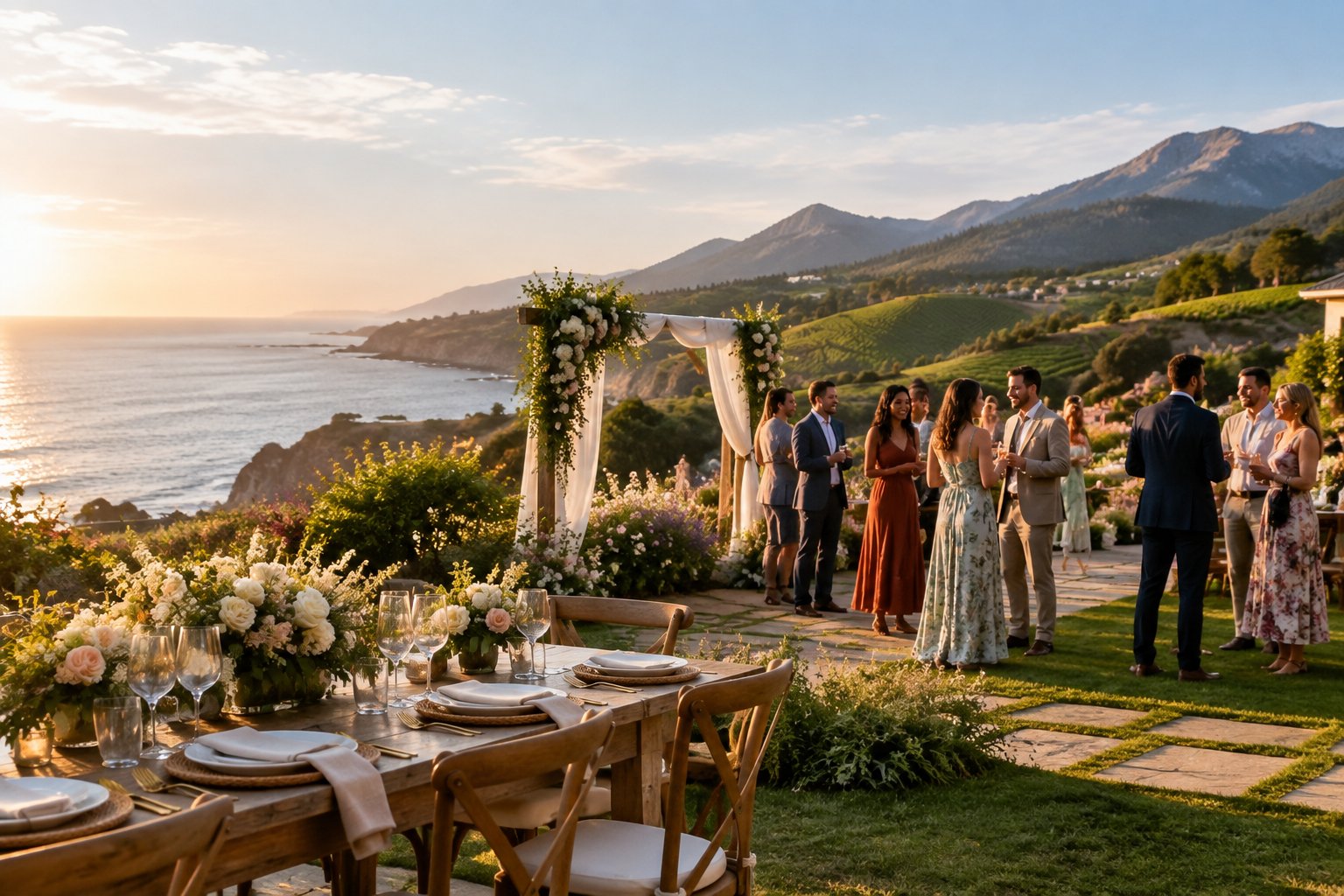
Think about your guests’ departure cities before choosing a remote setting. A direct flight, short drive, and range of lodging prices can improve attendance.
You should also check local event calendars, seasonal weather, wildfire risk, hurricane exposure, snow, and tourist demand before selecting a date.
California Wine Country and the Central Coast
California offers vineyards, beaches, redwood forests, deserts, and city venues within one state. Santa Barbara, Carmel, Malibu, and the Central Coast suit couples who want ocean views, mild weather, and polished hospitality.
Napa and nearby wine country bring vineyard ceremonies, estate dinners, and tasting experiences.
You can build a celebration around Santa Barbara, Los Angeles, or San Francisco for stronger airport access. The Santa Monica Mountains and Palm Springs provide different scenery, from coastal hills to desert light.
Ask about travel time between lodging and the venue, since traffic can affect event schedules.
Colorado, Montana, and the Mountain West
Colorado gives you mountain wedding venues near Denver, Breckenridge, Aspen, and Pikes Peak. Montana adds wide-open ranch landscapes and a quieter pace. Utah brings red rocks, canyon views, Moab, and dramatic spaces near Bell Rock-style desert scenery.
The Rocky Mountains and Taos Ski Valley work well for couples who want hiking, skiing, or scenic drives as part of the guest experience. Confirm elevation, road access, shuttle capacity, and indoor ceremony plans.
Winter dates require extra time for travel and weather updates.
Hawaii and Florida Beach Escapes
Hawaii offers tropical scenery and resort support across Maui, Oahu, Kauai, and the Big Island. Grand Wailea and the Fairmont Orchid represent the polished resort style many couples seek. Florida gives you beach access, warm-weather activities, and destinations such as Miami and Key Largo.
Check seasonal rain, hurricane exposure, flight schedules, and resort event rules before you choose a date. Florida venues can suit a wide range of budgets, while Hawaii requires careful planning for flights and lodging.
Give guests several room options and publish transportation details early.
The Pacific Northwest and the Northeast
Washington and Oregon offer forests, mountains, coastlines, and vineyard settings. Mt. Rainier, Olympic National Park, Lake Crescent, and Portland provide different experiences for outdoor and city-focused celebrations.
Skamania Lodge combines a forest setting with resort-style amenities.
Maryland, New York, and the Hudson Valley offer estates, historic buildings, waterfront properties, and easy access to major airports. The Hudson area suits couples who want countryside scenery with restaurants and cultural attractions nearby.
Consider seasonal foliage, winter conditions, and peak weekend traffic when you set the date.
Arizona, Texas, and the Southern States
Arizona offers desert resorts and red-rock settings near Sedona, Phoenix, and Bell Rock. Texas gives you ranches, hotels, and Hill Country estates around Dripping Springs, Dallas, and other regional hubs.
Tennessee, New Orleans, Arkansas, and Oklahoma add music, food, historic buildings, and distinctive local character.
Baltimore works well for waterfront and historic celebrations with city lodging nearby. Build guest activities around local dining, live music, outdoor tours, or cultural sites.
Desert and Southern venues need shade, hydration, cooling, and sunset timing for guest comfort.
Standout Venues by Landscape and Experience
Standout destination wedding venues combine a strong sense of place with spaces that support the full guest experience. You can choose from luxury resorts, coastal properties, mountain lodges, ranches, national-park settings, vineyards, gardens, and historic buildings.
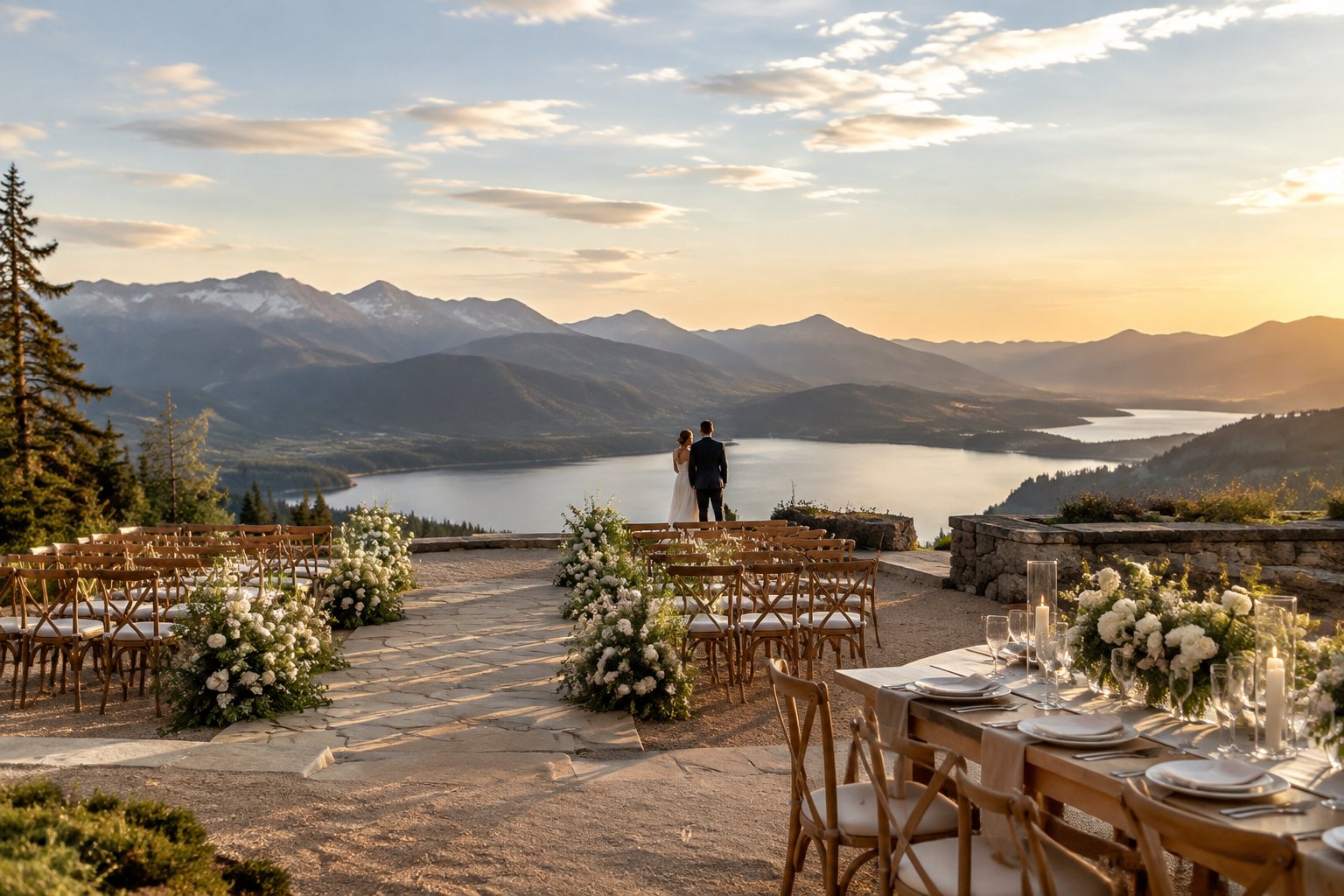
Before you fall for a view, confirm guest capacity, lodging, event timing, catering, weather plans, accessibility, and vendor policies. A venue that handles several events on-site can make a multi-day celebration easier to manage.
Luxury Resorts and Full-Property Buyouts
The Little Nell in Aspen suits couples who want high-end mountain hospitality with access to a lively resort town. Grand Wailea and the Fairmont Orchid create a polished Hawaiian resort experience with ceremony and reception options near the coast.
Dunton Hot Springs offers a private retreat atmosphere in Colorado. Full-property buyouts at properties such as Full Moon Resort can give your group shared space for meals, activities, and lodging.
Ask about minimum stays, exclusive-use terms, room counts, service charges, and quiet hours.
Coastal Estates and Beachfront Resorts
The Don CeSar in St. Pete Beach brings historic glamour and a beachfront setting. Wild Dunes Resort in South Carolina offers a coastal resort experience with room for several wedding events.
Key Largo Lighthouse adds a distinctive Florida location with a strong maritime feel.
Crook Point provides a Pacific Northwest coastal setting with expansive views and private-event appeal. Cliff House Maine and The Chanler at Cliff Walk offer New England scenery with an elegant, intimate tone.
Check tides, wind, beach access, and indoor reception capacity before signing.
Mountain Lodges, Ranches, and National-Park Settings
Garden of the Gods Resort and Club places your celebration near Colorado’s famous red-rock formations. Blackstone Rivers Ranch adds a secluded mountain setting with riverside scenery.
Blue Moon Rising in Maryland offers cabins and a wooded retreat atmosphere.
NatureBridge at Olympic National Park provides a nature-focused setting near Washington’s forests and waterways. Enchantment Resort in Arizona brings red-rock views near Sedona.
Ask about transportation, accessibility, weather response, sound rules, and vendor load-in at remote properties.
Wineries, Gardens, and Historic Properties
Alila Ventana Big Sur pairs coastal California scenery with a secluded luxury setting. SSS Ranch Napa, South Coast Winery Resort & Spa, and Sunstone Vineyards & Winery suit couples who want vineyard views and wine-focused guest activities.
Keswick Vineyards offers a Virginia wine-country option.
Haiku Gardens brings lush Hawaiian landscaping, while Cedar Lakes Estate offers a private retreat atmosphere in New York. The Biltmore provides grand historic architecture in Asheville.
Crystal Springs Resort, Bella Collina, The Oaks at High Hill, and The Red Earth Venue cover resort, vineyard, countryside, and modern estate styles.
For a city celebration, the George Peabody Library in Baltimore offers dramatic historic architecture. Magnolia and Port Jervis add distinctive event settings with their own local character.
Confirm photography rules, catering arrangements, guest capacity, and setup windows for historic properties.
What Does a U.S. Destination Wedding Cost?
A U.S. destination wedding can range from an intimate micro-wedding to a large resort celebration, with venue fees, catering, lodging, travel, and guest activities shaping the total. Your guest count, season, location, and level of service drive the final budget.
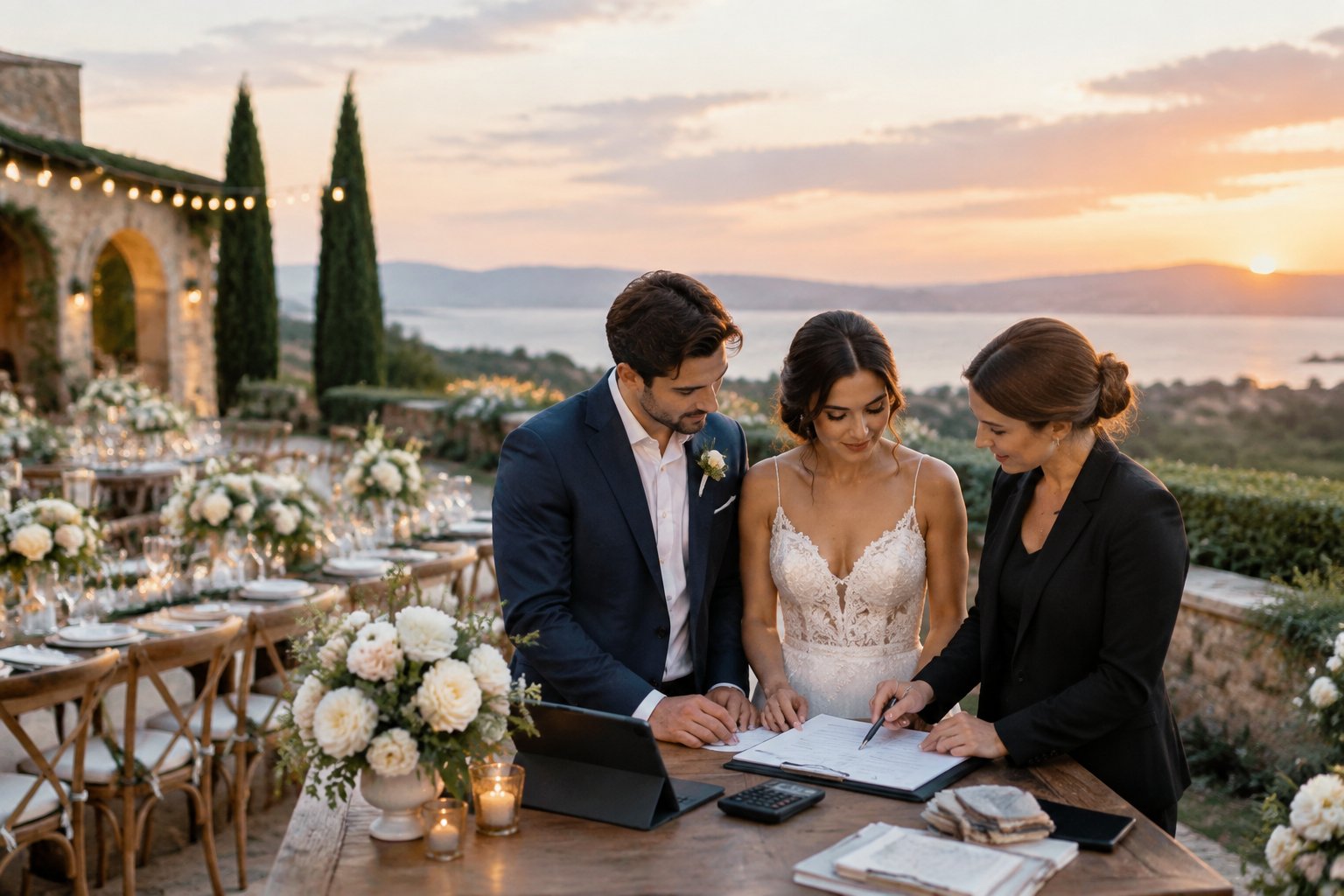
Create separate budgets for your personal wedding costs and the expenses guests will pay themselves. Use a written quote that lists taxes, service charges, rentals, staffing, transportation, overtime, and outside-vendor fees.
For more planning context, review how much per person for a destination wedding.
Venue Fees, Food, and Guest Lodging
Venue pricing may include ceremony space, reception space, chairs, tables, staffing, and basic setup. Catering can be priced per guest or through a food-and-beverage minimum.
Bar packages, cake, rentals, floral design, lighting, and sound add separate costs at many properties.
Guest accommodations can include resort rooms, cabins, hotel blocks, vacation rentals, or nearby inns. Luxury accommodations improve the experience while raising the total room rate.
Ask whether the venue requires a minimum number of rooms or nights.
Travel, Room Blocks, and Welcome Events
Your own travel budget can include flights, rental cars, airport transfers, lodging, site visits, and vendor travel. Guest costs include transportation and rooms, even when guests pay those bills directly.
A room block helps you share clear options across price levels.
Welcome dinners, rehearsal meals, farewell brunches, shuttles, excursions, and hospitality bags expand the wedding weekend budget. You can control spending by hosting one shared meal and giving guests optional activities.
How to Make a Smaller Celebration Feel Special
A micro-wedding can feel refined when you invest in details guests experience closely. Choose a private dining room, scenic ceremony site, chef-led meal, personal vows, and thoughtful welcome items.
Use the smaller guest count to upgrade photography, floral design, music, or lodging. You can also reserve a full property for a small group, host a guided outing, or plan a long dinner with local food and wine.
For more ideas, explore tips for choosing the perfect venue for a small wedding.
Planning Logistics That Keep Guests Comfortable
Clear communication, accessible travel plans, and a flexible schedule keep destination weddings enjoyable for guests. Give people enough time to plan, share costs honestly, and make the wedding weekend easy to follow.
Your wedding website should include airport details, driving directions, room blocks, dress guidance, weather notes, shuttle times, local activities, and contact information for urgent questions. Send save-the-dates early when flights and lodging require advance planning.
Picking Dates Around Weather and Local Events
Choose your date after checking seasonal temperatures, rain, snow, hurricanes, wildfire conditions, daylight, and local event calendars. A popular festival, sports weekend, or holiday can raise room rates and reduce transportation availability.
Ask the venue about its busiest periods and backup spaces. Coastal, desert, and mountain properties each have different comfort concerns. Build enough flexibility into the schedule for weather changes and delayed arrivals.
Making Travel and Accommodations Easy
Select an airport with practical flight options and provide a clear route from arrival to lodging. Offer room blocks at more than one price point when possible. Include accessible rooms, family-friendly choices, and details about parking or shuttle pickup.
Send guests a simple travel timeline with booking deadlines. Arrange transportation for the wedding events when roads are unfamiliar, parking is limited, or alcohol is served. Confirm vehicle capacity and pickup locations with the venue.
Building a Flexible Multi-Day Itinerary
Plan one main event each day and leave open time for rest, exploration, and personal plans. A welcome gathering helps guests meet before the ceremony.
A farewell breakfast or casual lunch gives everyone a relaxed final moment together. Share optional activities such as wine tasting, beach time, hiking, city tours, or spa appointments.
Keep key events easy to reach and publish start times, dress codes, meal details, and transportation instructions in one place.