
Did Kate Middleton Say Obey in Her Vows? Exploring the Royal Wedding Promises
When it comes to royal weddings, every detail is often scrutinized, including the vows. You may wonder about Kate Middleton’s wedding vows to Prince William at Westminster Abbey. Kate chose not to include the word “obey” in her vows, following in the footsteps of Princess Diana.
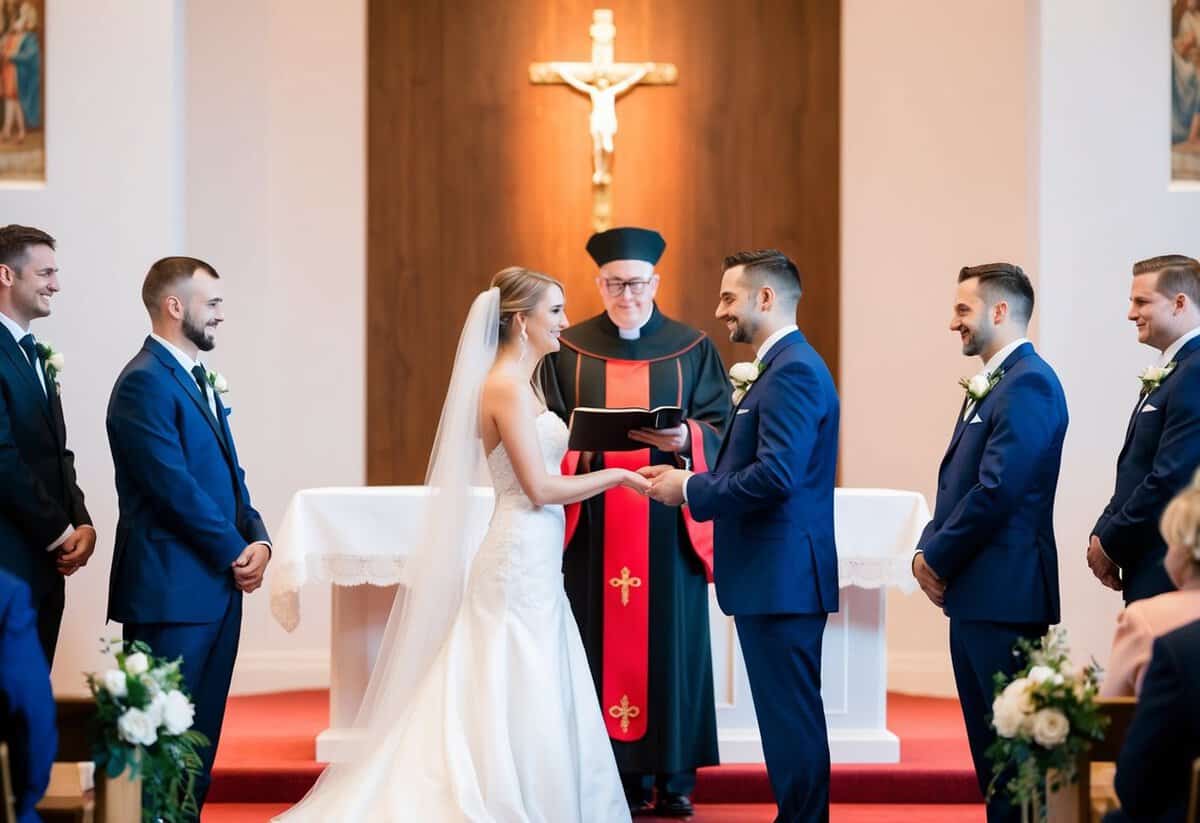
This decision reflects a shift in traditional marriage customs among modern royal brides. By omitting “obey,” Kate Middleton took a stand for equality in her relationship, showing that both partners should support each other with love and respect.
As you explore this fascinating topic, you’ll learn more about why this choice is significant in the context of royal traditions and how it connects to the values of today’s society.
The Significance of Wedding Vows in Royal Marriages
Wedding vows play an important role in royal marriages. They reflect values, traditions, and the expectations of both partners.
The word “obey,” often included in traditional vows, has sparked discussion among modern royals, influencing their choice of language.
Historical Context of ‘Obey’ in Royal Vows
For centuries, royal wedding vows included the promise to “obey.” This came from the Book of Common Prayer, which shaped many wedding ceremonies in England. The inclusion of “obey” signified a traditional view of marriage where the husband held authority.
As times changed, some royal brides reconsidered this wording. This shift reflects a growing belief in partnership and equality in marriages. Changing vows to focus on love and respect has become common, moving away from outdated norms.
The Influence of Princess Diana and Duchess of York
Princess Diana made waves by leaving out “obey” from her vows during her wedding to Prince Charles in 1981. This choice was significant because it set a precedent for modern royal weddings.
Similarly, Sarah Ferguson, the Duchess of York, followed suit by omitting the word when she married Prince Andrew in 1986. Their decisions resonated with many, showing a desire for equality in marriage. This influence has since impacted how royal wedding vows are framed, emphasizing love, cherish, and commitment over traditional hierarchies.
Kate Middleton’s Personal Choice in Her Vows
When Kate Middleton married Prince William, she made a significant choice regarding her wedding vows. This decision reflects not only her personal beliefs but also a shift in royal traditions seen over the years.
Comparison with Other Royal Brides
Kate Middleton chose not to include the word “obey” in her vows, following the path set by other modern royal brides. Princess Diana also omitted this word when she married Prince Charles.
Meghan Markle made the same decision during her wedding to Prince Harry, choosing a more contemporary approach. In contrast, some royal brides, like Sophie Rhys-Jones, included “obey” in their vows, showing how traditions can vary.
This change highlights a growing trend among royals to express equality in marriage, moving away from strict adherence to traditional wording.
Book of Common Prayer versus Modern Adaptations
The word “obey” has roots in the Book of Common Prayer, which has guided many Anglican wedding ceremonies. Traditionally, it emphasizes the husband’s authority over the wife.
However, modern adaptations have shifted to favor language that promotes partnership and love.
Kate’s choice aligns with these changes, embracing a more equal partnership with Prince William. The shift indicates a broader acceptance of contemporary values in royal ceremonies.
By choosing to omit “obey,” Kate Middleton reflects her belief in a marriage based on mutual respect, similar to many modern couples today. This personal choice resonates with the evolving views on relationships within the royal family and beyond.
The Impact of Kate’s Vows on Societal Perceptions
Kate Middleton’s choice to omit the word “obey” from her wedding vows resonated with many. This decision sparked conversations about marriage, equality, and public perceptions of royal traditions. It highlighted the shift toward more modern values in the context of relationships.
Public Response and Media Coverage
The public response to Kate’s vows was overwhelmingly positive. Many admired her bold choice, seeing it as a step toward equality in marriage.
Media coverage emphasized how this act mirrored Princess Diana’s decision, showcasing how royal weddings can influence societal norms.
Royal correspondents noted the significance of this omission. It was reported that this change stirred discussions about domestic violence and the traditional roles within marriage. Critics argued that keeping “obey” in vows can perpetuate outdated views, while supporters appreciated the evolving nature of these traditions.
Reflections on Marriage Equality and Modernity
Many see Kate’s vows as part of a larger trend toward marriage equality. By dropping “obey,” she aligned her marriage with contemporary values that promote partnership and respect. This move reflects a growing awareness of the importance of equality in relationships.
Society is increasingly recognizing the need for mutual respect in marriages. The media coverage surrounding her vows highlighted this shift. It encouraged conversations about how commitment should not include elements that suggest one partner holds power over another. Many believe that Kate’s decision plays a role in redefining modern marriage.