
Do All Brides Have to Wear White? Exploring Modern Wedding Attire Choices
Traditionally, brides have seen white as the go-to color for their wedding day. However, not all brides have to wear white. Many choose other colors that reflect their personal style and cultural traditions. This shift in perspective allows for more creativity and individuality in how you celebrate your love.
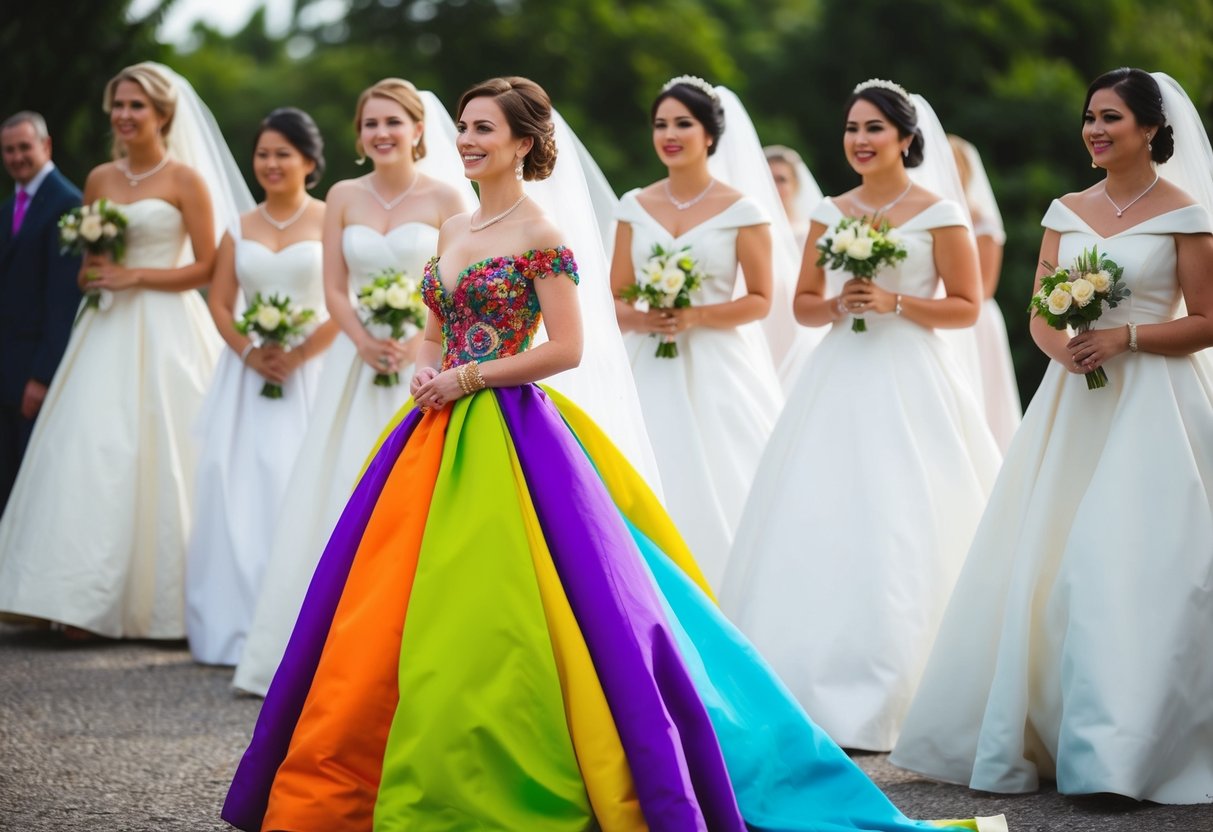
As society evolves, so do wedding customs. Today, many brides opt for colorful gowns, unique patterns, or even bold designs that showcase their personality. Understanding the reasons behind these choices can inspire you to embrace your own vision for a wedding day look that feels true to you.
Exploring the history behind the white dress trend can provide context for your decision. Whether you prefer classic white or want to break away from tradition with a splash of color, what matters most is that your choice resonates with your heart.
The History of Bridal Attire
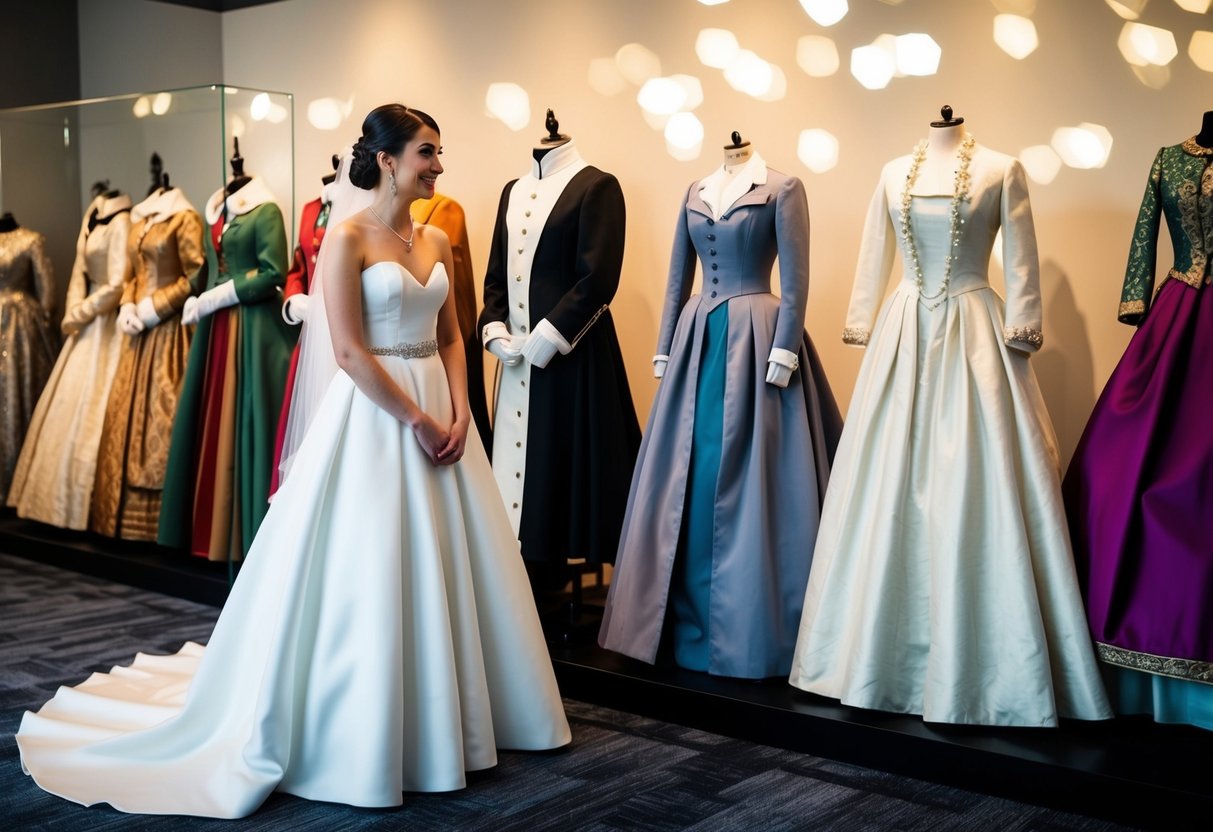
Bridal attire has a rich history shaped by traditions and cultural influences. Understanding how bridal gowns evolved, especially the significance of the white wedding dress, can help you appreciate the choices available today.
The Influence of Queen Victoria
Queen Victoria played a vital role in popularizing the white wedding dress. In 1840, she chose a white gown for her wedding to Prince Albert. This choice was unusual at the time, as brides often wore colorful dresses.
Her gown set a new trend. Wealthy brides began to follow suit, viewing white as a symbol of purity and status. The tradition grew over the years, creating a shift in how brides approached their wedding attire. Today, her influence is undeniable. The white wedding dress remains a classic option, symbolizing a timeless romantic ideal that many women still embrace when they walk down the aisle.
Cultural Significance of White
Wearing white has deep cultural roots. In the Western world, the color white came to symbolize purity and innocence. This meaning has endured, making it a top choice for many brides.
Throughout history, different cultures have varied in their color choices for weddings. For example, in some Asian cultures, red is the preferred color for brides. This reflects happiness and good fortune.
Your choice of a wedding dress can connect you to a rich tapestry of traditions. Understanding the meaning behind colors can help you choose what feels right for your special day. Whether you opt for white or another shade, it’s about what resonates with you.
Symbolism of the White Dress
The white wedding dress carries deep meaning in many cultures. Its symbolism often reflects purity, innocence, and the exciting start of a new journey in life. Understanding these elements can help you appreciate the significance of choosing a white gown for your wedding.
Purity and Innocence
The color white has long been associated with purity and innocence. This tradition became especially popular after Queen Victoria wore a white gown for her wedding to Prince Albert in 1840. Before then, brides wore dresses in various colors.
Wearing a white wedding dress suggests that the bride enters the marriage with a fresh start. It signifies that she is unblemished by past relationships, embodying a sense of dedication. This symbolism resonates with many couples, reinforcing love and commitment in their union.
New Beginnings
A white wedding gown also symbolizes new beginnings. The color represents a fresh chapter in your life and the start of your married journey. Choosing white can evoke feelings of hope and optimism for the future.
This idea of new beginnings is not just about starting a marriage. It reflects the journey you will both take together as a couple. Since weddings are often a milestone, the white dress becomes a powerful emblem of the life adventures that await.
Modern Interpretations and Choices
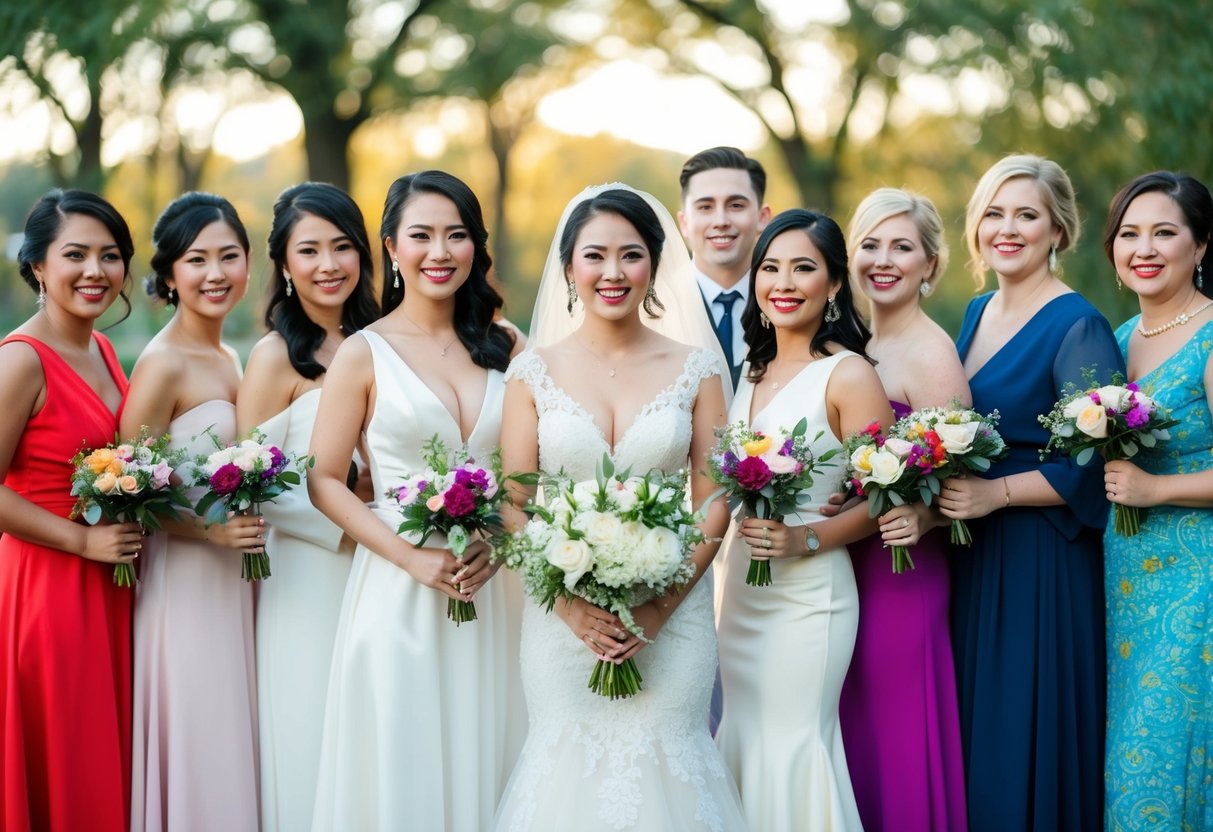
Bridal fashion has evolved significantly, allowing you to explore various options beyond traditional white gowns. Many modern brides embrace a wider array of colors and styles to reflect their unique personalities.
Expanding Color Palette
Today, the color palette for wedding dresses has expanded dramatically. While white has long been the standard, many brides now choose shades like ivory, champagne, or even a striking red wedding dress. These colors can carry strong meanings, with red often symbolizing love and passion.
You might also see dresses in softer hues, like blush or pastel tones. This variety allows you to pick a color that resonates with your style. Whether you’re going for classic elegance or a modern twist, the choice of color can make your wedding day truly personal.
Personal Expression Through Dress
Your wedding dress is a significant way to express who you are. Many brides opt for designs that incorporate cultural or personal elements.
For instance, some might choose a more traditional style influenced by family heritage, while others may go for contemporary looks that break away from norms. Some brides even select dresses that carry personal symbolism.
For example, wearing a red wedding dress can acknowledge heritage or family traditions. You can also decide how much you want your attire to reflect your personality, mood, or the overall vibe of your wedding. The possibilities are endless, making your choice a special reflection of you.
Cultural and International Perspectives
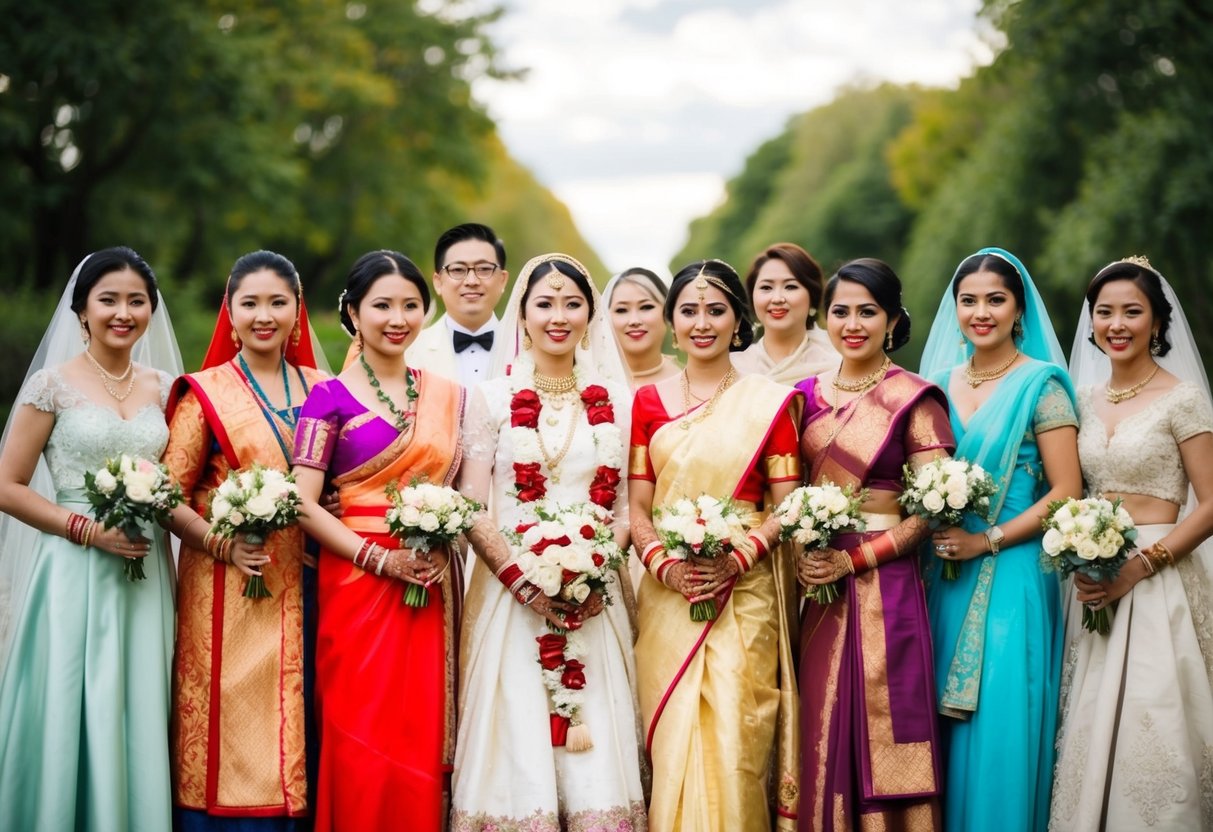
Brides around the world express their identity and cultural heritage in many ways, including through the colors they choose for their wedding dresses. Each culture has its own rich traditions and meanings associated with these choices.
Diverse Traditions Globally
In many cultures, white is just one of several colors brides may wear. For instance, in India, brides traditionally wear bright red sarees or lehengas, symbolizing prosperity and good fortune. This colorful attire is deeply tied to the culture and reflects the joy of the occasion.
In Chinese weddings, brides often opt for vibrant red as well. This color is believed to bring happiness and good luck. In contrast, in certain African traditions, brides might wear dresses that showcase their tribe’s colors and patterns, making a personal statement about their heritage and culture.
Symbolic Meanings of Colors
Wedding attire often carries deep meanings. In many Western cultures, white symbolizes purity and innocence. Other colors can convey different sentiments. In some cultures, green represents growth and fertility, while blue symbolizes love and fidelity.
In traditional European weddings, brides might wear orange blossoms as part of their headpieces. This floral element honors the idea of fertility and new beginnings, adding another dimension to the chosen attire.
Understanding these diverse traditions and colors helps you appreciate the rich tapestry of wedding customs around the world.