
Do All RSVPs Show Up? Understanding the RSVP Process for Events
Planning an event can be exciting, but dealing with RSVPs can be tricky. You might wonder if all the guests who confirm they will attend will actually show up. On average, only about 60% of guests who RSVP will make it to your event.

When you invite close family and friends, this percentage can rise to around 75%. It’s important to keep in mind that life can be unpredictable, and unexpected events may prevent some guests from attending, even if they initially said yes. Understanding these numbers can help you prepare better for your gathering.
If you want to calculate how many people might actually show up, consider your guest list and how many of them are close to you. This way, you can plan accordingly and ensure you have enough food and seating for everyone.
Understanding RSVP Etiquette

When planning a wedding, knowing RSVP etiquette is essential for keeping your event running smoothly. You want to make sure you receive accurate responses from your guests. This helps with seating, food, and overall logistics.
The Role of RSVP in Wedding Planning
RSVPs play a critical role in your wedding planning. When your guests receive their wedding invitations, they need to respond to let you know if they can attend. This helps you manage the number of attendees.
Use RSVP cards or online wedding websites for easy tracking. Clear instructions on your invitations make this process seamless. For example, include a deadline for responses.
It’s also helpful to collect additional information, like meal choices, if needed. This ensures you prepare correctly for your guests. The more organized you are, the smoother your event will go.
RSVP Cards and Wedding Websites
RSVP cards are a traditional way to ask guests to respond. These cards usually come with the wedding invitation. Make sure they are easy to fill out and return.
Include space for guests to write their names and check their attendance. This can simplify things for you.
Many couples use wedding websites today for RSVPs. These sites can include an online form for guests to reply. It allows you to track responses in real time.
Whichever method you choose, remember to keep it simple. The easier it is for your guests to respond, the more accurate your headcount will be.
Managing Your Guest List and Expectations

When planning your event, it’s crucial to have a clear understanding of your guest list and what to expect. Knowing how to calculate the expected guest count and preparing for potential no-shows can help you manage your event smoothly.
Calculating The Expected Guest Count
Start by reviewing your guest list carefully. Include everyone you’ve invited and note their responses. It’s helpful to categorize them into confirmed, pending, and declined.
Once you have a rough idea of who will attend, consider your venue’s capacity and budget. Aim for an optimal count that balances your space and desired atmosphere. Think about sending a gentle reminder a week before the event, as this can help finalize the numbers.
Creating a table or checklist can streamline this process. For example:
| Guest Name | RSVP Status |
|---|---|
| John Doe | Confirmed |
| Jane Smith | Pending |
| Tom Johnson | Declined |
This visual can guide you in understanding your final guest count.
Accounting for Potential No-Shows
It’s normal for some invited guests not to attend, known as no-shows. To prepare for this, assume that about 10-20% of your guests might not show up, especially if they live far away.
To mitigate the impact, consider your guest list size. If you have 100 invited guests, plan as if around 80-90 will attend. This estimate can give you peace of mind about catering and seating.
Also, be flexible with your plans. Having extra chairs and food can help accommodate last-minute surprises. A friendly follow-up with your guests closer to the date can also encourage them to attend or inform you of any changes.
Seating Arrangements and Follow-Ups

Planning for your wedding involves careful attention to seating arrangements and follow-ups with guests. These steps can greatly influence the flow of your event and help avoid any surprises.
Creating an Effective Seating Chart
An effective seating chart is key to a smooth event. Start by grouping your guests based on relationships and preferences. Consider using a simple table layout to visualize how many people fit at each table.
Tips for creating your seating chart:
- List guests as they RSVP.
- Note any special requests (like seating with family or friends).
- Adjust your chart as needed based on RSVPs.
This organized approach helps ensure that everyone feels comfortable and welcomed. If you find yourself with unexpected guests, be ready to rearrange or find additional seating options quickly to avoid chaos.
The Importance of Follow-Up With Guests
Following up with guests who haven’t replied to the RSVP form is essential. As the deadline approaches, send gentle reminders via text or email. A polite nudge can make a big difference in getting those last-minute confirmations.
Here’s what to do:
- Create a list of people who haven’t RSVP’d.
- Contact them directly with a friendly message.
- Confirm their attendance for your seating chart.
This proactive strategy helps solidify your final guest count and lets you plan accordingly. Knowing how many guests will attend allows you to finalize seating arrangements and catering needs, making your day less stressful.
Special Considerations for Different Types of Weddings
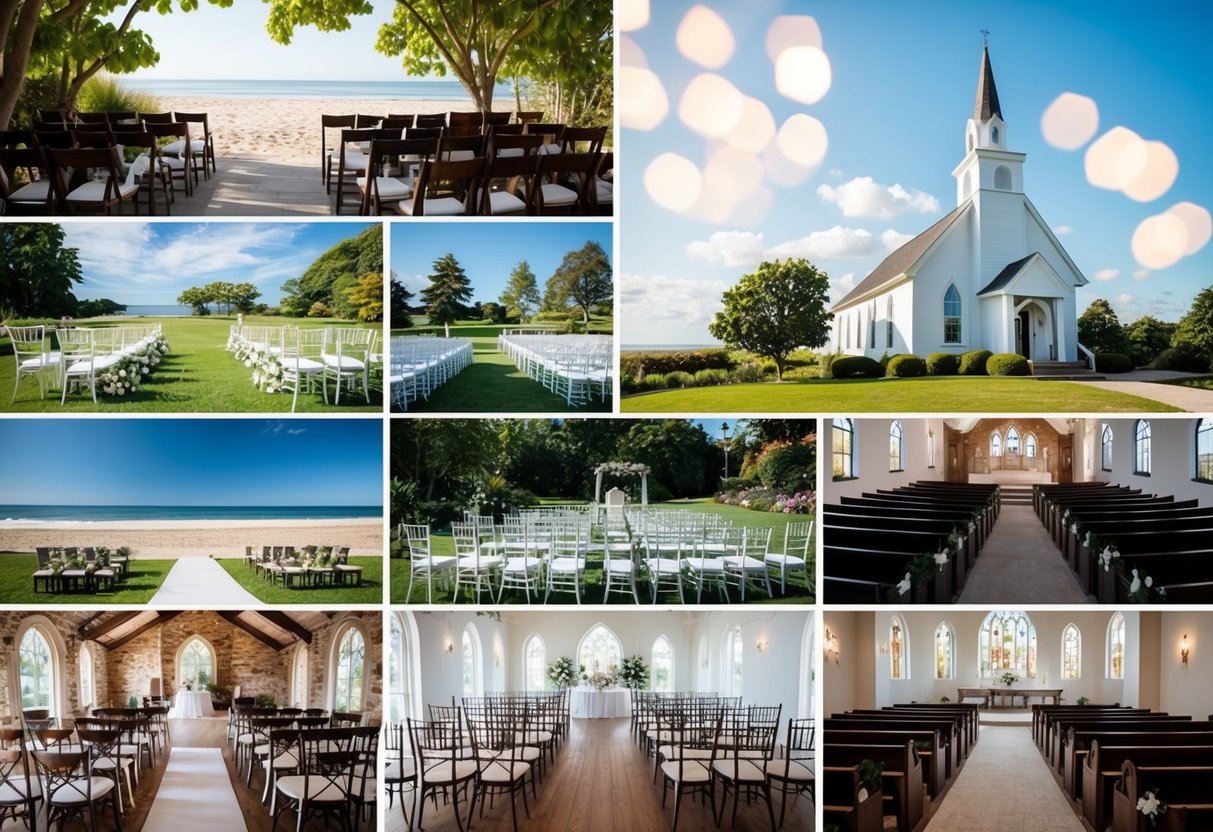
When planning your wedding, the type of event can greatly affect how guests respond to RSVPs. Destination weddings and post-wedding events each have unique factors you should consider.
Destination Wedding Dynamics
Destination weddings often come with their own set of challenges for RSVPs. Many guests may hesitate to commit due to travel costs and time off work. This uncertainty can lead to a lower initial RSVP rate.
To handle this, consider sending save-the-date notices far in advance. This gives your guests time to adjust their plans. Make sure your invitations clearly outline accommodation options and travel details, as this can help ease concerns. You can even create a wedding website that provides all necessary information in one place.
Post-Wedding Events
Following the main wedding ceremony, you might want to hold post-wedding events like a brunch. These gatherings allow you to spend more relaxed time with family and friends. They also encourage additional RSVPs.
When you invite guests to these events, make sure to be clear about the importance of their responses. Include details like location, time, and any special arrangements. This clarity can motivate more guests to RSVP positively. A simple reminder as the date approaches can also help ensure more friends and family attend.