
Do All Wedding Guests Attend the Ceremony? Understanding Guest Attendance at Weddings
When planning a wedding, you might wonder about the etiquette surrounding guest invitations. Not all wedding guests need to attend the ceremony, especially if you prefer a smaller gathering for that part.
Many couples choose to invite all guests to the reception while only having close family and friends at the ceremony. This approach allows you to celebrate your special day with loved ones without the stress of a large crowd during the ceremony.
If you decide to go this route, you can make it clear on the invitations who is invited to which part of the celebration. Understanding these choices can help create the perfect atmosphere for both the ceremony and reception.
As you dive deeper into the topic, you’ll discover more about how to navigate guest lists and invitations, making your wedding planning smoother and more enjoyable.
Understanding Wedding Invitations
Invitations are your first chance to share important details about your wedding with guests. They set the tone and help manage the expectations of everyone you invite. This can include the ceremony, reception, and any special requests like RSVPs.
Invitation Details and RSVP Etiquette
When planning your wedding, every detail on your invitation matters. Include the date, time, and location of both the ceremony and reception. If the events are at different places or times, be clear about this.
For the RSVP, make it easy for guests to respond. You can add a response card or direct them to your wedding website. Encourage guests to RSVP promptly to help you finalize the guest list.
Be mindful of guest list etiquette. Consider who has played a significant role in your life, from family members to close friends, when sending invitations. This helps guests feel honored and can prevent any hurt feelings.
The Role of a Wedding Website
Creating a wedding website can be incredibly helpful for you and your guests. It allows you to share additional details that might not fit on the invitation.
You can include information about accommodations, dress codes, and even the wedding registry. A website also makes it simple to update guests if any plans change.
Link your website in the invitation so guests know where to find the extra information. This tool also facilitates RSVP tracking, making managing the guest list easier for you.
Guest List Dynamics
Creating your guest list can be a balancing act between your dreams and reality. You need to consider your budget, the size of your venue, and your relationships with different people. Here are some important aspects to help you navigate this process smoothly.
Deciding Who to Invite
Start by listing everyone you want to invite. This includes family members, close friends, and a few key coworkers. Be clear about your budget and the maximum guest count your venue can accommodate.
Imagine your ideal wedding. Who are the people that will bring you joy on that special day? Prioritize those who matter most. If you have a large circle, consider if everyone needs to come to the ceremony. It might be okay to separate guests into those at the ceremony and those at the reception.
Handling Plus-Ones and Coworkers
When it comes to plus-ones, think about your relationship with the guests. If they are married or in a serious relationship, it is polite to allow them a plus-one. However, if your guest list is tight, you may choose to limit plus-ones to just those in committed relationships.
As for coworkers, consider your closeness. Inviting everyone can quickly inflate your guest list and move you over budget. Think about who you interact with regularly and who you’d want to celebrate with. It’s okay to invite a few, but focus on those you truly want at your wedding.
Managing the B-List
The B-list can be a lifesaver if you have to trim your guest list. Start with a list of people you’d invite if there’s room after the main guest list is finalized. This often includes friends or distant relatives you want to include but may not have space for in the ceremony.
When sending invitations, it’s wise to wait until you have a clear picture of your guest count. Once some invitees RSVP that they cannot attend, reach out to those on your B-list. This way, you can ensure you fill the seats without causing unnecessary tension or feelings of exclusion.
Wedding Ceremony Participation
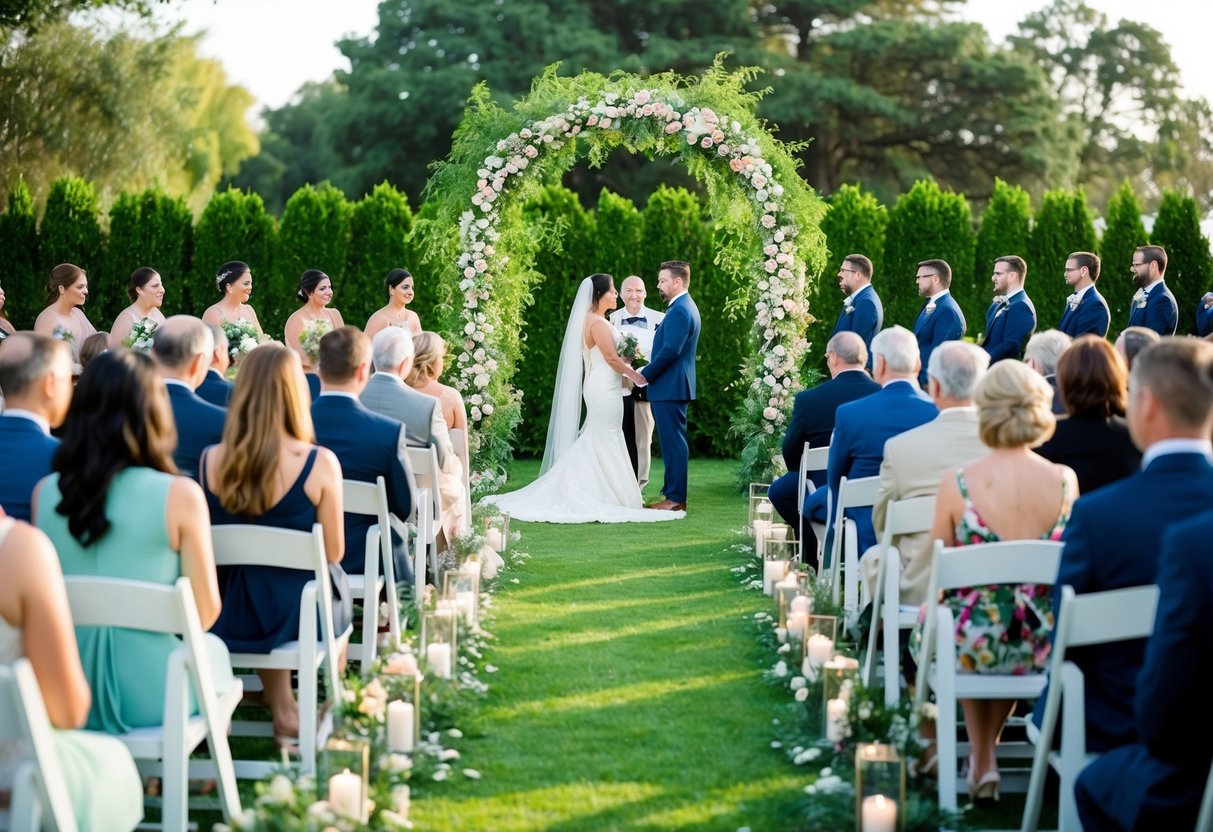
When planning your wedding, it’s important to think about who attends the ceremony. Not all wedding guests may be invited to the ceremony due to space or personal choices. Understanding expectations and space limitations can help make your decisions easier.
Expectations for Ceremony Attendance
You may wonder if you should invite all guests to your wedding ceremony. Many couples choose to invite only close family and friends to keep the event intimate. This can include your immediate family, best friends, and anyone else who plays a significant role in your life.
Guests often expect to be part of your special day, but you can set the tone for attendance. If you decide not to invite everyone to the ceremony, communicate this clearly in your invites. Consider explaining that the ceremony will be small, but they are welcome to join the wedding reception afterward. This way, everyone can celebrate together.
Ceremony Space Limitations
The space you choose for your ceremony can greatly affect who you can invite. Many popular venues have size limits, making it difficult to accommodate larger groups.
For example, if your ceremony space holds 50 guests but your reception venue can fit 350, you need to make strategic choices. Think about your priorities. Would you prefer a cozy ceremony with just close family, or do you want to include a larger circle?
If you go with a smaller ceremony, that can lead to a more personal and emotional experience. You can also plan ways to include those not attending the ceremony, such as live streaming the event or sharing professional photos later.
Wedding Etiquette for Guests
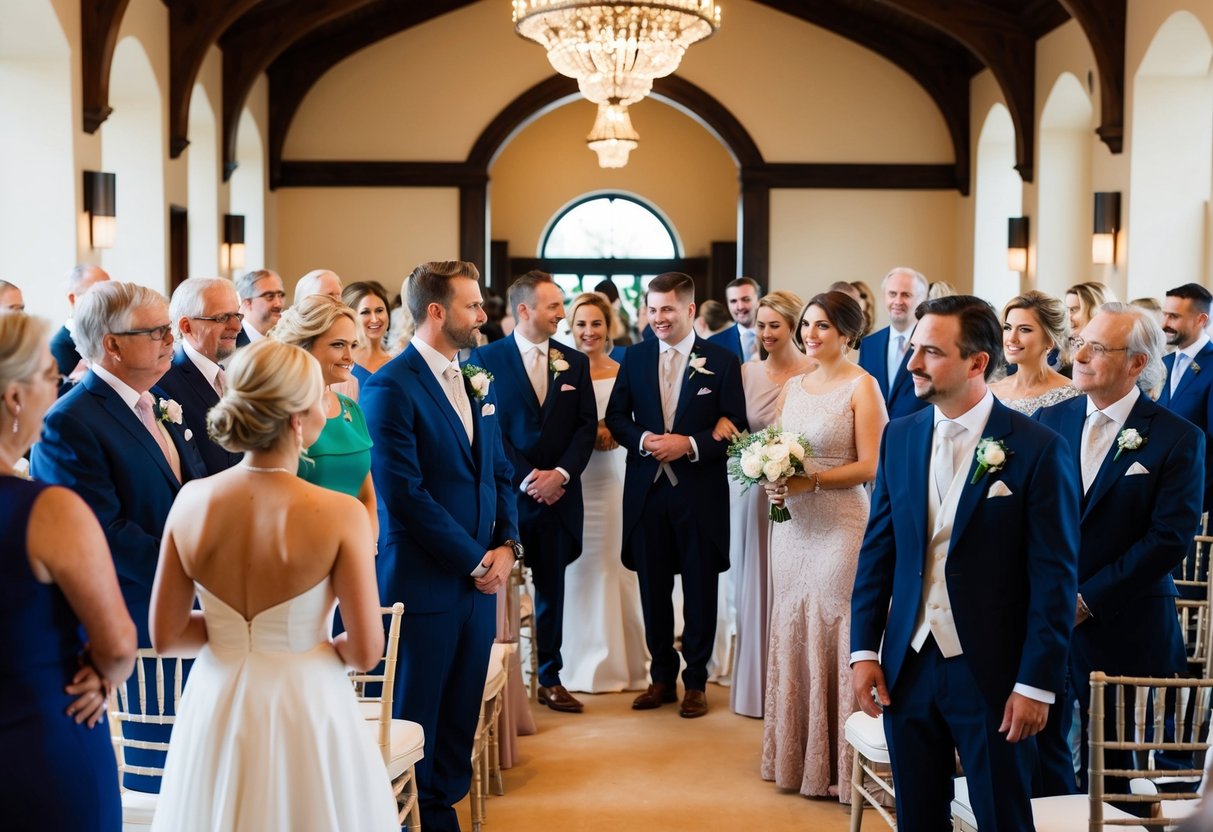
When you’re invited to a wedding, make sure to follow some basic etiquette. This ensures that everyone has a great time.
Arrive on Time
Make sure to arrive early. Weddings usually start right on schedule. Being late can disturb the ceremony.
Dress Code
Check the invitation for the dress code. It often tells you whether to wear formal, semi-formal, or casual attire. Dressing appropriately shows respect for the couple’s wishes.
Unplugged Weddings
Some couples prefer an “unplugged” ceremony. This means you should put away your phones and cameras during the event. Respecting this request helps everyone enjoy the moment.
Be Mindful of Seating
Follow the seating chart if there is one. It helps the couple manage space and keeps guests comfortable. Always sit where you are placed.
Respect Wedding Traditions
Pay attention to any specific traditions the couple wants to follow. Participating respectfully can enhance the experience for everyone.
Limit Social Media
If the couple hasn’t shared their wedding on social media, avoid posting. Respecting their privacy shows you care about their special day.