
Do All Wedding Guests Get a Save the Date? Understanding Your Invitation Etiquette
Sending out save-the-dates is an exciting part of wedding planning. It’s a way to let your loved ones know that you’re tying the knot and to give them a heads-up about your special day. Yes, all of your wedding guests should receive a save-the-date. This gesture helps ensure they keep the date free and marks their place on your guest list.
When you send save-the-dates, you confirm to your friends and family that they are included in your celebration. This act adds excitement as they begin to plan for your big day. Whether it’s a close family member or a dear friend, everyone you wish to invite deserves this early notice.
Remember, sending these cards is not just a formality; it’s a thoughtful way to let your guests know they matter to you. Engaging them early sets the tone for your wedding celebration and helps your planning go smoothly. So, as you prepare your list, make sure to include everyone you want to celebrate with you!
Understanding Save-the-Date Cards
Save-the-date cards are an early step in wedding planning. They let your guests know the date and location of your wedding in advance, allowing them to mark their calendars. You can choose from various styles and formats to fit your wedding theme.
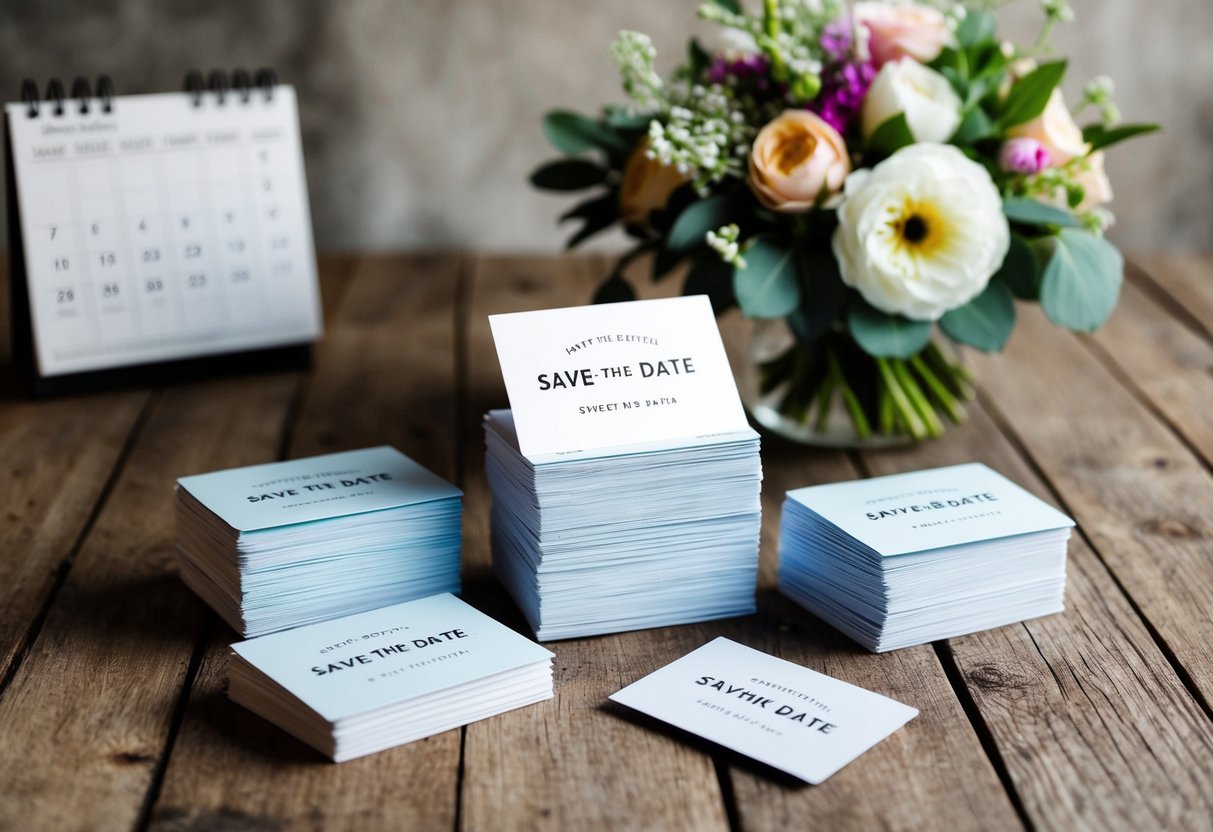
What Are Save-the-Dates?
Save-the-dates are notifications sent to future wedding guests. You usually send them out several months before the formal invitation. These cards can be creative, from traditional paper cards to unique save-the-date magnets.
You might also include an engagement photo to make them more personal. Remember to keep in mind your wedding theme when designing these cards. This helps set the tone for your special day right from the start.
The Purpose of Save-the-Date Cards
The main purpose of save-the-date cards is to inform guests about your wedding date. This is especially important for those who need to travel. Sending these cards out early ensures that your loved ones can plan ahead.
You should typically send them out six to twelve months before the event. This way, you can secure the presence of important guests. While save-the-dates are not formal invitations, they mark the beginning of your wedding journey.
Creative Variations of Save-the-Dates
There are countless ways to design your save-the-date cards. You can choose fun themes that reflect your personality as a couple. For example, if you both love art, consider using calligraphy for a stylish touch.
You can even create custom save-the-date magnets to make them memorable. Using a photo from your engagement session adds a personal element. Keep your wedding theme in mind when choosing colors and designs. This looks great and creates excitement for your upcoming celebration!
Deciding on the Guest List
Creating your wedding guest list is an important step in planning. It can affect your budget and the overall experience of your big day. Knowing who to invite and how to manage your invitations is key to an enjoyable celebration.
Constructing Your Guest List
Start by making a rough list of everyone you want to invite. Consider including family, close friends, coworkers, and anyone else who has played a significant role in your life.
It might help to categorize your guests into groups such as family, friends, and colleagues. Keep in mind your wedding budget. Each guest not only affects your meal costs but also your venue selection. Creating a priority list can help you decide who is essential to have present.
Who Should Receive a Save-the-Date?
Save-the-dates are ideal for guests you definitely want at your wedding. Only send them to those who you are sure will be invited. This includes close friends and family, as well as anyone traveling from afar.
Do not send save-the-dates to guests who you are still unsure about. It’s considered a mistake to hint at an invitation if you might later change your mind. Make a list of those you want to notify early!
Handling Evening-Only Invitations
If you’re planning an evening-only reception, treat this group differently. You’ll need to specify who is invited to the evening portion.
Let evening guests know they’re welcome to join only for the latter part of your celebration. This way, they can make arrangements without feeling left out. Clear communication is essential to ensure everyone understands their invitation status.
Sending Out Save-the-Dates
Sending out save-the-dates is an important step in wedding planning. It helps your guests reserve the date and ensures that everyone can be there to celebrate your special day.
Timing for Save-the-Dates
You should aim to send save-the-dates 6 to 8 months before your wedding. For a destination wedding, consider sending them even earlier, about 8 to 12 months in advance. This allows your guests enough time to make travel plans and accommodations.
If your wedding is during a busy time like holidays or summer, sending them earlier is a smart choice. Make a list of everyone you want to invite before sending them out. Remember, you only need the date and location—no need for all the wedding details just yet.
Etiquette for Sending
When sending save-the-dates, include all guests you plan to invite to your wedding. It’s essential to remember that sending a save-the-date implies that the person will receive an invitation later on.
Avoid sending save-the-dates to people you are unsure about inviting. Once a save-the-date is sent, you can’t easily take it back. Your message should be warm and welcoming, and you can choose a design that reflects your style.
Extra Considerations for Destination Weddings
For destination weddings, giving guests extra time is crucial. Guests may need to book flights and accommodations far in advance. Provide clear information about the venue and any hotel options.
You might also suggest activities for the days before or after the wedding. This makes it easier for guests to plan their itinerary. Always be ready to answer any questions they may have about travel or the local area. Communication helps everyone feel connected and excited for the celebration!
Managing RSVPs and Follow-Ups
When planning a wedding, managing RSVPs and follow-ups is crucial. You want to ensure your guest count is accurate and that everyone feels included in your special day. Here’s how to handle this process effectively.
Transition from Save-the-Dates to Invitations
Save-the-dates are your first step in informing guests about your wedding. They set the stage and give attendees a heads up. When you send out your formal invitations, it’s important to remind guests of the upcoming event.
Make sure your invitation clearly states the date, location, and other essential details. Include an RSVP card with your invitation, allowing guests to respond easily. This card should have a clear deadline for responses.
Consider using digital options for convenience. Online RSVPs can streamline the process and simplify tracking. Just remember to personalize your invite style to match your wedding theme!
Tracking RSVPs
After sending out your invitations, it’s time to keep track of those RSVPs. Create a list to log responses, noting who will attend and who can’t make it. This helps you plan seating arrangements and meal counts.
Using spreadsheet software can make this easy. You can categorize guests as “Accepted,” “Declined,” or “Pending.” If you find certain people haven’t responded by the deadline, don’t hesitate to reach out.
A simple phone call or text can help gather missing information. Remember to keep your tone friendly and understanding. People can sometimes forget to reply, especially with busy schedules.
The Importance of Follow-Up
Follow-ups are a vital part of the RSVP process. They ensure that you get a complete picture of your guest list, which is crucial for planning.
If your RSVP deadline passes and some guests haven’t replied, reach out politely. A friendly reminder can encourage them to respond. For example, you might say, “I hope you’re excited for our wedding! Could you let me know if you’ll be there?”
When you do this, make sure you maintain a light tone. Guests appreciate your consideration and will likely respond positively. Be sure to follow up until you have confirmed responses to help finalize your wedding plans!