
Do Both Partners Get an Engagement Ring? Understanding Modern Traditions
Engagement rings have long been a symbol of commitment and love in relationships. Traditionally, only one partner, usually the woman, would receive a ring. However, customs are changing, and many couples are now embracing the idea that both partners can wear engagement rings as a shared symbol of their commitment to each other.
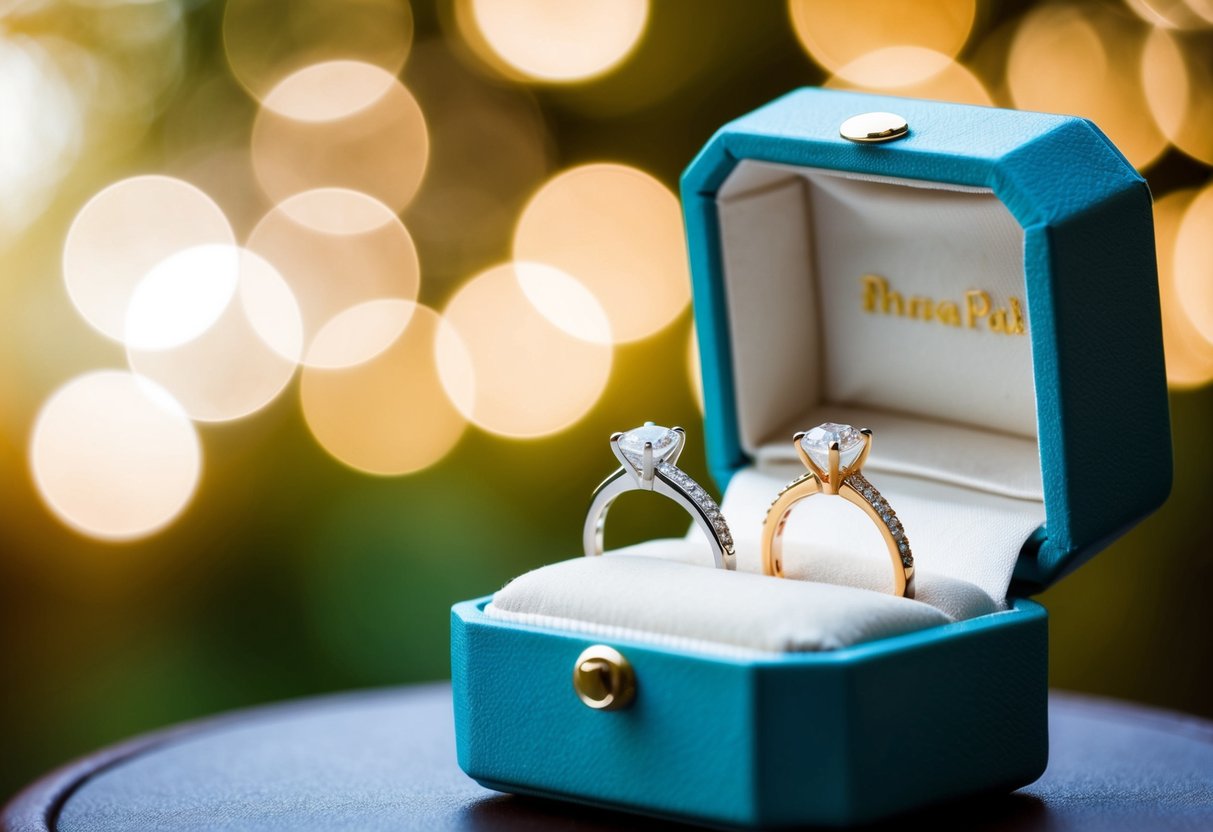
This shift reflects a broader change in how relationships are viewed, moving away from outdated traditions and promoting equality. Many couples today choose to exchange rings, sometimes referred to as commitment rings or engagement bands, which represent their mutual promise to marry.
By opting for engagement rings for both partners, you can honor your unique bond while also celebrating your love story. As more people break with tradition, this choice offers a meaningful way to show your commitment together.
Engagement Ring Traditions and Modern Approaches
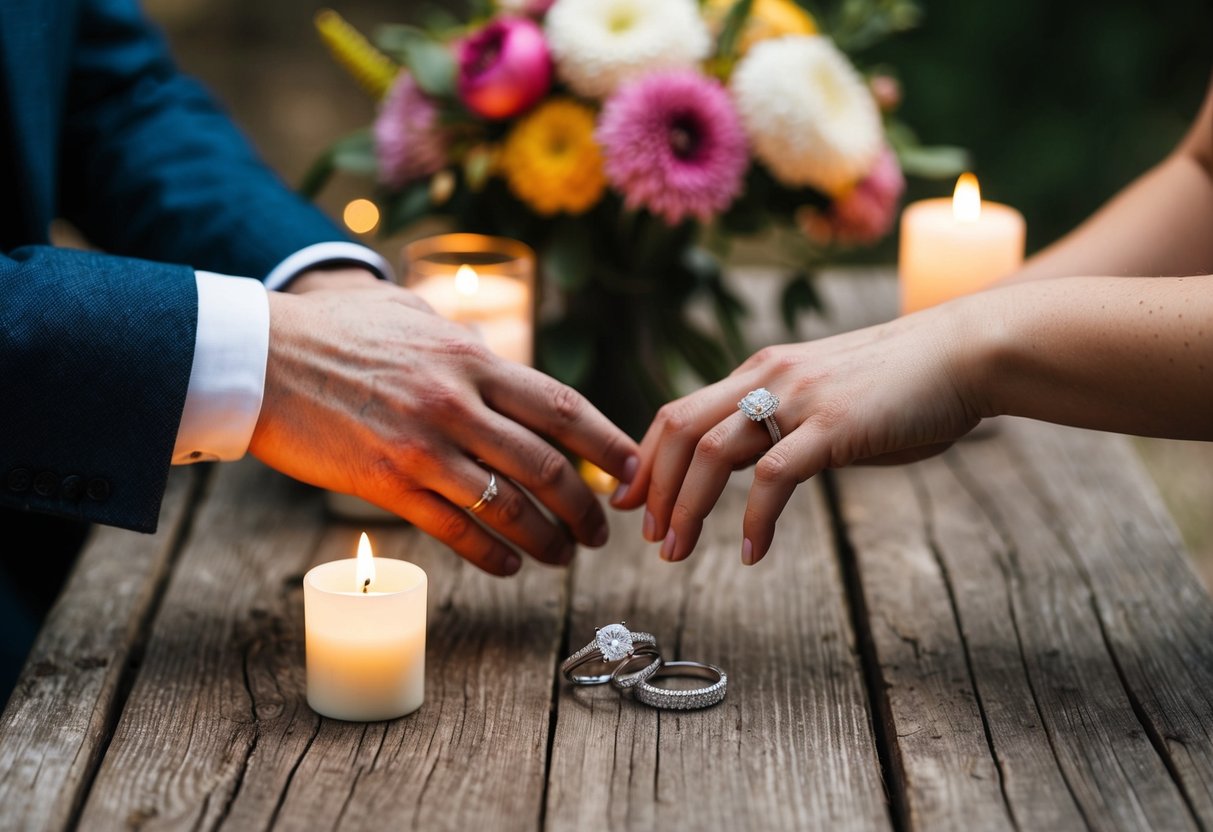
Engagement rings have a rich history and cultural significance that influence how they are viewed today. The shift in societal norms has led to new interpretations of who wears these rings and what they symbolize.
Historical Context of Engagement Rings
Engagement rings date back to ancient cultures. The Romans believed a ring signified ownership, often worn on the left hand. In the 19th century, diamond engagement rings became popular after a famous advertising campaign by De Beers.
Traditionally, the engagement ring was meant for women, signifying their commitment to marriage. The ring, often adorned with a single stone, became a symbol of love and promise.
Cultural significance varies around the world. In some cultures, both partners wear rings, while in others, it remains a custom for only the woman. Understanding these traditions can help you appreciate the deep meanings behind the rings.
Modern Interpretations and Gender Roles
Today, many couples are redefining who gets an engagement ring. It’s becoming common for men to wear rings too. This change reflects evolving perspectives on gender roles and marriage.
In LGBTQ+ relationships, both partners often exchange rings. Each couple decides together what rings mean to them. Some prefer matching rings, while others choose different styles.
Personal preference drives modern choices. Rings can be custom-designed, reflecting your unique relationship rather than traditional norms. This flexibility promotes a more inclusive approach to engagement.
Engagement Rings for All Couples
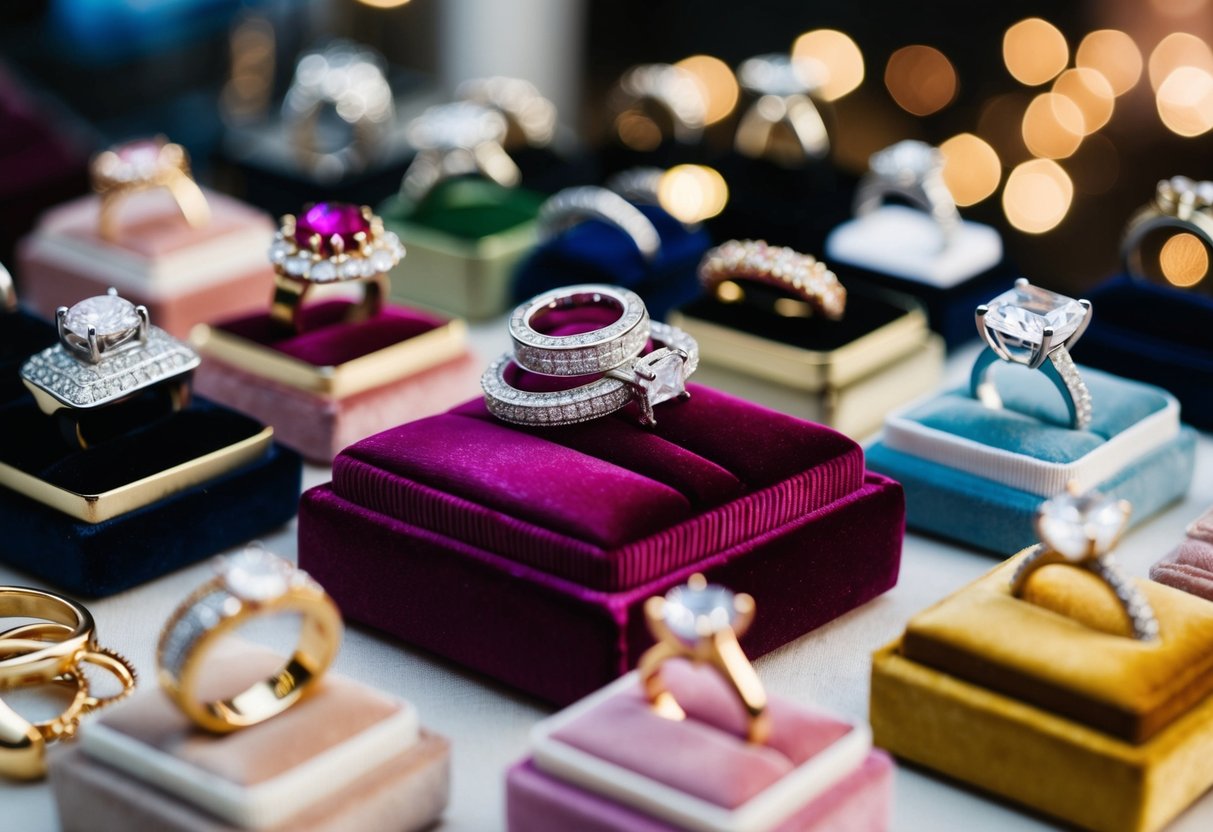
More couples today are choosing to include both partners in the engagement ring tradition. This shift acknowledges the importance of equality and personal choice in modern relationships. Here are some insights into engagement rings for all couples.
Rings for Same-Sex Couples
Same-sex couples often inspire new traditions in engagement rings. Many prefer to exchange rings to signify their commitment in a way that feels right for their partnership. By choosing rings together, you can celebrate love and equality. This approach eliminates traditional roles and allows for creativity.
Moreover, some same-sex couples opt for matching rings or custom designs that reflect their unique relationship. The focus shifts from societal norms to personal preferences. This way, each couple can find a style that truly represents their love story.
Engagement Rings for Men
Traditionally, engagement rings were mostly given to women. However, more men are now choosing to wear engagement rings as symbols of their commitment. This change is empowering and signifies that both partners value their connection equally.
Engagement rings for men can come in various styles, including simpler bands or more elaborate designs with stones. It’s a personal choice that allows men to express their commitment in a way they find meaningful. If you decide to include an engagement ring in your proposal, explore options that resonate with your style and feel special to you.
Matching Rings and Personal Preference
Matching rings are becoming increasingly popular among couples. Choosing similar styles or complementary designs can symbolize unity and shared values. This choice allows both partners to feel equally involved in the engagement process.
Of course, personal preference plays a vital role. Some couples may prefer unique, distinct rings to highlight their individuality. Selecting rings that reflect your tastes can create a deeper bond. You can even design your rings together, ensuring they are a true representation of your relationship. Ultimately, whether you go for matching or unique engagement rings, the most important aspect is that the rings celebrate your love.
The Symbolic Meaning of Engagement Rings
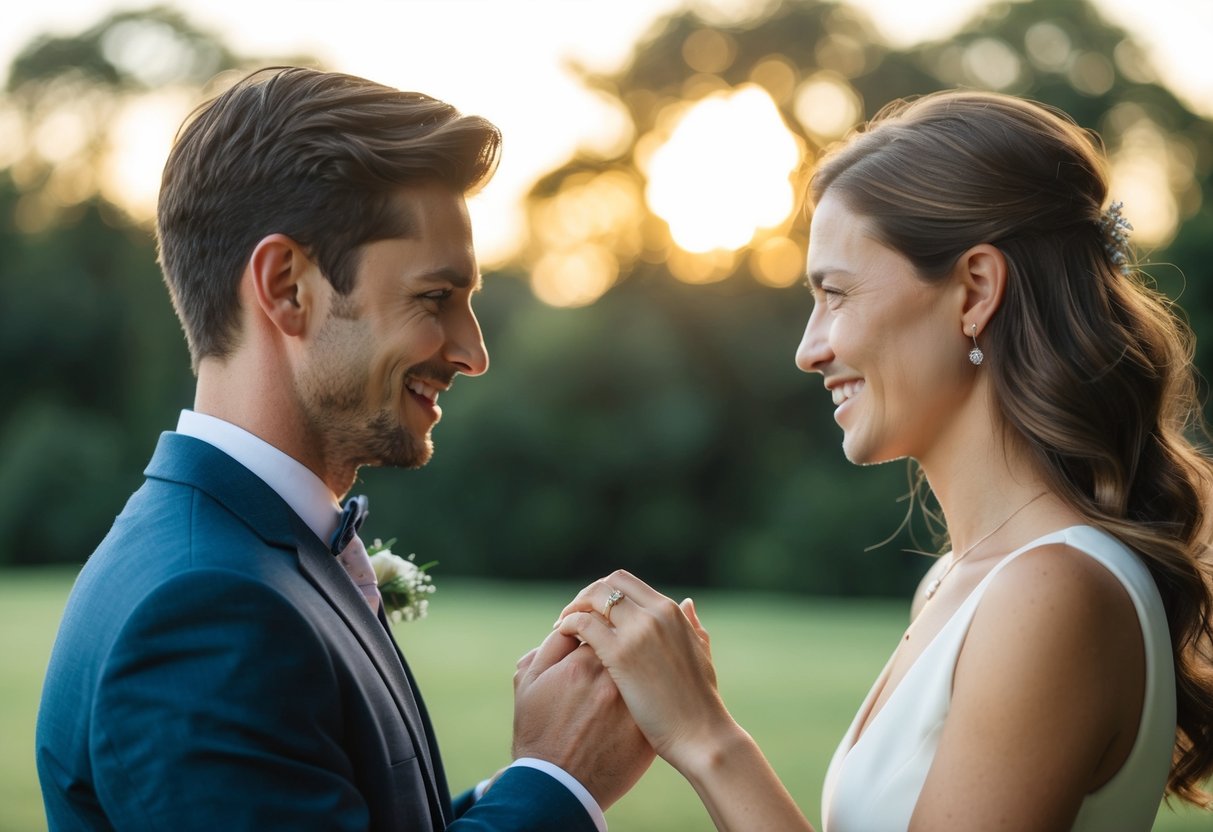
Engagement rings carry deep meaning for couples, representing love and promises made between partners. They symbolize a commitment to marriage and show an ongoing connection. Choosing the right ring can highlight your personal style while reflecting your mutual commitment.
Commitment and Partnership
An engagement ring serves as a symbol of commitment between you and your partner. It signifies not just the desire to marry but also the dedication to support each other throughout life.
When you wear your ring, it is a daily reminder of your promise. For some, wearing the ring on the right hand emphasizes its significance in commitments beyond traditional views. Rings can embody the personal journey you and your partner share and your individual commitment to one another.
Choosing the Right Ring
Selecting the perfect ring is an important step in expressing your commitment. Think about your partner’s personal style and preferences.
Consider different styles, from classic solitaires to modern designs. This ring should reflect what makes your partnership unique. You might even discuss wearing matching rings, showcasing your mutual commitment. Choose materials and gems that resonate with both of you, making this ring a true mark of your love. Remember, it’s about what feels right for both partners!
Practical Considerations and Personalization
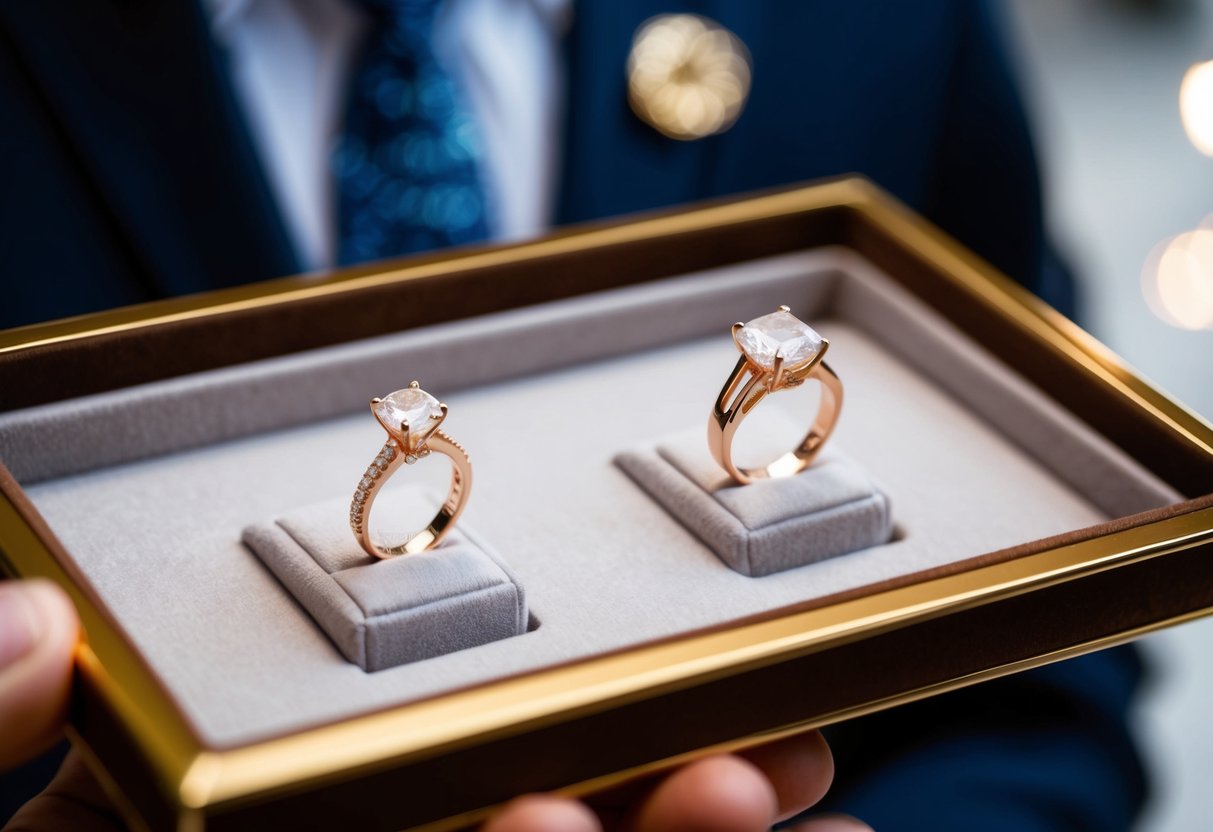
When choosing engagement rings, it’s important to think about the materials and how often you’ll wear them. Personalizing the experience can make it even more special for both partners.
Material Choices
You have several material options for engagement rings, each with its own pros and cons. Popular choices include platinum, rose gold, tungsten, and titanium.
- Platinum is durable and hypoallergenic but can be more expensive.
- Rose gold offers a romantic hue and is often less costly.
- Tungsten and titanium are strong metals, ideal for those with active lifestyles. They are also lightweight and scratch-resistant.
Consider your lifestyle when selecting a material. For instance, if you travel often, you might prefer a durable travel ring that can withstand the rigors of adventure. Personalization can include custom engravings, which may carry special meaning.
Everyday vs. Special Occasion Wear
Think about how often you plan to wear your engagement ring. If you wear it daily, consider a simpler design or a comfortable everyday band. These should withstand the wear and tear of daily life.
For special occasions, you can choose more intricate designs that showcase larger stones or unique features.
You can also mix and match. Use an elegant ring for special events and a stronger band for everyday use.
Your preferences and lifestyle will guide your choices, ensuring the rings align with your personalities and activities.