
Do Both Partners Get an Engagement Ring? Exploring Modern Traditions and Choices
When it comes to engagement rings, traditions are changing. Both partners can absolutely choose to wear engagement rings as a symbol of their commitment and love for each other. This shift reflects a more inclusive approach to relationships and highlights that engagement is a mutual promise, not just one person’s journey.
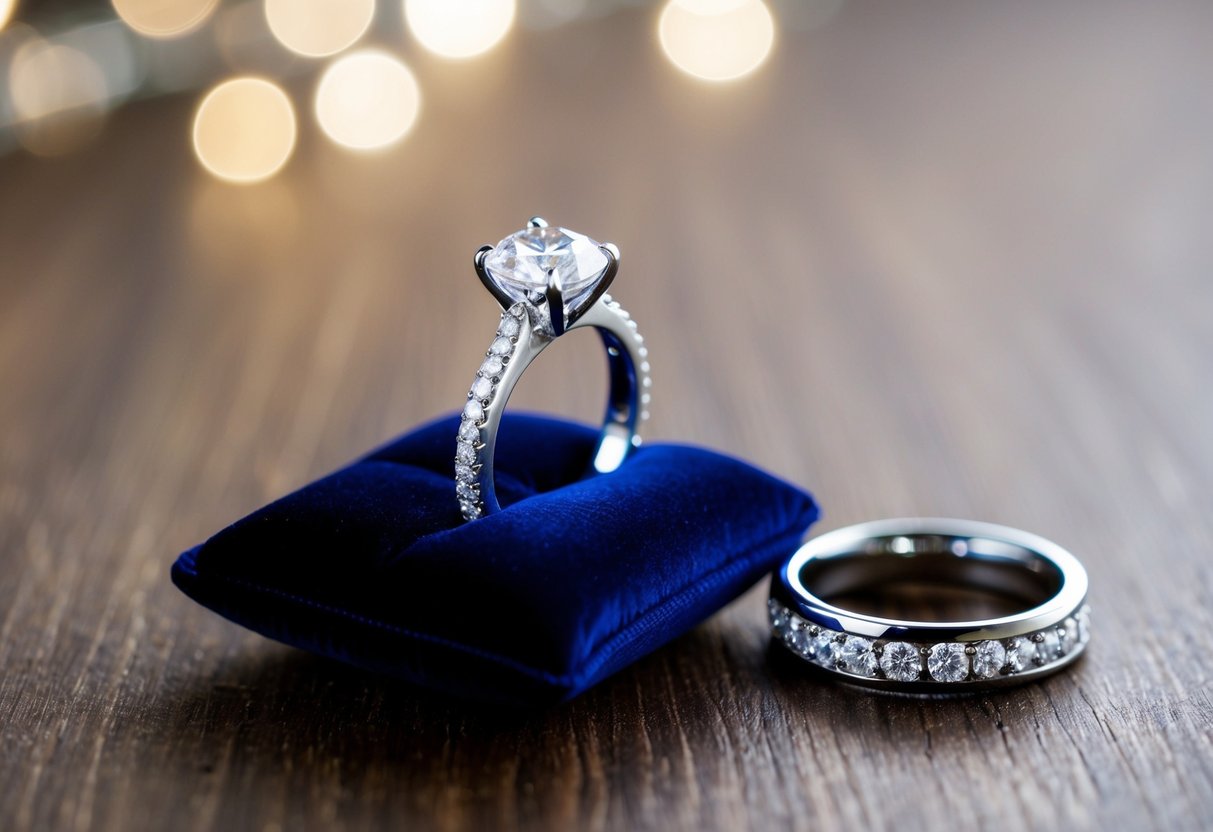
More couples are recognizing that sharing the engagement ring experience can deepen their connection. Whether you opt for matching rings or unique designs, wearing an engagement ring is a beautiful way to celebrate your bond.
With growing acceptance of engagement rings for all partners, it’s increasingly common for both to wear a token of their love.
As you consider your engagement plans, think about what feels right for you and your partner. Engaging in this decision together can make the moment even more special, allowing you both to express your commitment in a way that resonates with your unique relationship.
Engagement Ring Traditions and Norms
Engagement rings carry deep meanings and reflect changing beliefs about relationships. Understanding their history and how these practices have evolved can help you appreciate their current significance in partnerships.
Historical Context of Engagement Rings
The tradition of giving an engagement ring dates back thousands of years. Ancient Egyptians believed a circular band represented eternity, symbolizing infinite love.
During the Roman era, rings became a common gift during a proposal.
In the Middle Ages, diamonds were added to signify strength and courage. Traditionally, only women received engagement rings, reinforcing traditional gender roles. The practice was often viewed as a promise of ownership in many cultures, signifying the man’s claim over the woman.
Engagement Rings in Modern Relationships
Today, engagement rings have taken on new meanings. Many couples are choosing to break from tradition, allowing both partners to wear rings. This shift reflects changing societal norms and a move towards equality in relationships.
Heterosexual couples are increasingly sharing this commitment, with many men now receiving rings as a symbol of their engagement. As a result, rings can be personalized to fit each individual’s style, including different materials and designs.
Ultimately, the choice and meaning of engagement rings evolve with each couple’s unique story and values.
Variations in Engagement Practices
Engagement practices are evolving, and many couples today explore different ways to express their commitment. This section covers how same-sex couples approach engagement rings, the growing trend of men’s engagement rings, and the various alternative expressions of commitment.
Same-Sex Couples and Engagement Rings
For same-sex couples, engagement rings symbolize love and commitment just as they do for different-sex couples. You might choose matching rings to reflect equality and mutual affection.
Instead of sticking to traditional norms, many same-sex couples seek personalized designs that speak to their unique bond.
Some couples opt for engraved messages or custom stones that hold special meaning. The choice of materials and styles can vary widely, allowing each couple to express their love in a way that feels right for them.
Engagement Rings for Men
The trend of engagement rings for men has gained popularity in recent years. Men’s engagement rings are often designed to complement their partner’s ring.
These rings can range from simple bands to more intricate designs that feature gems or unique patterns.
You may also find that many couples choose matching engagement bands to emphasize their commitment. This shift reflects changing attitudes toward traditional gender roles in relationships, allowing men to openly wear symbols of love and engagement.
Alternative Engagement Expressions
Not every couple prefers the traditional engagement ring route. Instead, many choose alternatives such as promise rings or commitment rings.
These options allow you to express your love and commitment without following conventional expectations.
Promise rings can be given at earlier stages in relationships, signifying intent for a future engagement.
Some couples even select matching or complementary styles as a sign of their connection.
Additionally, many millennials are embracing creative forms of engagement, like experience-based promises or handmade tokens, reflecting their personal values and priorities in love.
Ring Styles and Material Preferences
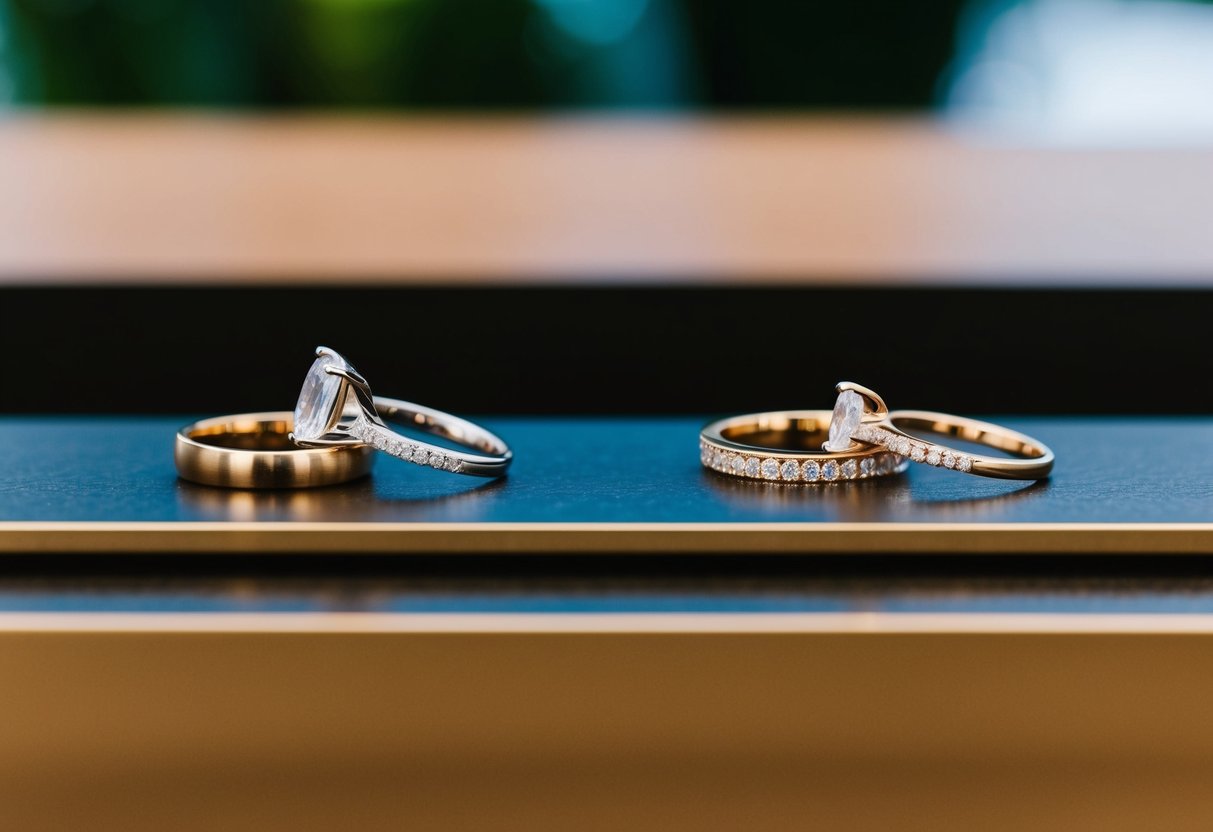
When choosing engagement rings, it’s essential to consider the materials and styles that resonate with you and your partner. This choice reflects personal tastes and preferences, making the rings uniquely yours.
Material Choices for Modern Couples
Today’s couples have many options for ring materials. You might consider classic choices like platinum or gold, which offer durability and a timeless look.
Platinum is a popular choice due to its strength and resistance to tarnish. If you prefer something different, metals like tungsten and titanium are becoming trendy.
These materials are both durable and lightweight, making them ideal for everyday wear.
Another option is rose gold, which has a romantic hue and has gained popularity in recent years. Whatever material you choose, make sure it matches your lifestyle. If you travel often, consider a travel ring made from a durable material.
Stylistic Considerations for Engagement Rings
Choosing a style for engagement rings should reflect your personal style and preferences. Some couples opt for matching rings, which symbolize their unity.
Others choose different styles to highlight individual tastes. For example, you might want a vintage look with intricate detailing, while your partner prefers a minimalist design.
It’s essential to think about everyday bands as well. You could select a ring that complements the engagement ring but remains comfortable for daily wear.
Consider gemstone options too, such as diamonds or alternatives like sapphires or moissanite.
Ultimately, the ring should be a true reflection of both your personalities and style.
Wearing and Etiquette of Engagement Rings
When it comes to engagement rings, knowing where to wear them and the proper etiquette is essential. This will help you celebrate your commitment while respecting traditions and personal choices.
Which Hand and Finger to Wear the Engagement Ring On
Traditionally, most engagement rings are worn on the left hand, specifically on the left ring finger. This custom suggests that this finger has a direct vein leading to the heart, symbolizing love and commitment. Many people continue to follow this tradition today.
However, some choose to wear their engagement ring on the right hand. This may be a personal choice or a way to express uniqueness.
When you are ready for the wedding, you usually move the engagement ring to your left hand, along with the wedding band.
If you opt for multiple engagement rings, feel free to create your own style. The most important thing is to choose what feels right for you and your partner, reflecting your shared journey together.
Navigating Engagement Ring Etiquette
Engagement ring etiquette has evolved over time. Many couples today choose to have both partners wear rings as symbols of their commitment. It’s a powerful statement of equality in your relationship.
When selecting or wearing an engagement ring, consider your comfort and personal style. Some men are starting to wear engagement rings alongside their men’s wedding bands. This trend shows that both partners share responsibility in their commitment to marriage.
Make sure to discuss expectations openly with your partner. Communication about the significance of the rings can enhance your connection. Remember that engagement rings are a symbol of commitment, so find what best represents your partnership.