
Do Both Sets of Parents Sit Together at a Wedding? Understanding Traditional Seating Arrangements
When planning a wedding, seating arrangements play a crucial role in creating a comfortable atmosphere for everyone. Many couples wonder if both sets of parents should sit together at the wedding. The answer often depends on the family dynamics and relationships involved.
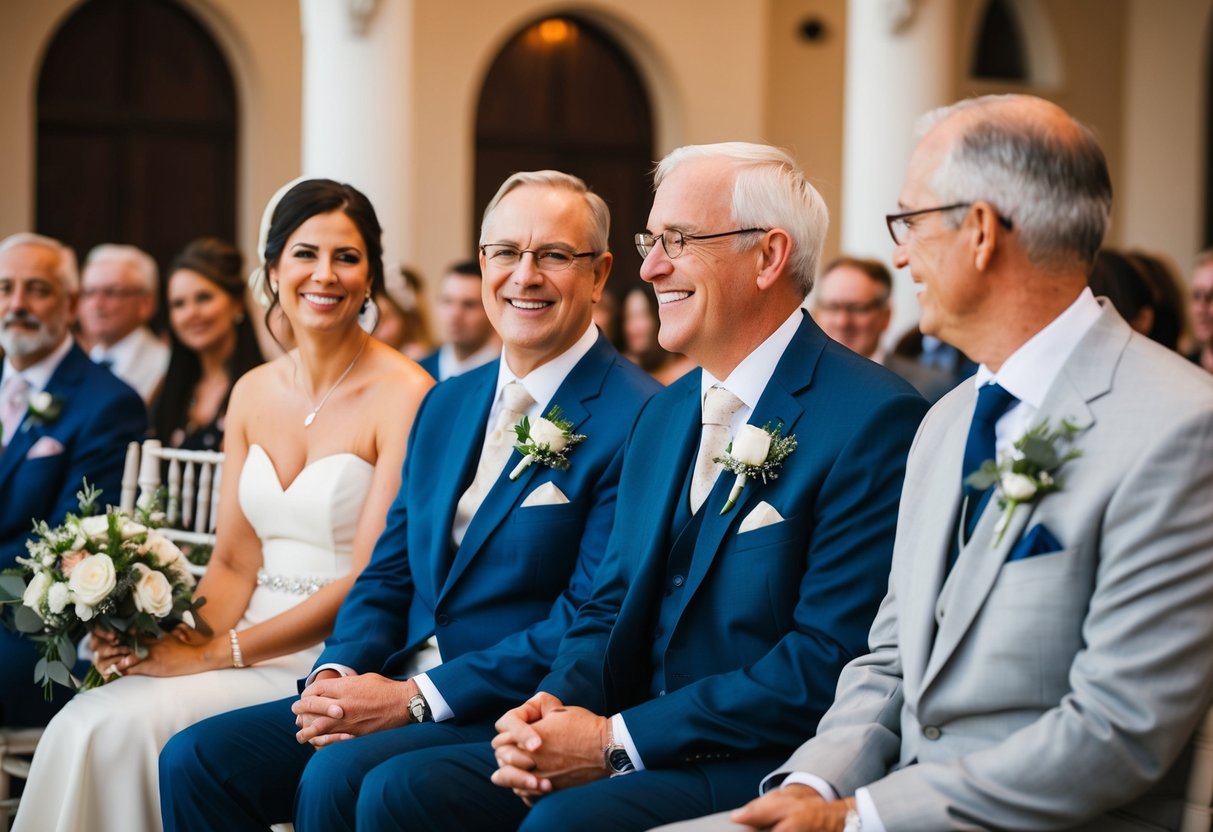
Seating parents together can make for a warm and inclusive environment, especially if everyone gets along. However, if there are tensions or complicated relationships, it might be better to seat them at separate tables. Finding the right balance can make your wedding day more enjoyable for everyone involved.
As you prepare for this special occasion, consider the personalities and relationships at play. Developing a thoughtful seating plan can help to avoid awkward moments and ensure that all guests feel comfortable and happy as they celebrate together.
Understanding Wedding Seating Etiquette

Wedding seating etiquette can play a big role in how the day flows and how comfortable everyone feels. Knowing where to place parents and other important guests can help create a welcoming atmosphere. Let’s explore the basics and how traditions are changing.
The Basics of Reception Seating
At a wedding reception, seating arrangements are meant to help guests enjoy the event. Usually, parents sit together, which honors both families. Parents are often placed at a central table near the couple, allowing for easy communication and participation.
Key Points:
- Parents typically have a prominent seat.
- Consider family dynamics when deciding seating.
- Creating a seating chart can help avoid confusion.
Be sure to account for relatives who get along and those who might not. Placing friends nearby can help ease any tension. A thoughtful seating chart can make a big difference.
Traditional Arrangements vs. Modern Trends
Traditionally, both sets of parents sit together, often at the head table. This can be a way to honor both families equally. However, modern weddings are breaking away from these customs.
Today, couples might choose to let parents sit with their friends. This can reflect their personalities and preferences better. For some, it’s more comfortable.
Things to Consider:
- Think about how your parents feel about sitting together.
- You can create a mix of traditional and modern styles.
- The most important thing is that everyone feels welcome.
In the end, seating choices should reflect your relationship with family and friends, making the event enjoyable for everyone.
Navigating Family Dynamics
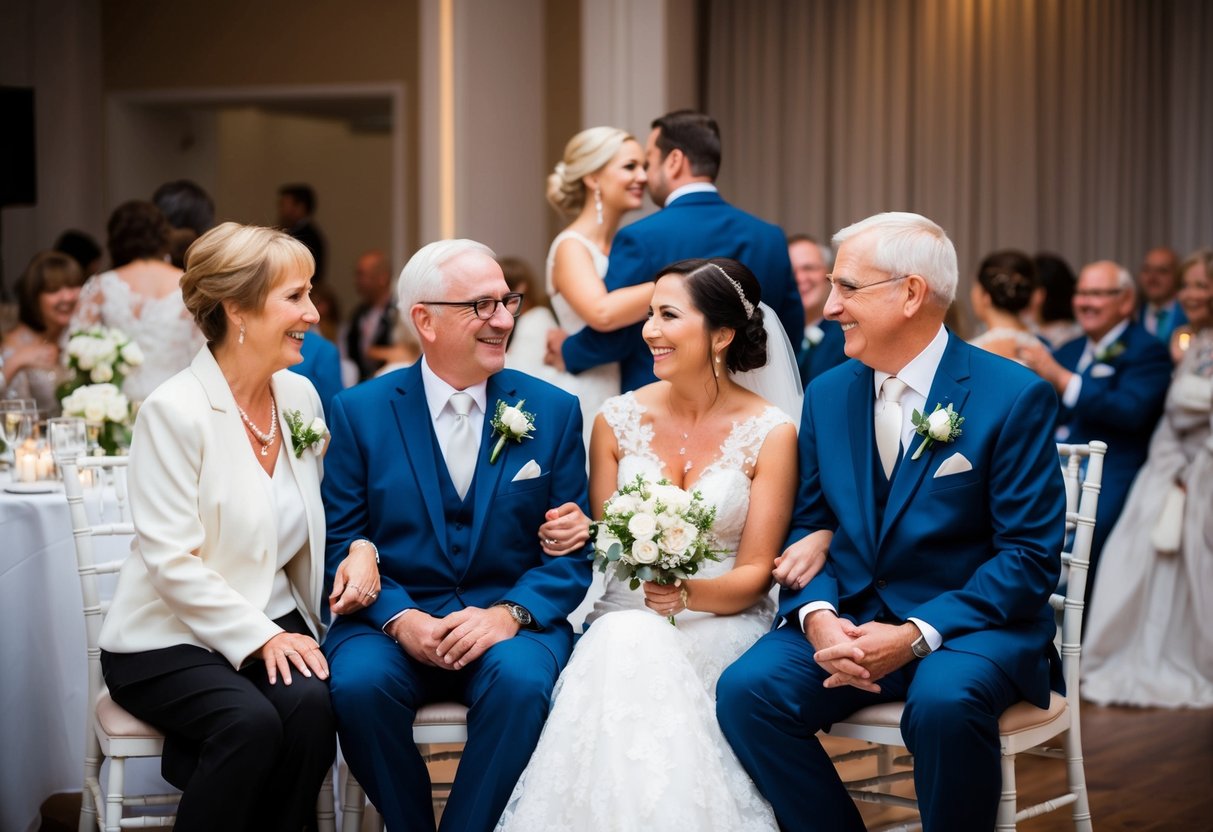
When planning your wedding, family dynamics can play a significant role in seating arrangements. Considering the relationships among parents, siblings, and children helps avoid awkwardness and ensures everyone feels included.
Dealing with Divorced Parents
Seating divorced parents can be challenging. You should communicate openly with each parent about their preferences and comfort levels.
Consider assigning them to tables that are close but not directly next to each other. This allows for connection without creating discomfort.
If there are children from the divorce or new partners involved, factor them into the seating plan. This thoughtful approach helps minimize tension and makes the day pleasant for all.
Involving Siblings and Extended Family
Your siblings and extended family members also need to be considered. They may have relationships with both sets of parents that affect where they want to sit.
You can create a family-friendly table for siblings, partners, and cousins who are close. This sets a comfortable environment while keeping the family connected.
For extended family, consider their relationship to the couples. If dynamics are strained, they may prefer to sit separately, which can be accommodated by placing them at different tables.
Accommodating Children and Young Kids
Children can add joy to any wedding but require specific attention when it comes to seating.
If kids are part of the guest list, creating a designated kids’ table is a good idea. This allows them to interact with peers while giving adults space to enjoy the celebration.
Make sure to consider the children’s age range. For younger kids, you can include activities or coloring books to keep them entertained.
By planning for their needs, you ensure everyone, including the littlest guests, has a great time.
Designing Your Seating Chart
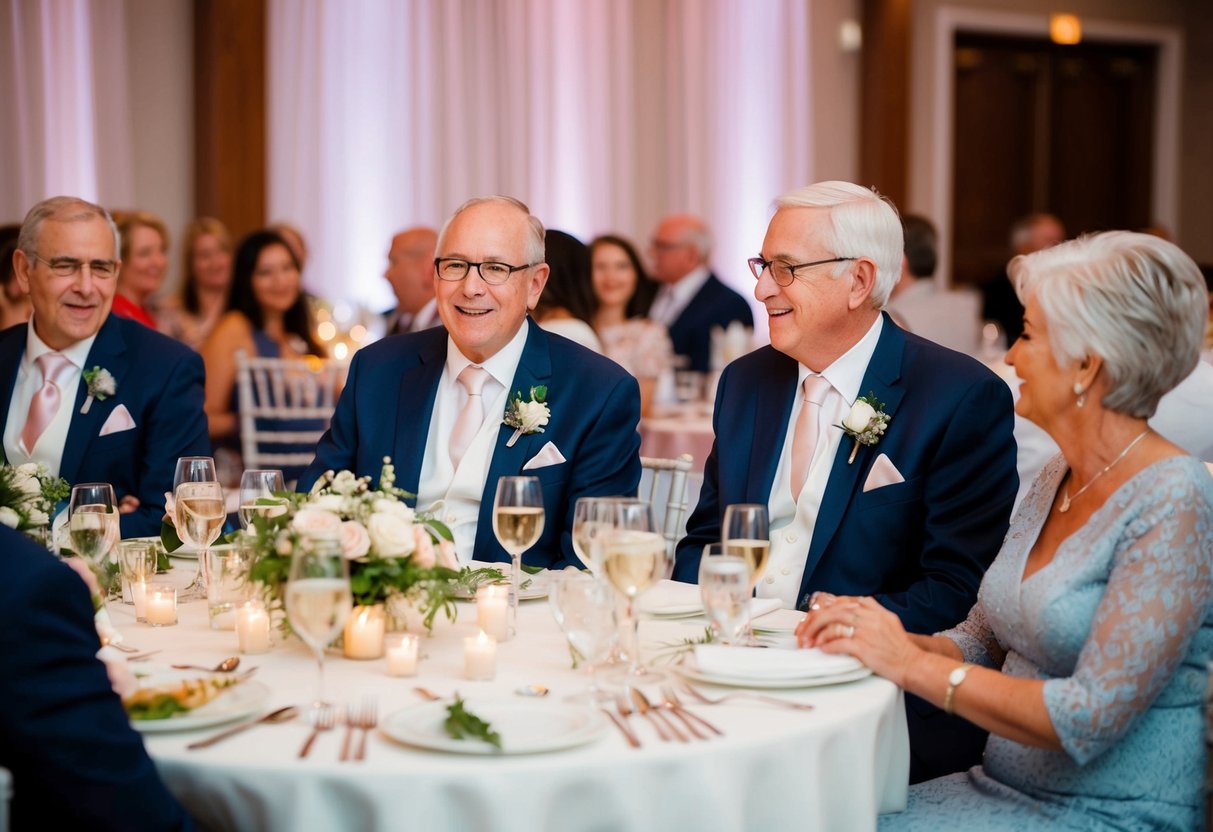
Creating your seating chart is an important step in planning your wedding reception. You’ll want to consider where to place your head table and how to accommodate your VIP guests and wedding party. Let’s dive into the details of making this process smooth and enjoyable.
Assigning the Head and Bridal Tables
The head table is usually where the couple sits, often accompanied by the bridal party. This table should be centrally located for the best view of the reception.
You can choose to have just the bride and groom, or include close friends and family members, like the maid of honor and groomsmen. If you decide on a longer bridal table, consider the flow of conversation and interaction among your tablemates.
When planning the seating chart, keep in mind that the layout will affect how people mingle. You could use a seating arrangement tool or software to visualize your floor plan easily. Make sure everyone in the bridal party feels comfortable and included while directing other guests to their assigned tables.
Planning for VIP Guests and Wedding Party
Your VIP guests deserve special seating. This often includes parents, grandparents, and close relatives. You may want to place the bride’s parents at the table alongside the groom’s parents to foster a sense of unity.
In addition to family, consider where to seat the wedding party. The maid of honor, best man, and other attendants should be nearby to celebrate and share this joyful moment. It’s also thoughtful to think about the ushers and ring bearers, placing them close to their families.
You can use place cards for this purpose. Clearly marked seats will help everyone find their assigned table without confusion. By carefully considering your VIP guests’ seating, you can create a warm atmosphere during the reception that encourages connection and celebration.
Final Considerations for a Seamless Celebration
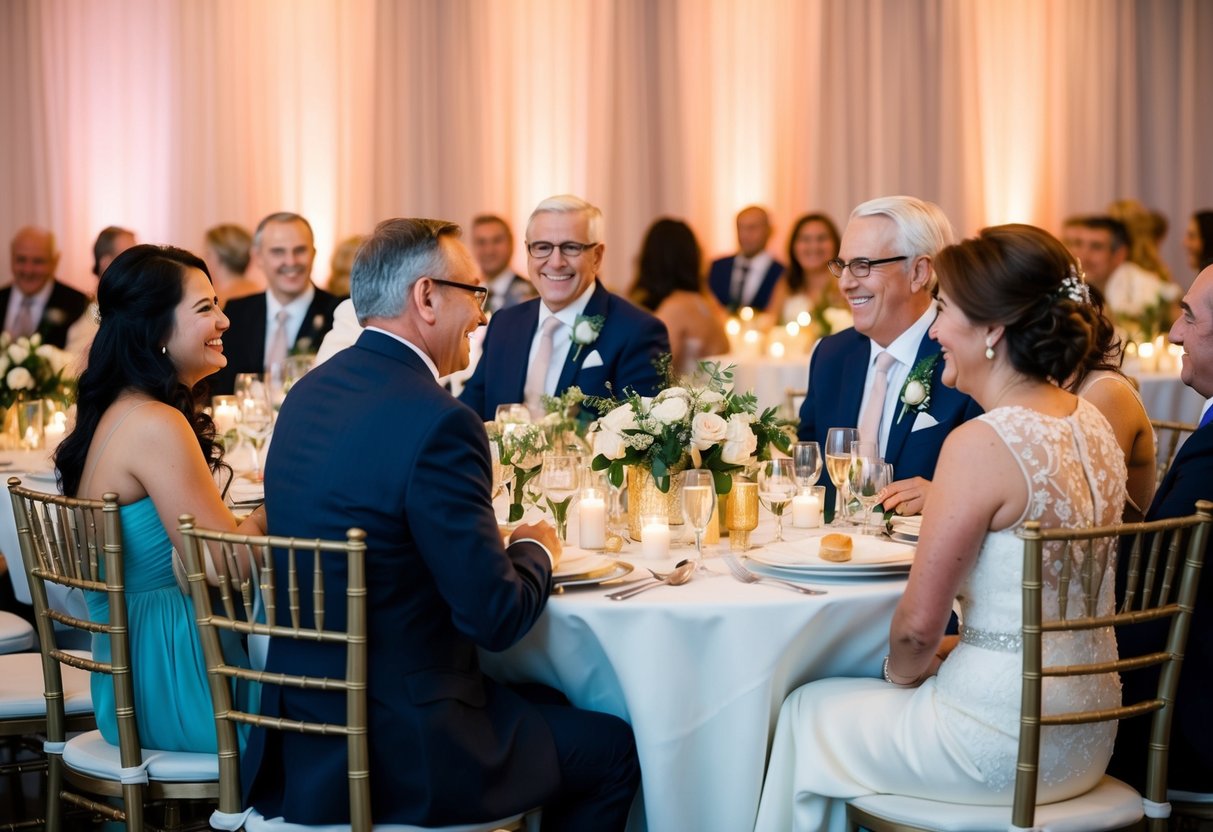
In planning a wedding, managing details like RSVPs and creating an inviting atmosphere ensures guests, including close family and friends, can enjoy the day. Thoughtful seating arrangements and considerations for mingling can make a big difference in your celebration.
Managing RSVPs and Last-Minute Changes
Effective RSVP management is key to a smooth wedding. Stay organized by using a spreadsheet to track responses, dietary preferences, and any plus-ones. This helps you adjust seating if necessary and avoid awkward moments on the big day.
Be ready for last-minute changes. Guests may cancel due to unforeseen events. Have a plan for who can fill empty seats, especially those next to grandparents or close relatives. This ensures everyone enjoys the celebration without feeling out of place.
Consider including a note about the seating arrangement in a farewell card you give guests. This encourages them to mingle with new friends, making groups like colleagues and friends feel comfortable together.
Creating a Comfortable Environment for Mingling
A friendly atmosphere encourages mingling among guests. Arrange seating to facilitate conversation.
For example, place friends near the dance floor so they can enjoy the festivities together.
Consider the dynamics of both families. If you are a same-sex couple, ensuring everyone is comfortable can help blend families.
Seat close relatives of each partner near one another, fostering interaction.
Utilize versatile spaces. A lounge area can give guests a break, while more intimate seating allows for deeper conversations.
Having seating available for grandparents can help them feel included without being overwhelmed.