
Do Bride and Groom Go on Seating Chart? Understanding Wedding Seating Arrangements
As you plan your wedding reception, figuring out the seating chart can feel like a big task. The bride and groom should definitely be included on the seating chart. You should seat them in the center to make it easy for guests to find them. This not only helps everyone know where to go but also creates a warm atmosphere as you celebrate with your friends and family.
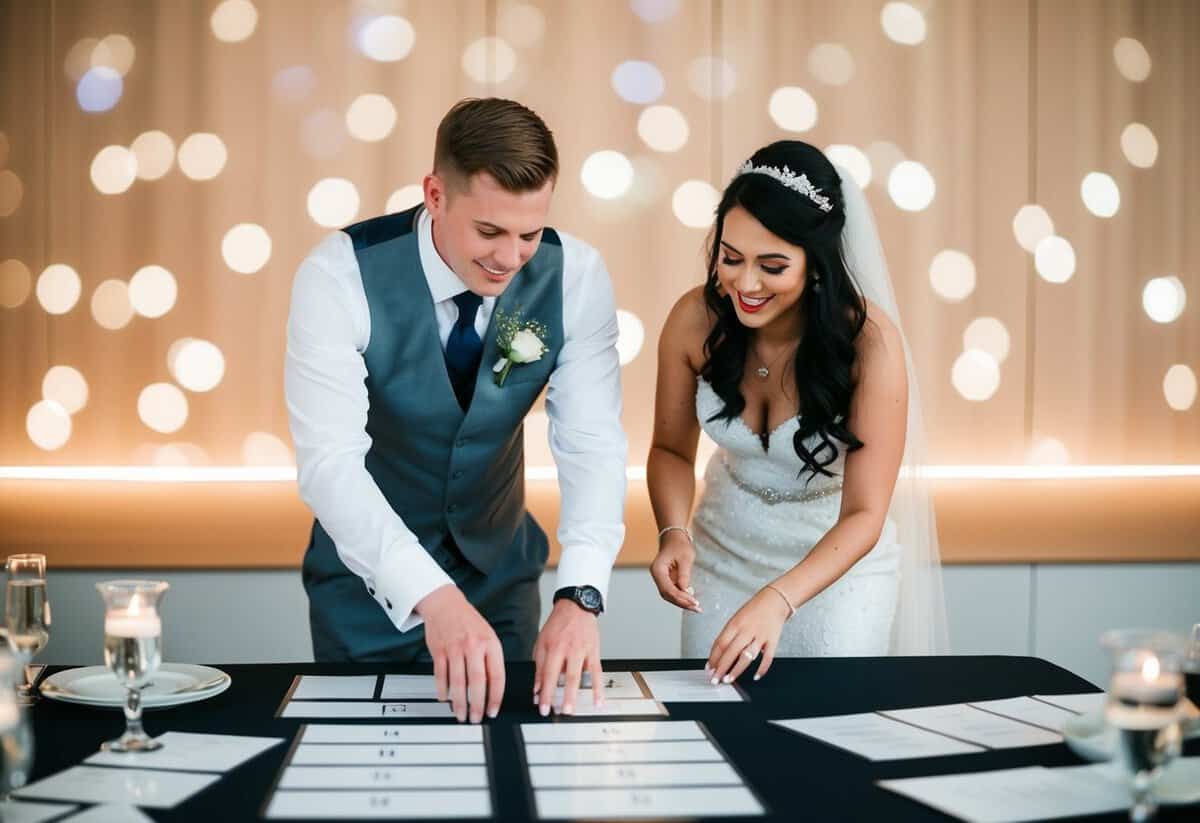
Including the couple in the seating chart allows the wedding to flow smoothly. It shows your guests who the main attractions are and helps guide them to their seats. When you arrange the seating wisely, you can enhance the social experience, making sure guests feel comfortable and connected.
Thinking about where to place everyone is just one fun part of your wedding planning. By taking the time to organize your seating chart well, you’re setting the stage for joyful moments during the celebration. Your attention to detail can make a big difference in how the day unfolds.
Understanding the Seating Chart
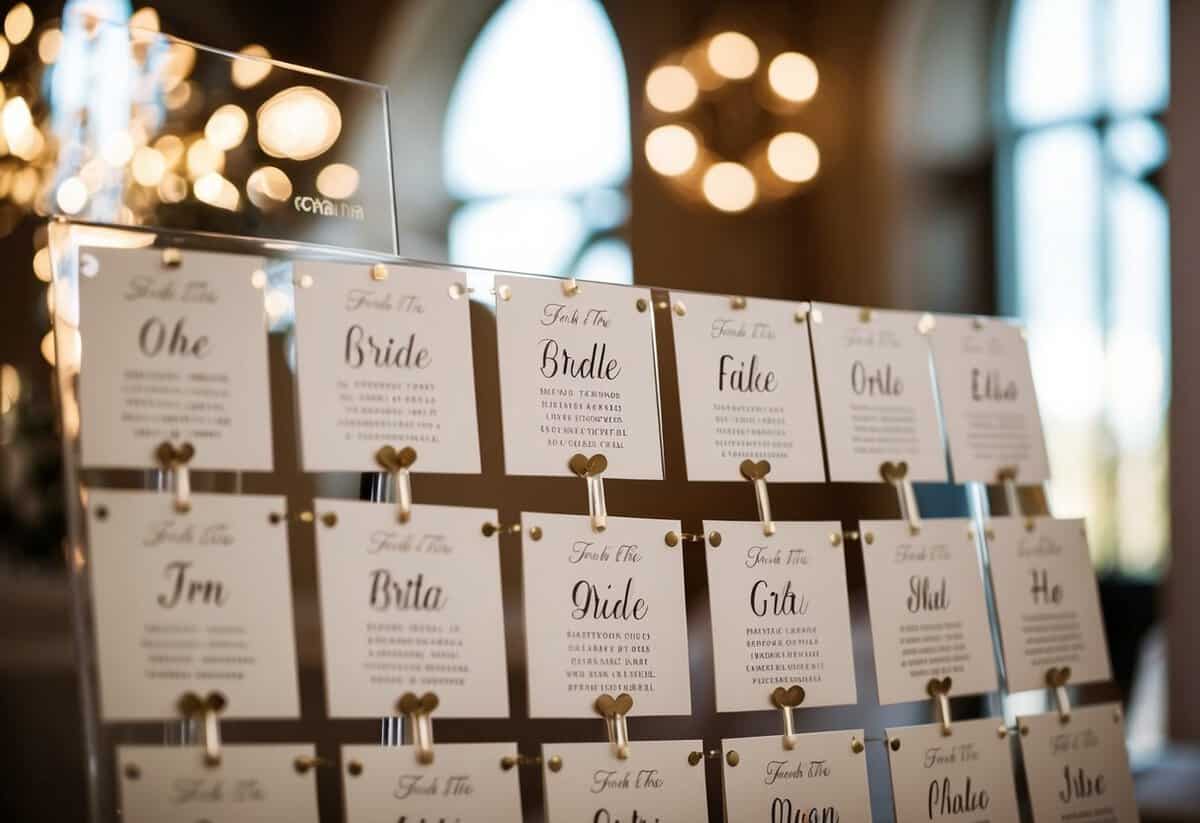
Creating a seating chart is essential for your wedding reception. It helps guests find their places easily and ensures a smooth flow of social interactions. It also allows you to consider relationships, interests, and comfort levels among your guests.
Types of Seating Charts
There are several types of seating charts you can choose from. The most popular are:
- Alphabetical Seating Chart: Guests are listed alphabetically, making it easy for them to locate their names quickly.
- Physical Seating Chart: This is a visual display at the venue that shows where each guest is seated, often created on a large board or poster.
- Table Assignment Chart: This type lists tables along with the names of guests assigned to each table, allowing you to organize seating arrangements by groups or family.
Deciding which type suits your wedding best will depend on your guest list size and the layout of your venue.
Significance of Seating Arrangements
The seating arrangement plays a crucial role in your wedding experience. It helps create a comfortable atmosphere for your guests. When planning, consider the following:
- Family Dynamics: Place family members who get along well together to minimize tension.
- Friend Groups: Seating friends together encourages fun conversation and enjoyment throughout the event.
- Accessibility: Ensure that older guests or those with mobility issues have easy access to their seats.
A thoughtful seating plan can greatly enhance your reception, making it more enjoyable for everyone involved.
Designing Your Wedding Reception Seating
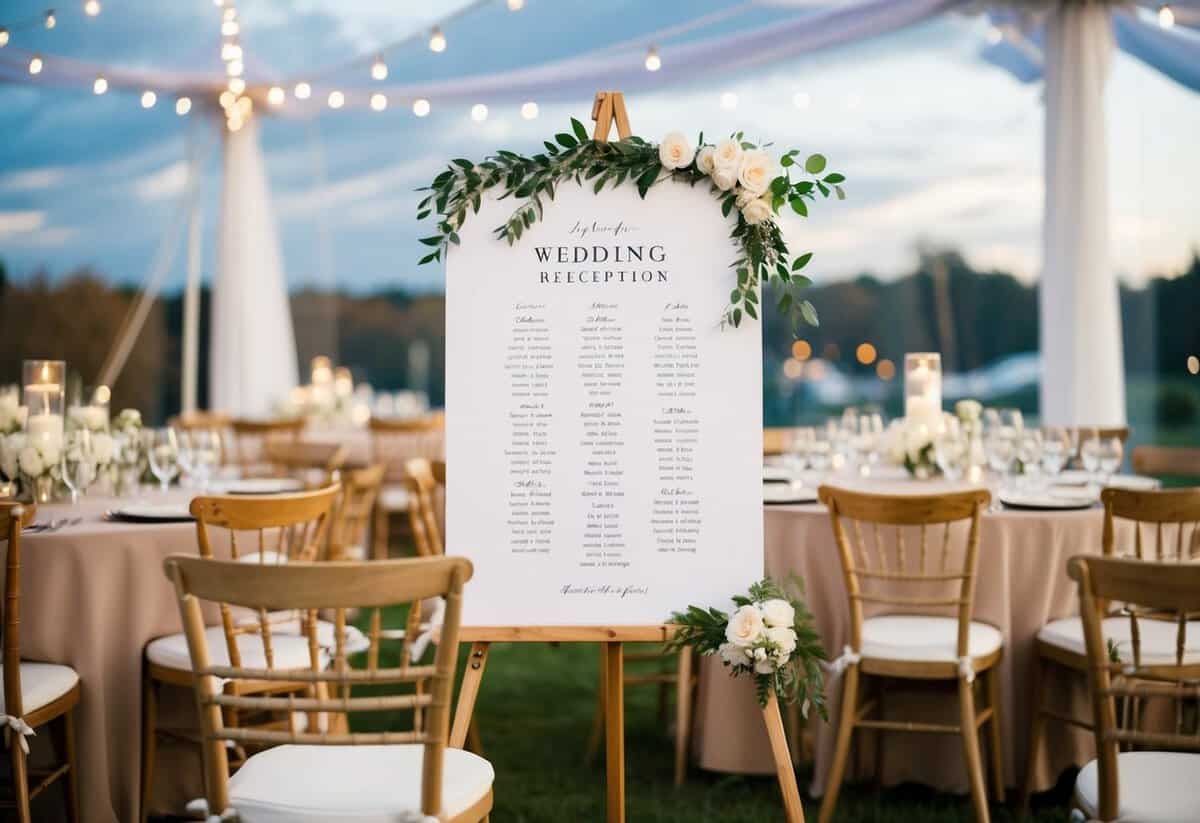
Creating a comfortable and inviting atmosphere at your wedding reception involves careful planning of your seating arrangements. From choosing the right table shapes to implementing practical seating chart tips, these details can make a big difference in guest experience.
Deciding on Table Shapes
When planning your reception, consider the table shapes available to you. Round tables are a popular choice as they encourage conversation and make it easier for guests to interact. They usually seat 8-10 people comfortably.
On the other hand, rectangular tables offer a more modern look and can fit well in various venues. They can be arranged in straight lines or creative patterns, depending on your layout.
You might also consider a mix of both types to add visual interest. Always keep your floor plan in mind to ensure adequate space for guests to move around comfortably. Think about your guest count and how best to utilize your space.
Seating Chart Tips
Creating a seating chart doesn’t have to be stressful. Start by listing your guests and understanding their relationships. This helps in grouping together friends and family who will enjoy sitting next to each other.
Next, make a table plan to visualize where each table will go. Assign names to tables and chair seats for clarity. Use labels, and don’t forget to add a legend for larger gatherings.
Additionally, display your seating chart in a clear and accessible spot. Using creative displays like vintage frames can add a personal touch. Remember, the goal is to create an enjoyable experience for everyone at your wedding!
Specific Seating Considerations
When planning your wedding seating chart, there are several important aspects to consider. You want to ensure that everyone feels comfortable and has a great time. Here are some specific seating considerations that can help you organize your reception effectively.
Placing the Wedding Party
The wedding party’s placement is a key decision. For a traditional setup, you may choose a head table that includes the couple, bridesmaids, and groomsmen. This table is often centrally located for easy visibility.
Alternatively, consider a sweetheart table just for you and your partner. This allows for a more intimate setting.
If you prefer a family table, gather immediate family members at one table, fostering connection and conversation. Make sure the wedding party’s seating promotes closeness and keeps your special group together.
Handling Divorced Parents
Divorced parents can create tricky seating situations. To handle this delicately, you can choose to seat them at separate tables. This provides space and comfort while still allowing them to be part of your day.
Alternatively, placing them at opposite ends of the family table can keep the peace. You could also include a neutral party, like a grandparent, to help balance the atmosphere.
Clear communication about seating preferences can help alleviate any tension and ensure everyone enjoys the celebration.
Creating a Kids’ Table
If children are part of your guest list, consider establishing a kids’ table. This can be a fun spot with child-friendly activities or crafts to keep them entertained.
When planning the kids’ table, include snacks and games to ensure they have a good time. It’s also a great way to allow parents some relief to socialize.
You might want to arrange the kids’ table close to their parents for easy access. This setup allows for supervision while still giving children their space to enjoy.
Finalizing and Displaying Your Seating Chart
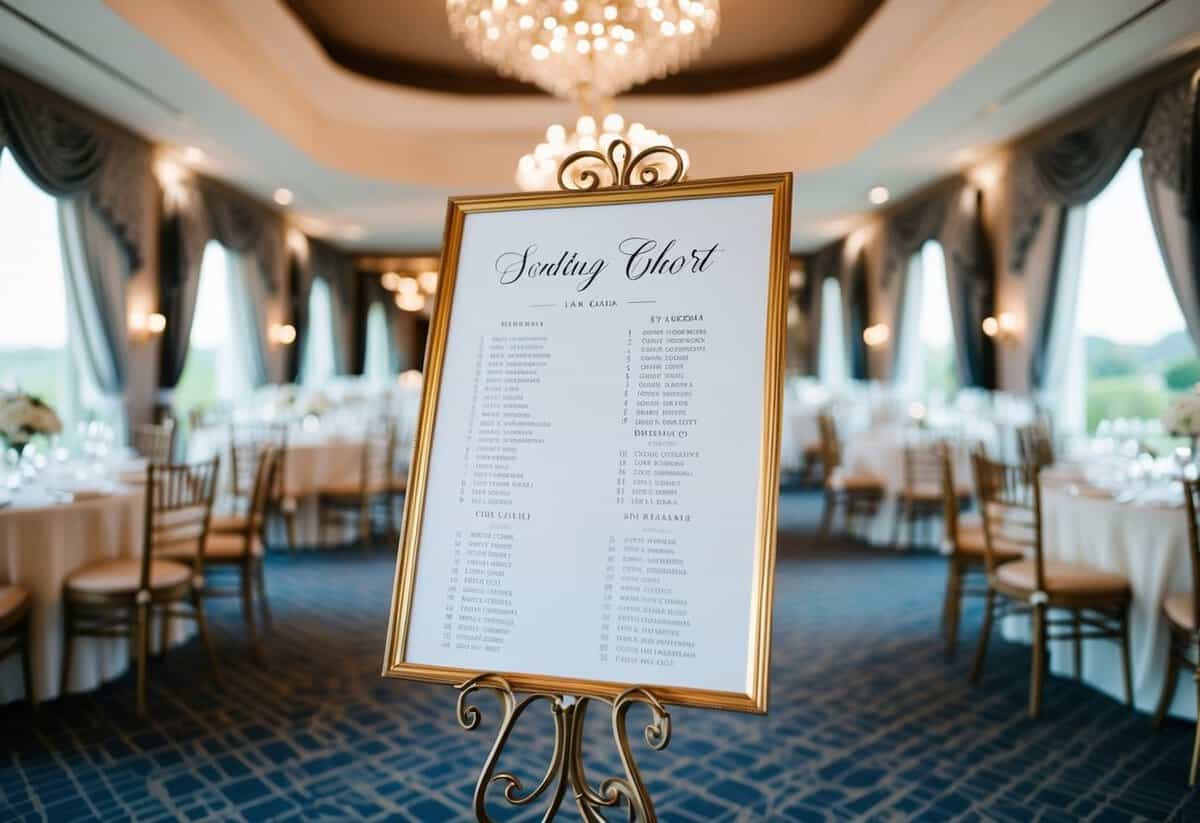
Once you have a draft of your seating chart, it’s time to finalize it and think about how to display it at your wedding reception. This process involves assigning your guests to seats and deciding if you want to work with a wedding planner for support.
Assigning Guests to Seats
Start by reviewing your guest list and guest count. You’ll want to ensure that everyone is placed appropriately. Think about seating arrangements that encourage good conversation and comfortable interactions.
Consider these steps:
- RSVP Tracking: Know who is coming to help you finalize your seating chart.
- Assigned Seating: Decide if you want to assign specific seats or just tables.
- Seating Etiquette: Place families and friends together, keeping in mind how well they interact.
Once you have made the assignments, create escort cards or table cards. Escort cards guide guests to their tables, while table cards indicate their specific seats. This adds a polished touch to your reception.
Working With a Wedding Planner
If you feel overwhelmed, consider partnering with a wedding planner. They can simplify the process of creating and displaying your seating chart.
Here’s how a planner can help:
- Expertise: They bring experience in seating etiquette and can provide valuable insights.
- Organization: A planner can help you manage your guest list and suggest the best seating arrangements.
- Display Ideas: They can create a beautiful display for your seating chart that fits your wedding theme.
This collaboration can save you stress and create a memorable experience for your guests. With a wedding planner, you can feel confident that all details are handled smoothly.