
Do Bride and Groom Hold Hands During a Wedding Ceremony? Exploring the Tradition
When you think about your wedding day, images of love and commitment fill your mind. One question you might have is whether the bride and groom hold hands during the ceremony. Yes, holding hands during the wedding ceremony is a beautiful and natural gesture. It symbolizes your connection and support for one another as you take this important step together.
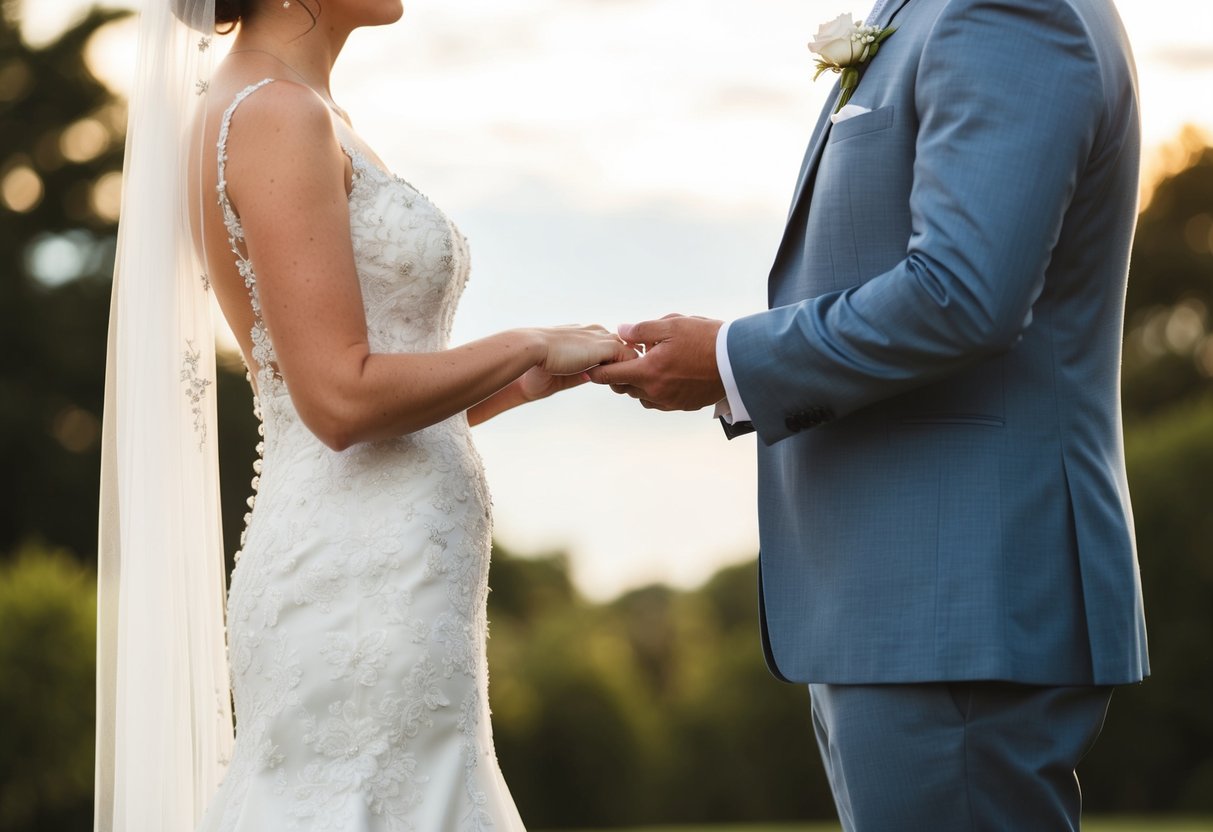
As you stand facing each other, holding hands can help calm your nerves and create an intimate bond in front of your guests. This simple act expresses the deep love you share and enhances the emotional atmosphere of your special moment. Whether it’s during the exchange of vows or while sharing a meaningful ritual, holding hands can make the experience even more memorable.
Exploring the significance of this touch can add depth to your wedding ceremony. So, as you think about your own plans, consider how hand-holding can reflect your commitment to each other on this special day.
The Significance of Holding Hands
Holding hands during a wedding ceremony is more than just a romantic gesture. It represents unity, love, and commitment between you and your partner. This simple act can create a strong connection and set a deep emotional tone for your special day.
Symbolism in the Wedding Ceremony
When you hold hands during the ceremony, it symbolizes your bond and mutual support. This act reminds everyone present of your commitment to each other.
Many cultures see hand-holding as a sign of love and partnership. It visually represents your journey as a couple, allowing you to share this significant moment with your guests. The physical connection can also help ease your nerves, making the ceremony feel more personal and intimate.
Holding hands is like saying, “We are in this together.” It sets the stage for a meaningful exchange of vows, reinforcing your alliance.
Hand-Holding Traditions
Traditions around hand-holding in wedding ceremonies vary across cultures but often share common themes of unity and love. In some customs, such as the Celtic practice of handfasting, couples tie their hands together. This act represents the joining of lives and families.
Another common tradition involves the couple holding hands at the altar. This is a visual reminder of your commitment to each other and allows you to connect fully during the vows.
Emphasizing the importance of holding hands can enrich your ceremony. It serves not only as a comforting gesture but also as a powerful symbol of the love you share.
Key Moments for Bride and Groom Interaction
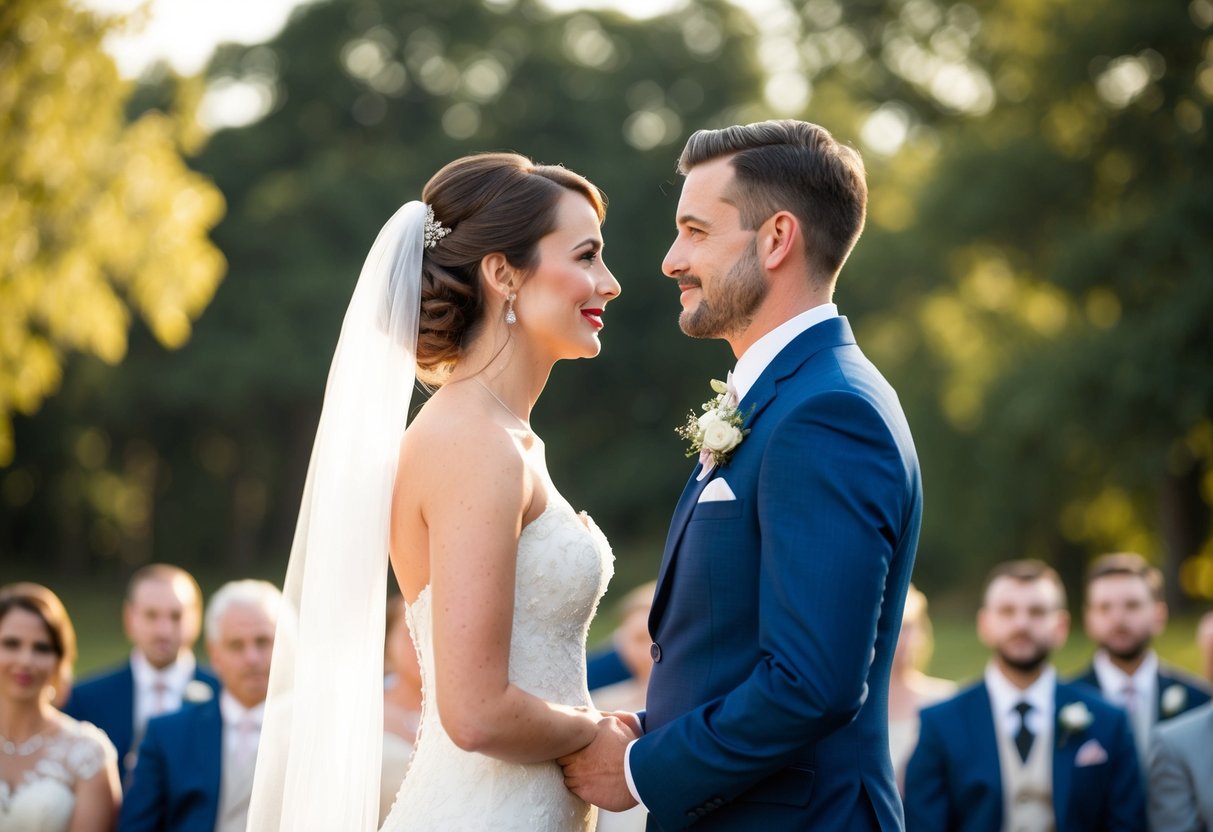
During the wedding ceremony, there are special moments where you, as a couple, can connect with each other. These key interactions highlight your love and commitment. Let’s explore these moments in detail.
Exchange of Vows
The exchange of vows is one of the most meaningful parts of your wedding. Here, you express your love and promises to each other. As you stand facing each other, it’s common to hold hands at the altar, which enhances the emotional connection.
Your vows can be traditional or personal. If you choose to write your own, make sure they reflect your relationship. Feeling nervous is normal, but holding hands can help calm those jitters. This moment is about sharing your hearts openly.
Ring Exchange
The ring exchange is another vital moment in your ceremony. It symbolizes your commitment and love. As you hand each other the wedding rings, you may choose to hold hands. This act emphasizes unity.
Make sure your rings fit properly; this is key! A best man or maid of honor often helps with the rings to ensure a smooth process. Remember, the ring exchange not only shows your love but also the promise of forever.
Unity Ceremony
In a unity ceremony, you both make a symbolic gesture to represent your union. There are many ideas for this, such as lighting a unity candle or pouring sand together. Each option allows you to physically show your bond.
Holding hands during this moment can deepen the connection you share. This part of the ceremony adds a personal touch and is often cherished by guests. It signifies that you’re joining your lives as one.
First Kiss
The first kiss marks the end of the ceremony and the beginning of your life together. After saying your vows and exchanging rings, leaning in for a kiss is a magical moment. You might hold hands as you share this kiss, creating an intimate atmosphere.
This moment is often anticipated by guests, so don’t worry if you feel a bit nervous. Take a deep breath and enjoy this celebration of love. It’s a beautiful way to conclude the ceremony and start your new journey together.
Roles and Responsibilities in a Wedding
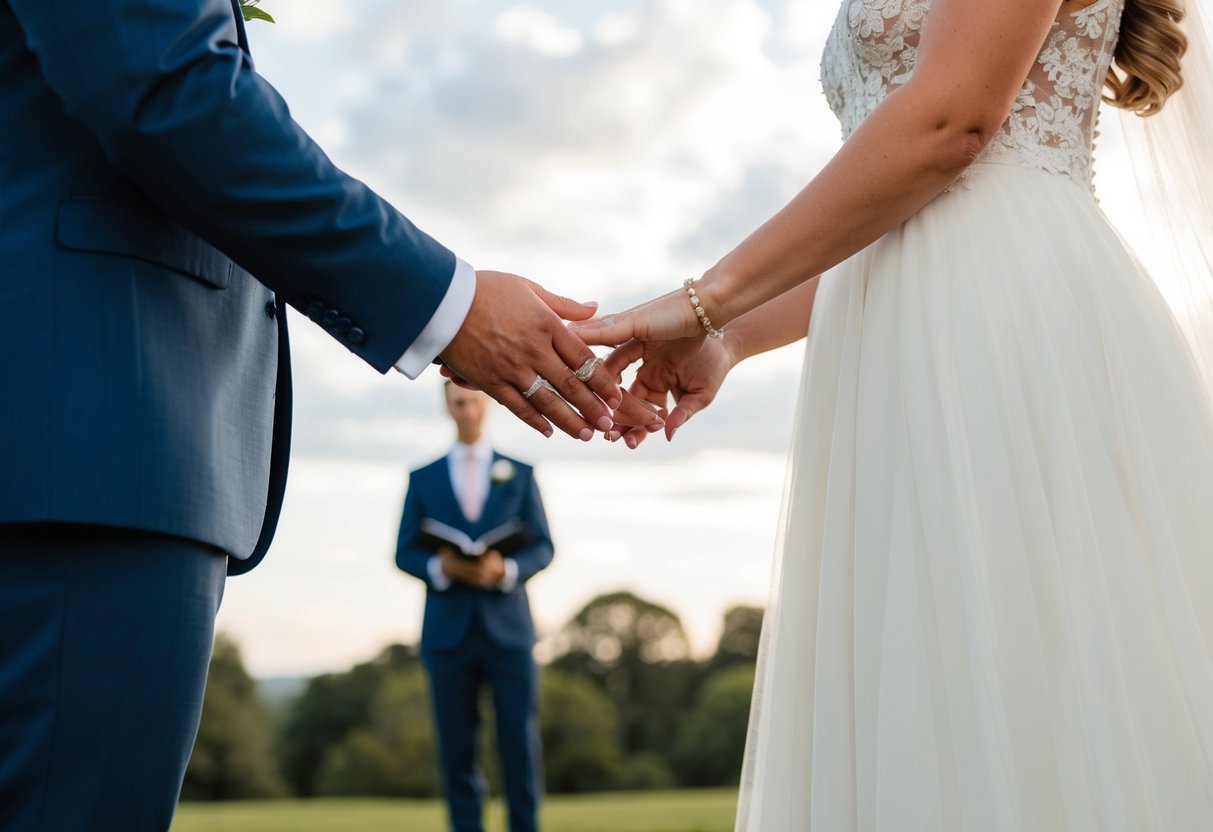
Weddings involve many important roles that help the day run smoothly. Each participant has specific tasks that contribute to the ceremony and celebration. Knowing these roles will make it easier for you to understand everyone’s part.
Wedding Party Participants
The wedding party includes several key people. Bridesmaids support the bride, helping with planning and day-of logistics. Each bridesmaid usually wears similar dresses that match the wedding theme.
Groomsmen have similar responsibilities for the groom. They assist with planning and may organize the bachelor party.
You will also have special roles like the ring bearer who brings the rings, and the flower girl who adds a sweet touch by scattering flower petals down the aisle. Each member helps create a joyful atmosphere.
Ceremonial Processional Order
The processional order sets the stage for the ceremony. Typically, it starts with the officiant walking in first, followed by the groomsmen and bridesmaids.
After them, the flower girl and ring bearer walk down the aisle. Finally, the bride makes her entrance, often escorted by a family member.
This order adds to the drama and joy of the moment. Each role is vital, making the ceremony meaningful for everyone involved, especially your guests.
Finalizing the Wedding Plan
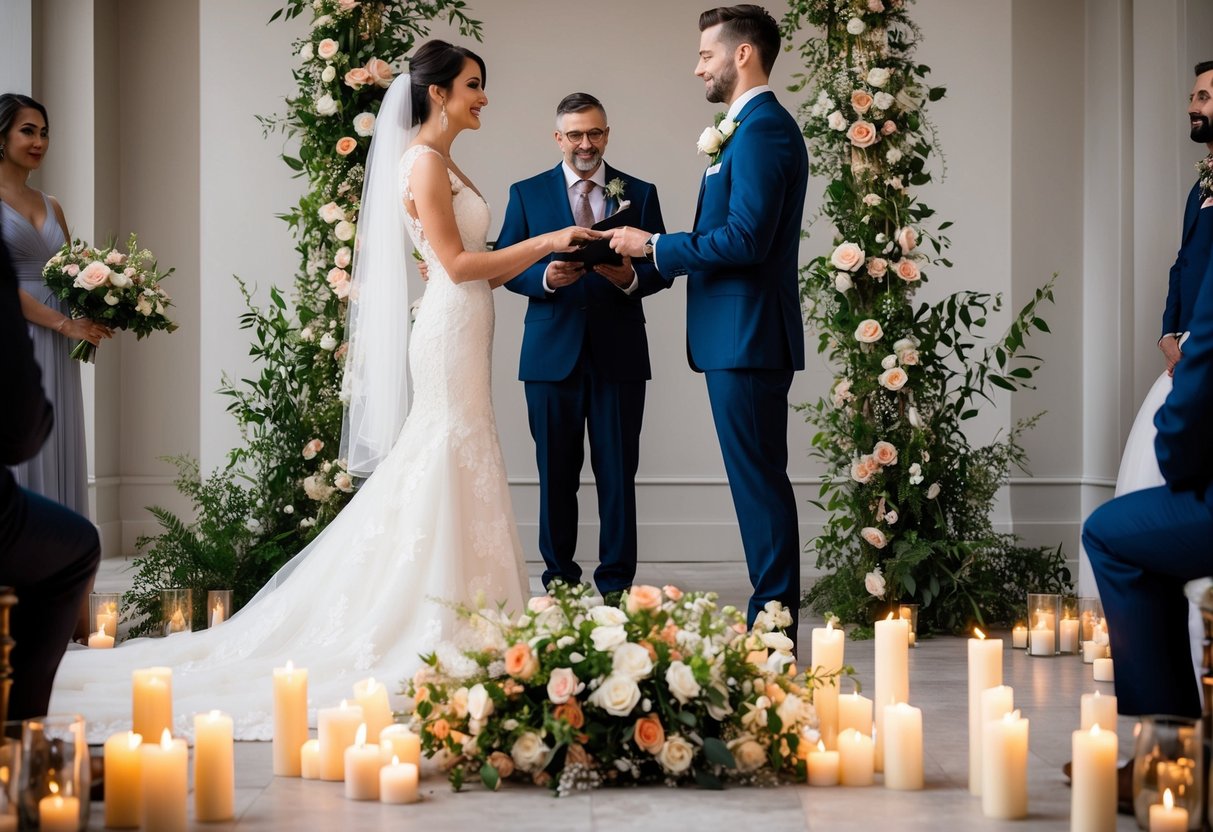
As you get closer to your big day, it’s essential to focus on the crucial details of your ceremony and make sure everything runs smoothly. This involves planning the ceremony specifics and coordinating with your wedding planner or team.
Planning the Ceremony Details
Start by deciding how you want the ceremony to flow. Will you hold hands during the vows? This may help create a moment of connection between you and your partner.
Think about incorporating traditional elements such as a receiving line or bouquet toss, which many guests enjoy. You can choose to personalize your ceremony by adding unique readings or music. Discuss these ideas with your wedding planner to ensure they fit within your wedding customs and overall theme.
Don’t forget to keep a checklist of items that need to be addressed, like the floral arrangements, seating chart, and décor. Confirm that your bouquet is ready and coordinate with the florist on delivery times.
Rehearsal and Coordination
A rehearsal is a vital step, providing everyone involved a chance to understand their roles.
Schedule a time for your wedding party to practice walking down the aisle and other key moments. This way, everyone knows what to expect on the big day.
Your wedding planner can help facilitate this practice, ensuring all traditions and customs are properly followed.
Consider assigning someone to manage the timeline, so you can focus on enjoying your day.
Lastly, don’t forget to communicate any final thoughts with your team. This includes confirming music selections and other crucial details that will set the tone for your special day.