
Do Bride and Groom Share Vows Before a Wedding? Exploring the Tradition and Expectations
When planning your wedding, one big question that often comes up is whether you and your partner should share your vows before the ceremony. Many couples choose to exchange private vows before their wedding. This allows for a meaningful moment that expresses their commitment and love. This intimate sharing can deepen the symbolism of your vows when you say them in front of family and friends at the ceremony.
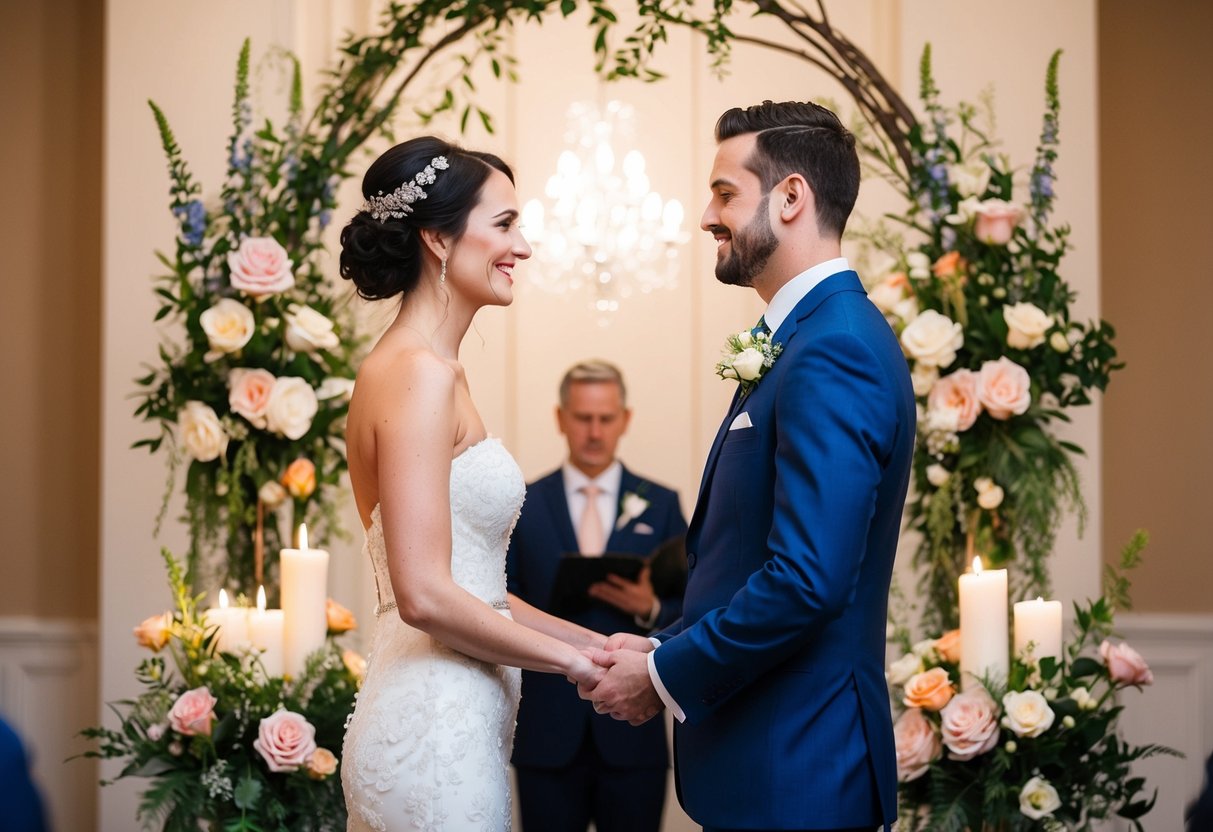
Sharing vows privately can create a special bond just for the two of you. It offers an opportunity to express feelings that you may want to say without an audience, making the moment even more personal. Some couples feel this helps to ease any nerves before the more public exchange of vows, making the entire experience richer.
Ultimately, the decision to share vows before your wedding is a personal choice. You can take this tradition and make it your own in a way that feels right for both of you. Whether you choose to share them quietly together or wait for the altar, what matters most is that your vows reflect your commitment to each other.
The Role of Vows in a Wedding Ceremony
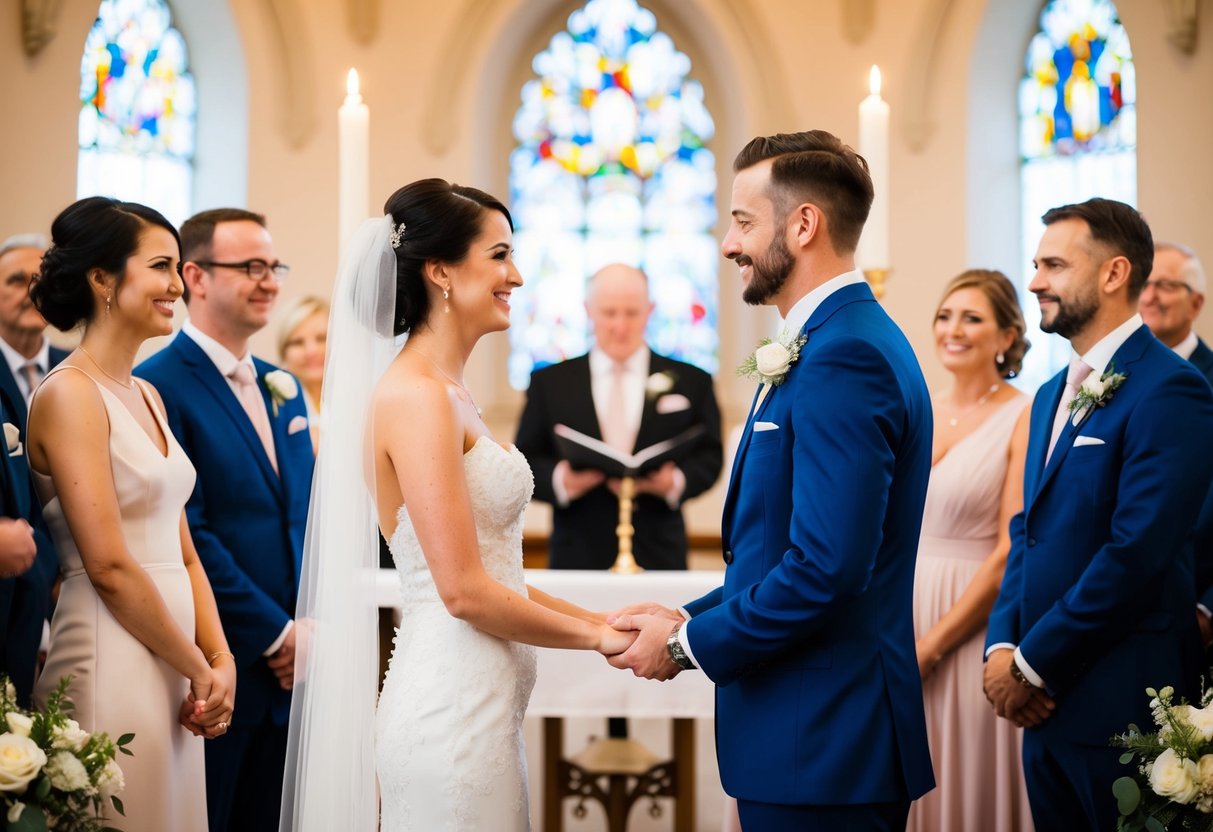
Vows are a central part of your wedding ceremony, serving as a deeply meaningful exchange between partners. They symbolize your commitment and love, outlining the promises you make to each other. This section explores the significance of vows, the traditional order of their exchange, and how modern ceremonies may vary.
Understanding Wedding Vows
Wedding vows are personal promises that you make to your partner during the ceremony. They usually express your love, commitment, and hopes for the future together. Many couples choose to personalize their vows, making them unique reflections of their relationship.
In various cultures, vows can include specific commitments known as the “seven promises of marriage.” These promises often emphasize loyalty, support, and partnership. The emotional weight of your vows helps create a strong bond, not just between you and your partner, but also with your family and friends who witness this beautiful moment.
Traditional Order of Vows
In many traditional wedding ceremonies, the groom typically says his vows first, followed by the bride. This order has cultural roots, often reflecting gender roles and customs.
You might find that some couples choose to switch it up, allowing the bride to go first, especially in more modern ceremonies. This change can symbolize equality in your partnership. Your wedding planner can help navigate these decisions, ensuring the order aligns with your personal beliefs and cultural traditions.
Variations in Modern Ceremonies
Today, there’s a growing trend toward personalization in ceremonies. Many couples opt for unique ways to express their vows, infusing elements that reflect their shared experiences and values.
For instance, some ceremonies may include a unity ceremony to visualize the bond you’re forming. This could be a candle-lighting or sand ceremony. These moments can enhance the vow exchange, adding depth to the ceremony while reinforcing your commitment as partners.
With the rise of non-traditional ceremonies, the flexibility around the vow exchange allows you to create a heartfelt and memorable experience for you and your guests.
Navigating the Order and Exchange of Vows
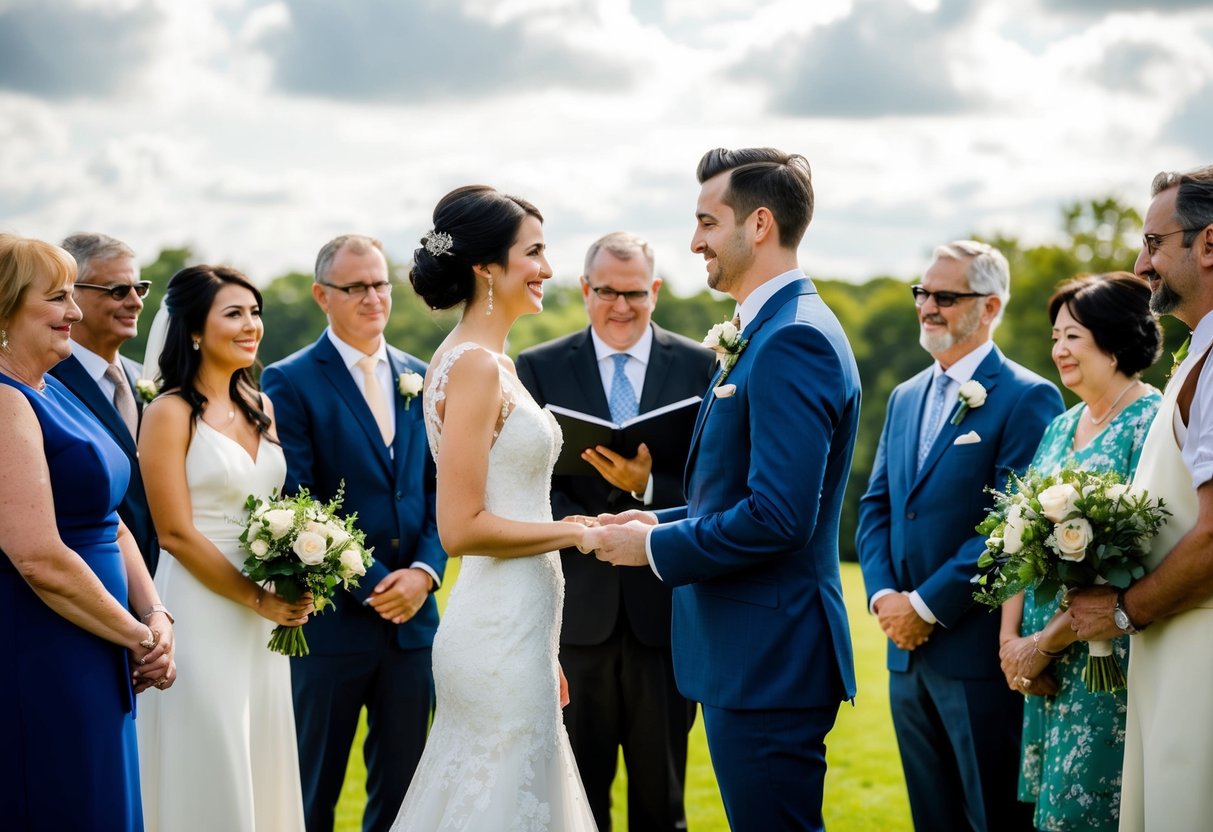
Understanding how to navigate the order and exchange of vows is vital for your wedding ceremony. You have options that can reflect your personal preferences and relationship dynamics, allowing for a meaningful experience.
Who Says Vows First
Traditionally, the groom says his vows first in most wedding ceremonies. This practice has roots in historical customs where men were often seen as the heads of households.
However, in today’s world, many couples choose to shift away from this tradition. It’s important to note that there are no set rules for the order of vows. You can discuss with your partner how you both feel about this aspect. If personal preference leans toward equality, you might decide to take turns or have a shared moment. In same-sex couples, it is common to exchange vows simultaneously or follow whichever order feels right.
Personalizing the Vow Exchange
Personalizing your vow exchange can make your ceremony feel unique and special. While many couples may choose to use traditional vows, adding personal vows can enhance the emotional connection.
Consider writing down promises or reflections about your relationship. This can help convey your feelings in a way that resonates deeply with your partner. If you are both comfortable, sharing these personal vows before your wedding day can build excitement. Think about what significance you want the vows to hold.
You could even include moments from your journey together. This flexibility allows you to express your love in a manner that honors your relationship.
The Role of the Officiant
Your wedding officiant plays a crucial role in guiding the vow exchange. They set the tone and help facilitate the ceremony. It’s important to communicate with your officiant about how you want the vows to be presented.
Whether they will speak the vows for you to repeat or allow you to recite them freely can impact the flow of the ceremony. Discuss the significance of what your vows represent. An officiant who understands your vision can help ensure that the moment feels genuine.
You might also want to involve them in discussions about the order of vows and any personalized elements. This collaboration can enhance both the formality and personal touch of your wedding.
Incorporating Symbolism and Significance
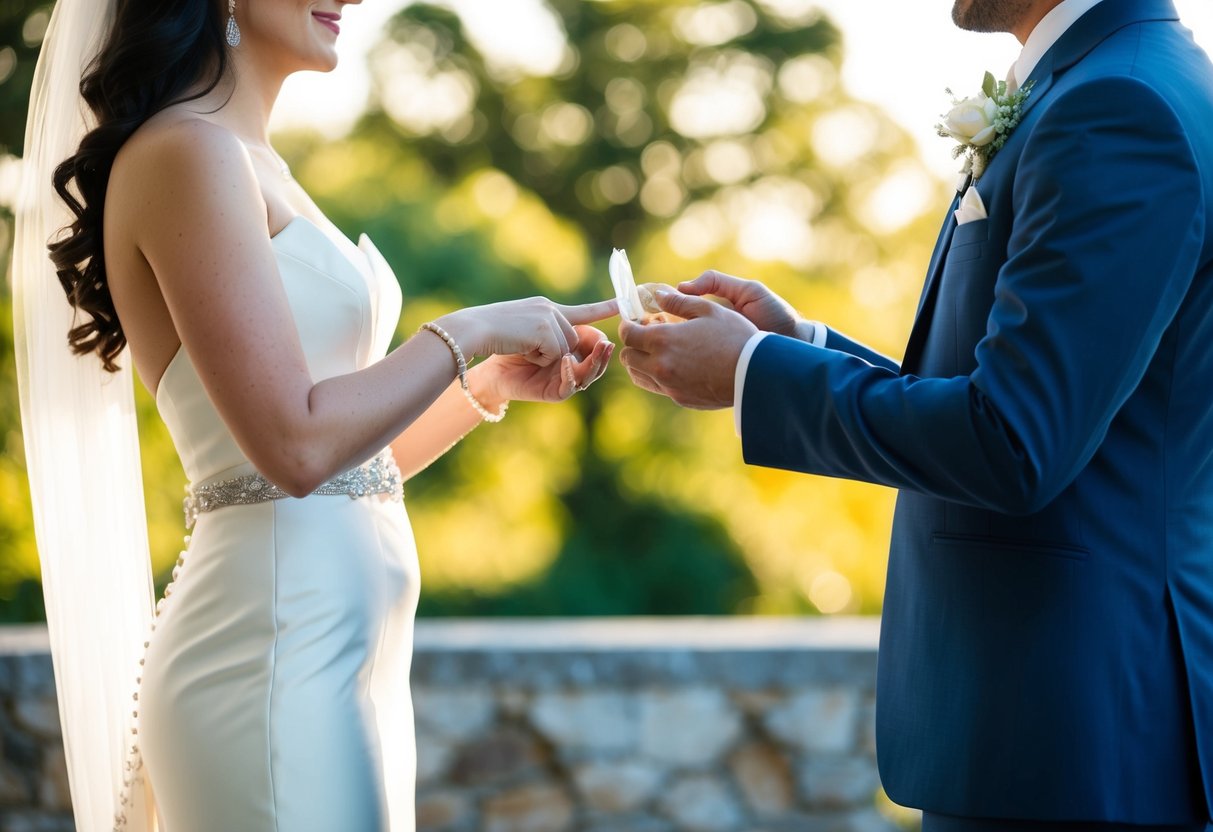
Incorporating symbolism into your wedding can add depth and meaning to your special day. This can be seen through the exchange of rings and vows. Each element carries its own significance, allowing you to express your love in a personal and heartfelt way.
Ring and Vow Exchange
The ring exchange is one of the most important parts of the wedding ceremony. Wedding rings symbolize your eternal commitment to each other. When you place the ring on your partner’s finger, it represents the promises you make. It’s a beautiful moment filled with emotion.
Traditional wedding vows hold a deep meaning, often highlighting love, fidelity, and support. These meaningful promises serve as a foundation for your future together. For example, in Christian wedding vows, phrases like “till death do us part” emphasize lifelong dedication.
As you exchange vows, consider adding personal touches. This can transform traditional vows into something that reflects your unique relationship. Whether it’s a meaningful quote or a shared memory, these details can enhance the significance of your ceremony.
Cultural and Personal Touches
Many couples choose to convey their backgrounds through cultural elements. Incorporating cultural traditions can make the ceremony feel special and inclusive. For example, some may choose to include a ritual that represents their heritage.
You might also opt for an intimate wedding celebration, such as an elopement or a micro-wedding. In these settings, focusing on meaningful symbols can deepen your connection.
Personal vows can express your feelings in a way that resonates with you both, making the day even more memorable.
Consider adding elements like handfasting or a unity candle. These traditions symbolize the joining of two lives in a unique way.
Ultimately, find symbols that hold personal significance for you and your partner. This will make your ceremony truly one-of-a-kind.