
Do Brides Have to Wear a Dress? Exploring Modern Wedding Trends
Your wedding day is a special moment, and it’s completely understandable to want your outfit to reflect your personality and style. Many women are choosing alternative outfits that feel more true to who they are. Whether it’s a chic bridal suit, a colorful ensemble, or something completely unique, the options are endless.
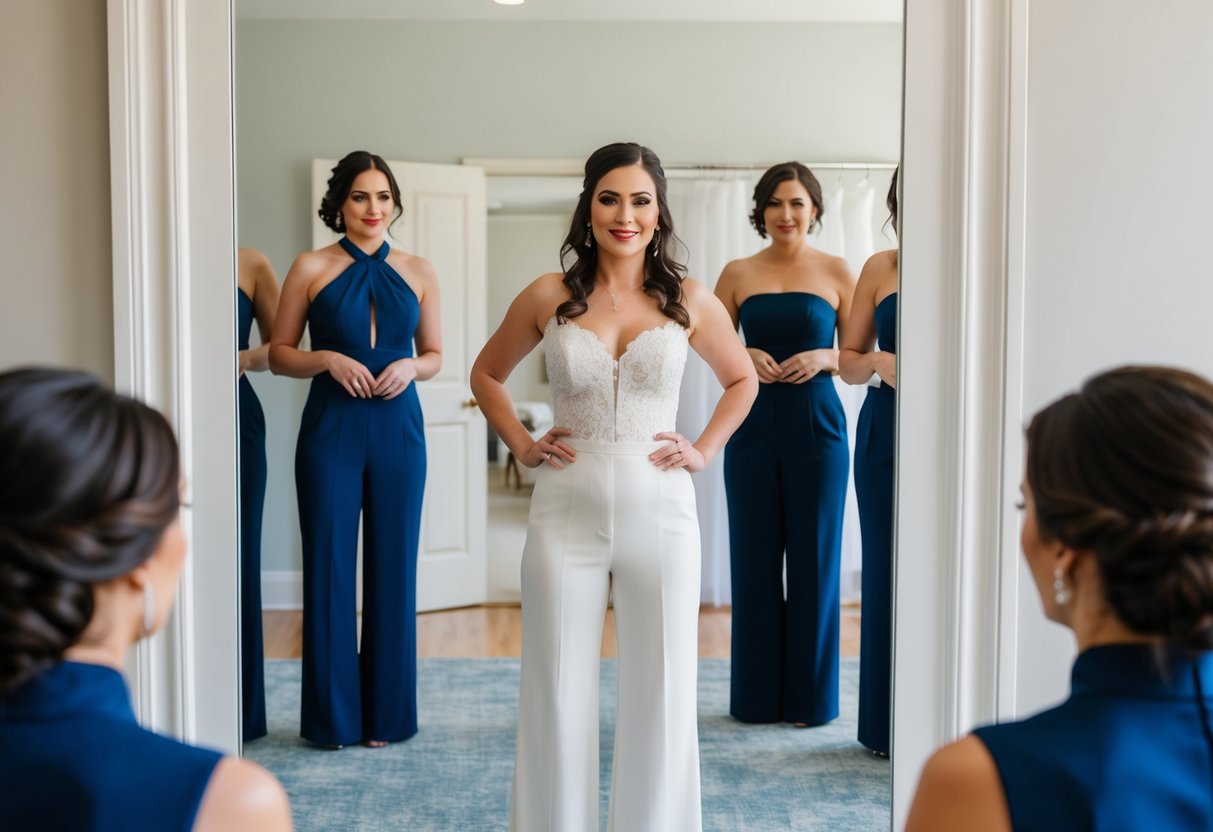
More and more brides are breaking traditional norms, which makes this the perfect time to explore your choices. Each culture and individual brings something different to wedding fashion, allowing you to express your individuality. From soft pastels to bold patterns, the freedom to choose is at your fingertips.
If you’re curious about what styles are trending and how other brides have paved their own paths, you’re in the right place. This post will guide you through various options that can inspire your wedding day look.
Exploring Bridal Attire Options
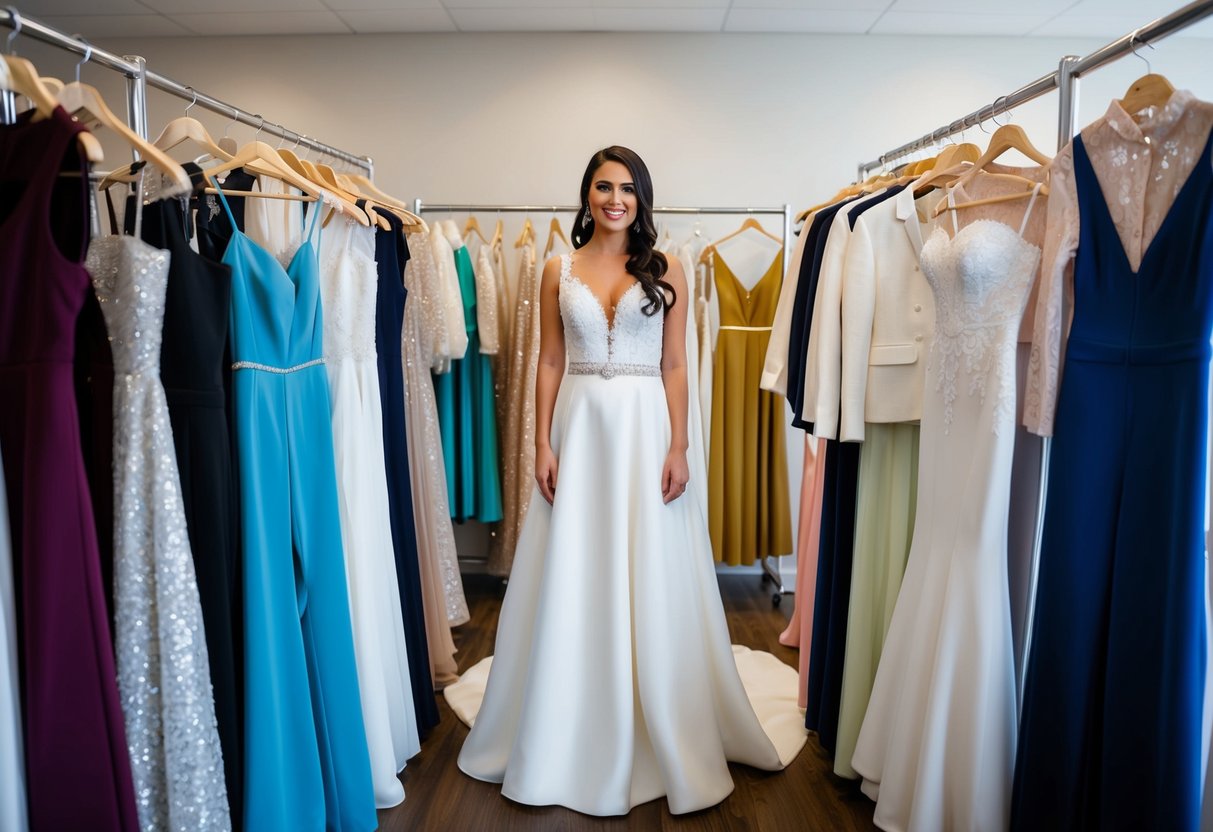
When it comes to your wedding day attire, you have many choices beyond the classic wedding dress. There are non-dress alternatives and cultural variations that can help you create your perfect bridal look while reflecting your personal style.
Non-Dress Alternatives for Brides
You don’t have to limit yourself to a traditional wedding dress. Many brides are embracing non-dress alternatives that are stylish and can make a statement. Consider options like tailored suits, elegant jumpsuits, or chic separates.
These outfits can provide comfort and versatility. For example, a tailored blazer paired with stylish trousers can be just as stunning as a dress. You might even opt for a beautiful cocktail dress, which can work well for both the wedding and future occasions.
Choosing non-traditional attire allows you to express yourself uniquely. Plus, these options may often save you money while offering a memorable wedding day look.
Cultural Variations in Bridal Wear
Bridal attire often varies greatly across cultures. In many cultures, brides wear clothing that signifies their heritage. In India, for example, brides traditionally wear vibrant sarees or lehengas made with intricate designs.
In contrast, in certain Western cultures, brides might wear white dresses, but many are now opting for colorful gowns or non-traditional outfits. Each choice tells a story about your background and values.
Understanding these cultural aspects can inspire you to choose attire that resonates with your identity. It’s not just about fitting a mold; it’s about making your wedding day a true reflection of you.
Decision Factors for Bridal Outfits
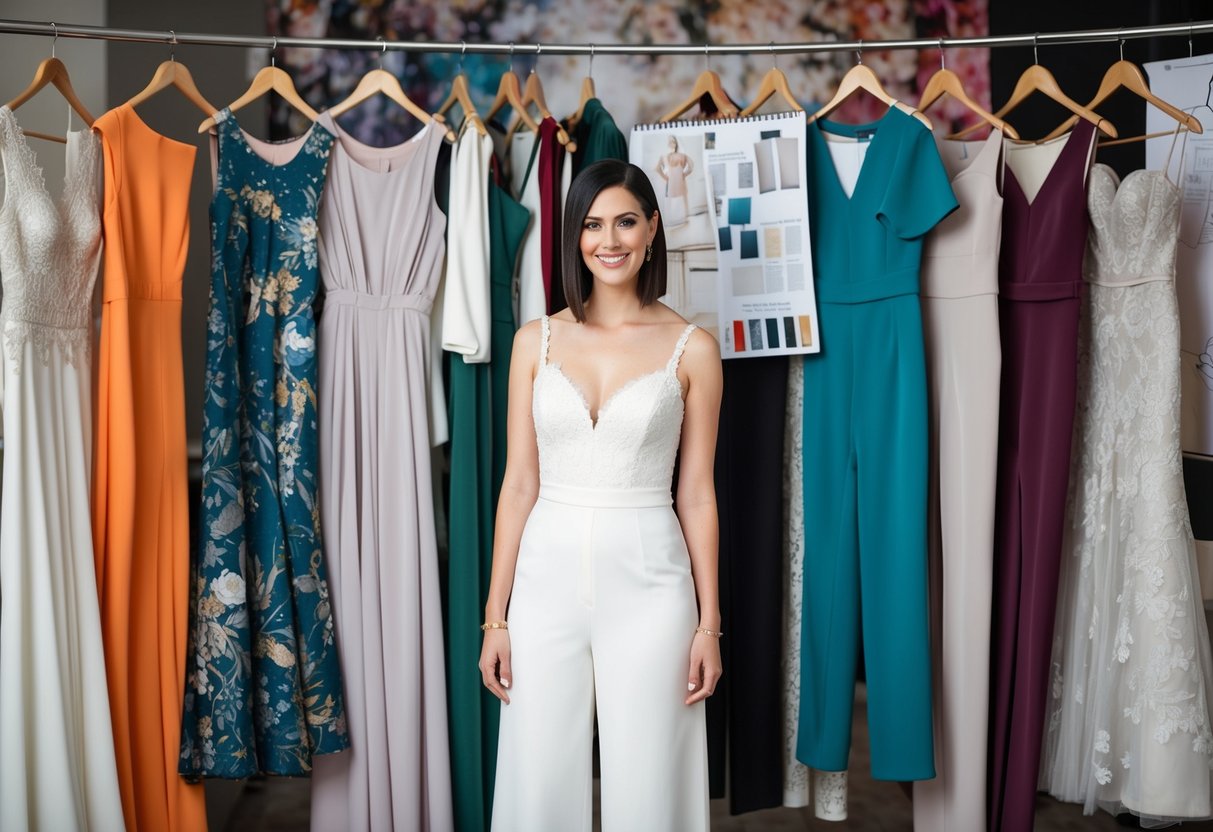
Choosing your bridal outfit involves several important factors that can influence your decision. From the venue to your personal style, understanding these elements can help you select the perfect attire for your big day.
Venue and Theme Considerations
The location of your wedding plays a huge role in your outfit choice. For a beach wedding, lighter fabrics like chiffon or linen are ideal since they keep you cool. Casual attire fits this setting and can include flowy gowns or even stylish separates.
If your wedding is more formal, like in a grand ballroom, a traditional wedding dress might be more appropriate. Consider the venue’s theme as well. A vintage-inspired setting could call for retro styles or classic lace, while a modern venue might lean towards sleek silhouettes.
Personal Comfort and Style
Your comfort should be a top priority. Think about what makes you feel best. If you’re not comfortable in a formal gown, consider alternatives like a sleek jumpsuit or a stylish cocktail dress. Your outfit should reflect your personal style, whether that’s classic, bohemian, or modern chic.
Don’t forget to choose fabrics that you love. Soft materials can make a huge difference in how you feel throughout the day, especially during a long wedding ceremony or reception. Remember, you’ll be in this outfit for hours, so comfort and confidence go hand in hand.
Wedding Dress Codes Explained
Understanding the dress code of your wedding can simplify your choice. Common codes include white-tie and black-tie, which suggest formal gowns or elegant suits. If you opt for a black-tie dress code, a floor-length gown typically fits.
For more relaxed celebrations, like a semi-formal or even casual wedding, you can choose lighter, less formal dresses or separates. This flexibility allows you to embrace your personality while staying within the parameters of the dress code. Always consider what you want your guests to wear, as your outfit sets a tone for the day.
Transforming Wedding Fashion Traditions
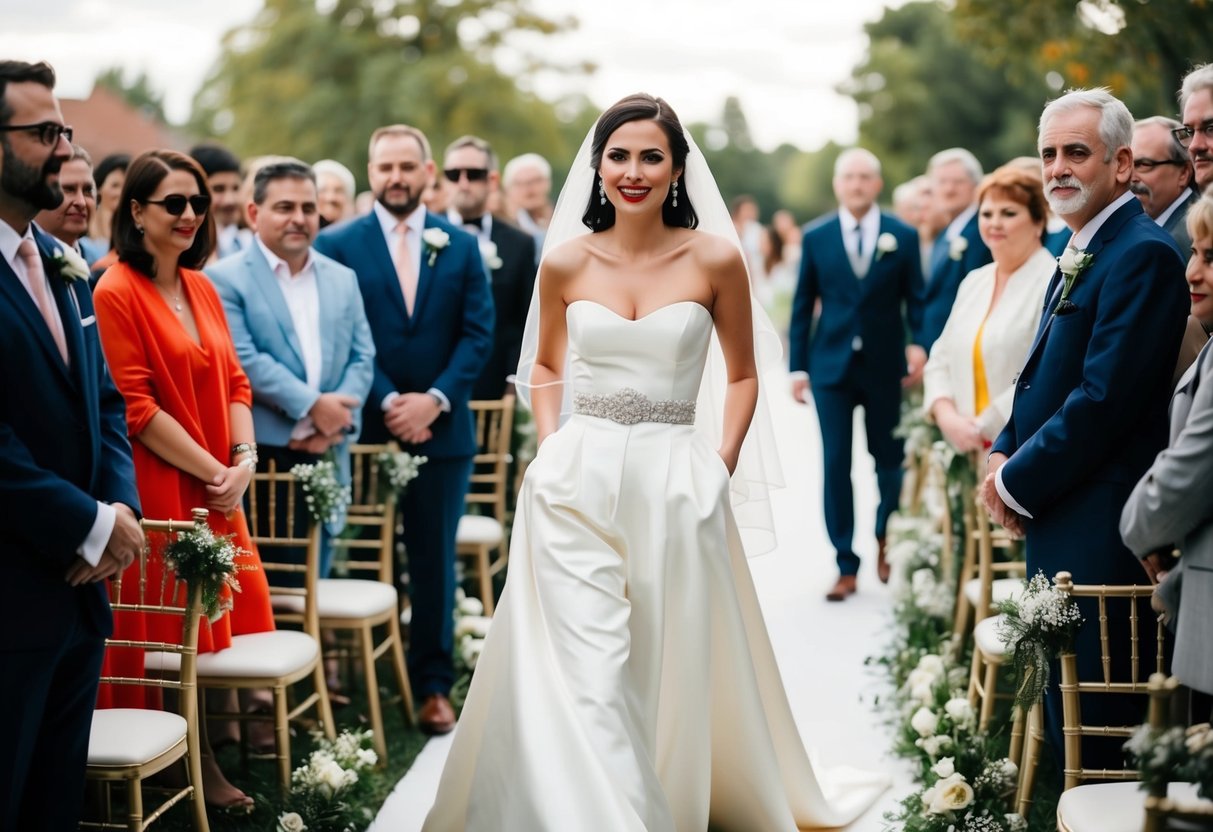
The concept of bridal attire has evolved significantly over time. Many brides now explore options beyond the traditional white dress, embracing individual styles and modern interpretations. Here’s a closer look at the roots of wedding dresses and the fresh ideas shaping today’s bridal looks.
The Origin of White Wedding Dresses
The tradition of wearing a white wedding dress began with Queen Victoria in 1840. She chose a white gown for her marriage to Prince Albert, a departure from the common practice of wearing colorful dresses. This choice set a trend that many brides followed, symbolizing purity and new beginnings.
Over the years, the white wedding dress became a staple in bridal fashion. While the classic white gown remains popular, many brides are now opting for different colors and styles. This reflects personal taste and cultural significance, showcasing a variety of designs that include blush, ivory, or even bold colors.
Today’s brides often seek dresses that resonate with their personalities, leading to innovative designs like the convertible dress, which allows for easy changes in style throughout the day. This shift celebrates individuality and showcases the transformation of wedding fashion traditions.
Contemporary Twists on the Classic Bridal Look
Modern brides are increasingly moving away from strict traditions. Instead of a traditional white wedding dress, you might see brides wearing jumpsuits, pantsuits, or colorful gowns. This trend embraces personal expression and comfort on a significant day.
Textures and fabrics also play a crucial role in contemporary wedding looks. Lace, satin, and tulle are still favorites, but many brides are incorporating unique materials. These could be flowing capes, bold patterns, or even sustainable fabrics to support eco-friendly choices.
Additionally, accessories like stylish hats or vibrant footwear can completely change the look. The focus is on creating a unique style that represents you as a couple. This approach allows for countless possibilities, making wedding fashion more diverse and exciting than ever before.
Coordinating Bridal Ensemble Details
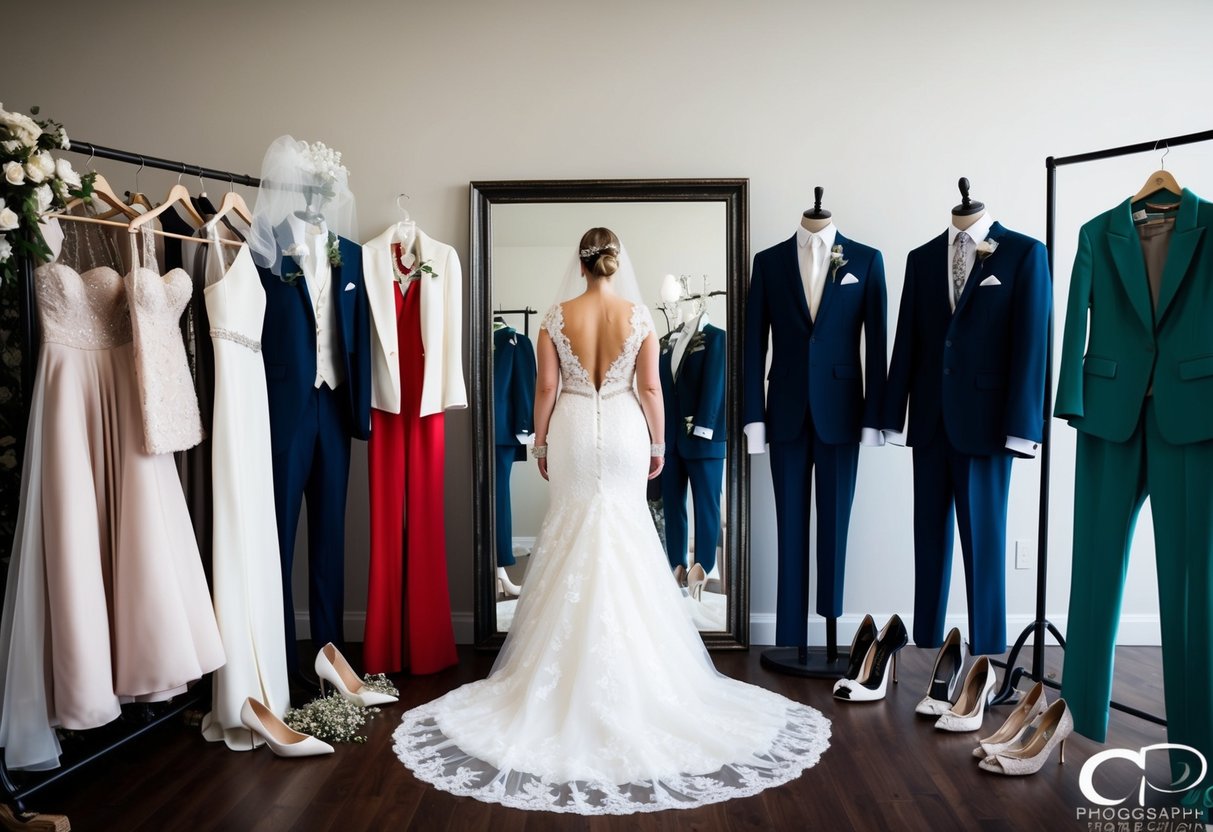
When planning your bridal look, it’s important to consider how every detail comes together. This includes your veil, accessories, and how your outfit can transition from the ceremony to the reception.
Veils and Accessories
Your wedding veil is a crucial piece that can enhance your entire outfit. Choosing a veil that complements your dress is key. For instance, if your dress has intricate lace details, a veil with similar lace patterns will create a cohesive look.
Consider the length of the veil as well. A cathedral veil can add drama, while a shorter veil may be more practical for a lively reception. Don’t forget about accessories like earrings, bracelets, and hairpieces. They should coordinate with both your veil and dress.
Outfit Transition from Ceremony to Reception
Transitioning your outfit from the ceremony to the reception can set the tone for the rest of the celebration. Many brides opt for a second dress or outfit for the reception. A reception dress can be more comfortable and easier to move in, especially during the cocktail hour or dancing.
Think about fabrics and styles that are fun yet elegant. You might choose something lighter, like a tea-length dress, which allows you to mingle freely. Matching your bridal party’s outfits with your reception look can also add unity to the celebrations, creating a coordinated appearance throughout the day.