
Do Brides Pay for Their Own Dress? Exploring Wedding Traditions and Costs
Planning a wedding can be exciting yet overwhelming, especially when it comes to the costs involved. One question that often comes up during wedding planning is whether brides pay for their own dress. Traditionally, brides do pay for their own wedding dress, as it is considered part of their personal expenses in the wedding budget.
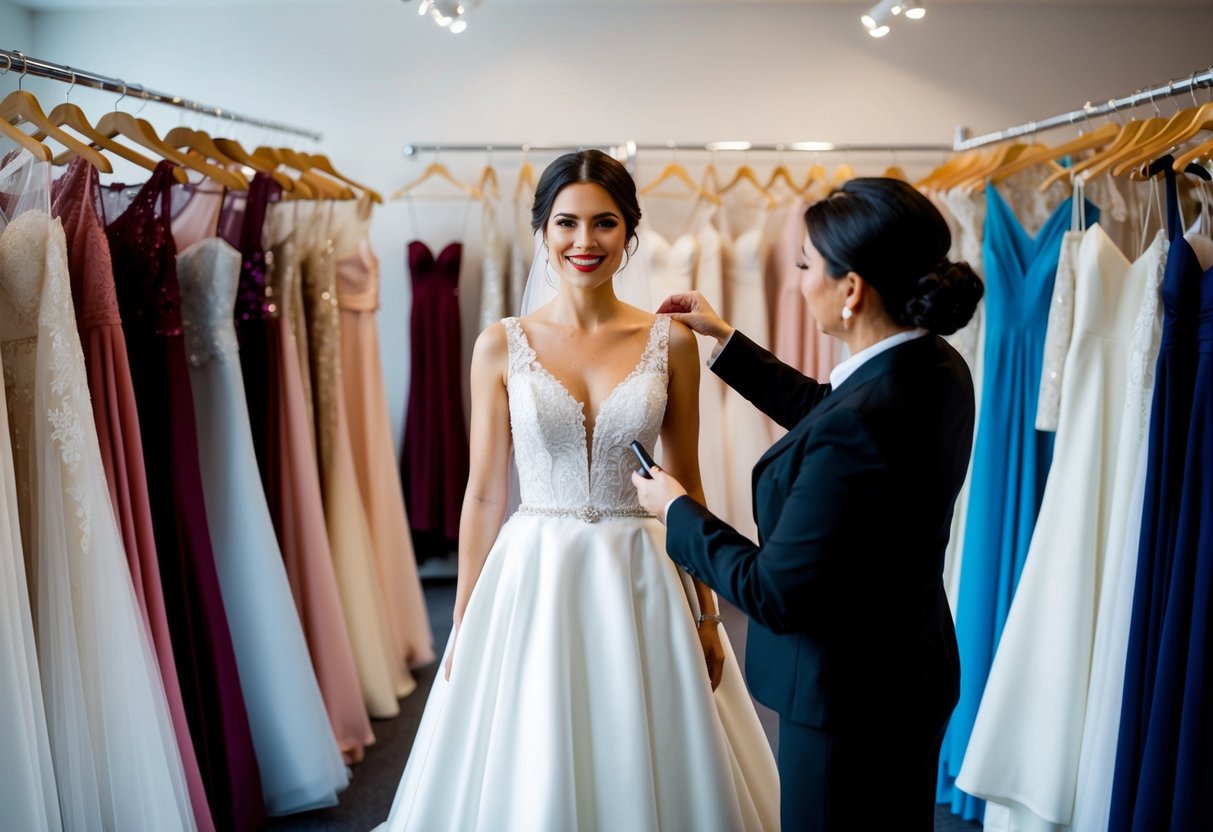
Understanding wedding etiquette can help you navigate this topic with ease. While some couples may choose to adjust these norms, knowing the traditional expectations allows you to prepare and plan your budget accordingly.
Whether you’re dreaming of a simple gown or an elaborate dress, being informed can make the decision-making process smoother and less stressful.
Every wedding is unique, and your preferences should guide your choices. If your budget allows for family contributions or adjustments to traditional etiquette, that’s perfectly fine too. Keep in mind that communicating openly about expenses will help you and your partner create a wedding that reflects your style and values.
The Traditions of Wedding Attire
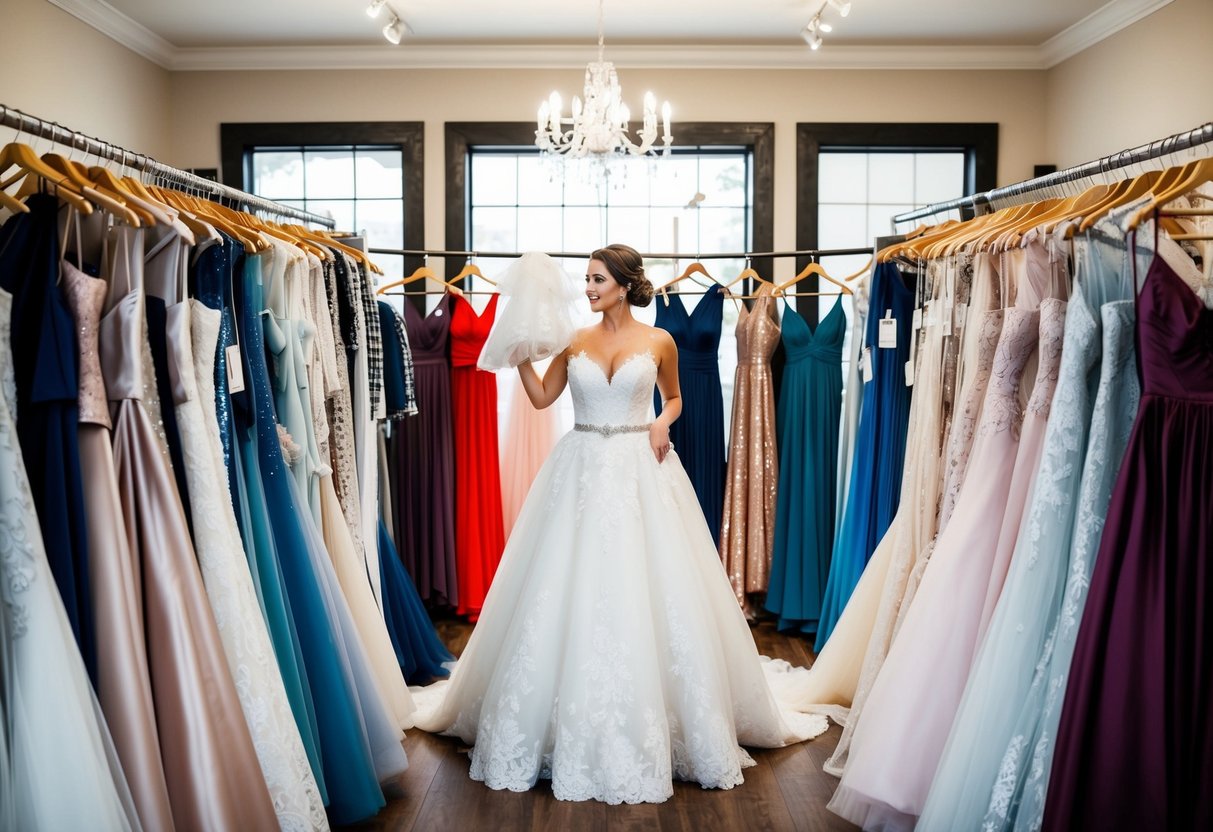
Wedding attire carries both historical significance and modern expectations. Understanding the traditions can help guide you through the process of selecting the right attire for your special day.
Understanding Wedding Etiquette
When it comes to wedding attire, etiquette plays a big role. Traditionally, the bride’s family would cover the cost of the bride’s dress. This custom stems from the belief that the bride should wear something special for her big day.
Today, many brides choose to pay for their own dresses. This change reflects a more modern approach where couples share financial responsibilities. It’s also common for brides to get help from family or their partner when budgeting for attire.
Bridesmaids typically cover their own dress costs as well. This involves choosing a dress that fits the couple’s theme while remaining comfortable for the wedding party.
Historical Context of Bridal Attire
The custom of bridal attire dates back centuries. In earlier times, brides often wore their finest clothes, regardless of color. White wedding gowns became popular after Queen Victoria wore a white dress for her wedding to Prince Albert in 1840.
This change set a trend that continues today. Many brides still prefer white or cream gowns, but more colors are now accepted. This shift allows for personal choices based on style and cultural significance.
Brides often select designs that represent their traditions. Incorporating family heirlooms or cultural elements can also add a personal touch to the attire. As you consider your wedding dress, think about what traditions resonate with you and how you can make the day uniquely yours.
Financial Responsibilities
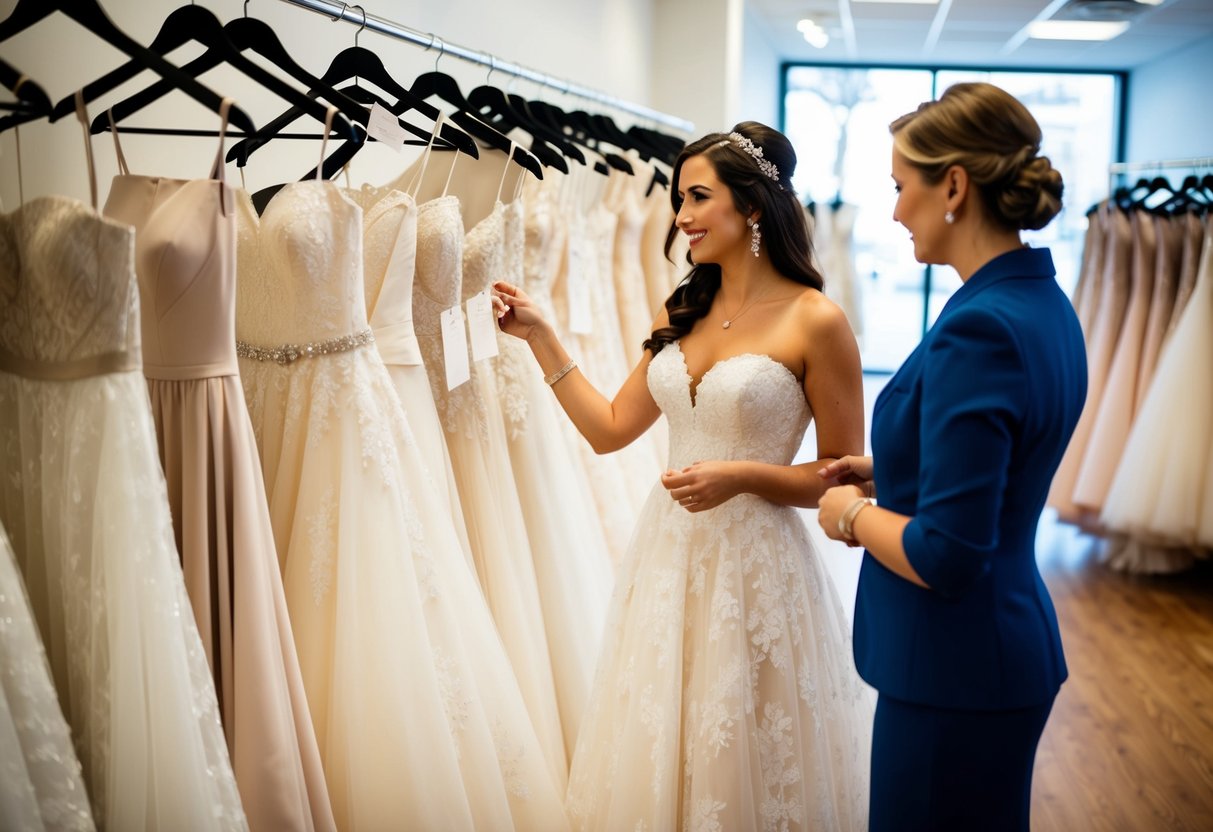
When planning a wedding, understanding financial responsibilities is key. Different parties have specific roles when it comes to covering expenses.
Who Pays for What?
Traditionally, the bride’s family covers the majority of wedding costs, including her dress. However, many brides choose to pay for their own dress as a personal choice. This allows them to have more freedom in style and budget.
Bridesmaids usually pay for their own dresses, which is important to communicate early in the planning. You can suggest a range or provide options for the dresses, making it easier for them to fit their budgets too.
Allocating the Wedding Budget
When creating your wedding budget, list all possible expenses. Common items include the venue, catering, photography, and attire.
Make sure you factor in the cost of the bride’s dress and the bridesmaids’ dresses. Consider setting aside funds for unexpected expenses, like last-minute alterations or accessories.
Open communication about who pays for what can help prevent any misunderstandings.
Discussion About Expenses
It’s helpful to discuss expenses openly with all parties involved. If you want your bridesmaids to wear certain styles, clarify that they will be responsible for those costs.
You might also talk about hair, makeup, and accessories, which can add up quickly. Encourage everyone to ask questions or express concerns, ensuring that everyone feels comfortable with their responsibilities.
Planning for Bridesmaids
Choosing the right dresses and coordinating expenses are key steps in planning your bridesmaids’ roles. It’s essential to keep communication open and manage expectations throughout the process. Here are some important aspects to consider.
Choosing the Right Bridesmaid Dresses
Selecting bridesmaid dresses can be an exciting yet challenging task. You’ll want to choose a style that complements your wedding theme and makes your bridesmaids feel beautiful.
Consider their preferences, body types, and comfort. When picking color and fabric, keep the season and venue in mind. You might opt for a floor-length gown for a formal wedding, while a short, flowy dress could be perfect for a beach wedding.
Use resources like Pinterest for inspiration, and don’t hesitate to organize a try-on session for everyone.
Coordinating Bridesmaid Expenses
Bridesmaid expenses can add up quickly, so it’s vital to discuss costs upfront. Typically, bridesmaids pay for their own dresses, hair, and makeup. You might also consider expenses for travel and accommodations.
To help with budgeting, create a group chat where everyone can share ideas and costs. You can suggest affordable dress options or even consider splurging together on a dress that’s less expensive to ensure all bridesmaids feel valued. If you’re able to cover part of the costs, like hair and makeup, it creates a supportive atmosphere.
Managing Expectations
It’s important to manage expectations around the role of your bridesmaids. When your friends agree to be bridesmaids, they often expect some costs, but they may not anticipate all the expenses involved.
Be transparent about what you’ll need from them as the wedding approaches. Let them know early on about your vision, including any plans for hair and makeup or additional events like bridal showers.
Encourage open dialogue about any concerns or financial limitations. This way, everyone can enjoy the experience and come together for your big day with fewer stress factors.
Pre-Wedding Events
Planning your pre-wedding events can be an exciting part of your journey. These events often set the tone for the big day while strengthening bonds between you and your bridal party.
The Bridal Shower
A bridal shower is typically hosted by friends or family, usually a few weeks before the wedding. This event is meant to celebrate you as the bride and shower you with gifts that will help in your new life.
Guests often include close friends, family members, and the bridal party. You might find yourself enjoying games, food, and laughter.
It’s essential to think about the venue and theme ahead of time, as this sets the mood for the celebration.
Costs for the bridal shower often fall on the host, but it’s wise to have a conversation about budget. You may want to share some ideas so everyone is on the same page regarding expenses.
Destination Bachelorette Parties
A destination bachelorette party can be a fantastic way to celebrate with your closest friends. This event usually involves traveling to a fun location, making it an unforgettable experience.
You can choose places like beach resorts, city hotspots, or cozy cabins. It’s essential to plan activities that everyone will enjoy, from beach days to nightlife adventures.
Keep in mind that costs can vary widely. Each bridesmaid may cover her own travel and accommodation, while shared expenses, like meals and activities, should be discussed beforehand. Communication among the bridal party helps ensure everyone is comfortable with the plans.