
Do Brides Pay for Their Own Wedding Dress? Exploring Tradition and Trends
When planning your wedding, one important question often comes up: do brides pay for their own wedding dress? Traditionally, brides often have family or friends cover the cost of the wedding dress, but more and more brides are choosing to pay for their own gowns today. This shift reflects modern values and personal preferences, making each wedding day unique.

As you consider your own wedding plans, it’s helpful to think about your budget and how you want to handle expenses.
Many brides today set a specific budget for their dresses, especially if they’re funding the purchase themselves. Understanding the expectations and traditions around who pays for what can help you make informed decisions during your wedding planning process.
Whether you have family support or choose to handle the costs yourself, the important thing is that you feel excited about your dress. After all, it’s a key part of your special day and should reflect your personal style and taste.
Understanding Wedding Traditions and Expenses
Wedding traditions and expenses have evolved over time, affecting how you think about bridal attire. Understanding these changes can help you navigate what might be expected when you’re planning your big day.
History of Bridal Attire and Costs
Traditionally, the bride’s family paid for the wedding dress and related attire. This practice was part of the societal norms where families showcased their wealth and status through wedding expenses. In the past, dresses were often custom-made, reflecting the family’s social position.
As centuries passed, the type of attire also changed. For many, the white wedding dress became a symbol of purity, especially popularized by Queen Victoria in the 19th century. Brides often engaged in various rituals, tying into wedding etiquette that emphasized the importance of the day.
Modern Perspectives on Wedding Expenses
Today, many couples view wedding expenses differently. With more couples financially independent, it’s common for both parties to chip in or cover their own costs.
Many brides now choose to buy their own wedding dresses, reflecting a more equal partnership. Additionally, societal norms are shifting, with many couples deciding how to allocate costs based on personal preferences rather than strict traditions. You might select attire that represents your style and budget, allowing for creativity and individuality in your celebration.
Navigating the Bridal Budget
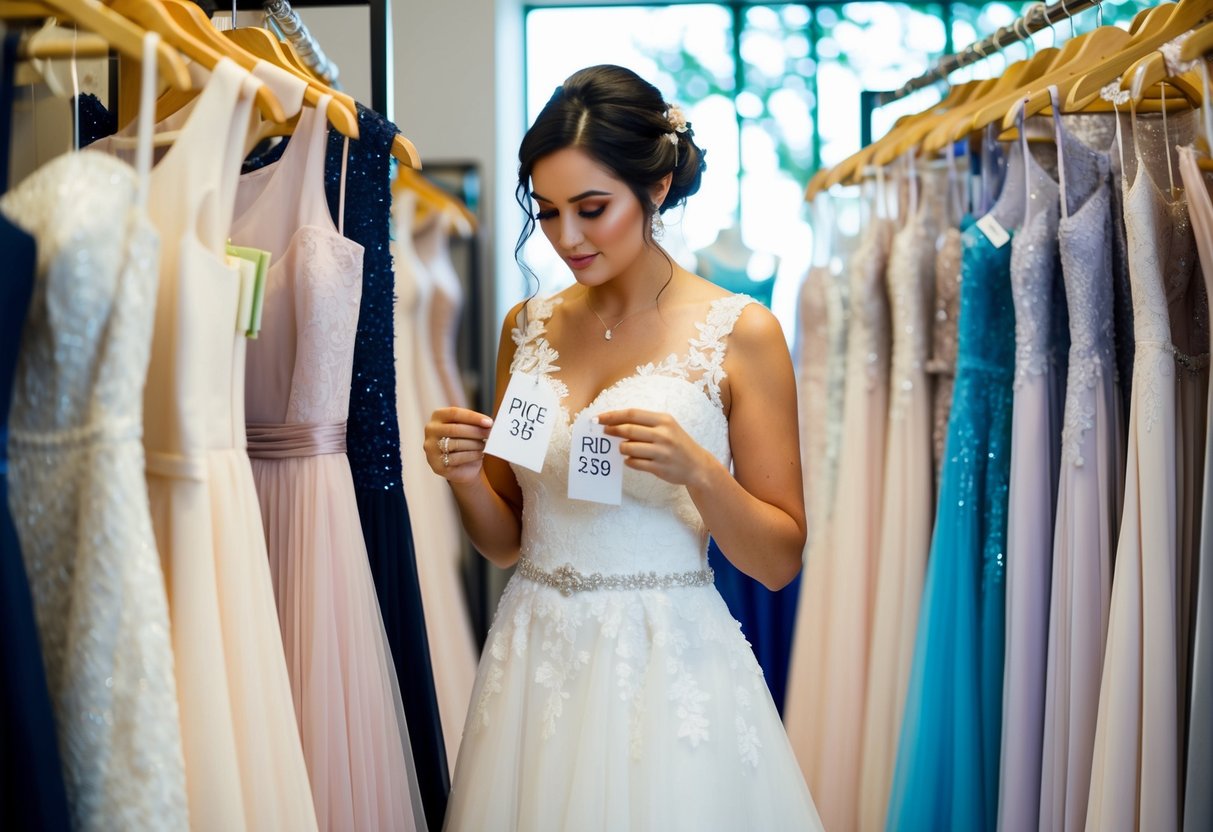
Planning a wedding involves many costs, and understanding how to budget can make this journey smoother. It’s important to know how to define your overall wedding budget, what you can expect to spend on the dress, and who typically takes on these financial responsibilities.
Defining the Wedding Budget
Start by outlining the total amount you can spend on your wedding. This includes all expenses, such as venue, catering, decor, and attire.
Here’s a simple way to divide your budget:
- Venue: 30%
- Catering: 25%
- Attire: 10%
- Decor and Flowers: 15%
- Photography: 10%
- Miscellaneous: 10%
You can adjust these percentages based on your priorities. Be sure to consider hidden costs like taxes, tips, and extras. Having a clear budget helps you prioritize your spending and avoid surprises.
Cost of the Wedding Dress
The cost of a wedding dress can vary widely. The average cost typically ranges between $1,000 and $2,500, depending on the designer and style.
Keep in mind that designer dresses can exceed this range, sometimes reaching $10,000 or more.
To manage this expense, consider these tips:
- Set a realistic dress budget as part of your overall wedding budget.
- Look for sales or consider buying a dress off-the-rack to save money.
- Don’t forget alterations and accessories can add to your total dress cost.
Being aware of dress costs will help you make informed choices during your search.
Financial Responsibility for Wedding Attire
Traditionally, the bride’s family often pays for the wedding dress and accessories. However, many modern couples now share these costs.
Some brides choose to buy their own dress, feeling empowered by this choice. Reflect on these financial options:
- Pay upfront: This avoids debt and ensures you get the dress you want without financial stress.
- Payment plans: Some boutiques offer plans that allow you to spread payments over time.
- Gifting: Parents, friends, or partners may offer to cover the cost as a gift.
Understanding who pays for the wedding dress will guide your discussions and budgeting during the planning process.
Wedding Planning Considerations
When planning your wedding, choosing the right dress and attire is key. From selecting the perfect bridal shop to understanding the importance of fittings and managing additional attire costs, these steps are essential to ensure you look and feel your best on your special day.
Choosing the Right Bridal Shop
Finding the right bridal shop can make your dress shopping experience enjoyable. Look for a shop that carries a variety of styles and sizes to fit your vision.
Consider scheduling appointments to give you personalized attention and time to try on wedding dresses. Ask about customer reviews, which can help gauge the shop’s reputation.
Staff should be welcoming and knowledgeable, guiding you in making decisions. Don’t hesitate to take family or friends along for support, as their opinions can help you find the right dress that fits your style and budget.
The Importance of Wedding Dress Fitting and Alterations
Once you’ve selected your dress, proper fitting is crucial.
Wedding dress alterations ensure that the dress hugs your body perfectly, making you feel more confident. Schedule fittings well in advance to allow enough time for adjustments.
Typically, you may need two to three fittings. Discuss any changes you want with your seamstress, like adjusting the hem or taking in the waist.
Remember to wear the shoes you’ll use on your wedding day during fittings to get the right length. This attention to detail will elevate your overall look.
Additional Wedding Attire and Associated Costs
Don’t forget that wedding attire goes beyond just your dress. You’ll need to consider costs for groomsmen suits, bridesmaid dresses, and even accessories like wedding rings.
It’s wise to set a budget for each category of attire. Keep in mind that tuxedo rentals or purchases for groomsmen can vary significantly in price. You may also want to factor in the cost of alterations for these outfits as well.
Discuss with your bridal party about how much they can contribute, as this may influence the choices you make for their clothing.
Embracing Financial Autonomy and Empowerment
Choosing to pay for your own wedding dress can be a significant step towards financial autonomy. It allows you to take control of your wedding expenses and make decisions that align with your personal budget.
When you handle the cost, you can focus on customization. This means selecting a dress that truly reflects your personal style. You can find a gown that makes you feel beautiful and confident on your special day.
Taking responsibility for your dress can also be empowering. It shifts the narrative from traditional expectations to choices that matter to you. This decision showcases your independence and can inspire others to rethink their roles in wedding planning.
If you decide to pay for your own dress, consider how it fits into your overall wedding budget. You may need to adjust other expenses, such as the honeymoon fund or wedding gifts. By planning carefully, you can ensure everything is manageable.
You might find that handling the payment brings a sense of pride. You are making a statement about your values and priorities. Embracing this financial responsibility can lead to a more satisfying and memorable wedding experience.
Remember that your choices about your bride’s attire can reflect who you are. Whether you go all out or stick to a budget, what matters is that you feel empowered in your decisions.