
Do Brides Still Pay for Weddings? Exploring Modern Trends and Traditions
When planning your wedding, you might wonder about who pays for what. Traditionally, the bride’s family has covered most of the wedding costs, but many modern couples now share these expenses more equally.
Understanding wedding etiquette can help clarify how costs are typically divided based on these traditions and your own preferences.

The average cost of a wedding can be quite high, often leading couples to reassess who contributes financially. Traditional roles are changing, so it’s important to consider what works best for you and your partner.
As you navigate these discussions, be open to different approaches that fit your unique situation.
Exploring who pays for the wedding today can reveal a blend of old customs and new ideas. This guide will help you decide how to approach wedding finances while respecting traditions related to wedding etiquette, ensuring that you and your loved ones feel comfortable with the decisions made.
Understanding Wedding Financial Responsibilities
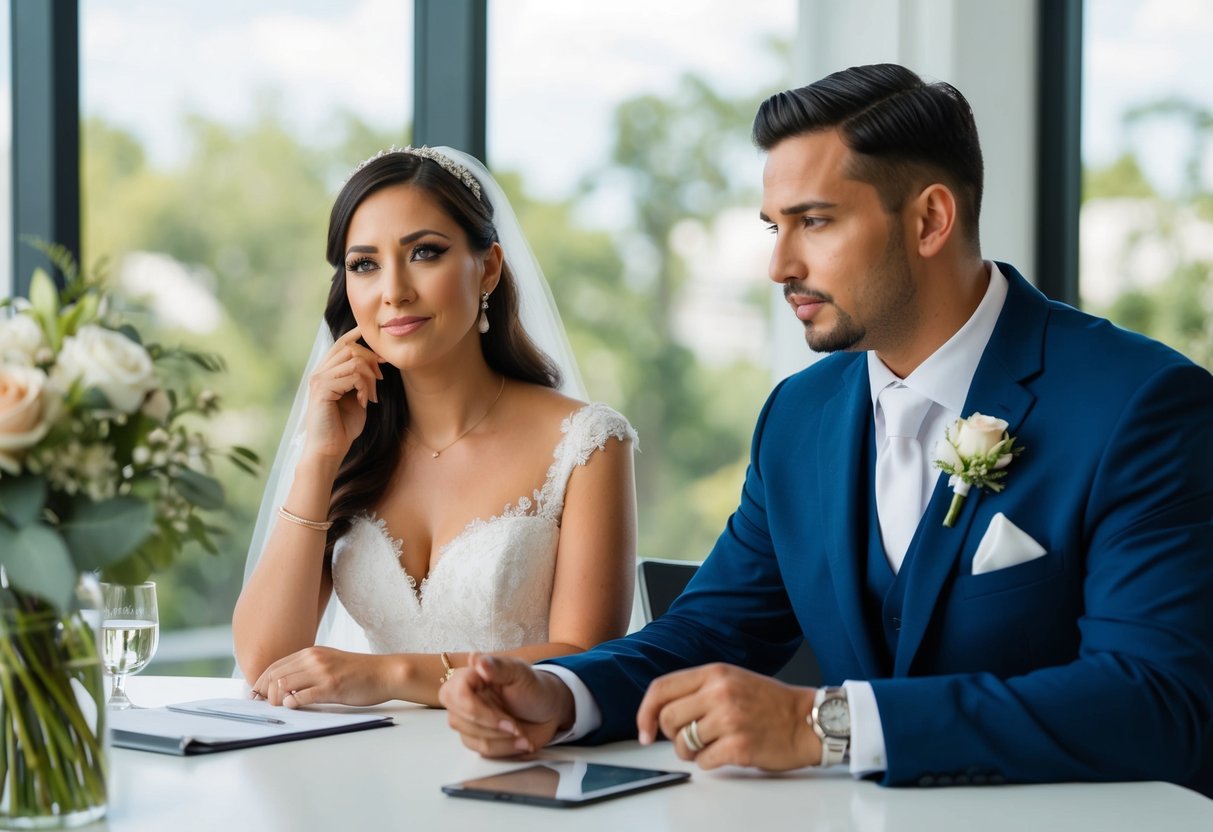
When planning a wedding, knowing who pays for what can help manage both expectations and budgets. In the past, the bride’s family traditionally took on most of the expenses, but today’s financial responsibilities have evolved significantly.
Historical Traditions of Wedding Expenses
Traditionally, the bride’s family covered most wedding costs. This custom originated from historical practices, where the bride’s family paid for expenses like the venue, catering, and flowers. The groom’s family usually handled the rehearsal dinner and sometimes contributed to other costs.
This arrangement stemmed from the idea of a dowry, where the bride’s family provided financial support to the groom’s family. These expectations have shaped wedding etiquette for generations, making it important to recognize this historical context when discussing financial responsibilities.
Modern Trends: Who Pays for What?
In today’s world, financial responsibilities for weddings can vary widely. Many modern couples are breaking from tradition and discussing costs openly.
Today, it’s common for expenses to be shared among both families. For example, the bride’s family may still cover the venue and catering, while the groom’s family might pay for entertainment like a DJ or live band.
This shared approach allows for greater flexibility and helps couples customize their weddings based on their unique circumstances and preferences.
Key Wedding Expenses Detailed

When planning your wedding, understanding key expenses is crucial. The costs associated with the venue, catering, decor, attire, and various ceremony elements can add up. Here’s a closer look at these significant wedding expenses.
Venue, Catering, and Decor
Choosing the right wedding venue sets the tone for your big day. Venues can vary widely in cost based on location and amenities.
Typically, you also need to budget for catering services, which might include a meal, drinks, and a wedding cake. A basic package may start at several thousand dollars.
Don’t forget about decor. Floral arrangements and other decorations can enhance your venue’s ambiance. You might spend on centerpieces, aisle decorations, and lighting. Create a budget for both the venue and decorations to avoid overspending.
Attire and Beauty
Your wedding attire is one of the most memorable parts of your day. The average wedding dress can range from hundreds to thousands of dollars. Make sure to factor in alterations, undergarments, and accessories like veils or jewelry.
For the groom, suits or tuxedos will also need to be considered.
Additionally, don’t forget about hair and makeup. Hiring professionals can enhance your look and give you peace of mind on your special day.
Ceremony and Reception Elements
The ceremony itself involves a few key costs. You’ll need to hire an officiant, whose fees can vary.
Don’t overlook the importance of capturing your day. Photography and videography are essential for preserving memories, and quality services often come at a price.
At the reception, you must consider various elements. Reception music is crucial; whether you hire a DJ or live band, this can impact your budget significantly.
Lastly, if you plan to give wedding party gifts, account for these expenses too, as they show appreciation for your loved ones’ support.
Pre-Wedding and Post-Wedding Considerations
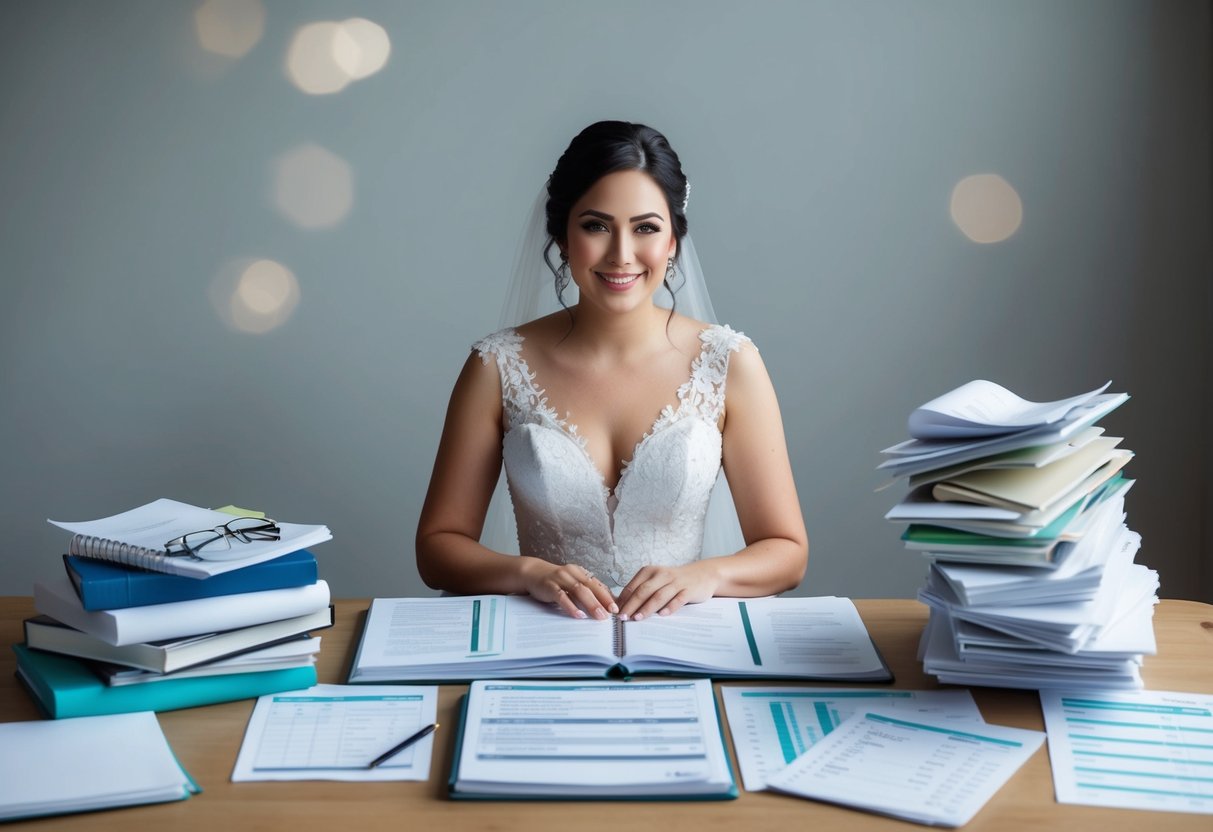
Before your wedding day, there are important events and decisions to think about. These can shape your experience and sometimes come with costs, so being prepared helps.
Engagements and Parties
Getting engaged often includes selecting a beautiful engagement ring that reflects your style. After the proposal, many couples host an engagement party. This gathering is a chance to celebrate with family and friends.
Typically, the bride’s parents cover the costs, but this can vary.
You might also need to send out invitations for various pre-wedding events.
Consider whether to include a rehearsal dinner, which is a nice way to relax with your wedding party before the big day. Both the dinner and the party can have costs, so budgeting is key.
Honeymoon and Aftermath
Planning your honeymoon is a special task. This trip allows you to unwind after the wedding. Costs can vary greatly depending on your destination. Some couples choose affordable getaways, while others splurge on dream vacations.
After the wedding, remember to collect any wedding gifts. These can range from cash to household items. Also, don’t forget to obtain your marriage license, as it’s essential for your new life together. Each of these steps is important, so keeping track of details will help.