
Do Bridesmaids Go Down the Aisle First? Understanding Wedding Procession Traditions
Deciding whether bridesmaids walk down the aisle first can shape the feel of your wedding ceremony. In many weddings, bridesmaids traditionally go before the bride, creating an exciting build-up and adding to the anticipation of your big moment. This order helps guests focus on the bridal party and allows the maid of honor to assist the bride as she prepares for her entrance.
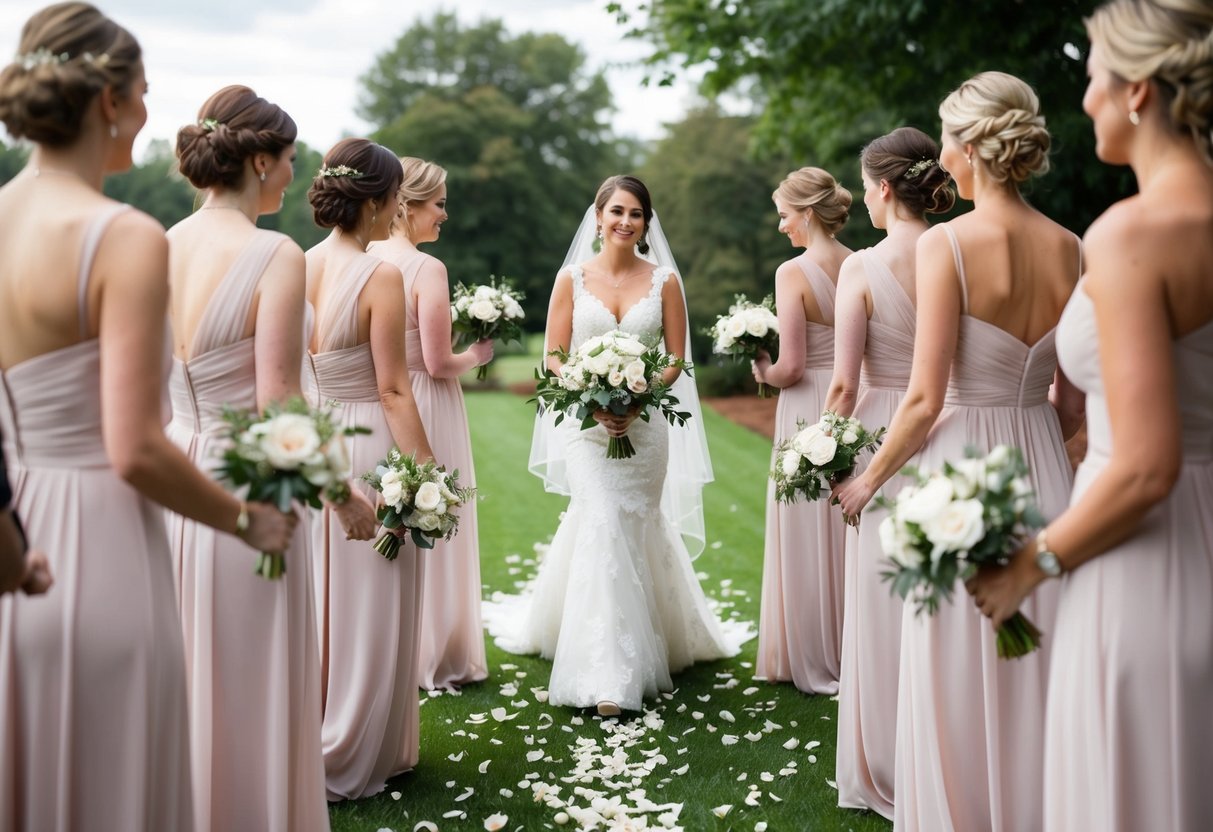
While this is a common approach, some couples choose to mix things up. You might find that groomsmen and bridesmaids walk down in pairs or even together. This can reflect your unique style and set a different tone for your wedding. Understanding the different options can help you decide what works best for you and your vision for the ceremony.
The Traditional Wedding Processional Order
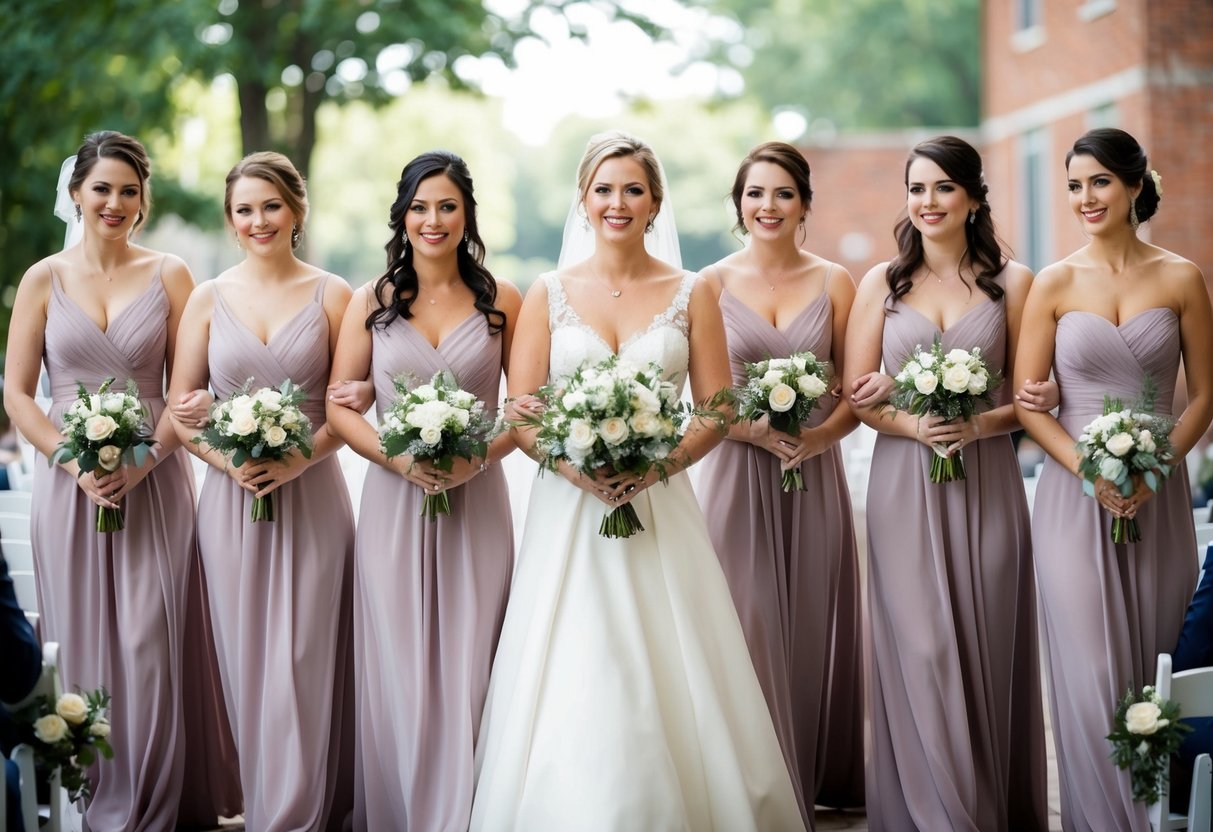
The order in which people walk down the aisle during a wedding ceremony can set the mood for the entire event. In a traditional wedding, certain roles are assigned to key participants, and knowing this order can help you visualize the ceremony.
Role of the Bridesmaids in the Procession
In a traditional wedding, bridesmaids have an important role. They usually walk down the aisle after the parents of the bride are seated. Typically, they enter in pairs, signaling that the ceremony is about to start. The maid of honor is usually the last bridesmaid to walk down the aisle. This marks her special position as the bride’s right hand.
Flower girls and ring bearers may follow the bridesmaids. They add a charming touch to the procession. The flower girl often scatters petals, while the ring bearer carries the wedding rings on a pillow. This procession leads up to the entrance of the bride, creating a beautiful build-up.
Positioning of the Groom and Groomsmen
The groom and his groomsmen also have distinct positions in the traditional processional order. Before the ceremony begins, the groom often waits at the altar, ready to greet the bride.
The groomsmen typically walk down the aisle right before the bridesmaids. They usually enter in pairs, similar to how the bridesmaids do. This pairing creates balance and symmetry in the procession.
The best man has a special role, standing next to the groom at the altar. Following the groomsmen, everyone is in place for the bride’s grand entrance. Often, the parents of the couple also take part, typically seated before the bride arrives. This entire process ensures that your wedding ceremony flows smoothly.
Ceremonial Variations and Cultural Traditions
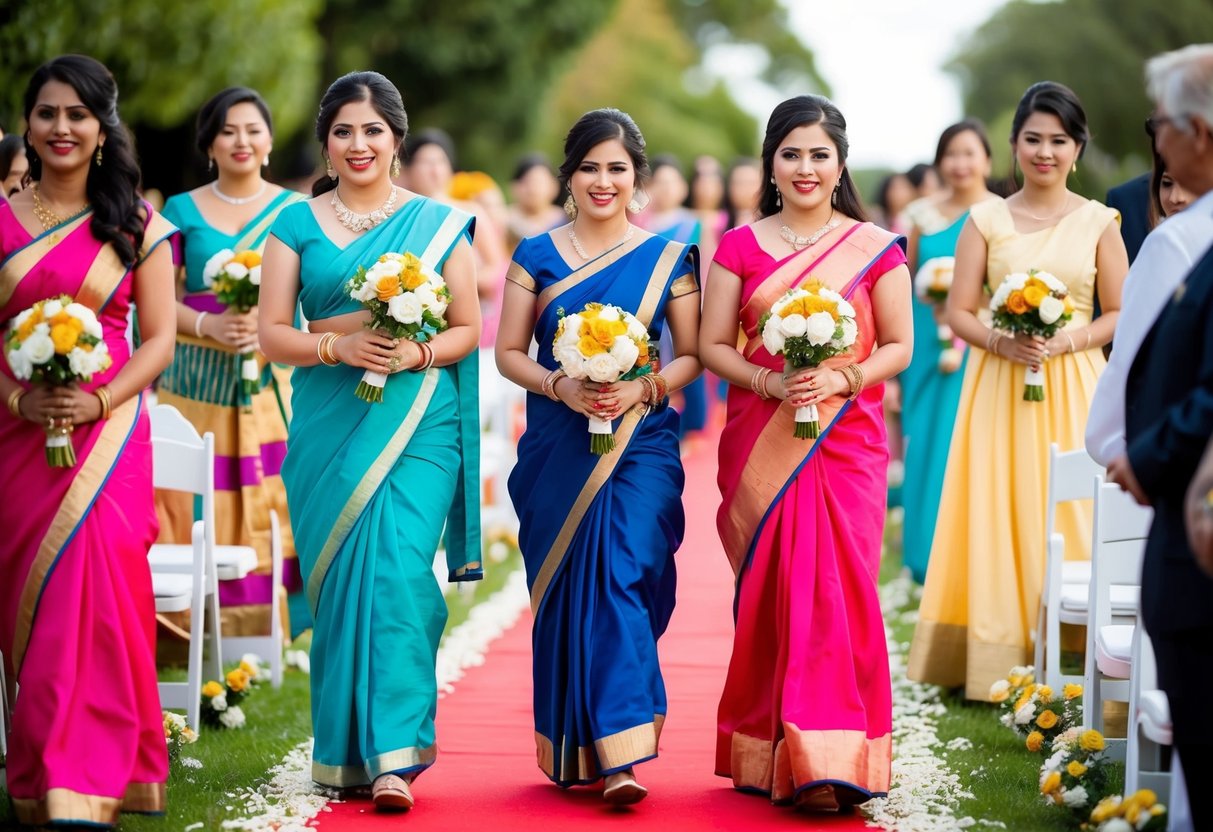
Wedding processional orders vary widely across cultural and religious traditions. Understanding these differences can help you decide how your bridesmaids will enter the ceremony. Here are some common variations.
Different Cultural Wedding Processional Orders
In a Jewish wedding, the processional often starts with the parents of the couple, followed by the chuppah bearers, and then the wedding party. Bridesmaids may walk solo or with groomsmen.
In contrast, a Christian wedding typically features bridesmaids walking down before the bride. In the Catholic wedding processional order, the entrance can include altar servers and readings before the bride arrives.
The Hindu wedding processional order is distinct, with the groom entering after a pre-wedding procession called a baraat, while bridesmaids usually accompany the bride at the end.
Never forget that these traditions may change based on personal preference or family customs.
Modern Alternatives to Traditional Processionals
Many couples today choose to mix traditional and modern styles. For example, in a nondenominational wedding, you might have bridesmaids walk down the aisle with groomsmen in pairs, showcasing equality.
Some couples allow friends or family to join in the procession, making it feel inclusive.
Different music can enhance the atmosphere, too. Instead of classical tunes, many opt for popular songs or even live performances.
This flexibility encourages you to reflect your unique style, making the ceremony truly yours. Breaking from tradition can result in a celebration that feels personal and memorable.
Planning Your Wedding Processional
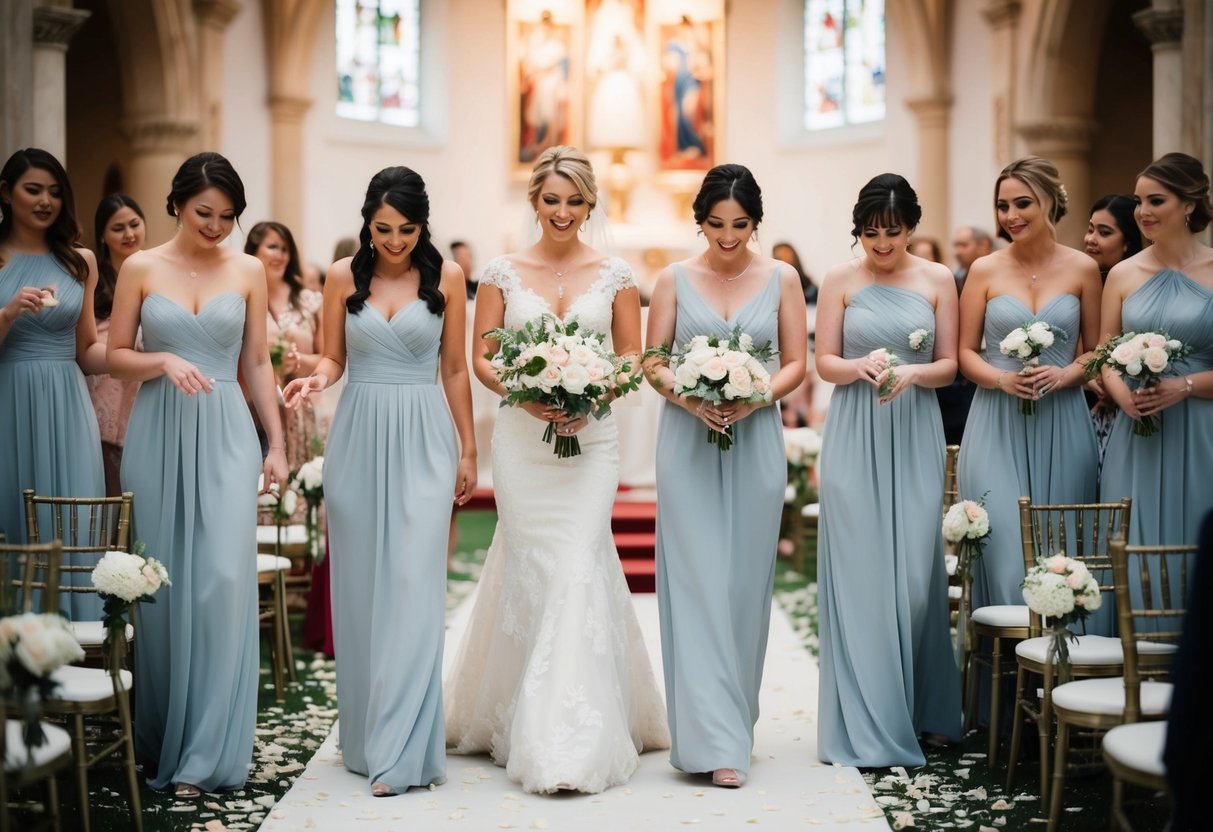
Planning your wedding processional involves coordinating with your wedding party and selecting the right music for your ceremony. These details help set the tone for the day and create a memorable moment as you walk down the aisle.
Coordinating with the Wedding Party
Start by deciding who will be a part of your wedding party. This can include bridesmaids, groomsmen, flower girls, and ring bearers. Discuss the order they will walk down the aisle.
A common choice is for the bridesmaids to go first, followed by the groomsmen. Be sure to communicate clearly with everyone involved about their roles and timing.
Consider having a rehearsal to practice the procession. This ensures that everyone knows when to enter and how to walk. If you have a unique arrangement, like having both brides or grooms walk down together, share this with your wedding party.
This way, your ceremony will flow smoothly and feel organized, creating a unified experience for everyone involved.
Choosing the Processional Music
Choosing the right music for your processional is essential. The song sets the mood for your ceremony. Consider selecting a piece that reflects your personality as a couple. Whether you prefer a classic tune or a modern hit, make sure it resonates with both of you.
Typically, the processional song starts when the first person walks down the aisle. If desired, choose different songs for different parts of your ceremony. The music can enhance the moment of unity for the bride and groom.
Make a list of your top song choices and listen to them together. This will help you find the perfect fit for your special day.