
Do Bridesmaids Pay for Rehearsal Dinner? Understanding Costs and Responsibilities
As a bridesmaid, you may wonder what expenses you’ll face during the wedding planning process. One key question is whether you are responsible for paying for the rehearsal dinner. Typically, the groom’s family covers the costs, but sometimes the couple can choose to pay for it themselves. Understanding who pays can help ease financial worries and allow you to focus on celebrating with the couple.

The rehearsal dinner is a special event that kicks off the wedding weekend. It’s a chance for close friends and family to gather after the rehearsal and share in the excitement.
Knowing how expenses are divided can help you manage your budget as you prepare for this memorable occasion.
Each wedding is unique, and it’s always a good idea to communicate with the couple about any financial responsibilities. Being on the same page ensures you can enjoy the festivities without stress.
Understanding Rehearsal Dinner Basics

The rehearsal dinner is an important event during wedding preparations. It brings everyone involved in the wedding together for a meal, allowing for bonding and relaxation before the big day. Here’s what you need to know about the essentials of a rehearsal dinner.
Defining the Rehearsal Dinner
A rehearsal dinner typically takes place the night before the wedding. This event follows the wedding rehearsal, where the couple, wedding party, and officiant practice the ceremony. The dinner offers a chance for everyone to relax and enjoy each other’s company, often in a private or semi-private setting.
Traditionally, the groom’s family hosts and pays for the dinner. However, this can vary based on family traditions and circumstances. Expect good food, laughter, and some speeches to reflect on the couple’s journey. The atmosphere is usually casual and friendly, making it special for everyone involved.
Essential Participants in Rehearsal Dinners
Key participants at a rehearsal dinner include the couple, their immediate family members, and the wedding party. This may also include close friends and out-of-town guests who have traveled for the wedding.
The dinner is a perfect opportunity for the couple to express gratitude to those supporting them. In many cases, this is the first chance for different families and friends to meet. Because of this, you might consider seating arrangements to encourage conversations and connections.
The size of the gathering can range from small and intimate to larger celebrations, depending on what the couple prefers.
Rehearsal Dinner Planning

Planning a rehearsal dinner involves several key elements, including selecting a venue, managing the budget, and handling invitations. It’s essential to keep these components organized to ensure a smooth and enjoyable experience.
Choosing the Right Venue
When it comes to choosing a venue for the rehearsal dinner, consider the size of your guest list. A cozy restaurant or a spacious backyard can work, depending on how many people you invite.
Think about the atmosphere you want. A more relaxed vibe might fit a casual dining setting, while a formal space may be better for an elegant gathering.
You can also check if the venue has packages for rehearsal dinners to simplify your planning.
Additionally, visit multiple locations to see what feels right for you. Pay attention to the accessibility and parking options for your guests.
Managing the Rehearsal Dinner Budget
Setting a budget for the rehearsal dinner is crucial. Start by determining how much you can afford. Be clear about who is contributing—often, the couple or their parents cover the costs.
Break down the expenses into categories like venue rental, food and drinks, and decorations. Use a simple list or spreadsheet to keep track:
- Venue rental fees
- Food and beverage costs
- Decorations
- Tips for staff
Don’t forget to include potential costs for invitations and thank-you gifts for your attendants.
Review and adjust your budget as needed to ensure you stay on track.
The Role of Invitations
Invitations for the rehearsal dinner should match the spirit of the event. These can be casual or formal, depending on your theme.
Send out invites well in advance, typically 3-4 weeks before the event, so your guests can plan accordingly. Include essential details like date, time, location, and any specific dress codes.
Decide whether to go digital or printed. Digital invites are convenient and eco-friendly, while printed ones can add a personal touch.
Whether you use wedding invitations or a separate design, make sure they reflect your wedding style. This sets the tone and builds excitement for the weekend ahead.
Etiquette and Responsibilities

Planning the rehearsal dinner comes with certain expectations and responsibilities. Understanding who pays and how to manage family dynamics is key. Preparation for day-of transportation is also important to ensure a smooth gathering.
Figuring Out Who Pays
Traditionally, the groom’s parents cover the rehearsal dinner costs. However, this can vary based on family circumstances or preferences. It’s important to discuss this openly with the families involved.
You might consider creating a budget for the dinner, including food, drinks, and decorations. If parents wish to contribute differently, you could offer to split the costs among family members. This way, everyone feels included in the celebration without assuming burdensome financial responsibilities.
Navigating Familial Dynamics
When families are blended or if there are divorced parents, navigating the planning can be tricky. It’s best to talk with all parties involved to prevent misunderstandings.
For example, if the bride’s mother wants to help, include her in the discussions about the rehearsal dinner. This can make her feel valued.
Make sure to communicate clearly with in-laws, too. Open lines of communication help everyone feel appreciated and involved, which can ease any tension.
Day-Of Transportation Considerations
Providing transportation can make your rehearsal dinner more enjoyable for your guests. Consider arranging group transport to and from the venue. This shows you care about their comfort.
If many guests are staying in the same location, hiring a shuttle is a good choice. Be sure to inform everyone about the schedule. This takes away worries about navigating to the dinner and allows guests to relax and enjoy the evening without concerns about driving.
Personalizing Your Rehearsal Dinner
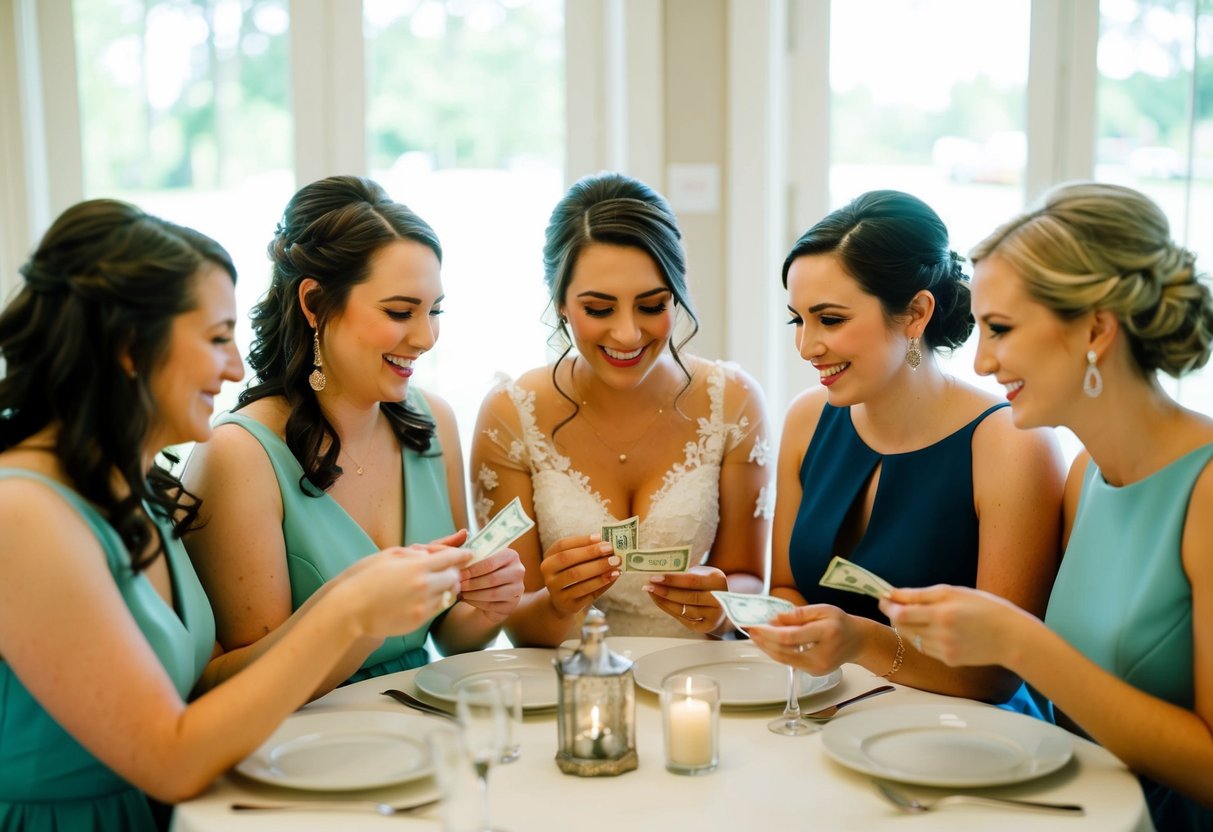
Creating a unique rehearsal dinner makes the event special and memorable for everyone involved. Focusing on personal touches and meaningful details can enhance the atmosphere and show appreciation for your guests.
Hosting With a Personal Touch
As the host, think about how to reflect your personality or the couple’s journey within the event. Consider choosing a theme that resonates with the couple. This could include favorite hobbies, colors, or shared experiences.
You might also personalize the menu by incorporating favorite dishes or family recipes. Sharing stories about why these choices were made can create deeper connections among guests.
Don’t forget about floral arrangements. Choose flowers that hold significance for the bride and groom, or that match the wedding theme. This adds a nice touch and sets the mood for a warm gathering.
Incorporating Meaningful Details
Adding little details can create lasting memories. For example, include photo displays or a slideshow of your journey as a couple. This allows guests to share in your story and feel more connected.
You might also want to create custom favors that reflect your personalities. These can be simple tokens like personalized candles or treats that guests can take home.
Consider incorporating special traditions or rituals from your backgrounds. This could be a toast, a blessing, or even a fun group game that encourages laughter and bonding.
Every detail, from the floral arrangements to the menu, contributes to a rehearsal dinner that truly feels like a reflection of you.