
Do British Men Not Wear Wedding Rings? Exploring Cultural Trends and Personal Choices
In recent years, you may have noticed a shift in the tradition of wearing wedding rings among British men. While many choose to adorn their fingers with these symbols of love, some men still choose to forgo this piece of jewelry. The choice whether to wear a wedding ring often depends on personal style and cultural norms rather than a lack of commitment.
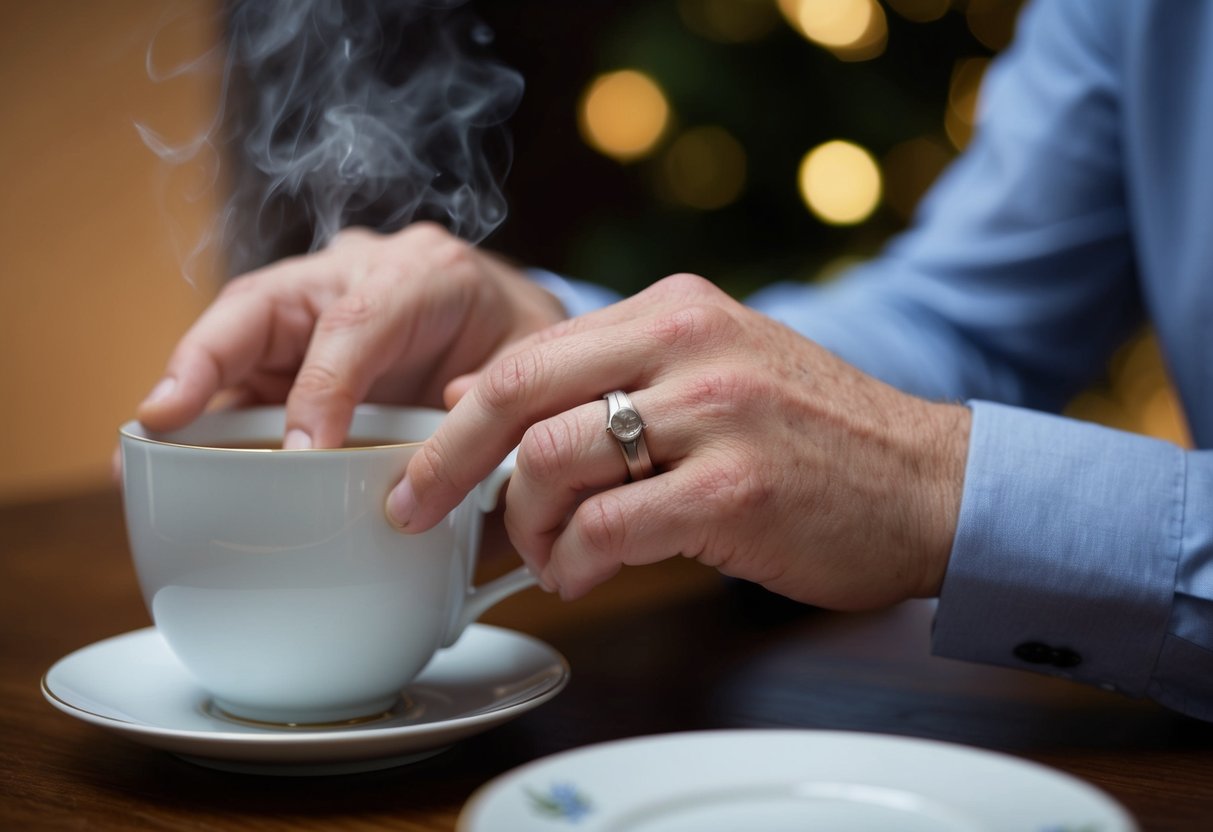
Historically, men wearing wedding rings is a relatively new trend in the UK. For generations, it was more usual for women to wear rings, while men saw it as less necessary. However, as attitudes toward marriage and symbols of commitment continue to evolve, more men are deciding to wear wedding bands to express their devotion.
It’s interesting to explore how these traditions vary not just within Britain, but across cultures. Understanding the reasons why some British men choose not to wear wedding rings can reveal much about changing views on marriage and masculinity today.
Historical Perspective on Men’s Wedding Rings
Men’s wedding rings have a rich history that highlights changing social norms and symbols of commitment. From ancient traditions to modern times, the significance and acceptance of wedding bands for men have evolved significantly.
Evolution of Wedding Bands From Ancient Times
The use of wedding bands dates back to ancient Egypt, where rings symbolized everlasting love and commitment. Egyptians crafted rings from materials like braided reeds, symbolizing the bond between partners.
As societies evolved, so did the design and material of wedding bands. By the mid-20th century, wearing a wedding ring became more common for men, influenced by cultural changes and societal expectations.
During World War II, many servicemen began wearing wedding bands as a token of love and loyalty to their spouses while away. This practice reinforced the idea of the wedding ring as a meaningful symbol of marriage for men.
Symbolism of Wedding Rings in Modern History
In modern history, a wedding ring represents love, commitment, and partnership. It serves as a public declaration of your marital status.
While British men traditionally may not have worn wedding rings, this trend has shifted. Many now embrace rings as an integral part of their commitment.
Today, the wedding band is not just a personal symbol but also a fashion statement. With various designs and materials available, couples can choose rings that reflect their unique styles and values. The growing acceptance of men’s wedding rings highlights a broader shift in attitudes toward masculinity and personal expression.
Cultural Significance and Personal Choice
Jewelry can hold deep meanings when it comes to expressing commitment, but individual choices can vary widely. For some, wearing a ring symbolizes love and dedication, while others might have personal reasons for opting out of this tradition.
The Role of Jewelry in Expressing Commitment
In many cultures, jewelry, especially wedding rings, signifies a promise of love and commitment. For you, wearing a ring might feel like a public statement of your relationship.
In the UK, some men choose alternative pieces, like a signet ring, to represent their commitment. A signet ring offers a personal touch, making it unique to the wearer. These rings often feature initials or family crests, adding a historical and familial element to your expression of love.
Personal Reasons for Wearing or Not Wearing a Ring
Your choice to wear or not wear a wedding ring can stem from various personal factors. Many men appreciate the meaning behind rings but might resist wearing one due to comfort issues.
Some might prefer not to have anything on their finger, feeling it doesn’t fit their lifestyle. Others might have cultural influences that downplay the significance of wedding bands. Ultimately, it’s about what feels right for you. Your relationship’s commitment can be expressed in ways that suit your individual values and lifestyle preferences.
British Royal Family and Wedding Ring Traditions
The British Royal Family has a unique approach to wedding ring traditions. This includes individual choices about wearing rings and how royal weddings can influence broader public trends.
Royal Family Members and Their Stance on Wedding Rings
When it comes to wedding rings, the men in the Royal Family often choose not to wear them. For example, Prince William and Prince Charles have opted for signet rings instead. This decision reflects a long-standing tradition within the family.
Prince Harry, however, broke from this tradition by wearing a wedding band when he married Meghan Markle. His choice was significant as it highlighted changing norms within the royal customs. While many royals may not wear wedding rings, the women in the family, such as Kate Middleton and Camilla, proudly display their engagement rings and wedding bands, often made from Welsh gold.
Influence of Royal Weddings on Public Trends
Royal weddings set trends that many people look up to. When Prince Harry and Meghan Markle married, their choices about rings influenced the public’s view of wedding jewelry.
People became interested in unique wedding bands, similar to the ones Harry and Meghan chose. This shows how royal decisions can create new fashion statements.
Moreover, the popularity of Princess Eugenie and her platinum wedding band further emphasized the shift towards personal expressions of style in rings. The influence of royal weddings often leads to increased demand for specific types of rings, like signet and creative wedding bands, reflecting personal tastes more than traditional choices.
Modern Factors Influencing Wedding Ring Trends
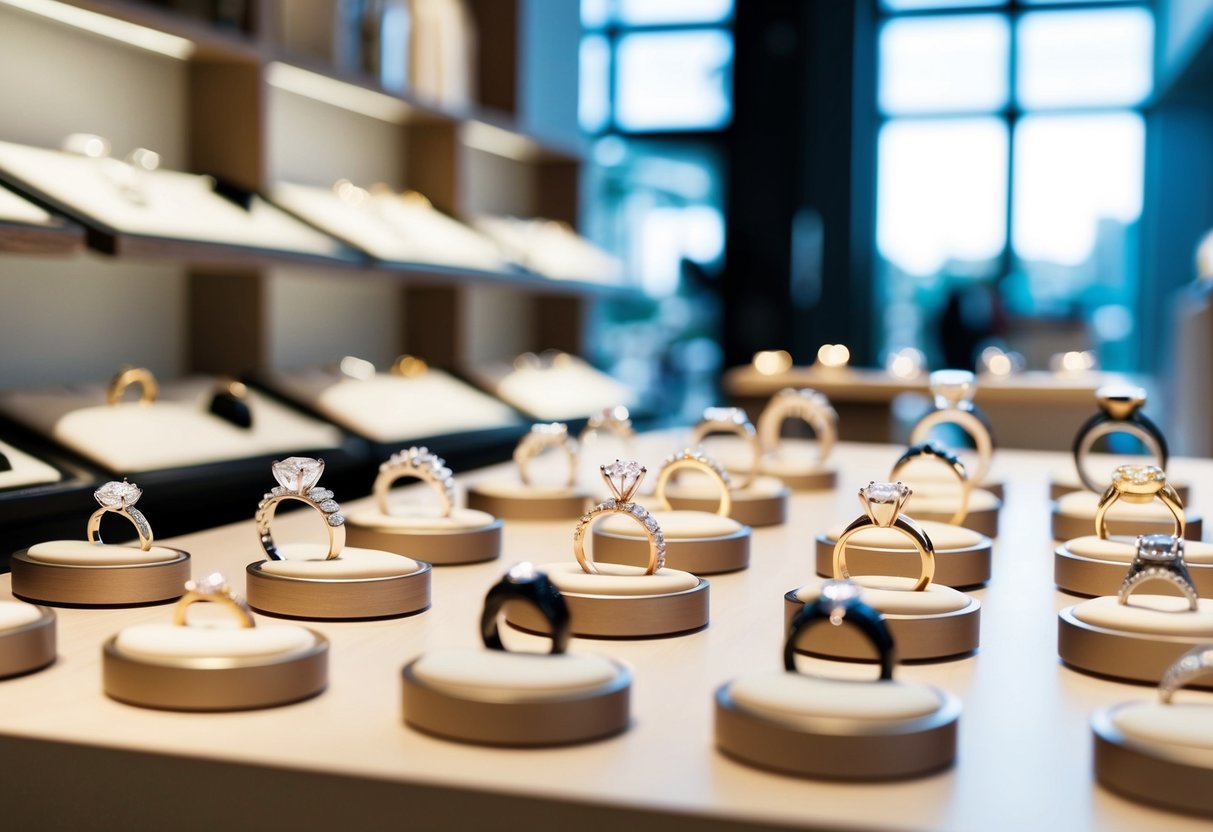
Today, various modern factors play a significant role in how British men view and wear wedding rings. Material preferences and influences from public figures shape these trends, making the choices more personal and unique.
Contemporary Material Choices and Styles
Many men today prefer wedding rings made from alternative materials rather than traditional gold. Options like titanium, tungsten, and platinum have gained popularity because they offer durability and a sleek look. You might also find rings made from wood or leather, adding a personal touch.
Designs have evolved to match individual styles. Sleek, minimalist bands are trending, as are rings featuring engravings or family crests. This trend allows you to honor your lineage or heritage while showcasing your personality. Gentlemen are now more inclined to choose rings that reflect their tastes rather than conforming to outdated norms.
Public Figures and Celebrities Impact on Trends
Influences from public figures and celebrities also shape wedding ring trends. For example, David Cameron, the former Prime Minister, wears a simple wedding band. This resonates with many men looking for a classic yet understated style. His choice shows that not every man feels the need for elaborate designs.
Royal family choices also impact this trend. The British royals have set examples of how wedding rings can be both meaningful and stylish. As more men see these figures wearing their rings, it encourages them to embrace this tradition. Your peers’ and leaders’ choices can help make wearing wedding rings feel more accepted and desirable.