
Do Couples Exchange Engagement Rings? Exploring Traditions and Trends
In today’s world, many couples are rethinking traditional roles and practices in relationships. One common question that comes up is whether both partners exchange engagement rings.
Traditionally, engagement rings were primarily given to women. However, many couples now opt to exchange rings as a celebration of their love and commitment to each other.
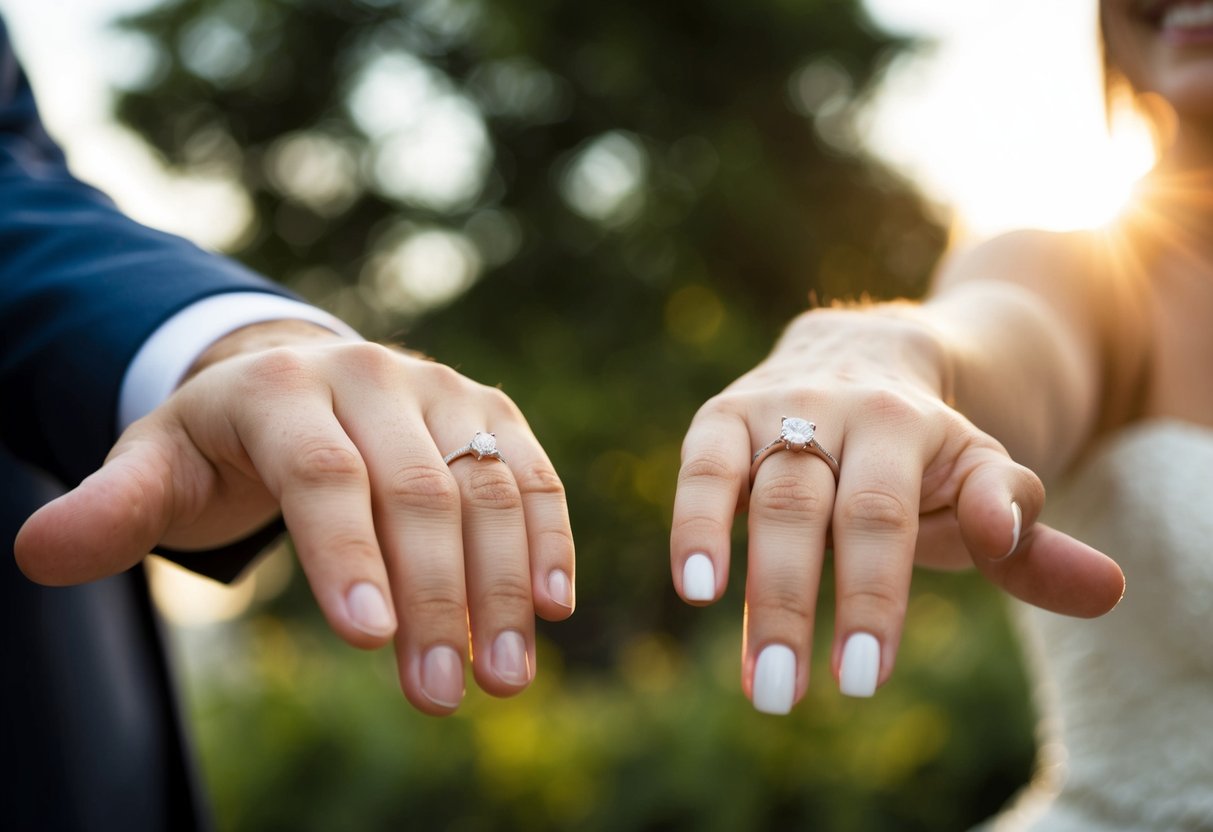
This shift in tradition allows for a more equal partnership, with each person wearing a ring that symbolizes their promise to one another. Engagement rings are no longer just a symbol of ownership but rather a shared reminder of the love and connection you have built together.
As you explore the beautiful customs associated with engagement rings, consider how these traditions can reflect your unique relationship. Whether you both choose to wear rings or have one partner wear a ring, the important part is the commitment and love that each ring represents.
The Tradition of Engagement Rings
Engagement rings hold deep significance in many cultures, symbolizing love and commitment. Their history dates back to ancient times and has evolved to include modern practices.
Historical Significance
The tradition of engagement rings can be traced back to ancient Rome, where couples exchanged metal rings as a sign of commitment. These rings were often simple bands that represented a man’s promise to his future wife.
Over time, this custom evolved. In the 15th century, diamonds began to be used in engagement rings, making them a popular choice for commitment rings. Today, diamond engagement rings are widely regarded as the standard, representing enduring love and devotion.
Engagement Ring Symbolism
Engagement rings symbolize not just love, but also a public commitment to a partnership. When you wear an engagement ring, it can signal to the world your intention to marry.
The choice of a diamond is significant; it is often associated with strength and clarity. Many couples now opt for unique designs or stones that reflect their personal stories and preferences, moving away from the traditional single diamond.
In some cultures, both partners exchange rings to show equality in commitment. This trend has gained popularity among same-sex and LGBTQ couples, emphasizing mutual dedication in a partnership.
The Exchange of Rings in Modern Weddings
In modern weddings, the exchange of rings has become a cherished moment. It represents love and commitment, often customized to reflect each couple’s unique story and values.
Ring Exchange Customs
During the ring exchange, couples typically present each other with wedding bands or engagement rings. This happens after exchanging vows, marking the transition into married life.
Jewish couples often follow a tradition where the groom places the ring on the bride’s right finger, while Christian ceremonies may involve both partners wearing rings on their left hands. These customs vary, but the overall sentiment of commitment remains constant.
Some couples choose to personalize their rings with engravings or unique designs to tell their love story. Whether simple or extravagant, the ring exchange is a heartfelt moment you will always remember.
Same-Sex Couples and Engagement Rings
In same-sex marriages, the ring exchange holds equal significance. Each partner may choose a ring that resonates with their identity and love. Many same-sex couples select matching engagement rings to symbolize their commitment in a way that feels right for them.
Traditions may be adapted or newly created to reflect the couple’s journey. For instance, some may incorporate elements of LGBTQ+ culture into their ceremony. The ring exchange is a chance to celebrate love in all its forms and create lasting memories.
Ring Bearers and Officiants
To enhance the ring exchange experience, many couples include a ring bearer in their ceremony. This child or special loved one carries the rings down the aisle, adding a touch of charm and innocence.
The officiant plays a crucial role in this moment, often guiding the couple on when to exchange rings. They may share a few words about the significance of the rings before the exchange, making the moment even more meaningful.
Whether you choose to follow traditional customs or create your own, involving a ring bearer and officiant adds joy to your wedding ceremony.
Planning and Shopping for Engagement Rings
Choosing an engagement ring can be an exciting experience. It’s important to consider both the style and quality of the ring as you start this journey. Here’s a closer look at how to find the perfect ring for you or your partner.
Choosing the Perfect Ring
When shopping for engagement rings, think about your partner’s personal style. Consider their preferences in color and metal. Popular options include white gold, yellow gold, and rose gold.
You can also choose from various diamond cuts like round, princess, or oval. Each cut offers a unique look.
If you’re unsure, it might help to talk to a wedding planner for advice on selecting rings that match wedding themes. Consider the size and comfort of the ring too. It’s essential that the ring feels good on the finger and suits their lifestyle.
Understanding Ring Quality and Cost
Engagement rings come in different qualities and price ranges. Understanding the 4 Cs—carat, cut, color, and clarity—can help you assess a ring’s quality.
- Carat refers to the weight of the diamond.
- Cut affects its brilliance.
- Color ranges from colorless to light yellow.
- Clarity describes how clear the diamond is.
Set a budget before you shop. Speak with jewelers about options that fit your price range. You might find that lab-created diamonds offer an affordable alternative. Always ask for a certification to ensure quality. Don’t hesitate to take your time to find the right ring that fits both your style and budget.
The Ceremony and Beyond
When it comes to the wedding ceremony, the order and significance of each moment play a vital role in your special day. You’ll focus on exchanging vows and showcasing your commitment to each other. Here’s what you need to know.
The Wedding Ceremony Order
The wedding ceremony follows a traditional sequence that helps create an emotional and meaningful experience. Typically, it begins with the welcome and opening remarks from the officiant.
Next, you may include readings or music, enhancing the atmosphere. After this, the highlight of the ceremony comes with the vow exchange. Here, you and your partner declare your love and promises to each other.
Typically, the exchange of wedding rings occurs following the vows as a physical symbol of your commitment. You’ll wear these rings on the ring finger of your left hand, symbolizing your bond.
Vows and Commitment
Your wedding vows are the heart of the ceremony. This is where you express your love and commitment. As you speak your vows, you can choose traditional lines or personalize them to reflect your unique relationship.
The commitment rings you exchange act as a reminder of the promises you’ve made. They symbolize your unity and the start of your journey together as married couples. Many couples find this moment deeply moving, often leading to tears of happiness.
Taking the time to craft meaningful vows can strengthen your connection and set a positive tone for your marriage.
After your vows, it’s common for friends and family to celebrate this commitment while supporting your new life together.