
Do Divorced Parents Sit Together at a Wedding? Navigating Seating Arrangements with Care
Planning a wedding can be a joyful yet challenging experience, especially when divorced parents are involved. You may find yourself wondering about the best way to arrange seating during the ceremony and reception. It’s essential to consider the dynamics between your parents, as they may either sit together or apart based on their relationship.
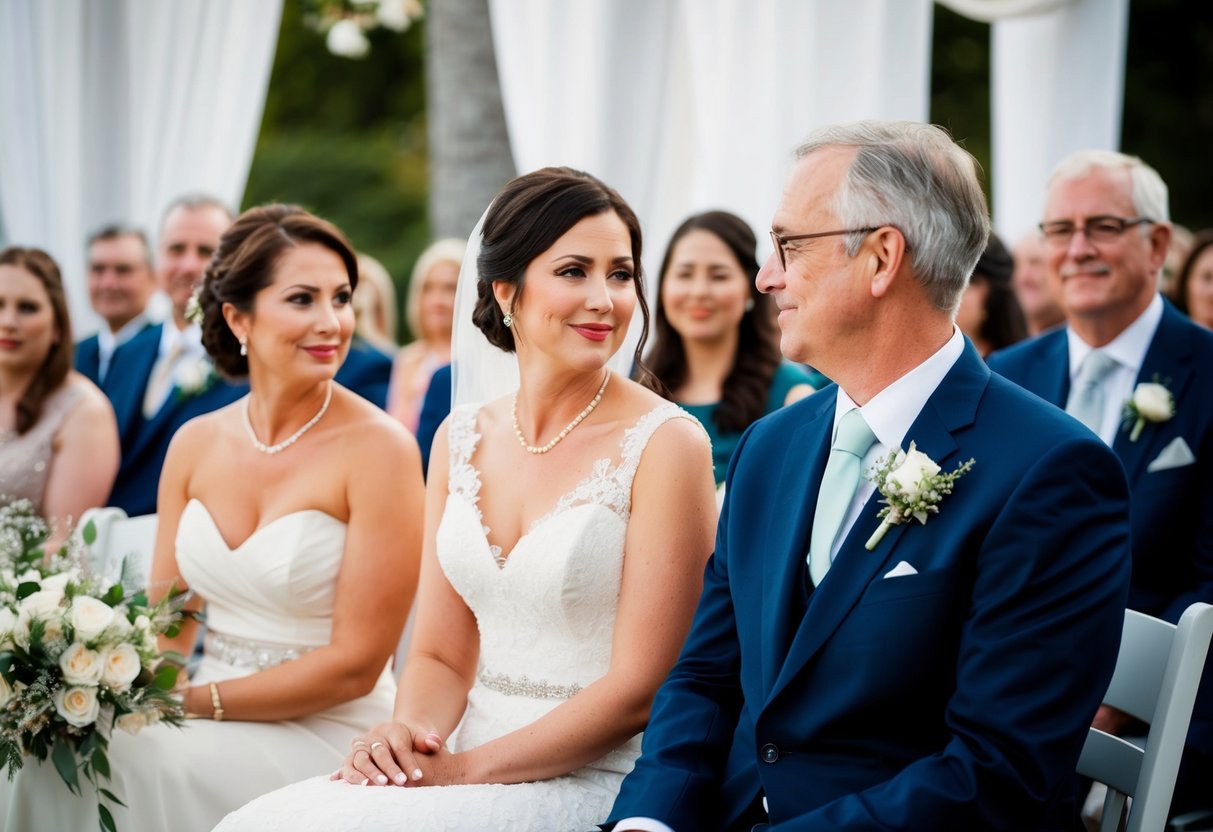
For many couples, deciding whether divorced parents should sit together is more than just a seating chart issue; it directly impacts the overall atmosphere of the day. If your parents have a civil relationship, seating them at the same table could promote harmony. However, if there’s tension, separating them might be the better choice to avoid any awkward moments.
Your wedding day is about celebrating love, and ensuring that your parents feel comfortable is an important part of that. As you make these decisions, remember that every family is unique, and there’s no one-size-fits-all answer to this question. By communicating openly with your parents, you can create a plan that honors both of them while keeping the focus on your special day.
Understanding Wedding Ceremony Seating
Seating arrangements at a wedding ceremony can be quite sensitive, especially when parents are divorced. It’s important to consider family dynamics and choose a plan that honors everyone involved. A well-thought-out seating chart can help create a welcoming atmosphere for all guests.
Traditional Seating Arrangements
In traditional weddings, parents typically sit in the front row. You may choose to place your divorced parents in this area to acknowledge their roles in your life. However, think about using a buffer, such as a close relative, between them. This can help ease any tension and make everyone feel comfortable.
The front row is usually reserved for immediate family. Make sure to communicate with both parents about seating preferences. Establishing a dialogue can help prevent misunderstandings. Clear communication sets a positive tone for the day.
Seating for Blended Families
If you have a blended family, seating arrangements can become more complicated. You may have stepparents who also deserve recognition on this special day. Consider creating a seating plan that reflects these family dynamics.
One approach is to have your biological parents on one side and stepparents on the other. This can help show respect for both families. You can also assign specific roles to those in attendance. For example, designate a close friend or relative to sit between divorced parents.
Making these arrangements a priority can lead to a smoother ceremony and reception. Everyone wants to feel included. A little planning can go a long way.
Etiquette for Seating Stepparents
When seating stepparents, remember to prioritize sensitivity and respect. They play important roles in your life and should be acknowledged during the ceremony. Discuss seating with both biological and stepparents ahead of time.
Guidelines suggest that stepparents can sit in the second row if biological parents are in the front. This allows for visibility without diminishing their importance. If you wish to include stepparents in the ceremony, consider having them walk down the aisle with you or participate in the festivities.
It’s always best to have an open discussion about these arrangements. This can help ensure that everyone feels valued and appreciated on your big day.
Planning Reception Seating for Divorced Parents
Planning seating for divorced parents can be a delicate task. It’s important to create an environment where everyone feels comfortable and included. Thoughtful arrangements can ease tension and allow for memorable moments during your special day.
Creating a Comfortable Atmosphere
Begin by mapping out the seating before the reception. Think about your parents’ relationship and where they might be most comfortable. You can choose to seat them at separate tables or give one a place at the head table.
Using buffers like siblings or grandparents can help. These familiar faces can provide support and lessen any potential awkwardness. Make sure to communicate your seating plan clearly to your guests and the wedding staff so they understand the setup.
Staging Family Photographs
You’ll want to consider how to arrange family photos. Discuss with your photographer the best way to include both parents in your pictures while maintaining harmony. It’s often helpful to do separate family groupings.
For instance, take pictures with each parent’s side of the family separately. This way, everyone feels valued and included. Don’t forget to include the special moments, like a parents dance, as part of your photos to capture those cherished memories.
Special Moments and Traditions
Plan for any special moments you want to include in your reception. Depending on their relationship, think about how your parents can be part of these traditions.
For example, if you want to have a toast from both of them, you might consider organizing them to speak at different times. This can ease tension while allowing you to honor both parents.
Being mindful of family dynamics can make all the difference, ensuring your wedding reception is enjoyable for everyone involved.
Navigating New Partners and Guest List Complications

Weddings can be tricky when divorced parents have new partners. It’s essential to create a comfortable environment for everyone involved, especially when planning the guest list and seating arrangements.
Integrating New Partners into the Celebration
Including new partners can strengthen family bonds. Early in the planning, discuss how to include them.
Consider inviting your parents’ partners to the wedding, keeping in mind their feelings and comfort. This fosters a positive atmosphere.
List the partners on wedding invitations to ensure they feel included. If they’re attending the wedding, seating them together might help avoid discomfort. If tensions run high, separate them at different tables with supportive family members nearby.
This way, everyone feels valued without bringing drama to the celebration.
Managing the Guest List with Diplomacy
Creating the guest list can be stressful. Clear communication with your parents is key.
Talk about who they would like to invite. Be open and honest about the total number of guests to avoid surprises and manage wedding costs.
When including step-parents, ensure their feelings are considered, too. Balancing relationships may require thoughtful discussions.
Make decisions based on your vision for the day. Show appreciation for your parents’ input while keeping your goals in mind.
This approach helps ensure everyone feels respected and involved, resulting in a more joyful celebration.
Final Thoughts on Seating Chart Success
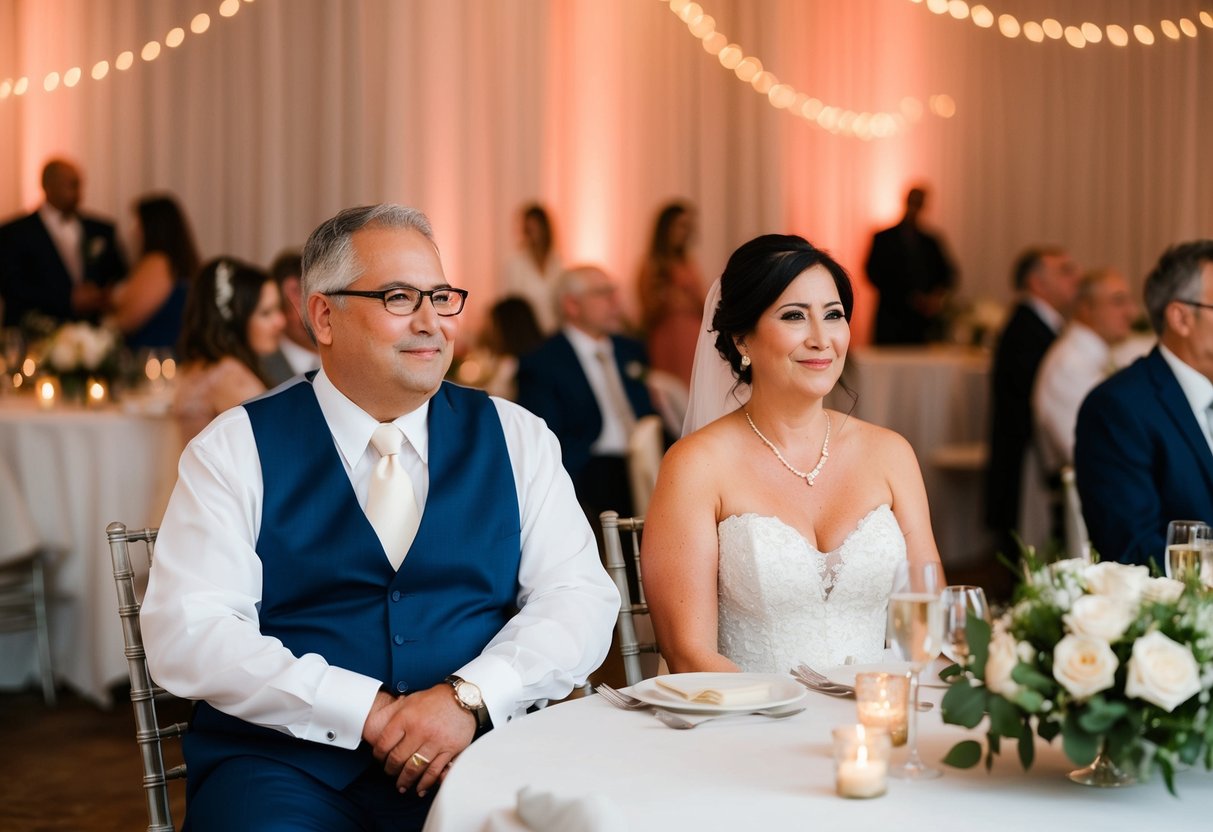
Creating a seating chart might feel challenging, especially with divorced parents. Here are some tips to help you succeed.
First, consider a sweetheart table for you and your partner. This gives you a comfortable space during the reception. It can help keep family dynamics more manageable.
When planning your seating chart, think about comfort. Place divorced parents in the same row, if feasible. This encourages civility, especially during the ceremony. If seating them together feels risky, consider placing a relative or friend between them as a buffer.
Additionally, be mindful of family relationships. Talk to your parents beforehand about seating preferences. Open communication can ease tensions and make for a more enjoyable day.
Use a seating chart that is easy to read. You can create a simple table layout on a poster or display it digitally. Clearly label each table to help guests find their seats quickly.