
Do DJs Pay for All Their Music? Understanding Licensing and Costs
You might wonder if DJs pay for all their music. The answer is that while some DJs do pay for their music, many find ways to access songs without directly purchasing every track. This is important to know, especially when thinking about copyright law and music licensing. DJs need to ensure they have the right permissions if they plan to perform in public.
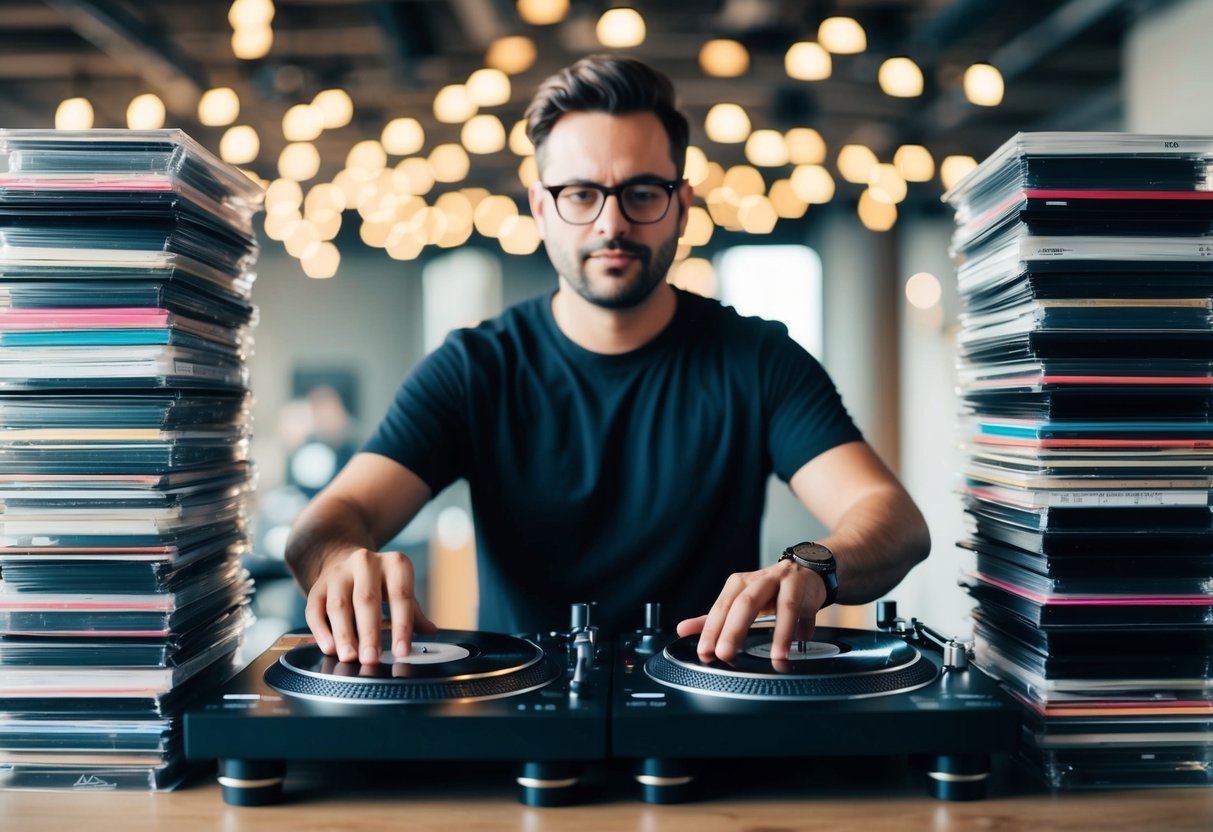
Many professional DJs use various platforms to access a wide range of music. Some rely on streaming services or record pools that provide tracks for a subscription fee. Others may receive promotional tracks directly from labels or producers, allowing them to enrich their sets without incurring significant costs. Understanding these aspects can help you appreciate the business behind the beats.
When it comes to public performance, DJs must also consider music licensing. In many cases, they need to obtain licenses to play copyrighted songs at events. This means that while some tracks are available for free, others require payment to keep everything legal and above board. With the right approach, DJs can build diverse playlists while navigating the complexities of music ownership.
The Role of Performing Rights Organizations
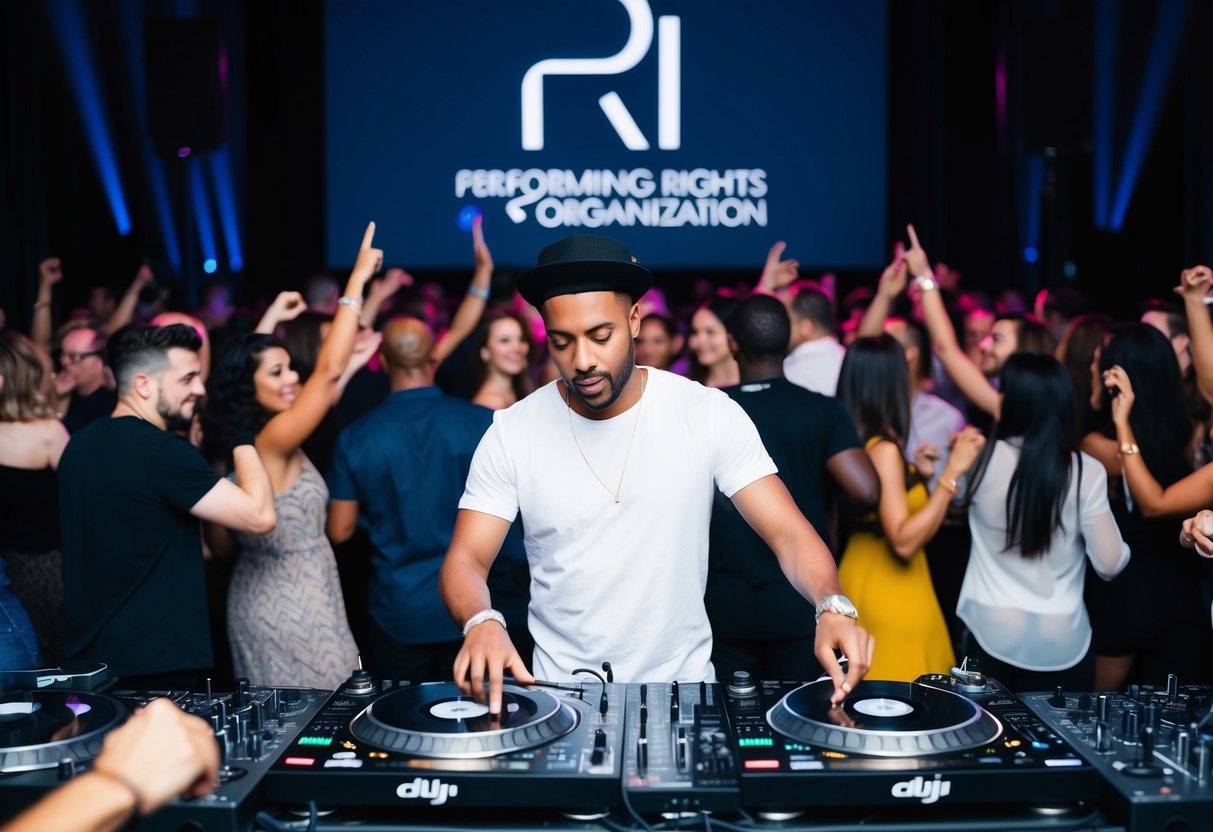
Performing Rights Organizations (PROs) play an essential role in the music industry, especially for DJs. They ensure that artists and producers receive fair compensation when their music is played in public. Understanding how these organizations work can help you navigate the world of music licensing effectively.
Understanding ASCAP, BMI, and SESAC
ASCAP (American Society of Composers, Authors, and Publishers), BMI (Broadcast Music, Inc.), and SESAC (Society of European Stage Authors and Composers) are the three main PROs in the United States. They represent songwriters and music publishers, collecting payment for the public performance of music.
When DJs play music at venues, these organizations ensure that artists get paid through performance royalties. Each PRO has its own set of rules and fees, making it vital for DJs to know which one covers their preferred music.
How Performing Rights Organizations Collect Royalties
PROs collect royalties from venues that want to play music. These venues pay an annual fee to the PRO for a license to use music publicly. This method provides artists a chance to earn money when their songs are played live.
The fees vary based on venue size, location, and type of event. This means that a nightclub may pay differently than a concert hall. After collecting these fees, the PRO distributes the royalties to the artists based on how often their music is played.
The Relationship Between DJs and PROs
As a DJ, it’s important to understand your relationship with PROs. When you play music at a venue, you usually benefit from the venue’s licensing with PROs. This means you can play a wide range of songs without needing to pay individual royalties.
However, you may still want to register with a PRO if you create your own music. This way, you can collect royalties when your tracks are played. By knowing the rules and requirements of ASCAP, BMI, or SESAC, you ensure that you and the artists you support are compensated fairly.
Licensing Laws and Performance Rights
When you perform as a DJ, understanding licensing laws is key. These laws help protect artists and ensure they get paid fairly. Let’s dive into how music licensing works and what you need to know about performance rights.
Navigating the Complexities of Music Licensing
Music licensing can be tricky. You need to secure the right licenses to play songs legally at your events. This means getting permission from the original artists and copyright holders.
Many DJs rely on Performance Rights Organizations (PROs) like ASCAP, BMI, and SESAC to help with this. These organizations handle licensing and royalties. They make sure that when you play music, the creators get compensated appropriately.
Each venue typically holds a public performance license, which covers the music played. This means you’re covered when performing at clubs, festivals, or other events, as long as the venue has the necessary licenses.
The Cost of Public Performance and Licensing Fees
Licensing fees can vary widely based on several factors. These include the venue size, type of event, and attendance numbers. Generally, larger venues and bigger events might face higher fees.
For instance, a nightclub may pay a flat annual fee to a PRO for all music played. Smaller venues might pay on a per-event basis. It’s important to factor this cost into your budget as a DJ.
Remember, failure to pay licensing fees can result in serious legal trouble. Venues usually take care of this, but it’s wise to double-check that your performance is covered. This helps you avoid unexpected fines or copyright claims.
Understanding Copyright Infringement Risks
Copyright infringement can lead to significant penalties. If a DJ plays music without the proper licenses, they risk getting sued by the copyright holders. Even unintentional infringement can lead to costly outcomes.
It’s crucial to stay informed about which songs are covered under your venue’s license. Some songs may require separate licenses. Be proactive in understanding your rights and the limitations of your licenses.
Using unauthorized music can damage your reputation as a DJ. It’s important to respect the rights of artists. Most importantly, you’ll want to create a trustworthy relationship with venues, which can lead to more gigs in the future.
Sources of Music for DJs
Finding the right music is essential for DJs. There are various sources available, from DJ pools to digital stores and even royalty-free options. Understanding these avenues will help you choose the right platform for your needs.
The Significance of DJ Pools and Digital Music
DJ pools are a popular choice for many DJs. These platforms offer a wide selection of tracks, often ahead of official release dates. You can find new music that’s ready for mixing in your sets.
Some well-known DJ pools include Digital DJ Pool and DJ City. These services often require a subscription but provide access to high-quality tracks tailored for professional use.
Digital music also continues to evolve, giving you the flexibility to curate your playlists effortlessly. By using digital music platforms, you can explore various genres and styles to fit your unique sound.
Royalty-Free Music: A Viable Option?
Royalty-free music can be a great choice for DJs, especially for those starting. This option allows you to use tracks without worrying about paying royalties each time you play them.
You can find royalty-free music on websites like AudioJungle and Artlist. These sites offer a range of genres and can help enhance your sets without added costs.
Remember to read the licensing agreements. Some tracks may have specific restrictions on public use, so it’s important to confirm what you can and cannot do with your selections.
Purchasing Music from Online Stores
In addition to DJ pools and royalty-free music, buying tracks from online stores is another way to build your collection. Popular platforms include Beatport and iTunes.
When you purchase music, you own the rights to use it in your sets. This can provide peace of mind, especially when you’re performing live.
Online stores often provide a wide variety of genres, making it easy to find exactly what you need. Look for charts and recommendations to discover new music and ensure you’re staying up to date.
Distribution and Sharing of DJ Mixes
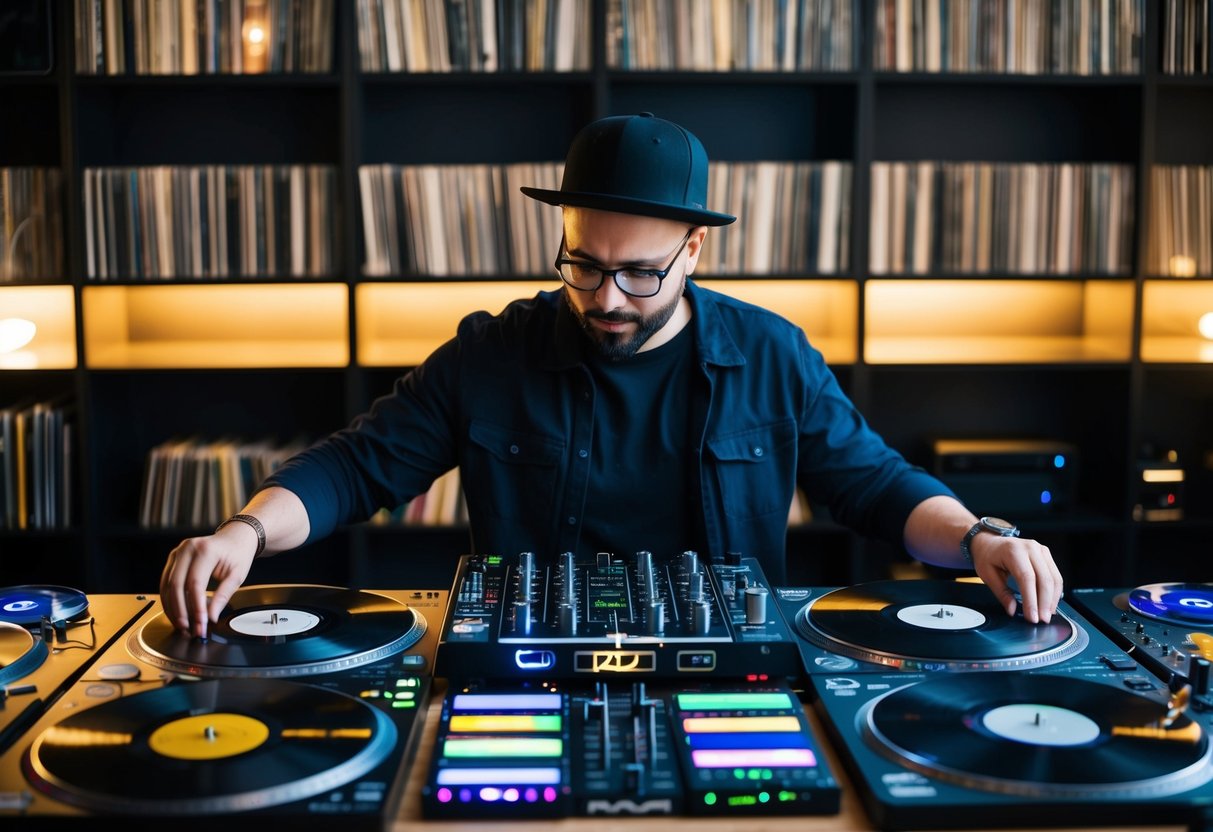
When you create DJ mixes, sharing them online is a great way to showcase your skills. However, there are important factors to consider regarding where you upload your mixes and the legal aspects of copyright.
Uploading Mixes to Platforms like YouTube and SoundCloud
Platforms like SoundCloud and YouTube are popular choices for sharing DJ mixes. These platforms allow you to reach a wide audience and connect with other music lovers.
When uploading your mix to SoundCloud, you can take advantage of its built-in community features, which help you engage with listeners. You can also get feedback and discover new artists.
YouTube is another excellent option. You can create visually appealing videos to accompany your mixes. Just remember to choose the right settings to make your content discoverable.
Legal Considerations and Copyright for Shared Mixes
Sharing your mixes online involves understanding music copyright and copyright law. When you use copyrighted music in your mixes, you must have the proper licenses to avoid legal issues.
On SoundCloud, licensing organizations ensure artists are paid. If you distribute your mix for free, make sure to respect copyright laws and avoid using unauthorized tracks.
YouTube has its own rules about copyright. If you use copyrighted music, your video may be taken down or muted. Always consider using royalty-free music or tracks you have permission to use to help you stay safe legally.