
Do Engagement Rings Go Down in Value? Understanding the Jewelry Market
When you buy an engagement ring, you might wonder about its future value. Engagement rings can depreciate, and many people lose money when they try to resell them. The resale value often ends up being less than the original purchase price due to various factors, including market conditions and the markup that jewelers typically add.
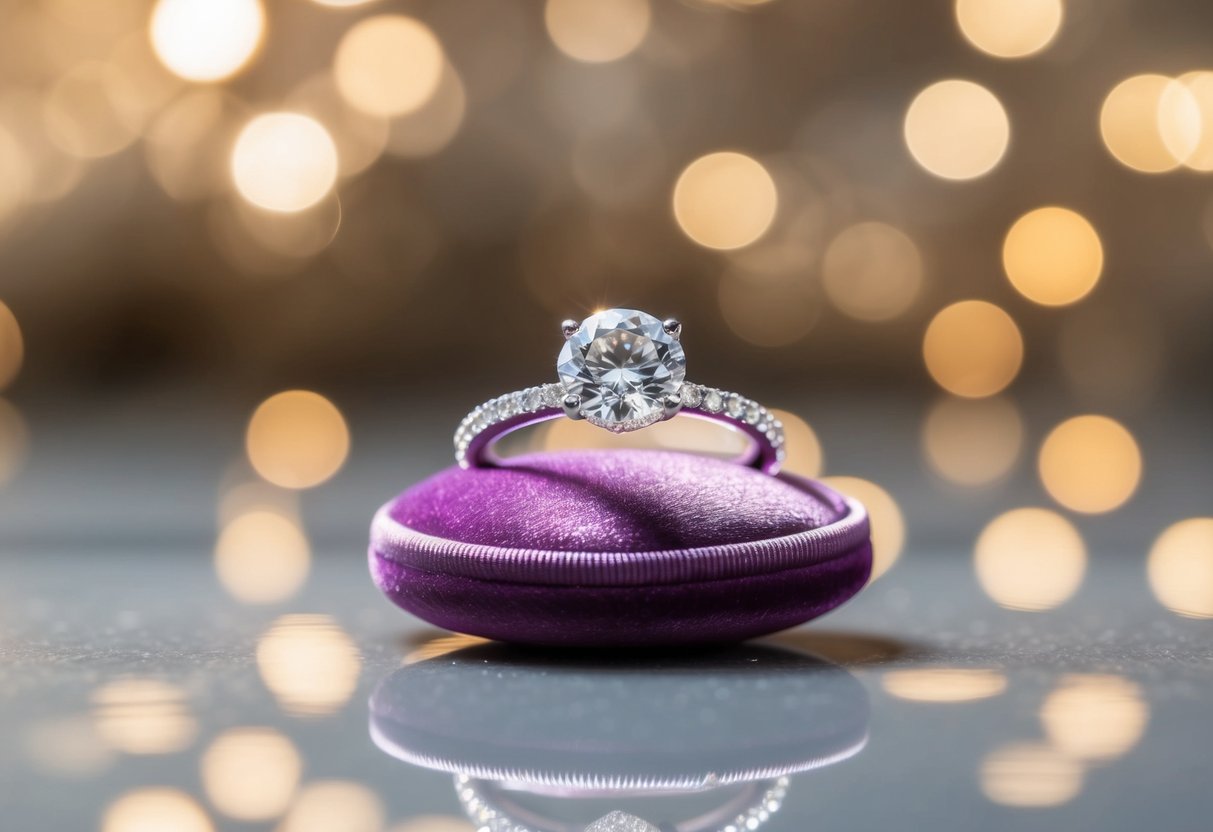
Understanding the market value of engagement rings and what influences that value can be key. Styles and consumer preferences change over time, affecting how much someone is willing to pay. It can be surprising to learn that even high-quality rings might not fetch the price you expect when selling.
If you’re considering buying a ring or thinking about reselling one, it’s important to know what to expect. Exploring the factors that impact the value of engagement rings, such as the diamond quality and market demand, will help you make informed decisions.
Understanding Engagement Ring Value

Engagement ring value is influenced by several key factors, including the qualities of the diamond and the brand associated with the ring. You’ll also find that market trends play a vital role in determining what a ring is worth, especially in the resale market.
Components of Ring Value: The 4 C’s
When assessing a diamond engagement ring, the 4 C’s are essential: cut, color, clarity, and carat weight.
-
Cut: This affects how well the diamond reflects light. A well-cut diamond sparkles more, increasing its overall value.
-
Color: Diamonds are graded on a scale from D (colorless) to Z (light yellow). Colorless diamonds are rarer and typically more valuable.
-
Clarity: Diamonds with fewer inclusions and blemishes are more desirable. Clarity is graded from Flawless (best) to Included (worst).
-
Carat Weight: This measures the diamond’s size. Larger diamonds are more valuable, but value increases with quality as well.
Understanding these factors helps you evaluate if you’re getting a fair price for your ring.
Brand Value: Tiffany and Cartier
Luxury brands like Tiffany and Cartier can significantly influence a ring’s market value. Their designs often command higher prices due to their reputation and craftsmanship.
A Tiffany ring, for instance, is highly sought after because of the brand’s commitment to quality and unique designs. Cartier, known for its exquisite jewelry, also holds high resale value.
When purchasing from these brands, you’re often paying for more than just the ring; you’re also investing in the brand itself, which can be advantageous if you choose to sell or trade it later.
Market Trends and Resale Realities
Market trends can affect the value of your engagement ring over time. Factors such as economic conditions and consumer demand impact prices in the resale market.
Typically, diamonds can lose about 25% to 50% of their retail value when sold again. This decline occurs due to market fluctuations, high initial markups, and changes in buyer preferences.
Staying informed about the ups and downs of the market can help you understand the value of your diamond engagement ring in the long run.
Factors Influencing Resale Price
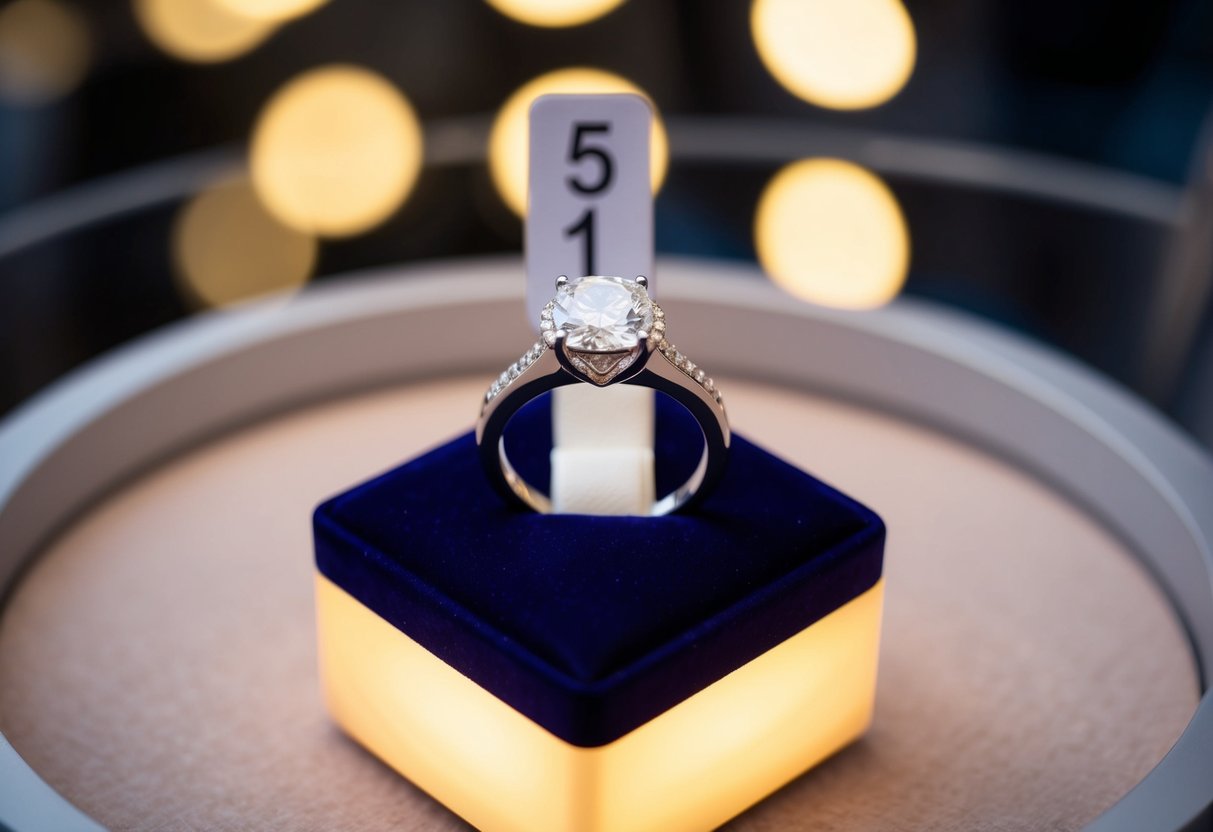
When you think about selling an engagement ring, several key factors can affect its resale price. Understanding these will help you make informed decisions and get the best value.
Importance of Certification and Grading
Certified diamonds typically hold a higher resale value. Having a certificate from a reputable organization like GIA confirms the diamond’s quality. A GIA report includes essential details about the diamond’s cut, clarity, color, and carat weight.
These characteristics directly impact demand. A well-graded diamond, especially one with high ratings, often attracts more buyers. When selling your ring, providing the certification can assure potential buyers of what they are getting, which can help you command a better price.
How Setting Style and Craftsmanship Impact Value
The setting and craftsmanship of your engagement ring play significant roles in its resale value. Rings made with high-quality materials and intricate designs tend to be more valuable. Styles that are timeless or in demand can also help maintain value.
Consider settings like solitaire or halo designs. These are often sought after, which can positively influence the resale price. Ultimately, a well-crafted ring that looks good will appeal to a wider audience. Quality craftsmanship can make your ring stand out and attract offers that align with its true worth.
Selling Your Engagement Ring

When it comes to selling your engagement ring, understanding where and how to sell it is key. You also need to think about the difference between sentimental value and its actual market value. Here’s what you should know.
Where and How to Sell Effectively
You have several options for selling your engagement ring. Consider using online platforms, local jewelry stores, or pawn shops. Platforms like eBay, Worthy, or Craigslist allow you to reach a wider audience, but be careful of scams.
Local jewelers may offer cash for your ring, but their prices can be lower than expected. Pawn shops can provide quick cash, but you might not get the best value.
Research the second-hand jewelry market to get a sense of current prices. Remember, most people overestimate what their engagement ring is worth.
Assessing Sentimental vs. Actual Value
Your ring may hold great sentimental value, but this often doesn’t translate to a higher sale price. Actual value reflects what someone is willing to pay based on market conditions.
To find a realistic selling price, get an insurance appraisal. The appraisal can help you determine the ring’s worth in the current market.
Keep in mind that second-hand engagement rings tend to sell for significantly less than new ones. The average used ring can depreciate by 25% to 50%. Knowing the difference will help you manage your expectations when you sell your ring.
Budgeting for an Engagement Ring

Budgeting for an engagement ring can feel overwhelming, but you can simplify the process by breaking it down.
First, think about your total budget. Instead of feeling pressured to meet a certain standard, focus on what feels comfortable for you.
Consider the average costs. For example, the average diamond engagement ring can cost around $6,100. You might find options for less or even more, depending on your preferences.
When choosing your diamond, remember that size and quality matter. A 0.5 carat diamond can range in price from $1,000 to $3,000, depending on its cut, color, and clarity. Luxury retail prices can be much higher, so check the wholesale market for potentially better deals.
Next, outline your monthly expenses. This can help you set a realistic ring budget. Aim to save a specific amount each month until you reach your goal.
Lastly, it’s okay to be creative. You can look at alternative stones or vintage rings that may offer unique designs at better prices. This way, you can stay within your budget while still finding a special piece.
Remember, it’s about the meaning behind the ring, not just the price tag. Choose something that fits both your style and your finances.