
Do Father of the Bride and Groom Have Buttonholes? A Quick Wedding Guide
On your wedding day, every detail matters, and that includes the attire of key family members. Both the father of the bride and the father of the groom typically wear buttonholes. These small yet meaningful floral accents are a wonderful way to distinguish important male figures in the ceremony.
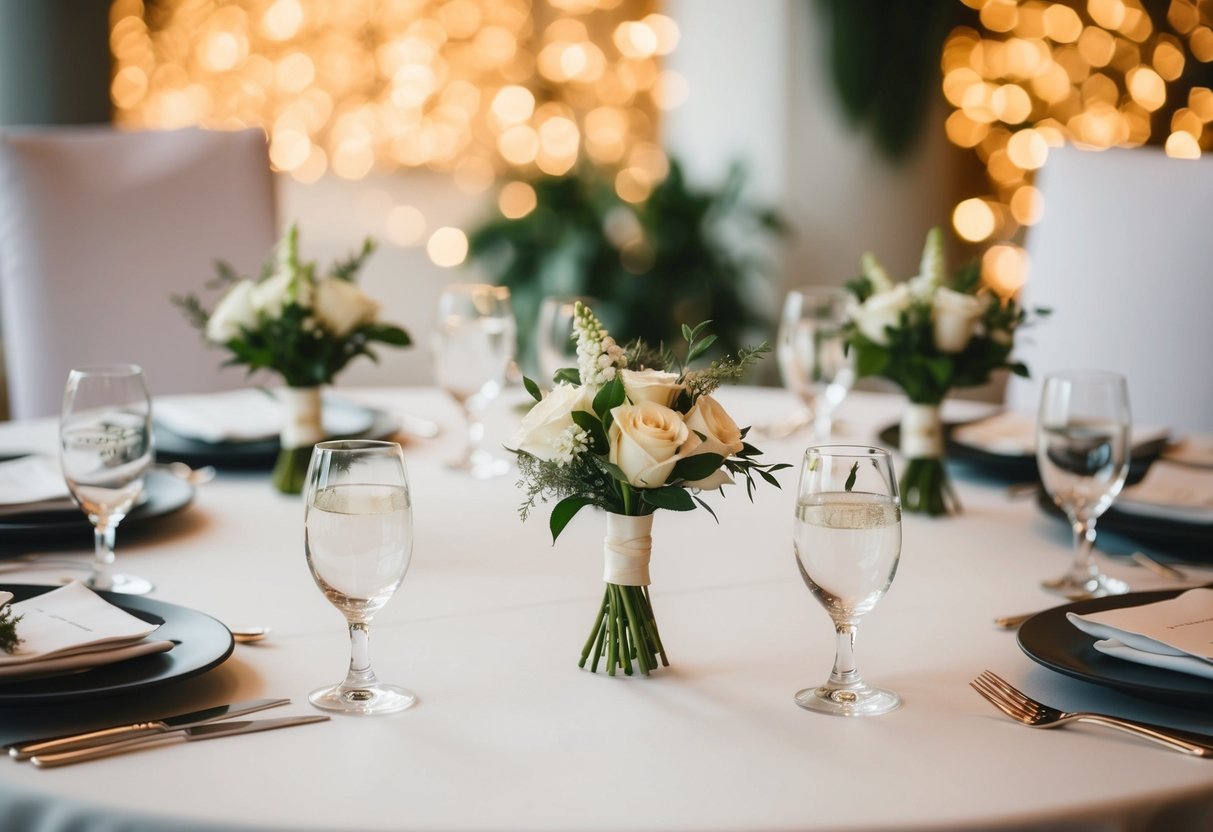
Not only do buttonholes add a touch of elegance to their outfits, but they also follow wedding etiquette that honors their roles in your special day. While the focus is often on the bride, having these thoughtful details can make the fathers feel recognized and appreciated.
As you prepare for your wedding, consider including buttonholes for your dads to celebrate their significance. This small gesture can add extra charm to your wedding day and create lasting memories for everyone involved.
The Role of Buttonholes in Wedding Traditions
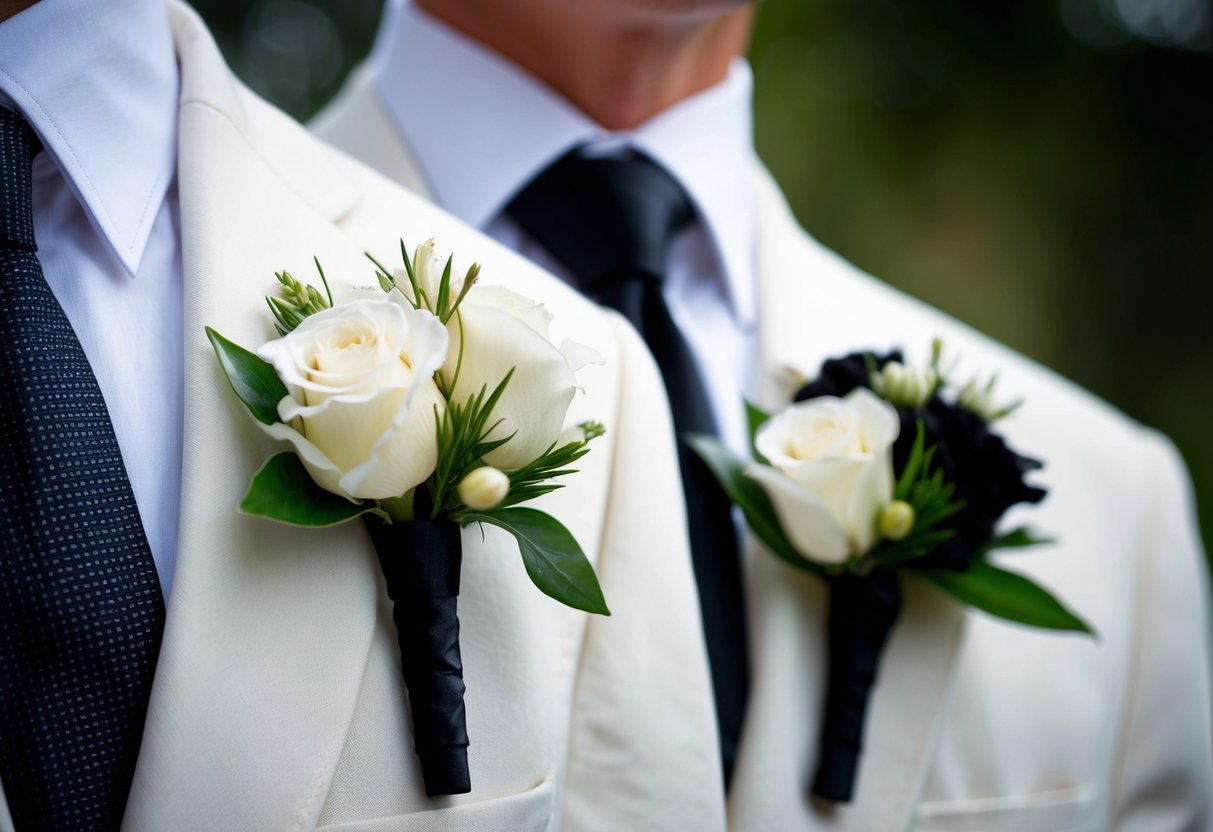
Buttonholes, also known as corsages or boutonnieres, hold an important place in wedding traditions. They serve as a symbol of honor and distinction for key members of the wedding party, including the fathers of the bride and groom.
Significance of Buttonholes for Fathers
For fathers of the bride and groom, wearing a buttonhole is a way to celebrate their important roles on this special day. It shows their support and love for the couple.
Typically, the buttonhole is worn on the left lapel, reserved for male members of the wedding party, including groomsmen and ushers. This small floral arrangement adds a touch of elegance and unity among the wedding party.
Buttonhole etiquette suggests choosing flowers that complement the wedding theme and colors. It’s a simple yet meaningful detail that makes the fathers feel special and included in the celebration.
History and Tradition of Wearing Buttonholes
The tradition of wearing buttonholes dates back to the 19th century. Originally, flowers were worn to signify purity and new beginnings, reinforcing the importance of the wedding ceremony.
Over time, it became customary for key figures in the wedding, such as fathers, to wear these floral accents. This practice helps distinguish members of the wedding party from other guests.
Today, it is typical for both the groom and fathers to wear buttonholes that coordinate with the bride’s bouquet. This showcases a sense of connection and harmony throughout the wedding. By incorporating these floral elements, you help uphold a cherished custom while adding personal flair to the occasion.
Choosing the Right Style and Fit
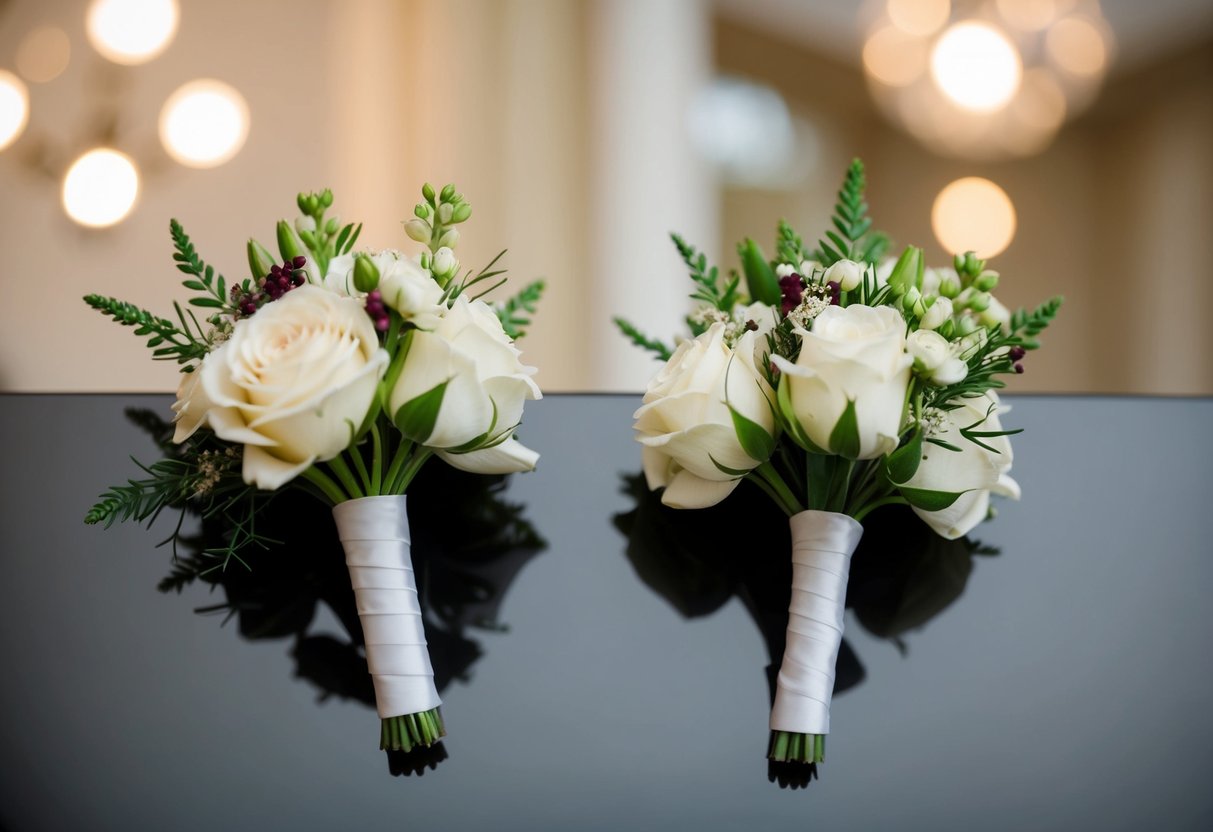
Selecting the right style and fit for buttonholes is essential. It not only enhances the overall appearance but also ties in with the wedding theme.
Matching Buttonholes With Wedding Attire
When choosing buttonholes for the father of the bride and groom, it’s important to match them with wedding attire. If the groomsmen are wearing classic black tuxedos, consider a simple white or cream flower to maintain elegance.
For lighter suits, like grey or beige, you might opt for brighter flowers that add a pop of color.
Tip: If the wedding has a color theme, choose buttonholes that reflect those colors. This creates a cohesive look among the bridal party and adds to the visual appeal of the event.
Complementing the Bridal Bouquet and Wedding Theme
Your buttonhole should complement the bridal bouquet and overall wedding theme. If the bride’s bouquet is full of roses and greenery, consider a buttonhole featuring a single rose or a similar flower. This consistency creates a harmonious look throughout the wedding party.
Make sure to discuss the flower choices with your florist. They can suggest options that match the bouquet while also being suitable for the dads and groomsmen. Paying attention to this detail reinforces the theme, making it visually appealing for guests.
Fit and Placement on the Suit
The fit and placement of a buttonhole is an often overlooked detail. It should be positioned on the left side of your suit or tuxedo, ideally at the lapel.
The buttonhole should sit at a slight angle to ensure it is visible without sticking out awkwardly.
Important: Ensure the buttonhole is securely attached so it doesn’t fall off during the day. Use a pin or double-check with your tailor for the best way to fasten it. A neatly placed buttonhole adds a polished touch to your wedding attire.
Incorporating Floral Designs and Colors
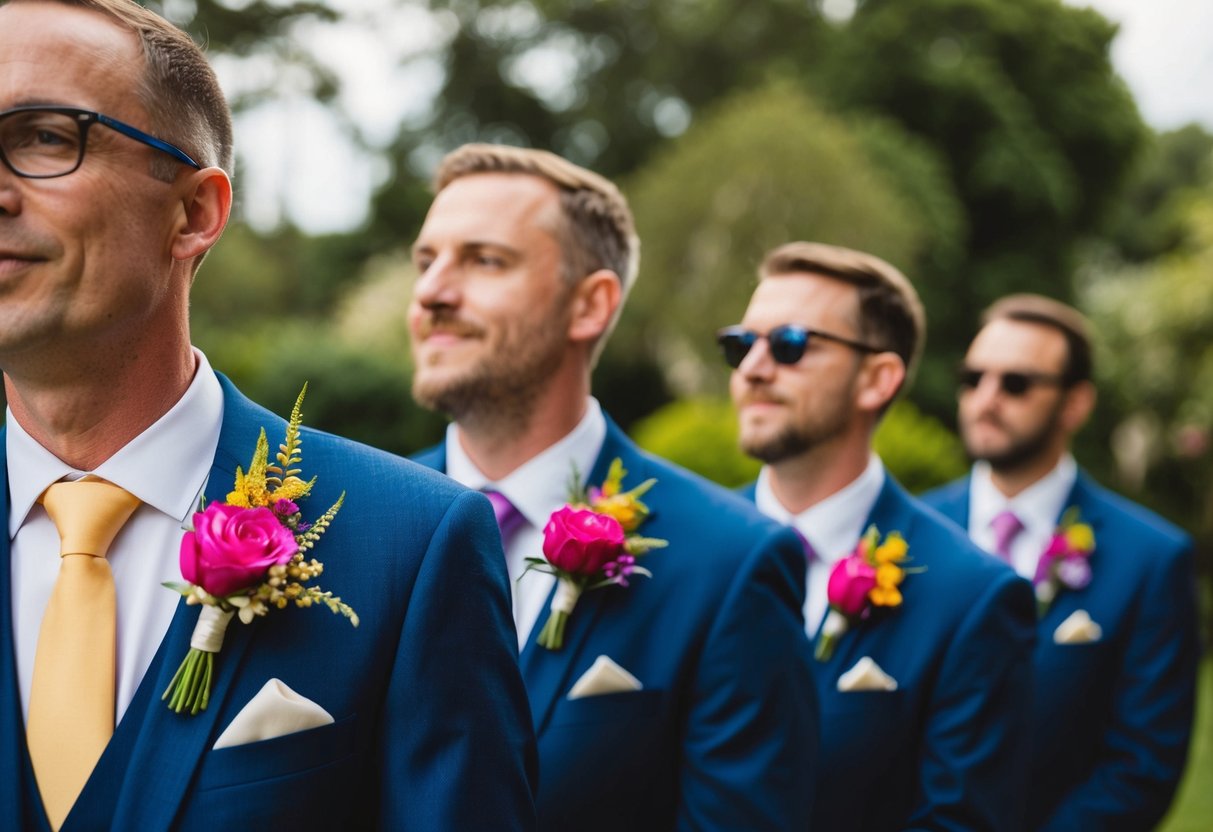
Choosing the right flowers and colors for buttonholes is a key part of wedding planning. This not only enhances the overall look but also ties together the themes of the wedding. Below are essential tips for selecting flowers and creating beautiful floral arrangements.
Selecting Flowers and Colors for Buttonholes
When picking flowers for buttonholes, consider the wedding season and theme. Popular choices include roses, lilies, and orchids. These flowers add elegance and are often available year-round.
Colors should match the bridal party’s attire and the overall wedding color scheme. For example, if the wedding has a navy theme, deep red or white flowers can create a striking contrast. You can use a color palette to help visualize these combinations.
It’s also a good idea to think about the meaning of the flowers. Some flowers symbolize love, friendship, or happiness, which can add a personal touch to your big day.
Floral Arrangements for the Fathers’ Buttonholes
Creating floral arrangements for the fathers’ buttonholes can be simple yet stylish. Each buttonhole should typically feature a single flower or a small cluster.
Ensure that the floral designs are consistent with the groomsmen’s arrangements for a cohesive look. For example, if the groomsmen wear white roses, the fathers can wear the same or a similar flower in a different shade to stand out.
Using complementary greenery can enhance the buttonhole’s visual appeal. Sprigs of eucalyptus or ferns can add texture and depth.
Remember, the arrangement should be easy to wear throughout the day, so avoid overly large or heavy flowers. Keep it light and fresh for a polished look.
Special Considerations for Extended Family
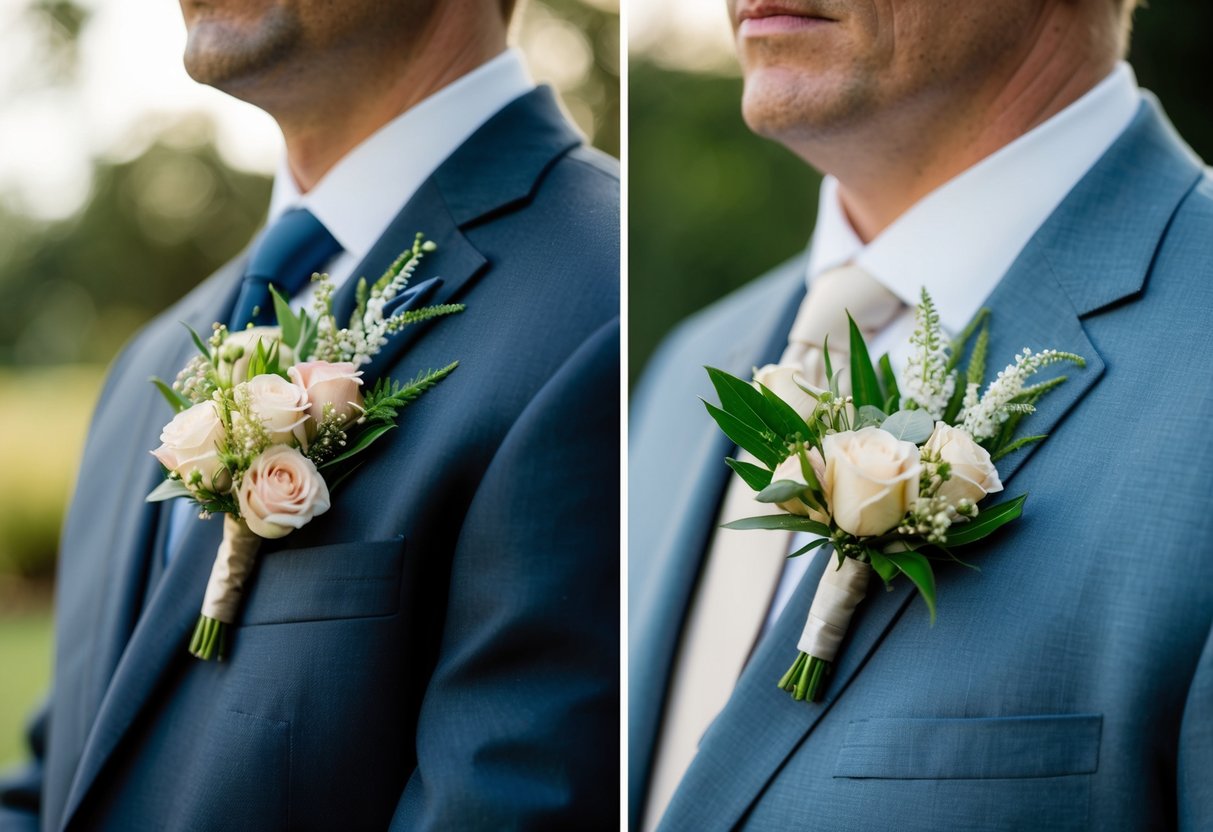
When planning the details of a wedding, it’s important to think about how extended family members can be included. This involves choosing who will wear boutonnières and how to honor special relatives during the ceremony.
Buttonholes for Grandfathers and Stepfathers
Including grandfathers and stepfathers in the boutonnière tradition is a lovely way to honor them. If you have a grandfather who has played a big role in your life, consider giving him a boutonnière to wear on the wedding day. This small gesture acknowledges his importance.
For stepfathers, a boutonnière can also be a thoughtful touch. It allows them to feel recognized as part of the family. Choose a flower that complements the wedding’s color scheme. This makes it visually cohesive. Remember, it’s about making everyone feel included, so discuss this with your partner and family to understand preferences.
Inclusion of Other Wedding Party Members
You might also want to think about including other important people in your wedding party. For example, you can give wrist corsages to grandmothers or stepmothers. This is a beautiful way to make them feel special on your big day.
Don’t forget about the younger members like page boys and flower girls. While they typically don’t wear boutonnieres, consider fun alternatives, like floral crowns for flower girls. You want the children to feel part of the celebration, too.
Lastly, think about whether any additional family members retired are important, like a male officiant. Including them in the boutonnière list can create a sense of unity and celebration. It’s about bringing everyone together in a meaningful way on your special day.