
Do Fathers Still Walk Their Daughters Down the Aisle? Exploring Modern Wedding Traditions
The moment you step into a wedding ceremony, you’ll often feel a sense of tradition surrounding the event. One of the most heartwarming traditions is when fathers walk their daughters down the aisle. Many fathers still uphold this custom as a symbol of love and support, though some couples choose to personalize the moment to fit their unique relationship.
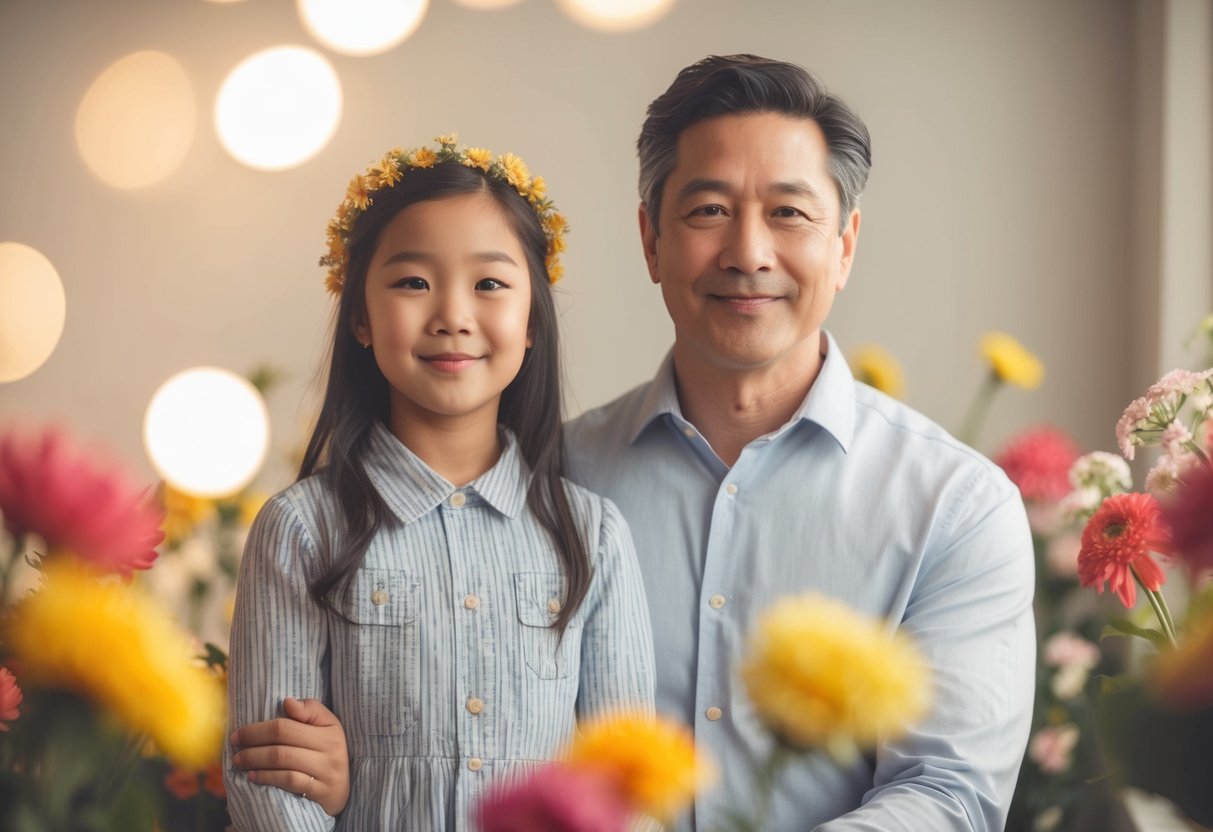
As you envision your own wedding day, you might wonder about the meaning behind this practice. The act of walking down the aisle is not just about tradition; it also reflects the strong bond between a father and daughter. While some brides opt for a more modern approach, like having both parents join them or walking solo, the classic image of a father escorting his daughter remains cherished and significant for many families.
In today’s weddings, you will find a blend of old and new customs. Whether you decide to stick to tradition or create your own path, choosing how you walk down the aisle is ultimately about what feels right for you and your loved ones.
Historical Significance and Evolution
Understanding the historical roots of fathers walking their daughters down the aisle helps reveal how traditions have changed over time. This ritual carries deep symbolism and reflects family dynamics, shifting from its original context to modern interpretations.
Origins of the Tradition
The tradition of the father of the bride walking his daughter down the aisle dates back many centuries. In ancient times, marriages often involved the transfer of a dowry, which was property or money that the bride’s family provided to the groom.
This act signified the father’s role in giving away his daughter. It emphasized his protective stance and his approval of the union. The ceremony marked a transition, not just for the bride, but for the family as well. This practice solidified the father’s involvement in such a significant event in your life.
Dowry and Financial Implications
Dowries were common in many cultures, representing more than just financial assistance. They symbolized a father’s investment in his daughter’s future and, in many cases, secured her status in society. The practice reinforced traditional family roles.
As society evolved, the practice of giving dowries became less common. Many modern weddings no longer focus on financial transactions. Instead, they celebrate love and partnership. Despite these changes, the act of the father walking his daughter down the aisle remains a nod to these historic norms, emphasizing family involvement and support.
Transition to Modern Interpretations
In contemporary weddings, you may find different interpretations of this tradition. While many couples still uphold the custom, some brides choose to include both parents, a close family member, or even walk alone.
This change reflects modern family dynamics, where traditional roles can feel limiting. The symbolism behind the walk has also evolved. Today, it represents partnership and equality more than simply giving away the bride. The focus now is on celebration and unity, adapting a historical ritual to fit personal beliefs and values.
Contemporary Practices in Different Cultures

Many modern weddings showcase diverse practices that reflect various cultural traditions and personal choices. From live uniting of families to the representation of both parents, the rituals have evolved significantly.
Both Parents’ Roles
In contemporary weddings, many couples opt for a more inclusive approach where both parents walk the bride down the aisle. This practice emphasizes family unity and acknowledges the roles of both parents. It is particularly significant in modern weddings, reflecting changing societal norms.
This shift allows brides to honor all family members equally. In some cases, brides may choose to walk alone or with another family member. This choice signifies independence and personal preference. It is a beautiful way to honor both parents without adhering strictly to traditional practices.
Influence of Cultural Traditions
Cultural variations play a crucial role in wedding ceremonies. In Jewish weddings, for instance, the father traditionally walks the bride down the aisle, symbolizing protection and support. However, in some cultures, arranged marriages may feature different customs that focus more on family involvement than individual choice.
In other traditions, such as Christian or non-denominational weddings, the father’s role is often central. Yet, many couples today adapt these customs to better reflect their personal beliefs and values. Each culture blends history with modern practices to create a unique experience.
LGBTQ Couples and Inclusivity
LGBTQ couples have brought a fresh perspective to wedding ceremonies, often breaking traditional molds. They may choose to include both sets of parents or select close friends to walk them down the aisle. This practice emphasizes the importance of chosen families alongside biological ones.
In non-denominational settings, couples often craft a ceremony that communicates their love and commitment, regardless of gender. Many aim for inclusivity by personalizing their rituals. This approach ensures that every couple can celebrate their union in a way that feels authentic to them.
Planning the Processional

When planning your wedding processional, it’s important to consider how you want the moment to flow and feel. This is a key part of your ceremony, setting the stage for the rest of your special day.
Coordinating the Wedding Party
Start by organizing your wedding party. Decide who will walk down the aisle and in what order.
Commonly, this includes bridesmaids, groomsmen, and any special family members like grandparents.
Make sure everyone knows their roles. Create a simple list with names and positions. If both parents are walking you down the aisle, communicate this clearly. You might choose to include a stepdad too. This can create a warm, inclusive atmosphere.
Practice the processional with your group. This helps everyone feel comfortable and confident on the big day.
Personalizing the Aisle Walk
Personalizing your aisle walk can make it truly special. Think about how you want to enter. You might opt for a favorite family song or a traditional piece.
Consider incorporating your cultural traditions, like Jewish customs, where both parents walk with the bride. This can add meaning to your ceremony.
You could also allow room for surprises. Perhaps a unique dance or a special reading before you walk down the aisle.
These choices should reflect your journey and values. Make it a moment that you will cherish forever, filled with love and joy.