
Do Full Names Go on Save the Dates? Understanding Wedding Invitation Etiquette
When planning your wedding, you might wonder about what details to include on your save the dates. Including full names is essential because it helps guests recognize who is getting married, especially if they are more distant relatives or friends. By making sure both your names appear clearly, you reduce any confusion and make it easier for everyone to remember this special occasion.
As you finalize your engagement plans, think about the style of your save the dates. If you choose to feature a photo or a fun design, you still want to make sure that your full names are included, either directly on the card or in the return address. This small detail can really help set the tone for your wedding and create excitement among your guests.
Crafting the perfect save the date is an exciting step in your wedding journey. With so many options to personalize your announcement, you’ll want to make sure that full names are part of the mix. After all, this little card is the first glimpse of your big day that your loved ones will receive!
Crafting Your Save the Dates
Creating save-the-date cards is an exciting step in your wedding planning. It’s your chance to share your big news and set the tone for your special day. You’ll want to focus on design choices and etiquette to make these announcements memorable.
Choosing the Right Design and Format
When picking a design for your save-the-date cards, think about your wedding theme and colors. Whether you prefer traditional or modern, your choices should reflect your style.
You can opt for:
- Printed cards: These can be customized with photos or unique designs.
- Electronic save-the-dates: A quick and eco-friendly option that can be sent via email or social media.
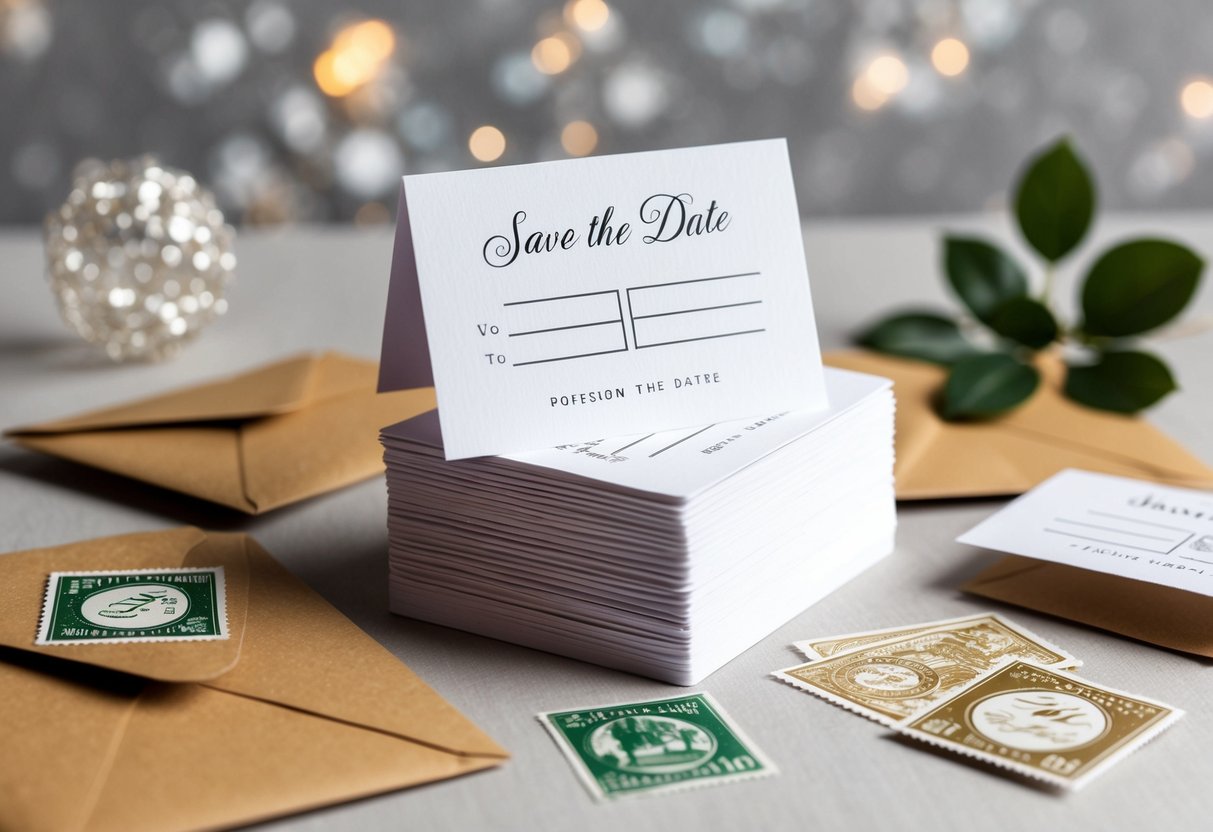
Make sure the layout is clear. Include your names, wedding date, and location. Keep it readable and simple to make a great first impression.
Understanding Save-the-Date Etiquette
Knowing what to include in your save-the-date is key. Start with your full names, as some guests might not know both of you well. This helps avoid any confusion.
Next, share the wedding date and location. Generally, stating the city and state is sufficient. For a formal touch, including the phrase “invitation to follow” is a nice addition.
If guests can bring a plus one, make that clear. This helps them plan ahead. Always send save-the-dates at least six months before your wedding to give people ample time to adjust their schedules.
Personalizing With Proper Titles
When addressing save-the-date cards, using proper titles adds a special touch. This makes your invitations feel thoughtful and respectful. You should consider different titles based on the relationship status and age of your guests.
Addressing Married and Unmarried Couples
When addressing couples, be mindful of their marital status. For married couples, you can use Mr. and Mrs. followed by the husband’s last name. For example, “Mr. and Mrs. Smith.”
If you’re addressing unmarried couples, you can simply list both names together, like this: “Jane Doe and John Smith.” If the couple shares a last name, you can use “The Smiths.”
Using formal titles helps maintain decorum, especially for formal invitations. Consistency is key—if you use titles for one couple, do the same for all couples listed.
Titles for Children and Distinguished Titles
For children, it’s common to use the title Miss for girls under 18. The title Master can be used for boys of similar age. For example, “Miss Lucy Jones” or “Master Jake Brown.”
If your guests include distinguished individuals, such as doctors or judges, please include their titles. For instance, “Dr. Emily White” or “Judge Mark Green.” This demonstrates respect and acknowledges their achievements, showing you care about your guests.
Inclusion of Nicknames and Family Names
Incorporating nicknames can make your save-the-date cards feel more personal and friendly. You could use Samantha “Sam” Taylor for someone who prefers their nickname. However, ensure the formal name is still included.
If you have a close relationship with the guests, adding family names can foster warmth. You might say, “The Johnson Family” or “The Parkers.” This approach is especially nice when addressing larger families. Just make sure everyone understands who is invited!
Managing the Guest List Details
When creating your guest list for save the dates, careful consideration ensures clarity and avoids confusion. You will need to decide on plus ones and how to address guests, including singles and same-sex couples.
Deciding Who Gets a Plus One
Deciding who receives a plus one can be tricky. It’s common to give one to guests who are in serious relationships. This includes partners who live together or have been dating for a while.
For friends and family, consider your relationship with them. If they are single but might want to bring a date, think about including the plus one option.
Make a note of who will receive a plus one on your wedding guest list. This will help when you address save-the-dates and ensure everyone feels included.
Addressing for Single Guests and Same-Sex Couples
Addressing your save-the-dates needs to reflect the guest’s situation correctly. For single guests, use their full name and avoid titles unless you want a formal touch. This shows you respect their individuality.
For same-sex couples, list their names on the same line, with “and” or an ampersand (&) in between. For example, “Alex Smith and Jamie Doe.” Consistency in how you address everyone ensures clarity.
If you’re unsure about names, ask your guests how they prefer to be addressed. Personal touches can make your save-the-dates feel much warmer and more inviting.
Logistical Considerations for Destination Weddings
Planning a destination wedding involves specific logistics that help ensure your guests are well-informed and ready for your special day. It’s essential to provide clear details about travel, accommodations, and the wedding location.
Highlighting Location and Travel Info
When sending out your save-the-date notices, make sure to highlight key information about your wedding location. Include the full name of the venue and any notable features nearby. This provides context for your guests.
Let them know the wedding date as soon as possible. It’s crucial for helping guests manage their schedules. Consider creating a wedding website to share additional travel details. You can outline flight options, local transportation, and attractions in the area.
Printing this information on your save-the-date envelopes can also be helpful. Consider adding a wedding hashtag to engage guests and encourage them to share their excitement online.
Early Notices and Accommodation Details
Give your guests enough time to plan for your destination wedding. Send save-the-date cards at least six to eight months before the event. This is especially important if your wedding is in a popular destination where accommodations may fill up quickly.
Provide recommendations for local hotels and lodging options. Mention any special room rates or block reservations you’ve arranged. Include return address details on your invitations so guests can easily RSVP.
Engagement photos can also make your wedding website more inviting. Use photos to show off your chosen wedding venue and surrounding areas. This adds a personal touch that guests will appreciate as they prepare for your celebration.