
Do Girls Buy Husband Wedding Bands? Understanding Modern Engagement Traditions
When planning a wedding, many couples consider various traditions, including who buys the wedding bands. Traditionally, the groom is expected to purchase both rings, but many modern relationships now see brides buying their husband’s wedding band as a sign of commitment and partnership. This shift reflects changing norms around marriage and how couples choose to express their love.
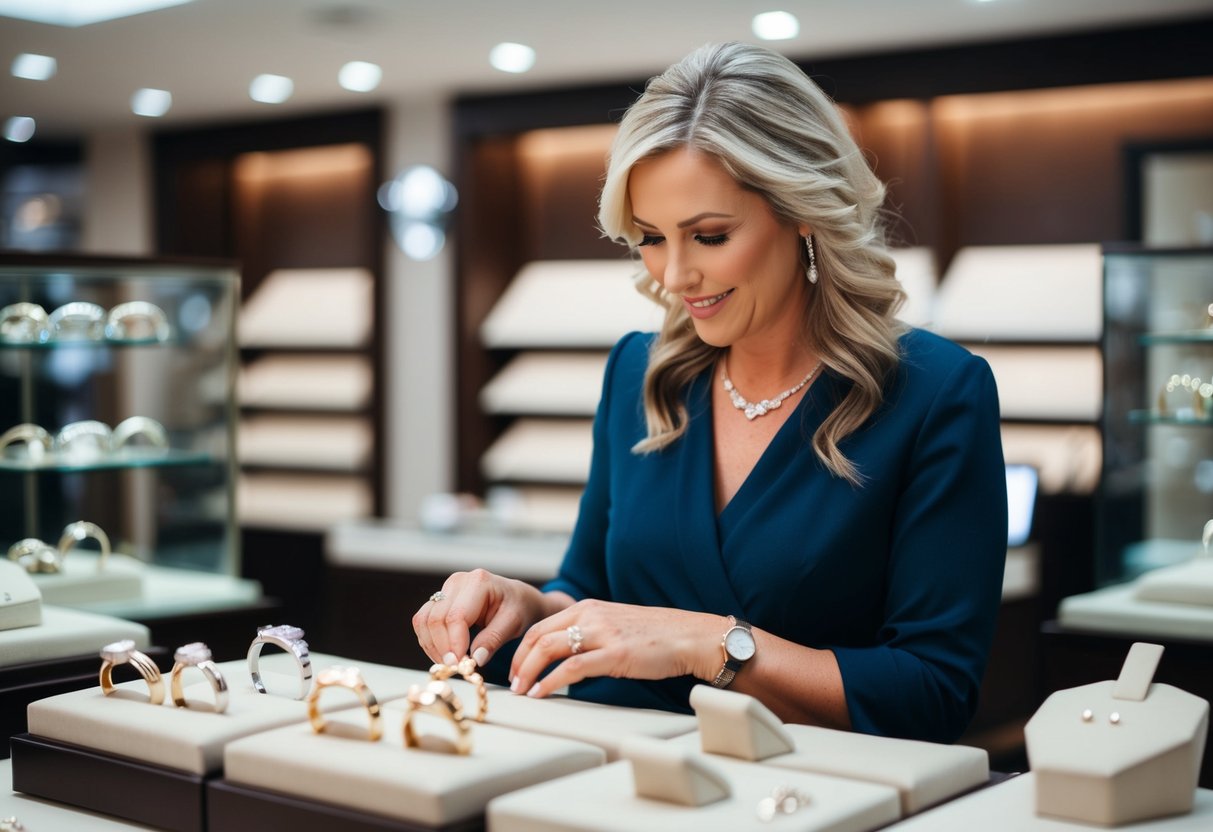
In today’s world, it’s common for couples to decide together who will buy the rings. Some couples shop for each other, while others prefer to split the costs. This collaborative approach can make the experience more special and meaningful. You might find that picking out each other’s rings adds a personal touch to your commitment.
Understanding these changing dynamics can help you navigate your own decisions regarding wedding bands. Whether you stick to tradition or embrace a more modern perspective, what matters most is the love you share and your shared commitment to each other.
The Role of Tradition in Wedding Bands
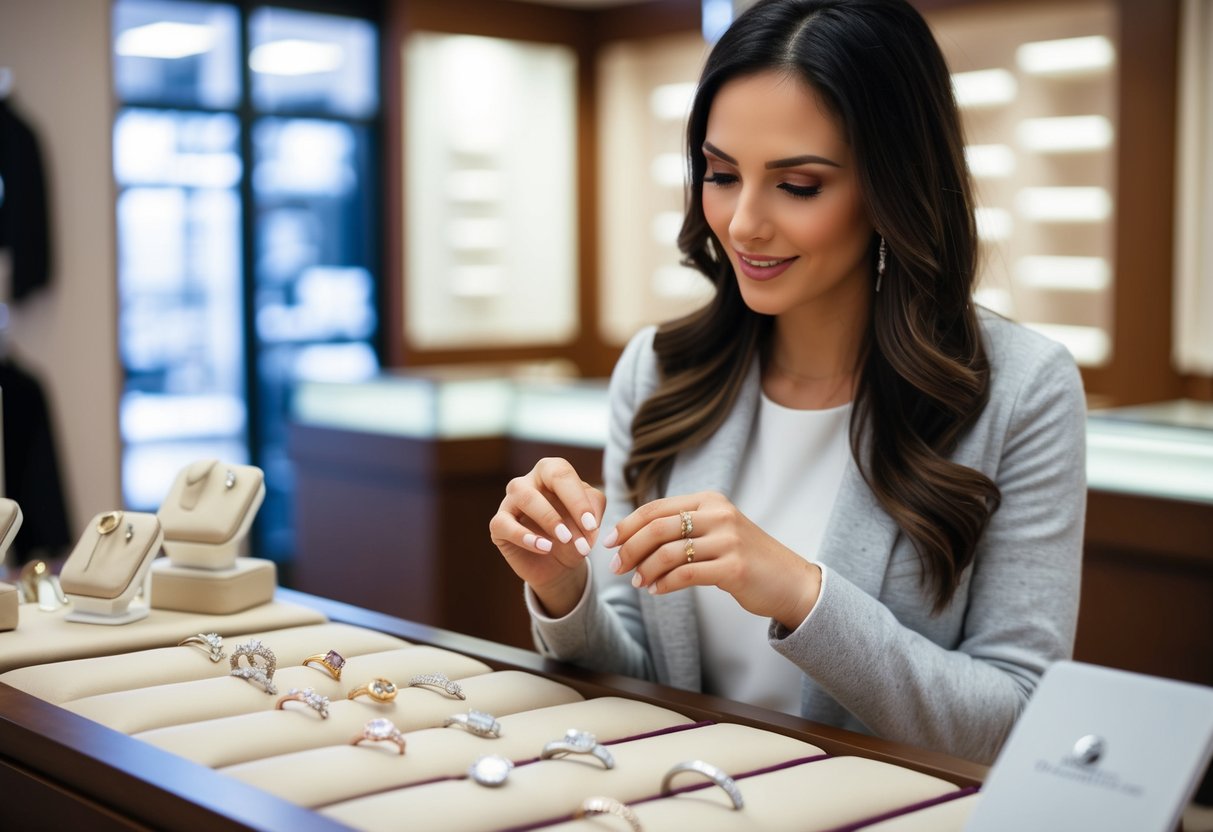
Tradition plays a significant role in how wedding bands are perceived and exchanged. For many couples, these symbols of love represent a deep connection to cultural and social norms. Understanding the historical and societal aspects can help you navigate your own choices regarding wedding bands.
Historical Significance of Wedding Bands
Wedding bands have a rich history that dates back to ancient Egypt. They symbolize eternity and commitment, as they are typically circular with no beginning or end. In many cultures, these bands became a public symbol of marriage.
Traditionally, the groom would buy both rings, although this has changed in modern times. Couples now often share the cost or even buy their own bands. The significance remains, as wearing a wedding band signifies your commitment to your partner and your shared journey.
Gender Roles and Societal Norms
For ages, there have been clear gender roles in wedding traditions. It’s common for men to buy their fiancées’ engagement rings and wedding bands. This expectation stems from societal norms that have evolved over time but still influence decisions today.
However, many couples are breaking from these traditional roles. Women may choose to purchase their husband’s wedding band or select matching styles. This shift shows how personal expression is increasingly valued over strict adherence to custom. Couples today often balance tradition with their unique preferences, leading to more varied and personalized arrangements.
Navigating the Purchase of Wedding Bands

When it comes to buying wedding bands, understanding the financial aspects, selecting the perfect ring, and knowing about sizes is crucial. Here are some key points to help you through this process.
Financial Responsibility and Wedding Budget
Deciding who pays for the wedding bands can affect your wedding budget significantly. Traditionally, it’s common for the groom to buy both his ring and the bride’s ring. However, many couples nowadays prefer to share the expenses or split the budget equally.
It’s wise to discuss how much you both want to spend ahead of time. Create a clear wedding budget that outlines all related expenses. This can include not just the rings but other wedding costs like the venue, catering, and decorations. Setting a budget helps ensure that you won’t overspend and can keep the excitement without financial stress.
Choosing the Right Wedding Band
Choosing a wedding band is a personal experience. It should reflect your style and love story. While shopping, consider the following factors:
- Material: Options include gold, platinum, and even alternative materials like tungsten or titanium.
- Style: Think about whether you want something classic, modern, or unique.
- Engraving: Personalizing the ring with a special message or date can add a meaningful touch.
Visit various jewelry stores to explore different styles and options. Trying on rings helps ensure the style suits you both.
Ring Sizing and Jewelry Stores
Getting the right ring size is super important. An ill-fitting ring can be uncomfortable or impossible to wear. Here are some tips to ensure you find the right size:
- Measure correctly: Many jewelry stores offer free sizing. Make sure to measure your finger at the end of the day when it is slightly swollen.
- Know your options: Most stores can resize rings if needed later, but make sure to ask about this service.
When visiting a jewelry store, don’t hesitate to ask questions. The staff can guide you through your choices and help make the buying process fun and relaxed.
Modern Wedding Planning Considerations
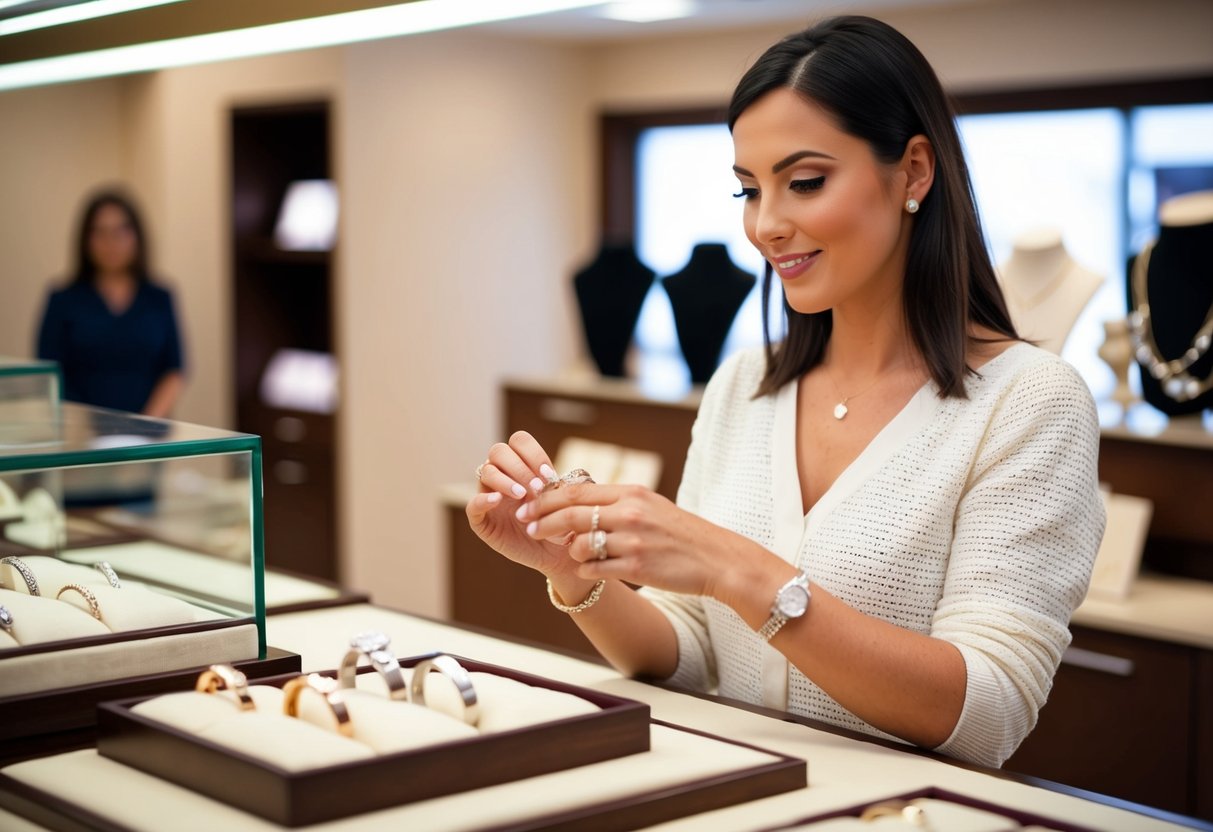
As you plan your wedding, it’s important to think about who will purchase the wedding bands and how you want to approach this part of the celebration. The dynamics around buying rings have changed, making open communication essential.
Who Buys the Man’s Wedding Band?
Traditionally, the groom’s wedding band was often purchased by the bride. However, many modern couples prefer to share this responsibility. Discussions about finances and preferences are vital here.
You might consider splitting the cost or choosing rings together. This can foster a sense of partnership, which is central to a successful marriage. It’s not uncommon for couples to focus on personal taste rather than sticking to outdated norms.
The Exchange of Wedding Bands
The exchange of wedding bands is a significant moment in the wedding ceremony. This tradition symbolizes love and commitment. During this exchange, both partners usually present their rings to each other, signifying mutual agreement.
In today’s weddings, it’s common for the couple to choose matching or complementary styles. This choice reflects both partners’ personalities and tastes. One option could be to select rings with similar elements, such as metal type or engraving.
Open Communication and Decision Making
In modern wedding planning, open communication is key, especially when buying wedding bands. Discuss your preferences for materials, styles, and budgets early on. This way, both partners feel included in the process.
You can create a list of styles you both love, helping narrow your choices. Setting a budget together can prevent surprises later and ensure both partners are happy with their selections.
Remember, it’s about what feels right for you both, and maintaining open dialogue can strengthen your bond as you navigate wedding planning together.