
Do Grandparents Walk Down the Aisle at a Wedding? Exploring Traditional Roles and Modern Trends
Weddings are filled with special traditions, and many couples wonder about the role of grandparents on their big day. While it’s common for some grandparents to take part in the ceremony, it’s not a strict rule. The couple can choose to honor their grandparents by having them walk down the aisle, making it a sweet gesture that adds warmth to the occasion.
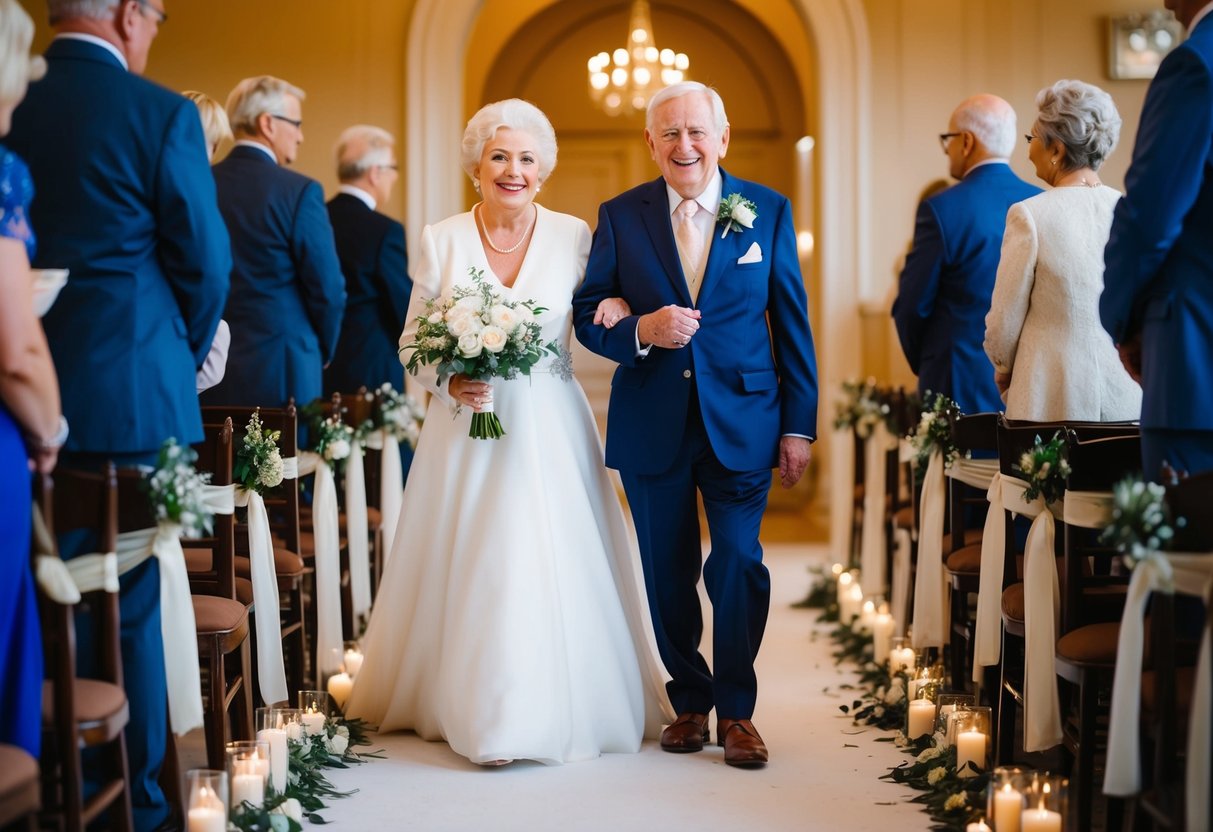
Including grandparents in the wedding processional can be a touching way to celebrate family. Some couples opt to have the bride’s grandparents walk first, followed by the groom’s. This can highlight the importance of both sides of the family and create sentimental moments that everyone will cherish.
If you’re considering how to include your grandparents in your wedding, it can be helpful to think about their comfort and what feels right for your ceremony. By welcoming them down the aisle, you not only show appreciation for their love but also create lasting memories for everyone involved.
Roles of Grandparents in a Wedding Ceremony
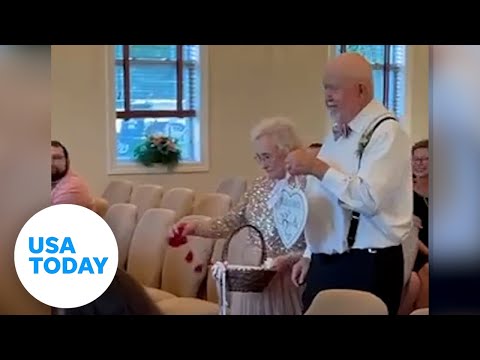
Grandparents hold special roles in wedding ceremonies that honor family traditions and create lasting memories. Their involvement varies, but their significance often enhances the emotional experience of the day. Here’s a closer look at their roles.
Significance of Grandparents
Grandparents are often seen as the family’s memories and wisdom. Including them in your wedding honors the past and acknowledges their role in your life. This involvement can strengthen family bonds and create a sense of unity.
In some cultures, grandparents may have specific duties or participate in blessings. This can add a beautiful touch to your ceremony. It’s a way to show respect for family history and create a foundation for future generations.
With their life experience, grandparents also offer support and advice. Their presence can soothe nerves and add joy to the celebration. Overall, including them can make your wedding feel more complete and meaningful.
Walking Down the Aisle
Whether they walk down the aisle or sit in prominent seats, grandparents add warmth to the ceremony processional. Many couples choose to have their grandparents walk first, which is a lovely way to honor them. They often set the tone for the wedding as they make their way down the aisle.
In Jewish weddings, for example, this is a common tradition. The bride’s grandparents typically go first, followed by the groom’s grandparents. This acts as a formal recognition of their importance.
When planning your ceremony, think about how to include grandparents in a way that makes them feel valued. Their role can be essential, whether it’s walking down the aisle or simply enjoying a special seat during the ceremony.
Processional Order and Participants
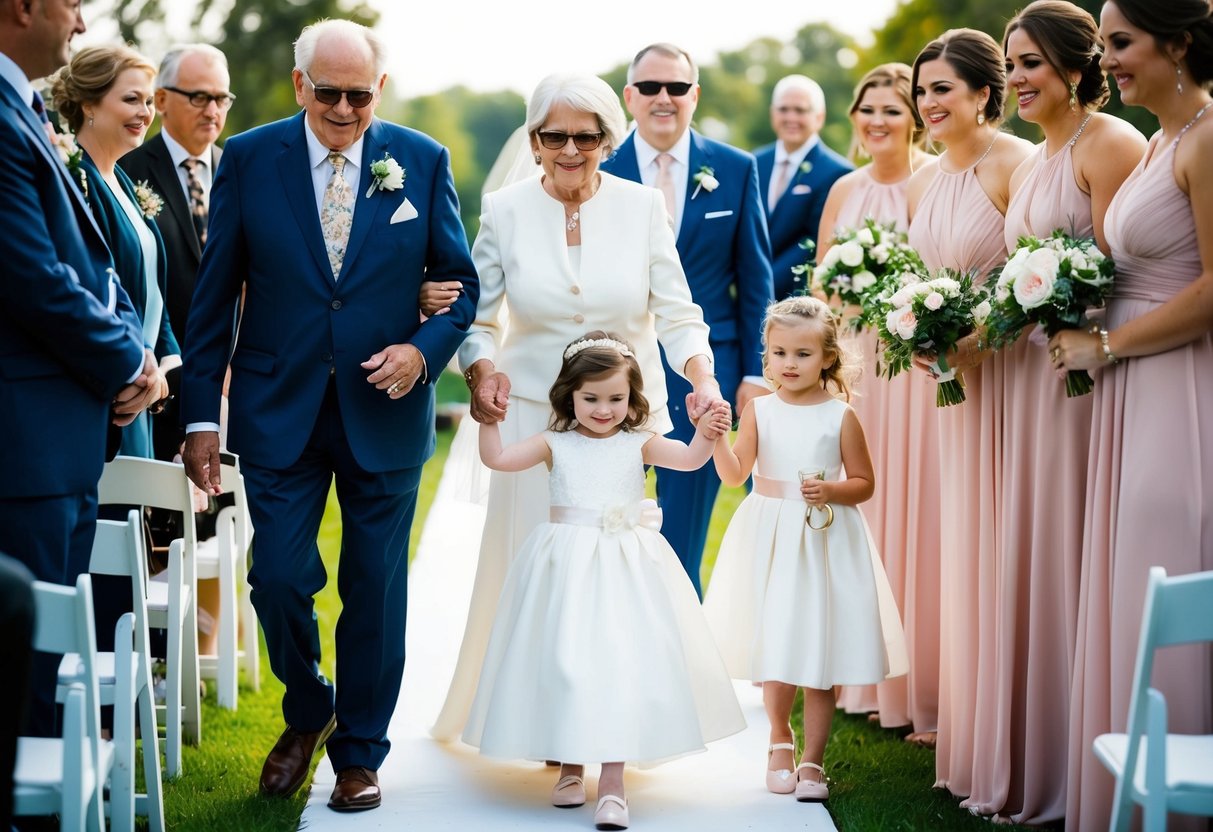
The wedding processional sets the tone for your ceremony, marking the entrance of key participants. Understanding the order and roles of everyone involved can help ensure a smooth and memorable event.
Traditional Order of Entrance
In a typical wedding processional, the order often starts with the ushers who guide guests to their seats. Next, the grandparents of both the bride and groom walk down the aisle. Following them are the parents of the bride, followed by the parents of the groom.
Then comes the wedding party. The bridesmaids and groomsmen enter next, usually paired together, starting with the maid of honor and best man. Finally, the spotlight shifts to you: the bride, who walks down the aisle last, typically with a parent or loved one.
Role of the Officiant
Before the processional begins, the officiant plays an important role in welcoming guests. They typically stand at the altar, ready to receive the wedding party and you when it’s time for the ceremony.
The officiant sets the mood, often guiding the procession with a few opening remarks. After the wedding party is in place, they will lead the ceremony, ensuring that traditions and vows are honored.
The Bridal Party
Your bridal party includes significant people in your life, each with their own role. The maid of honor, often your closest friend, stands beside you at the altar.
The best man stands next to the groom, providing support and holding the rings. Groomsmen and bridesmaids follow behind, creating a beautiful visual element. Flower girls and ring bearers may also be included, adding cuteness and charm to the processional. Each participant contributes to the emotional and visual impact of your special day.
Cultural Variations in Wedding Processionals
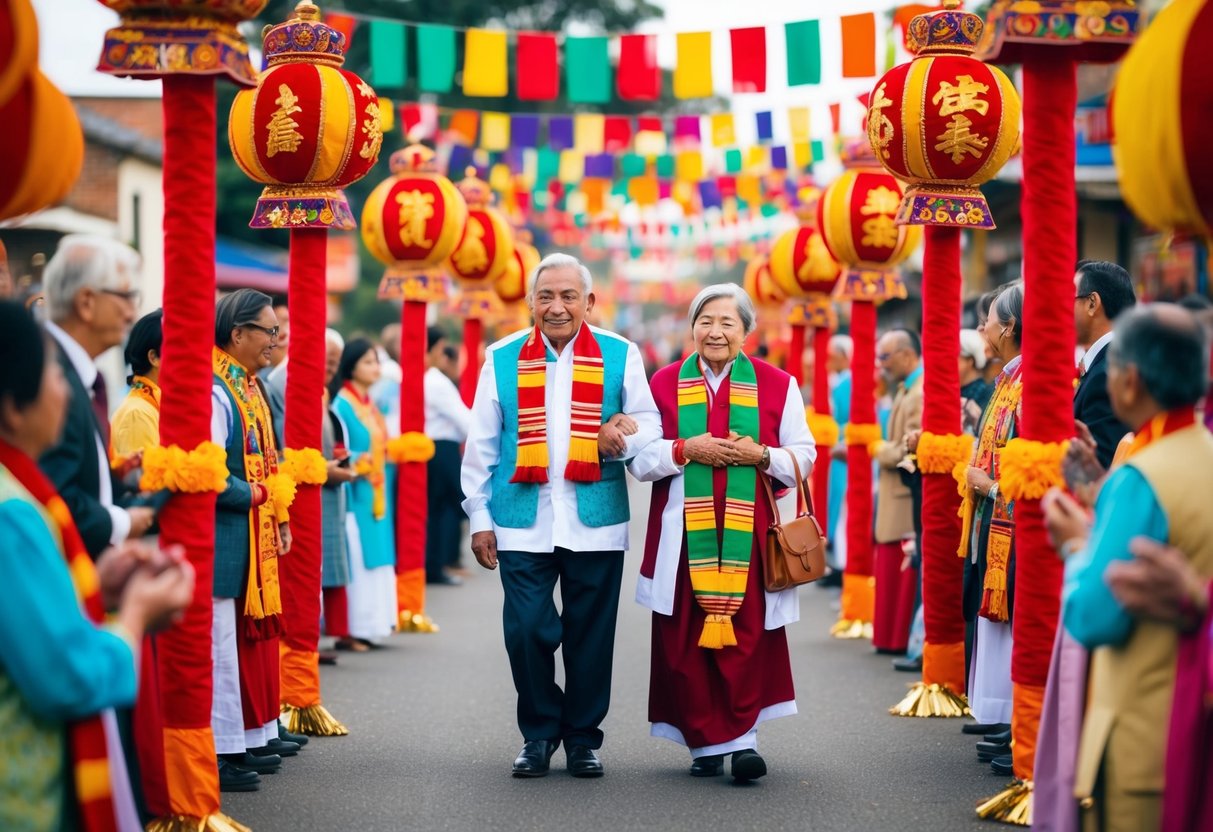
Weddings are rich with tradition and cultural significance. Each culture has its own unique customs that dictate how the ceremony unfolds, including who walks down the aisle and in what order. Here are some important cultural variations in wedding processionals.
Jewish Wedding Traditions
In Jewish weddings, the processional often includes grandparents, who may walk down the aisle first. This can be a sign of respect and honor. The couple usually stands under a chuppah, which symbolizes their new home together.
Family members typically follow the grandparents, and then the wedding party enters. The bride is escorted down the aisle by both parents. The order of these participants is important and often follows specific customs, such as the Jewish wedding processional order. This highlights the community and familial bonds during the ceremony.
Hindu Wedding Traditions
Hindu weddings are vibrant and filled with rituals. The processional often includes the Baraat, where the groom arrives with family and friends. This lively procession is full of music and dancing, setting the festive tone.
Grandparents may be involved, typically seated at the front, but they may not walk down the aisle like in some other cultures. The bride usually enters with her parents, showered with flower petals. Key aspects like the saat phere, where the couple circles a sacred fire, are significant moments in the ceremony that emphasize family unity and blessings from ancestors.
Catholic Wedding Customs
In Catholic weddings, the processional usually follows a specific order. The officiant is the first to walk down the aisle, followed by altar servers and readers. Grandparents often take their seats before the ceremony begins but may not always participate in the procession.
The bride is traditionally escorted by her father, symbolizing the transfer of responsibility. After the bride, the groom and his parents follow. The Catholic wedding processional order emphasizes the importance of family and the sacred bond created through marriage, highlighting the involvement of both sets of parents.
Wedding Day Preparations and Rehearsals
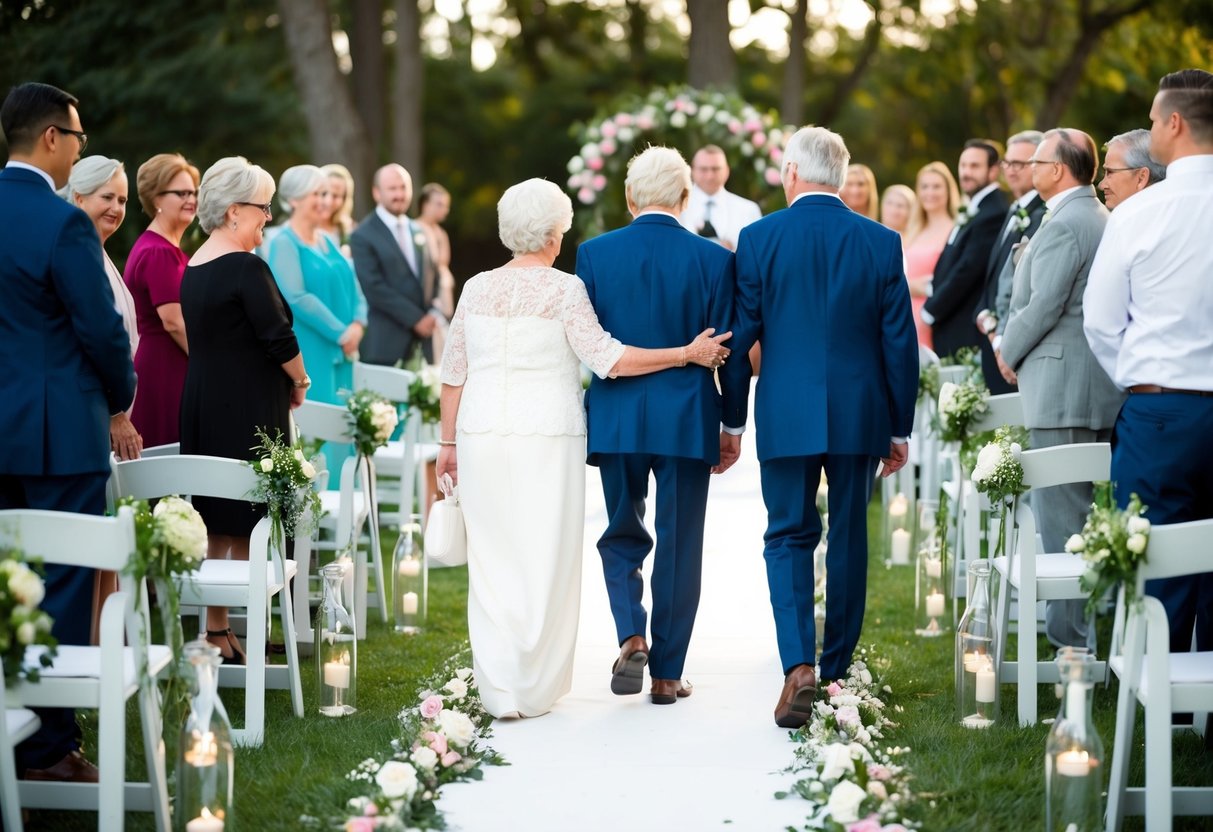
Preparing for your wedding day includes important steps like rehearsals and coordinating with your wedding planner. These aspects ensure everything goes smoothly, helping you and your loved ones feel ready for the special day.
The Role of Rehearsals
A rehearsal is a key part of your wedding preparations. It gives you a chance to walk through the ceremony with your bridal party and family. This practice helps everyone know their roles and positions.
During the rehearsal, you will review the order of events, including when grandparents will walk down the aisle, if applicable. It’s beneficial for everyone involved to feel comfortable with the schedule. Rehearsals often happen the night before the wedding, followed by a rehearsal dinner, which allows for shared moments and joy among family and friends.
Coordinating with the Wedding Planner
Your wedding planner plays an important role in preparing for the big day. They can help you organize the rehearsal, ensuring everyone involved knows when and where to be. This coordination helps prevent confusion on your wedding day.
Your planner will communicate with other vendors too, like the florist and musicians. They ensure that all details are covered, making your day less stressful.
A clear timeline is vital for the event. Ask your planner to provide everyone with the schedule, including the timing for the parents to be seated and when the bridal party walks down the aisle.
Details for the Ceremony Venue
Choosing the right ceremony venue is crucial. When you select a location, think about how it will accommodate your guests, such as grandparents or older relatives.
Make sure the venue has enough seating and is accessible for everyone. A walk-through of the venue can reveal any necessary adjustments, such as changing seating arrangements.
Discuss with your planner about places for the parents to sit and the path for the bridal party. Preparing these details helps ensure the ceremony runs smoothly and all your loved ones feel included.