
Do Groom’s Parents Go to a Wedding Rehearsal? Understanding Their Role and Participation
When planning a wedding, many people wonder about the roles of the groom’s parents. The answer is yes, groom’s parents typically attend the wedding rehearsal. Their presence can help make the ceremony run smoothly and ensure that everyone knows their responsibilities.
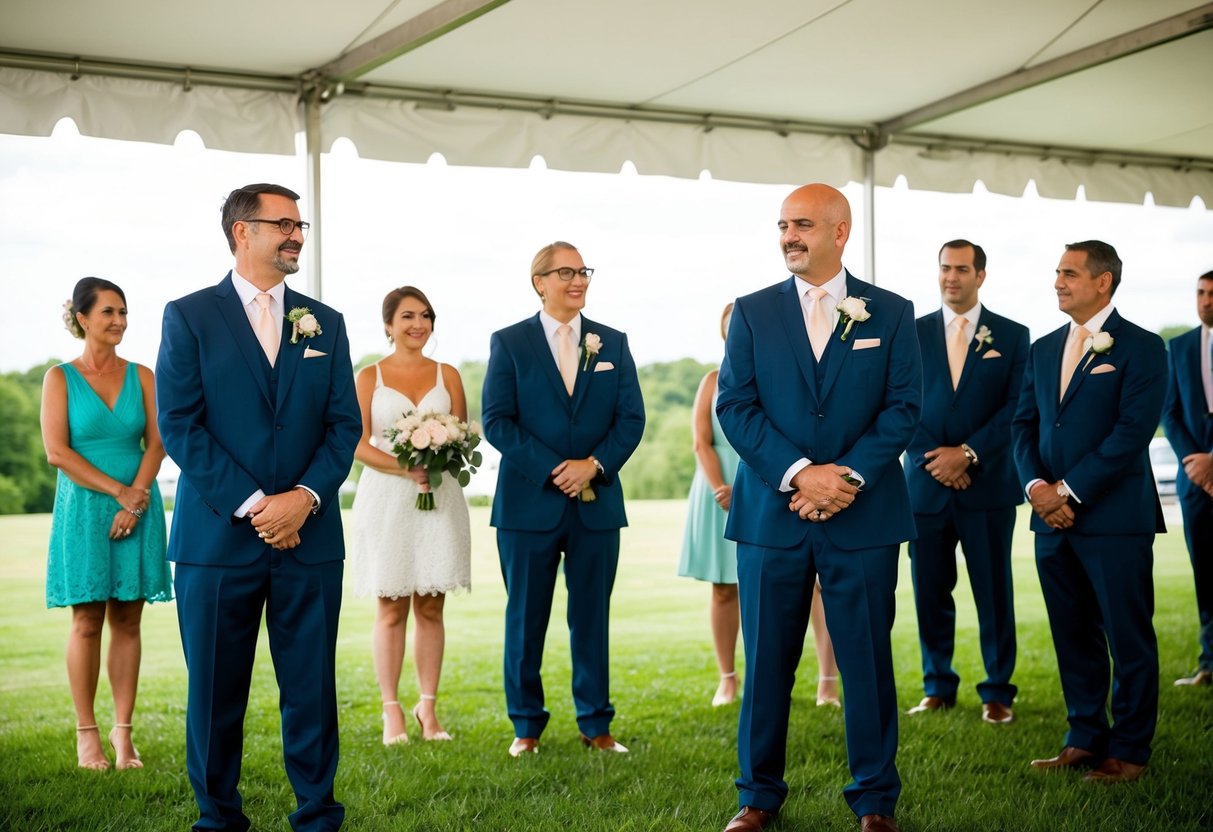
The rehearsal is not just about practicing the big day; it’s also a time for families to connect and bond. This gathering allows the groom’s parents to meet the bride’s family, share in the excitement, and participate in the final touches leading up to the ceremony.
By including the groom’s parents in this important event, you strengthen the support system around the couple. Whether it’s through helping with final arrangements or simply being there as a source of encouragement, their involvement can mean a lot as you approach your wedding day.
Role and Responsibilities of Groom’s Parents

The groom’s parents play a significant role in the lead-up to the wedding. They have both emotional and practical responsibilities that help make the day special. This includes participating in pre-wedding events, managing financial aspects, and attending the wedding rehearsal. Let’s break down these responsibilities.
Pre-Wedding Events
As the groom’s parents, you are often involved in various pre-wedding events. One key responsibility is hosting the engagement party. This celebration helps to introduce families and make everyone feel included.
You may also contribute to planning the rehearsal dinner. This gathering takes place the night before the wedding. It typically includes the wedding party and close family members. It’s a wonderful chance to connect with everyone and ease any nerves.
Communication is key. Arrange a meeting with the bride’s parents to discuss any joint decisions, especially regarding financial planning and guest lists.
Financial Contributions
Traditionally, the parents of the groom are expected to cover certain wedding expenses. This could include the rehearsal dinner, which is an important event for all involved.
According to recent surveys, many grooms’ parents contribute around 24% of total wedding costs. This includes items like the wedding rings, transportation, and sometimes even attire.
It’s a good idea to clearly define what you’re comfortable covering. This can help avoid misunderstandings later on. Open discussions with the bride’s family about budget expectations will lead to smoother planning.
The Wedding Rehearsal
You should definitely attend the wedding rehearsal. This is where everyone practices walking down the aisle and going through the ceremony.
Your presence is important because it shows support for your son and the couple. During the rehearsal, you may also have roles, like standing in a receiving line or helping organize the wedding party.
Take this opportunity to help the groom feel relaxed. This can set the tone for a successful wedding day. Being involved shows that you care and are committed to supporting your son on his big day.
The Rehearsal Dinner
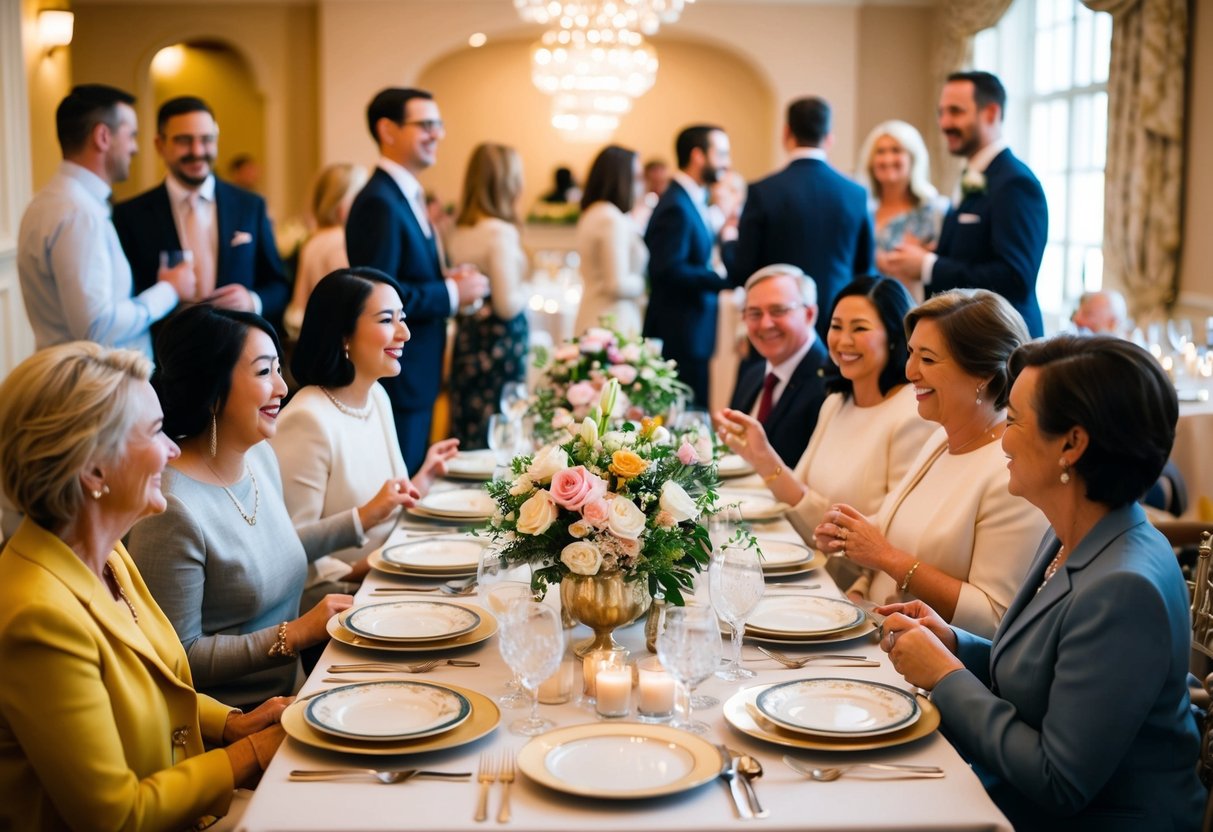
The rehearsal dinner is an important part of the wedding preparation. It provides a chance for close family and friends to gather, share a meal, and get to know each other better before the big day. Let’s take a closer look at the main aspects of hosting this event.
Hosting Duties
Traditionally, the groom’s parents are responsible for hosting the rehearsal dinner. They usually cover the costs, including the venue, food, and drinks. However, modern weddings often see flexibility in this role. Other options include the bride’s parents or the couple themselves hosting.
When planning, choose a location that suits your style and budget. You might consider a casual restaurant or a more formal venue. Make sure to communicate with the venue about your needs regarding space and seating.
Guest List and Invitations
Creating the guest list for the rehearsal dinner is crucial. Typically, it includes family members, the wedding party, and close friends. You want your attendees to feel special before the wedding day.
Invitations can be sent via email or traditional mail. Think about how formal you want the event and choose the invitation style accordingly. Along with the date and time, include details like location and dress code.
Toasts and Speeches
Toasts and speeches are a lovely way to express appreciation during the rehearsal dinner. They usually include heartfelt messages from parents, the couple, or even friends.
Encourage speakers to keep it light and meaningful. A good toast shouldn’t be too long—aim for about 2-3 minutes. Consider adding a touch of humor or a personal story to make it memorable.
This gathering is also a chance to discuss wedding plans briefly. Sharing fun details about the wedding reception or entertainment may help everyone feel connected before the big day. Keep the atmosphere relaxed and enjoyable, setting the tone for the upcoming celebration.
Wedding Day Participation
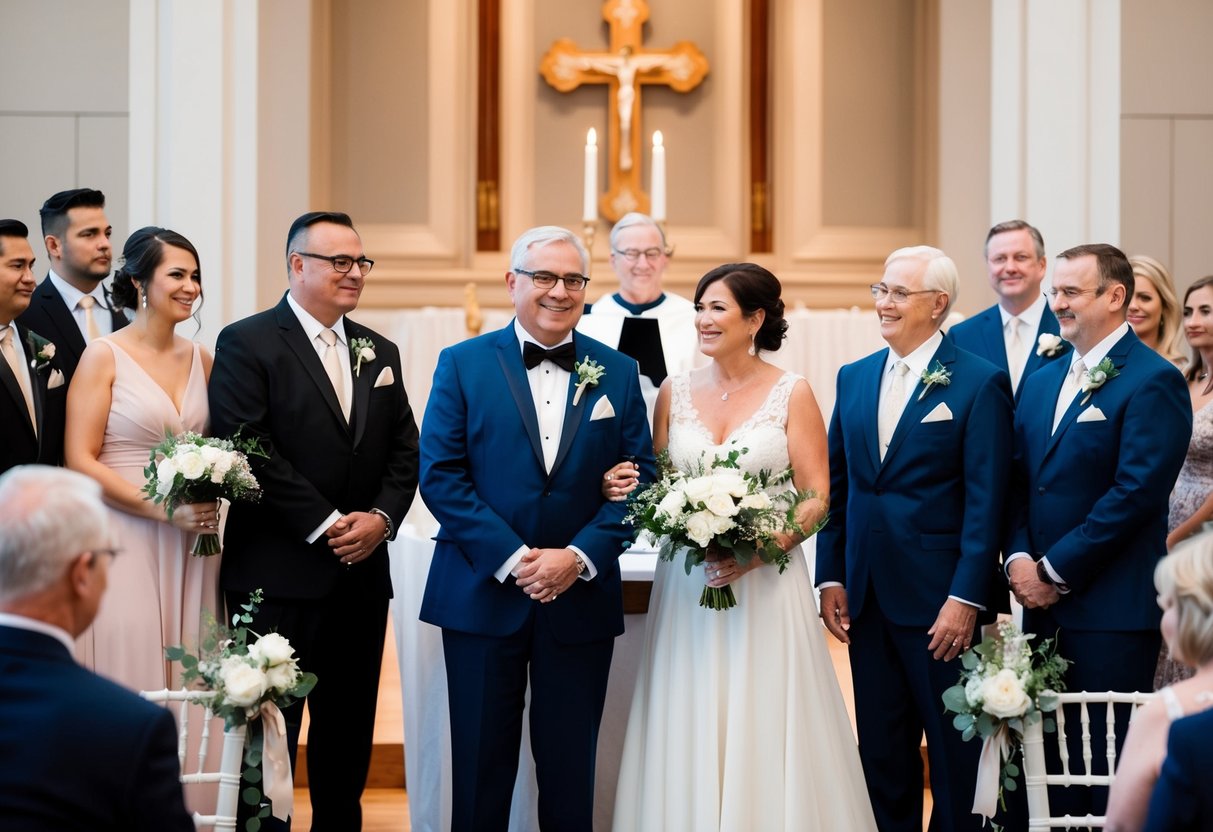
On the wedding day, the groom’s parents have important roles. They can contribute to both the ceremony and reception, making the day special and memorable. Understanding what to expect will help you navigate your responsibilities with ease.
Ceremony Expectations
During the wedding ceremony, the groom’s parents are often seated near the front, typically on the right side. Make sure to check the seating chart ahead of time to find your assigned seats.
As the ceremony begins, you may want to participate in the processional. This usually entails walking down the aisle after the wedding party. Be attentive to cues from the officiant and the wedding party when it’s time to join the procession.
Note: It’s courteous to provide emotional support and encouragement to your son before he walks down the aisle.
Reception Roles
At the reception, your roles can vary. Traditionally, the groom’s parents may help with hosting duties, welcoming guests as they arrive. Make sure to greet guests as they enter, ensuring everyone feels welcomed and comfortable.
You might also take part in giving toasts during the reception. This is a great opportunity to share your joy and offer kind words about the couple.
Don’t forget to check in with the wedding planner or coordinator regarding any specific tasks. Being proactive can ensure everything runs smoothly.
Post-Wedding Involvement

After the wedding, the groom’s parents can help in many ways. Their support can make the transition to married life smoother.
You might need assistance with returning rental items, like the groom’s attire or decorations. This takes away some stress from you and gives them a way to stay involved.
They can also help with sorting through wedding gifts. A thank-you card for every gift is important. You might appreciate their help in organizing this task.
If you plan to go on a honeymoon, they can offer tips or even share their own experiences. Having their guidance can be helpful as you start your new journey.
Don’t forget about possible costs. The groom’s parents may have contributed to the wedding budget or helped pay for the marriage license. It’s nice to include them in conversations about any remaining wedding costs.
If there is a wedding registry, their guidance can help you choose the right items. They may also want to host a bridal shower or contribute to a special celebration.